Charim

2686 Korean & World Recipes

2686+ Korean recipes, clean and organized. Ingredients to instructions, all at a glance.

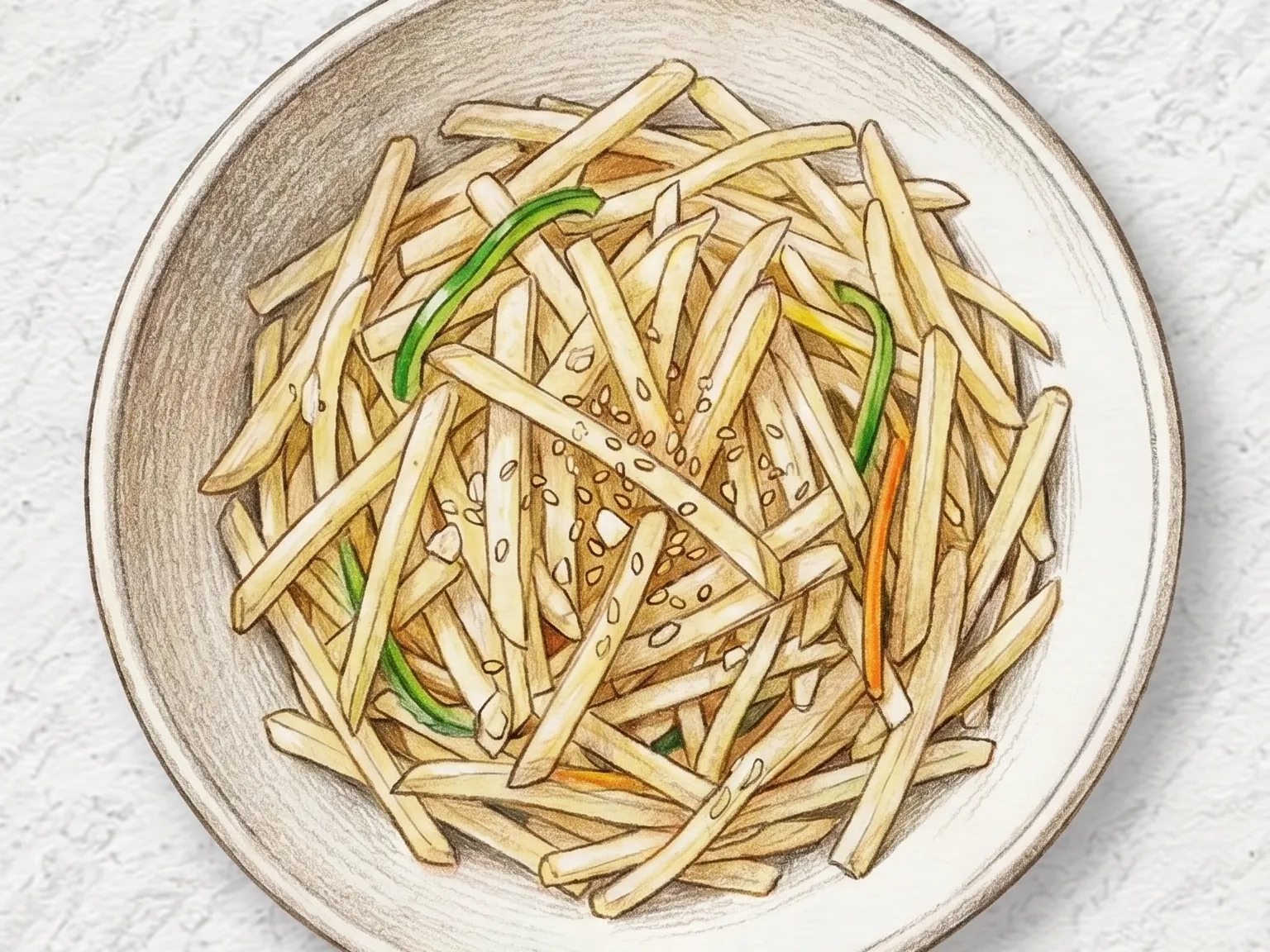
Korean Stir-fried Julienne Potatoes

Korean Stir-fried Julienne Potatoes

Gamja-chae-bokkeum - stir-fried julienned potatoes - is a deceptively simple banchan where the cutting technique determines the outcome. Potatoes are julienned into matchstick-thin strips, then soaked in cold water to wash away surface starch - this is the critical step that prevents the strips from clumping into a sticky mass in the pan. After draining completely, they hit a hot, lightly oiled pan and cook for just three to four minutes, tossed frequently. The goal is a strip that is cooked through but still has an audible crunch when bitten - not soft, not raw. Salt and a splash of vinegar are the only seasonings, keeping the focus on the potato's clean, starchy sweetness. This banchan has been a staple of Korean school lunches and company cafeterias for decades, valued for being vegetarian, cheap, and universally inoffensive.

Prep 12min Cook 8min 4 servings

Adjust Servings

2servings
servings

Instructions

  1. 1

    Julienne the potatoes into thin strips, soak in cold water for 5 minutes, then drain and pat dry.

  2. 2

    Slice onion and carrot into similar thin strips.

  3. 3

    Heat oil in a pan and stir-fry minced garlic for about 10 seconds.

  4. 4

    Add potatoes, onion, and carrot, then stir-fry over high heat for 3 to 4 minutes and season with salt.

  5. 5

    Turn off the heat, add sesame oil and sesame seeds, and toss briefly.

🛒Shop Ingredients on Amazon

As an Amazon Associate, we may earn from qualifying purchases.

Tips

Soaking julienned potatoes helps remove starch and prevents clumping.
Cook quickly over high heat to keep the texture crisp.

Nutrition (per serving)

Calories
138
kcal
Protein
2
g
Carbs
19
g
Fat
6
g

More Recipes

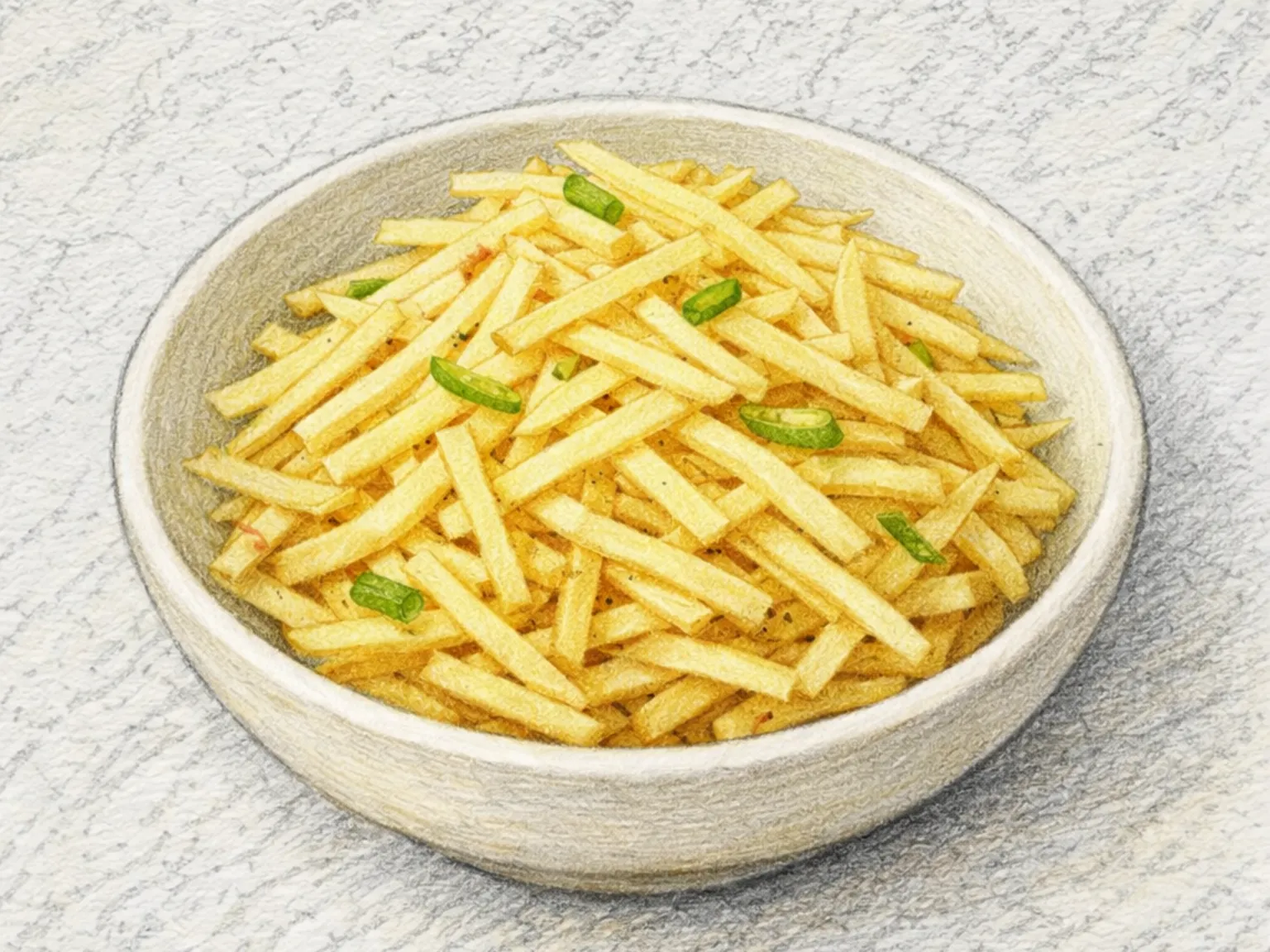
Korean Stir-fried Potato Strips
Stir-fryEasy

Korean Stir-fried Potato Strips

Gamja-bokkeum is a staple Korean side dish made by stir-frying julienned potatoes until they reach a satisfying tender-crisp texture. Soaking the potatoes beforehand removes excess starch, preventing them from clumping in the pan. A light seasoning of garlic and salt draws out the potato's natural mild flavor, while a finishing touch of sesame oil and seeds adds a warm nuttiness. It is a humble yet addictive banchan that pairs effortlessly with steamed rice.

🏠 Everyday🍱 Lunchbox
Prep 12minCook 10min2 servings
Korean Stir-fried Potato and Shrimp
Side dishesMedium

Korean Stir-fried Potato and Shrimp

Gamja-saeu-bokkeum pairs julienned potatoes with shell-on medium shrimp in a clean, garlic-forward stir-fry. The potatoes are soaked in cold water first to remove surface starch - skipping this step leads to clumping in the pan. Garlic sizzles in oil to build an aromatic base before the shrimp go in, cooking until half-done so their natural sweetness transfers to the potato strips when combined. Seasoned with nothing more than salt, pepper, and a finish of sesame oil, this banchan lets the contrast between the potato's floury bite and the shrimp's springy snap carry the dish.

🏠 Everyday🍱 Lunchbox
Prep 15minCook 10min4 servings
Korean Stir-Fried Kimchi (Caramelized Aged Kimchi Banchan)
Side dishesEasy

Korean Stir-Fried Kimchi (Caramelized Aged Kimchi Banchan)

Kimchi-bokkeum is the default way Korean households use up kimchi that has fermented past its fresh prime. Stir-frying tempers the sharp lactic acidity that over-ripe kimchi develops - the heat transforms the sourness into something mellower, sweeter, and more rounded. Onion goes in first and cooks until translucent, laying a sweet foundation before the kimchi and garlic join. Medium heat is essential: it drives off moisture gradually, yielding a thick, concentrated sauce rather than a watery stew. A small addition of gochugaru brightens the color, and a pinch of sugar balances the fermented tang. One tablespoon of kimchi brine amplifies the umami from the lactobacillus culture itself. The finished banchan is versatile enough to eat straight over rice, fold into fried rice, or pile on top of ramyeon.

🏠 Everyday🍱 Lunchbox
Prep 8minCook 10min4 servings
Korean Stir-Fried Bamboo Shoots
Side dishesEasy

Korean Stir-Fried Bamboo Shoots

Juksun-bokkeum is a soy-seasoned stir-fry of bamboo shoots - a banchan closely tied to spring, when fresh juksun appears briefly in Korean markets from April through May, primarily from Damyang in Jeollanam-do. Fresh shoots must be boiled in rice-rinsing water for at least thirty minutes to neutralize their oxalic acid bitterness; canned shoots need a thorough rinse to remove the tinny taste. Julienned shoots are stir-fried with carrot and onion over high heat for a short burst - prolonged cooking draws out moisture and turns them rubbery. The seasoning is restrained: soy sauce, a pinch of sugar, garlic, and a finish of sesame oil, producing a subtly sweet, nutty dish. Bamboo shoots are rich in dietary fiber and low in calories, which gives this banchan high satiety per bite.

🏠 Everyday🍱 Lunchbox
Prep 12minCook 8min4 servings
Korean Kkaennip Gamja Bokkeum (Perilla Potato Stir-fry)
Stir-fryEasy

Korean Kkaennip Gamja Bokkeum (Perilla Potato Stir-fry)

Kkaennip gamja bokkeum is a Korean side dish of matchstick-cut potatoes stir-fried with garlic and onion, seasoned with soy sauce, then finished with shredded perilla leaves and perilla oil. Soaking the potatoes beforehand removes excess starch so they cook without sticking, yielding translucent edges with a slight crispness at the core. Perilla oil brings a nutty warmth and the perilla leaves add a grassy herbaceous note that layers over the mild potato base. Sesame seeds scattered on top provide a final textural accent.

🏠 Everyday🍱 Lunchbox
Prep 12minCook 15min2 servings
Korean Stir-Fried Soybean Sprouts
Side dishesEasy

Korean Stir-Fried Soybean Sprouts

Kongnamul-bokkeum is stir-fried soybean sprouts cooked over high heat for a result that differs fundamentally from the blanched-and-dressed kongnamul-muchim. While the muchim version is cold and gentle, the bokkeum version introduces direct contact with a hot oiled pan, creating a faint wok char on the sprout surfaces. The critical rule is to never cover the pan - trapped steam converts the stir-fry into a boiled dish and locks in the raw bean smell that proper cooking should eliminate. Garlic goes into the oil first for twenty seconds to build an aromatic foundation, then the sprouts are tossed for no more than two minutes on high heat to preserve their crunch. Soup soy sauce (gukganjang) seasons more lightly and keeps the color clean compared to regular soy sauce. When a bag of bean sprouts is the only vegetable in the refrigerator, this five-minute banchan is the pragmatic answer.

🏠 Everyday🍱 Lunchbox
Prep 8minCook 7min2 servings
More Side dishes →