Korean Spicy Gochujang Potatoes
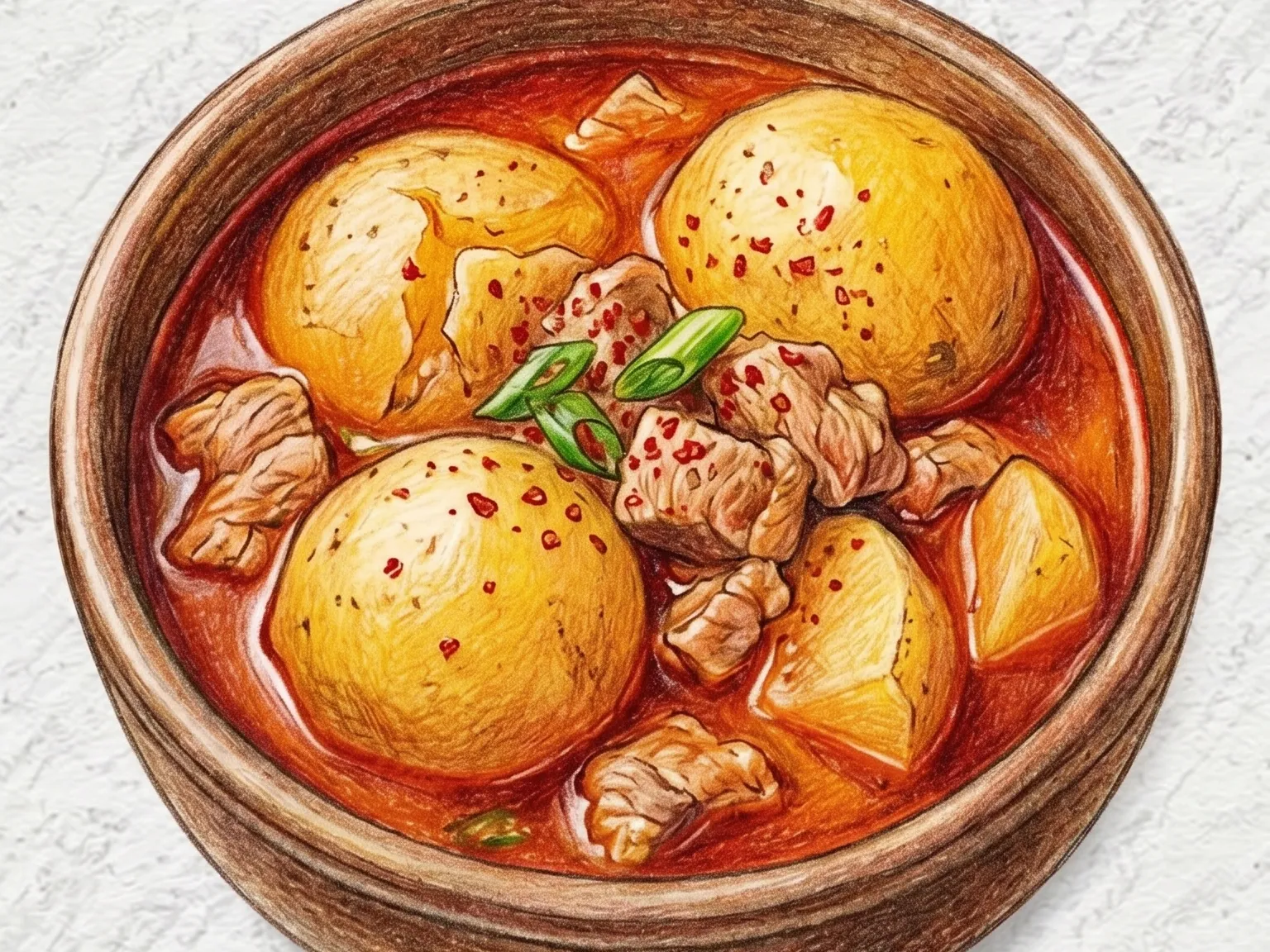
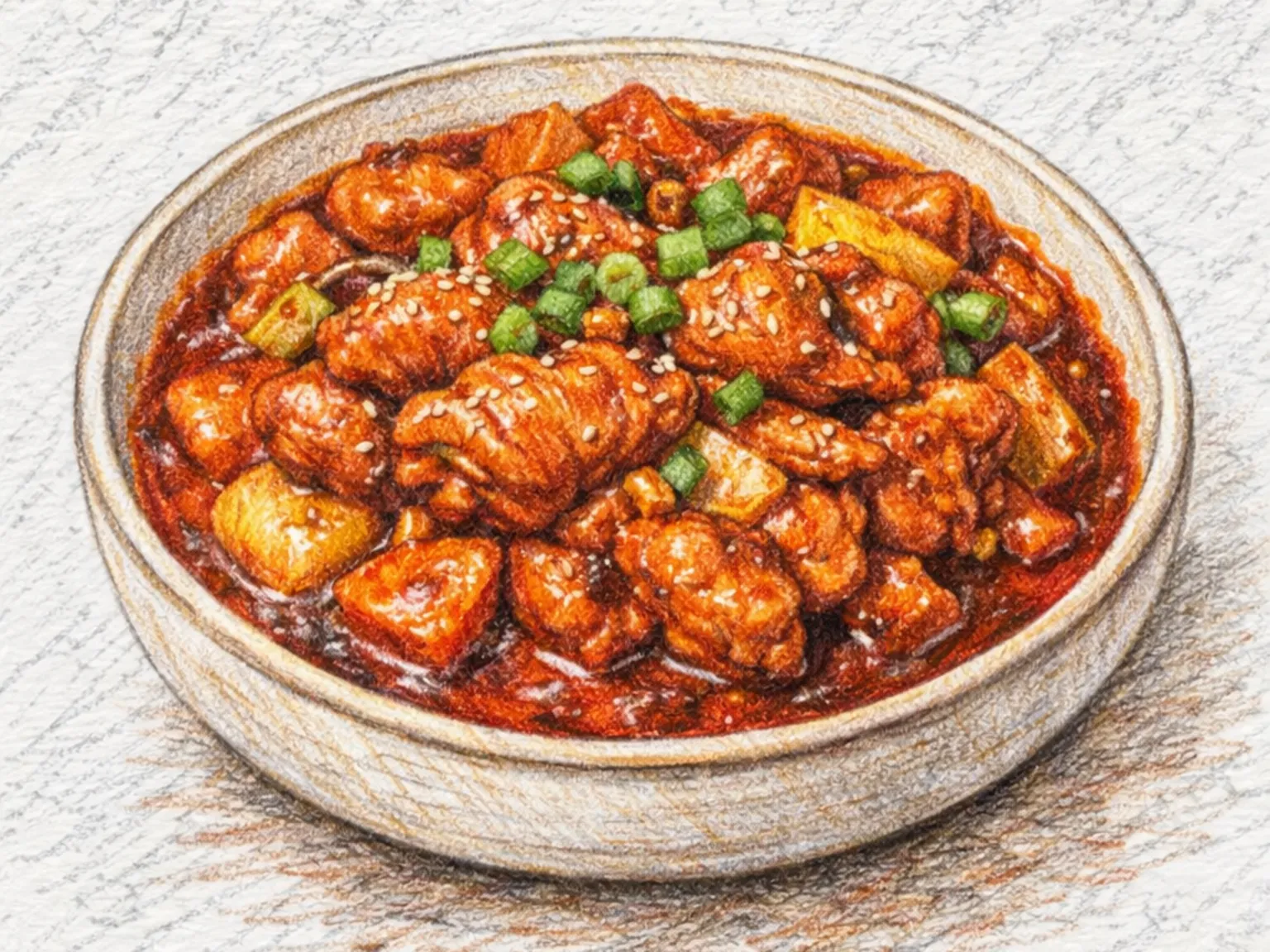
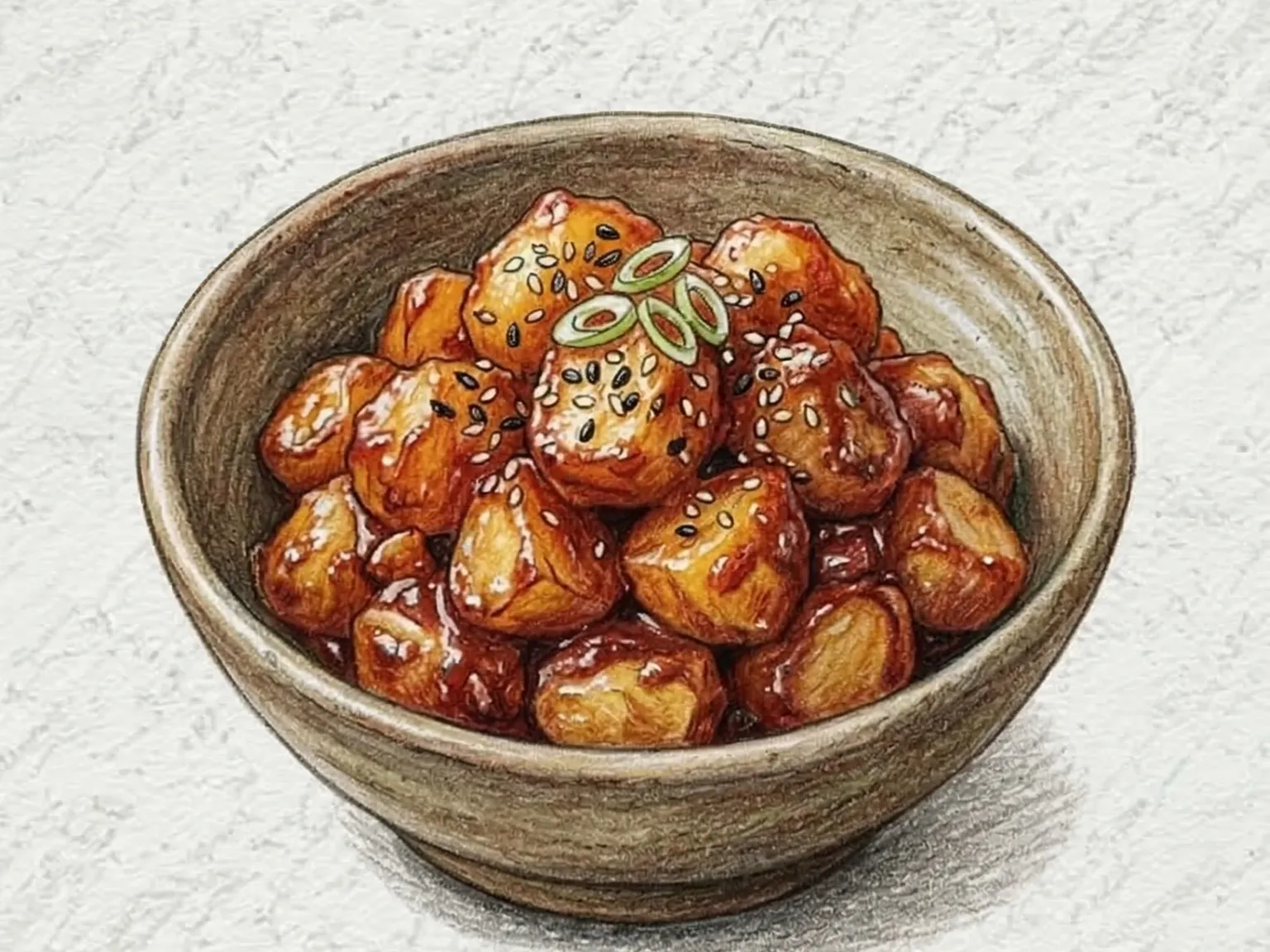
This simple Korean side dish features cubed potatoes stir-fried in a gochujang-based sauce until the pieces are coated in a glossy, spicy-sweet glaze. Soaking the potatoes ahead of time draws out starch, preventing sticking and allowing the sauce to cling evenly. The balance of gochujang heat and gentle sweetness makes each bite compelling. With just a handful of pantry staples and about 25 minutes, it delivers a deeply satisfying banchan that elevates any rice-centered meal.
Adjust Servings
Instructions
- 1
Dice potatoes into bite-sized cubes and soak in water.
- 2
Mix gochujang, soy sauce, and sugar for the sauce.
- 3
Stir-fry potatoes in oil until translucent.
- 4
Add a splash of water and the sauce; cook until potatoes are tender. Finish with sesame oil.
As an Amazon Associate, we may earn from qualifying purchases.
Tips
Nutrition (per serving)
More Recipes

Korean Potato and Sausage Stir-Fry
Gamja sausage bokkeum pairs thinly sliced potatoes with bite-sized sausage pieces, stir-fried in a blend of soy sauce, ketchup, and a touch of sugar. The sausage renders just enough fat to coat the potatoes in a savory glaze, while the ketchup adds a mild sweetness that children especially enjoy. It comes together in under 30 minutes and works well as a lunchbox staple or a quick weeknight side. The combination of starchy potatoes and smoky sausage makes it universally crowd-pleasing.

Korean Soy-Glazed Mushroom Stir-Fry
Oyster mushrooms and shiitake are sauteed in melted butter, then finished with a quick pour of soy sauce that reduces into a glossy glaze on the surface of each piece. The butter permeates the mushrooms during cooking, building a rich, almost nutty base note, while the soy sauce caramelizes slightly under high heat to add a salty-sweet coating. Sliced garlic goes into the butter first, infusing the fat with its pungent aroma before the mushrooms are added. Cooking everything over strong heat is non-negotiable; low temperatures cause the mushrooms to release water and stew rather than sear. With only five ingredients, the dish relies entirely on the interplay between butter richness and soy depth to deliver a level of flavor that belies its simplicity. Spooned over steamed rice, it turns a plain bowl into a satisfying meal.

Bibim Dangmyeon (Spicy Glass Noodles)
Chewy sweet potato glass noodles tossed in a tangy gochujang dressing with fresh cucumber and carrot - a refreshing Korean noodle dish ready in 20 minutes. The noodles are rinsed in cold water to set their translucent, chewy texture before being dressed. Gochujang brings heat, vinegar adds tartness, and sugar balances with sweetness, creating a layered spicy-sweet-sour sauce that coats each strand evenly. A touch of sesame oil prevents the noodles from clumping and adds a subtle nutty aroma.

Korean Spicy Webfoot Octopus Stir-Fry
Jjukkumi-bokkeum is a Korean seafood stir-fry of small webfoot octopus tossed with vegetables in a fiery gochujang and gochugaru sauce over high heat. The octopus must be cooked quickly to stay chewy; overcooking turns it tough, so heat control is key. The bold, spicy kick from the chili paste is the defining character of this dish, tempered by the natural sweetness of onions and scallions. Spring jjukkumi with roe inside adds a popping texture when bitten, making the seasonal version especially prized.

Korean Gochujang Pork Belly Stir-Fry
Gochujang samgyeop bokkeum stir-fries pork belly in a bold gochujang glaze without any added oil, relying entirely on the rendered fat from the belly slices. That fat carries the spicy-sweet sauce deep into each piece, creating a concentrated, layered flavor. Soy sauce and sugar moderate the chili heat, while onion and green onion brighten the dish with fresh aromatics and a bit of crunch. It is a straightforward dish that takes only 20 minutes yet delivers a punch of flavor suitable for both a weekday dinner over rice and a casual drinking snack.

Gamjaguk (Potato Doenjang Anchovy Soup)
Gamjaguk is about as elemental as Korean soup gets - potatoes simmered in anchovy stock and seasoned with either doenjang or plain salt. When doenjang is used, the broth picks up a deep fermented savoriness that wraps around the mild potato flavor. When salt alone seasons the pot, the potato's own gentle sweetness becomes the star. Either way, the potatoes soften until their edges begin to dissolve, releasing starch that gives the broth a silky quality. Garlic and green onion provide the aromatic backbone, and a handful of zucchini can stretch the bowl into something more colorful. The beauty of gamjaguk lies in its accessibility - it can be assembled from a nearly empty refrigerator in fifteen minutes and still taste like home. It is one of those soups Korean families eat so often that it barely registers as a recipe, yet it remains one of the most requested comfort foods.