Charim

2686 Korean & World Recipes

2686+ Korean recipes, clean and organized. Ingredients to instructions, all at a glance.

Gamja Jogae-guk (Potato Manila Clam Soup)
Soups Easy

Gamja Jogae-guk (Potato Manila Clam Soup)

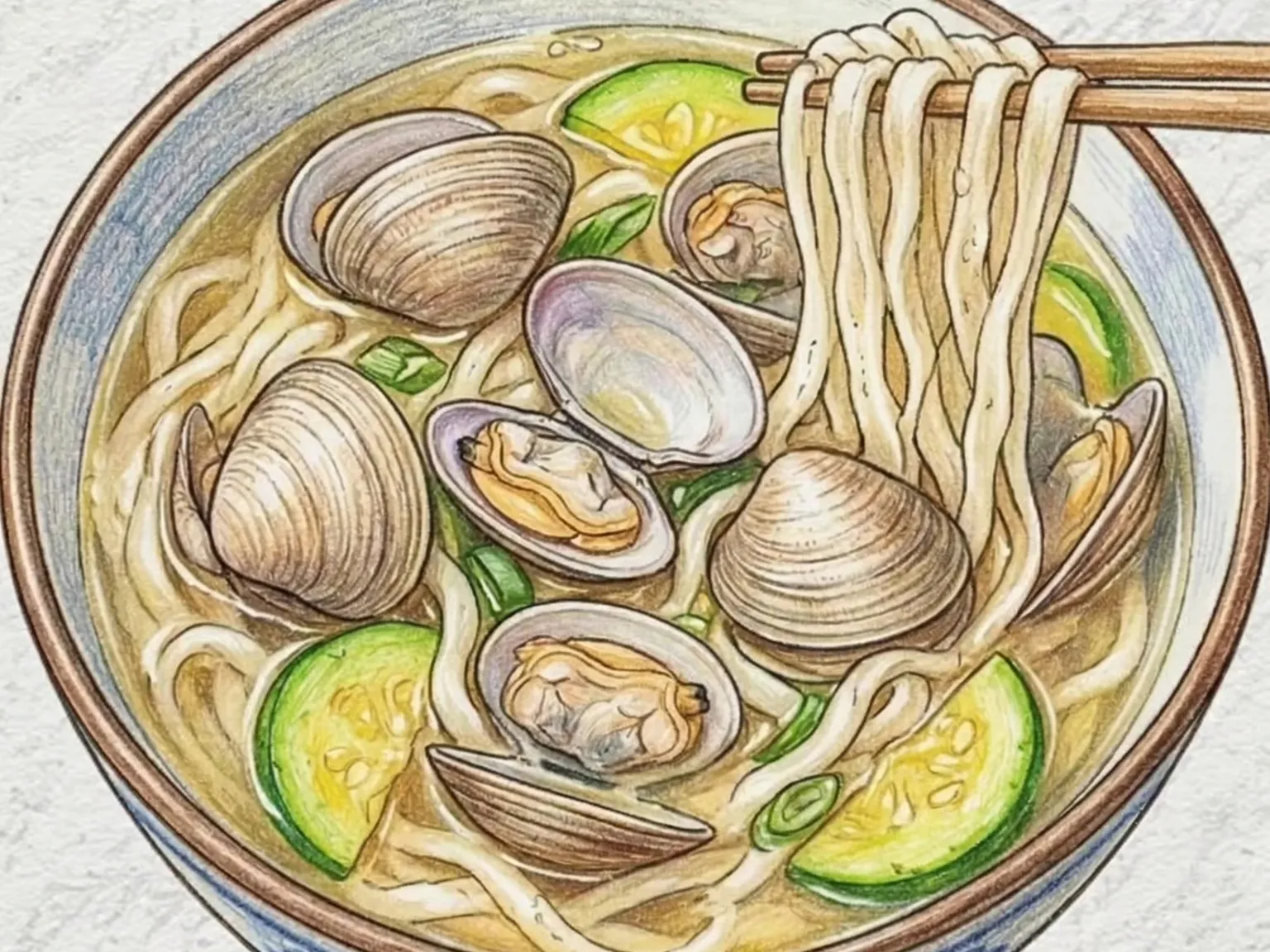
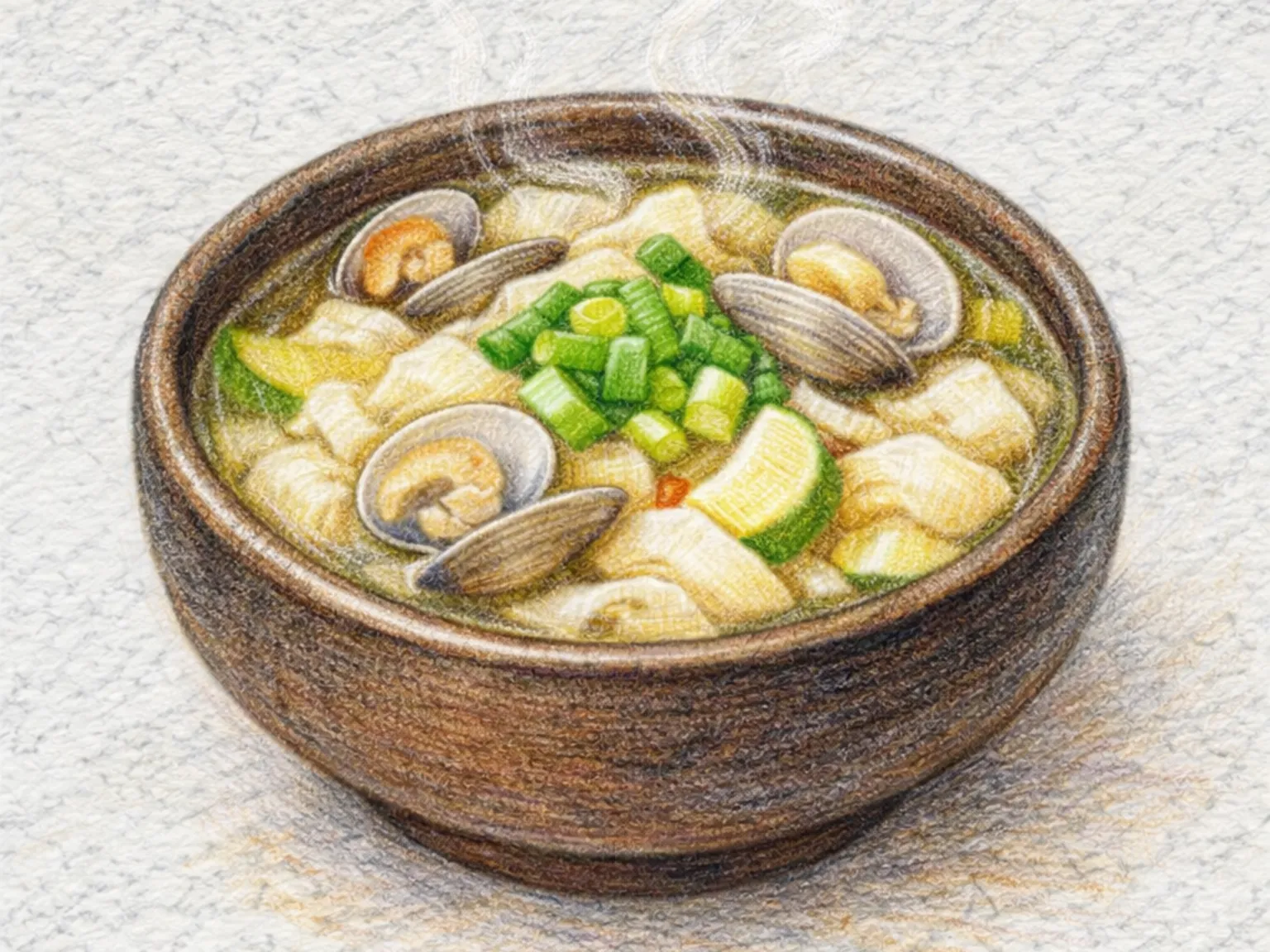
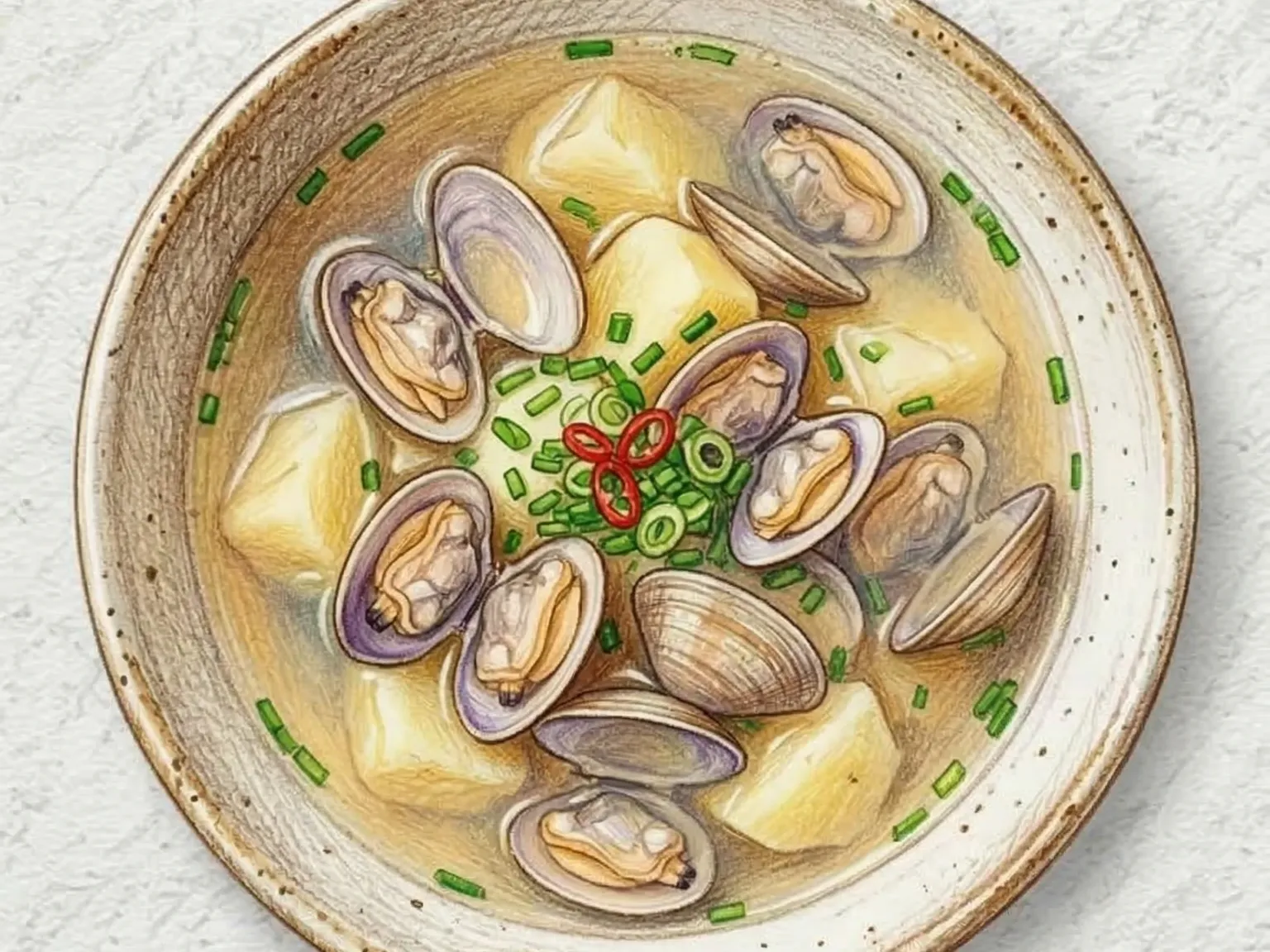
This Korean soup pairs manila clams with sliced potatoes in a light, clear broth that lets the natural salinity of the shellfish do most of the seasoning. The clams release a briny, umami-rich liquor as they open, which means the soup needs very little added stock or seasoning beyond a splash of soup soy sauce. Potatoes, cut into thin slabs, soften and lend a slight starchiness to the liquid, giving the broth a gentler mouthfeel than a pure seafood soup would have. Onion adds quiet sweetness in the background, and green onion on top brings a fresh bite. The whole process takes under twenty minutes from start to finish, making it one of the fastest homemade soups in the Korean repertoire. Despite its simplicity, the pairing of potato and clam creates a layered flavor that surprises with its depth.

Prep 15min Cook 20min 2 servings

Adjust Servings

2servings
servings

Instructions

  1. 1

    Purge clams in salted water, then rinse several times.

  2. 2

    Thinly slice potato and onion into similar sizes.

  3. 3

    Boil water with potato and onion for 10 minutes.

  4. 4

    Add clams and garlic; cook until clams open.

  5. 5

    Season with soy sauce and salt, then finish with green onion.

🛒Shop Ingredients on Amazon

As an Amazon Associate, we may earn from qualifying purchases.

Tips

Clams turn tough if overcooked; lower heat once they open.
Thin potato slices sweeten the broth faster.

Nutrition (per serving)

Calories
210
kcal
Protein
16
g
Carbs
24
g
Fat
5
g

More Recipes

Korean Napa Cabbage Clam Soup
SoupsEasy

Korean Napa Cabbage Clam Soup

Baechu jogae guk is a clear Korean soup that draws its flavor entirely from clams and napa cabbage without any additional stock ingredients. The clams must be purged in salted water for at least two hours to expel all sand; skipping this step ruins the broth with grit. Starting from cold water with both the cabbage and clams allows the temperature to rise gradually, coaxing sweetness from the cabbage as it heats. Once the clam shells open, the heat is reduced and the broth is lightly seasoned with minced garlic and guk-ganjang. Sliced scallion is added near the end for freshness but is not overcooked. Since the clam liquor itself carries significant salinity, additional salt should be minimal and added only after tasting. The soup's appeal lies in its simplicity: no anchovy stock or kelp is needed because the marine depth of the clams and the vegetal sweetness of the cabbage together produce a clean, layered broth.

🏠 Everyday
Prep 20minCook 18min4 servings
Hobeop-guk (Korean Zucchini Shrimp Soup)
SoupsEasy

Hobeop-guk (Korean Zucchini Shrimp Soup)

Hobak-guk is a mild, clear Korean soup starring thinly half-moon-sliced zucchini. Small dried or fresh shrimp are often added, infusing the broth with a gentle seafood undertone that complements rather than overpowers the vegetable. The seasoning is pared back to soup soy sauce and minced garlic, allowing the zucchini's own soft sweetness to define the bowl. As the slices simmer, they turn translucent and tender while keeping just enough structure to hold their shape on a spoon. The entire soup comes together in about fifteen minutes, making it one of the fastest side dishes in the Korean home kitchen. A handful of sliced green onion stirred in at the end brings a bright finish to an otherwise understated bowl.

🏠 Everyday
Prep 10minCook 15min4 servings
Korean Beef Bean Sprout Soup
SoupsMedium

Korean Beef Bean Sprout Soup

Sogogi sukju-guk is a quick Korean soup where seared beef and crisp mung bean sprouts come together in a clear, invigorating broth. The beef brisket is first stir-fried in sesame oil to render its fat and deepen its flavor, then water is added and brought to a rolling boil. Bean sprouts enter the pot only in the final minutes so they retain their signature crunch - the plump heads snap between the teeth while the slender tails wilt just enough to release moisture that lightens and clarifies the broth. The contrast between the beefy richness and the sprouts' clean, almost grassy freshness keeps the soup feeling bright rather than heavy. Soup soy sauce and a spoonful of minced garlic round out the seasoning without masking the main ingredients. Because bean sprouts lose their texture quickly once overcooked, the soup is best ladled into bowls the moment it is done. Koreans often spoon it over steamed rice for a fast, satisfying meal that feels both nourishing and easy on the stomach.

🏠 Everyday
Prep 15minCook 30min4 servings
Korean Dried Pollock Potato Soup
SoupsEasy

Korean Dried Pollock Potato Soup

Hwangtae-gamja-guk is a clear Korean soup that combines dried pollock strips with potato and radish in a gently savory broth. The cooking starts by sautéing the dried pollock in sesame oil, which draws out a toasty, nutty aroma that infuses the entire pot. Potato slices soften as they simmer and begin to break down at the edges, lending the broth a slight body without making it heavy. Radish contributes a clean, cooling sweetness that balances the pollock's concentrated umami. Soup soy sauce and garlic round out the seasoning. The dried pollock itself retains a pleasant chewiness even after simmering, providing a textural anchor in an otherwise smooth bowl. This soup is a common morning staple in Korean households, valued for being filling yet gentle on the stomach.

🏠 Everyday
Prep 15minCook 30min4 servings
Korean Napa Cabbage Anchovy Stew
StewsEasy

Korean Napa Cabbage Anchovy Stew

Baechu myeolchi jjigae is a homestyle Korean stew built on dried anchovy stock with napa cabbage as the main vegetable. Large dried anchovies and kelp are simmered for ten minutes to create a stock with deep umami, then strained for a clean base. Baby napa cabbage is cut into long vertical strips so the stems release their sweetness into the broth, naturally balancing the saltiness of the anchovy. Thick-cut tofu slabs are nestled between the cabbage pieces, and sliced onion adds another layer of sweetness. Diagonally cut cheongyang chili brings a sharp heat that enlivens the otherwise mild broth. Simmering for fifteen to twenty minutes allows the cabbage to soften fully and its sugars to dissolve into the liquid. The stew demonstrates a core principle of Korean home cooking: a well-made stock and a single good vegetable can produce depth without complicated seasoning.

🏠 Everyday
Prep 10minCook 20min2 servings
Korean Shrimp Mulmandu in Light Broth
Street foodEasy

Korean Shrimp Mulmandu in Light Broth

Saeu-mulmandu-broth is a Korean dumpling soup where shrimp dumplings are simmered in a clear broth seasoned with soup soy sauce and garlic. The shrimp goes into the pot first to build a seafood base before the dumplings are added, so the wrappers absorb that briny depth as they cook. Green onion is stirred in at the end for a fresh aromatic lift, and the broth is finished with salt and pepper. Despite its light, transparent appearance, the soup carries layered flavor from both the shrimp stock and the filling inside each dumpling.

🧒 Kid-Friendly
Prep 15minCook 10min2 servings
More Soups →