Charim

2686 Korean & World Recipes

2686+ Korean recipes, clean and organized. Ingredients to instructions, all at a glance.

Korean Potato Hand-Torn Dough Soup
Soups Medium

Korean Potato Hand-Torn Dough Soup

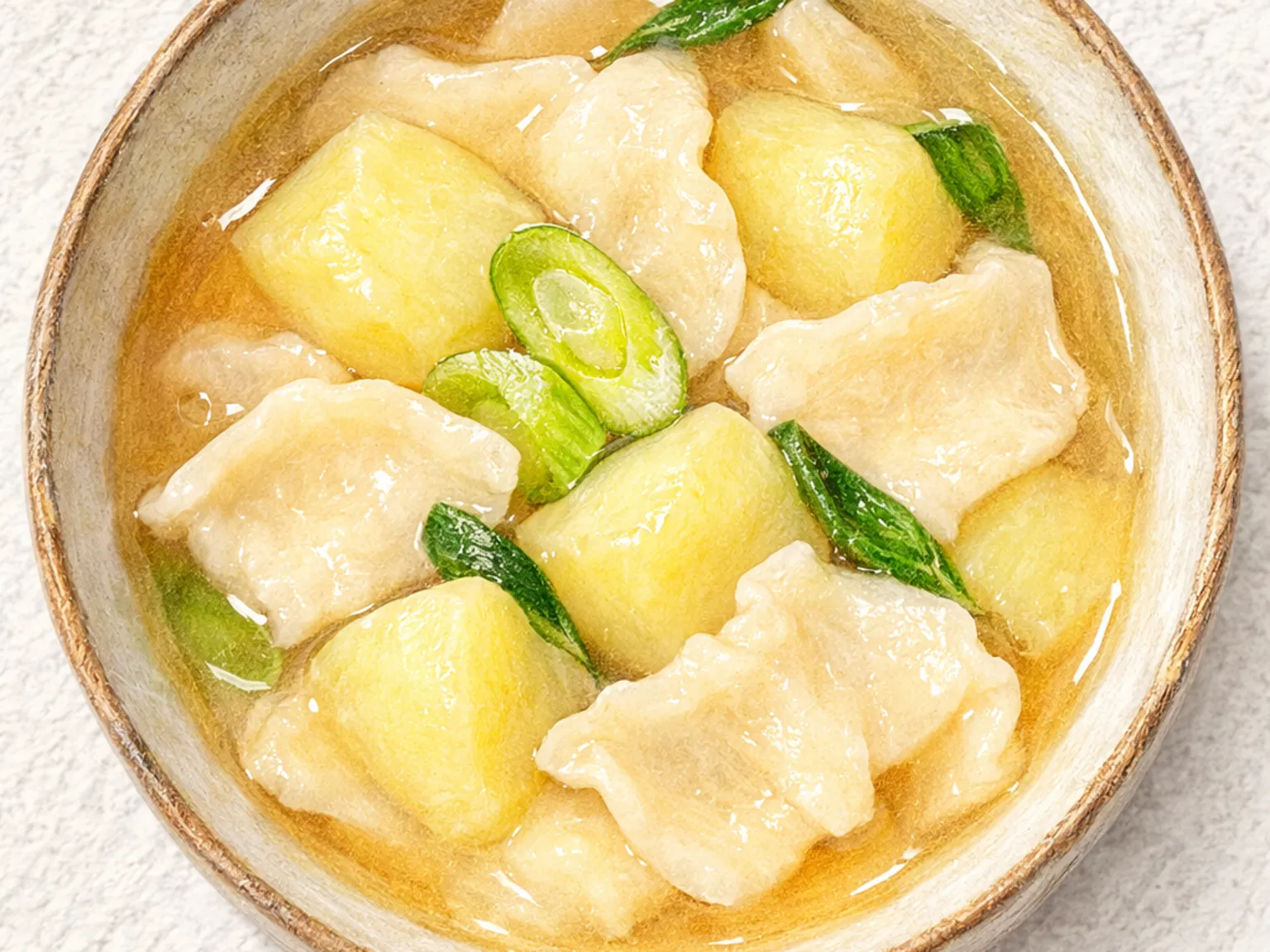
Gamja sujebi-guk is a Korean hand-torn dough soup in which pieces of wheat dough are pinched off and dropped into a simmering anchovy and kelp broth alongside potato and zucchini. The dough must be kneaded until it reaches the soft, elastic consistency of an earlobe - mixing to that point develops enough gluten to make the dough extensible and pliable, so that when pinched off it stretches thin rather than tearing in thick clumps. Resting the dough in the refrigerator for at least thirty minutes relaxes the gluten and makes it even more cooperative during tearing. When the dough is pulled apart, the technique matters: pressing the edges thin between the thumbs before tearing creates an irregular piece that is thick in the center and thin at the edges, so a single piece offers both the chewy resistance of the thick core and the delicate, almost noodle-like texture of the thin perimeter in the same bite. As the potatoes cook through and begin to soften, they release starch directly into the broth, building a naturally thickened, slightly viscous body without any roux or added thickener. Zucchini contributes mild sweetness and a soft texture that contrasts with the dense dough pieces. Soup soy sauce provides seasoning while keeping the broth's color clear and pale. Sliced green onion and cheongyang chili stirred in toward the end add depth and a gentle heat. A shower of roasted seaweed flakes on top finishes the bowl with a nutty, oceanic note.

Prep 20min Cook 25min 4 servings

Adjust Servings

2servings
servings

Instructions

  1. 1

    Mix flour and water, knead for 5 minutes, then rest covered for 15 minutes.

  2. 2

    Slice potato thinly and julienne zucchini and onion.

  3. 3

    Bring stock to a boil, add potato and onion, and cook for 6 minutes.

  4. 4

    Tear in small thin dough pieces while stirring so they do not stick together.

  5. 5

    Add zucchini and garlic, then cook 5 more minutes until dough is fully cooked.

  6. 6

    Season with soup soy sauce and salt, then top with seaweed flakes.

🛒Shop Ingredients on Amazon

As an Amazon Associate, we may earn from qualifying purchases.

Tips

If dough is too wet, add flour 1 tablespoon at a time.
Thinner dough pieces cook faster and have better texture.

Nutrition (per serving)

Calories
320
kcal
Protein
9
g
Carbs
62
g
Fat
4
g

Goes Well With

Korean Spinach Soybean Paste Porridge
RiceEasy

Korean Spinach Soybean Paste Porridge

Sigeumchi doenjang-juk is a Korean porridge built on the deep, fermented savoriness of doenjang and the clean, mild green flavor of finely chopped spinach. Soaked rice is toasted in sesame oil first, which coats each grain with a nutty warmth before anchovy stock is poured in. Doenjang and minced garlic are stirred in early in the cooking process, giving the porridge time to develop a rich, rounded base flavor as the grains slowly break down into a thick, spoonable consistency. Spinach goes in at the very end and stays in the heat for no longer than thirty seconds, which is exactly enough time for the leaves to wilt while keeping their bright color and delicate grassy aroma intact. The fermented paste wraps around the slight bitterness naturally present in raw spinach, smoothing it out so the finished bowl tastes clean rather than sharp. This is a porridge that works as a restorative meal when the body needs something gentle, and it doubles just as well as a light, warming breakfast that does not demand much from the stomach in the morning.

🥗 Light & Healthy🏠 Everyday
Prep 12minCook 20min2 servings
Crispy Mushroom Tangsu (Sweet & Sour)
Side dishesMedium

Crispy Mushroom Tangsu (Sweet & Sour)

Double-fried oyster mushrooms with the same two-stage frying technique used for Korean tangsu pork. Oyster mushrooms fully dried of moisture are coated in a potato starch and flour batter, fried at 170°C, rested to release steam, then returned to 180°C for a second fry that locks in a crisp exterior while keeping the interior chewy. A sweet-sour sauce of soy sauce, vinegar, and sugar is simmered with onion, bell pepper, and carrot, then thickened with a starch slurry. Pouring the sauce over the mushrooms in advance softens the crust quickly, so serving the sauce separately and ladling it on at the table preserves the crunch. The technique produces a texture comparable to the pork version without any meat.

🏠 Everyday🎉 Special Occasion
Prep 20minCook 18min4 servings
Korean Scallion Kimchi (Whole Stalk Anchovy Shrimp Paste)
KimchiMedium

Korean Scallion Kimchi (Whole Stalk Anchovy Shrimp Paste)

Jjokpa kimchi is a traditional Korean scallion kimchi made by briefly brining whole scallions in coarse salt, then coating them from root to tip with a seasoning paste of anchovy fish sauce, fermented shrimp, gochugaru, and sweet rice flour paste. Using both anchovy fish sauce and salted shrimp together is intentional: the two condiments each carry a different profile of seafood umami, and combining them produces a more complex, layered depth than either alone could achieve. The sweet rice flour paste acts as a binder, adhering the seasoning evenly to the surface of each scallion and keeping it in place as moisture releases during fermentation. Without this paste, the pickling liquid would dilute the coating and the flavor would fade over time. The white bulb sections of the scallion hold their crunch through the brining and fermentation process while absorbing the spice of the gochugaru, and the green tops wilt to a silky texture that releases the scallion's characteristic sweet, pungent aroma. After six hours at room temperature followed by a day of refrigeration, the seasoning has fully penetrated the scallion and the kimchi is ready to eat alongside grilled pork belly or bossam. After three or more days of fermentation, a gentle lactic acidity develops that makes the kimchi equally useful as an ingredient in stews or stir-fries.

🏠 Everyday🍱 Lunchbox
Prep 25min4 servings
Korean Shiitake Tofu Pancake
PancakesEasy

Korean Shiitake Tofu Pancake

Shiitake-tofu jeon is a savory Korean pancake made by finely chopping fresh shiitake mushrooms and firm tofu, then mixing them into a batter of pancake mix, egg, and a touch of sesame oil before pan-frying. The shiitakes contribute a meaty chew and pronounced umami depth, while the tofu lightens the texture and keeps the interior moist. Carrot and chives are added for color contrast and a fresh, slightly pungent bite. The egg binds everything together, and the sesame oil in the batter gives a nutty fragrance. Cooked uncovered over medium-low heat until both sides are golden, the exterior crisps up while the inside stays tender. When using dried shiitakes, soaking them in water first is worthwhile because the soaking liquid can be reserved for use in soups or braising liquid. Served with a dipping sauce of soy sauce and vinegar, the salty acidity sharpens the overall savory flavor.

🏠 Everyday🍺 Bar Snacks
Prep 20minCook 14min2 servings

More Recipes

Korean Knife-Cut Noodles and Dough Flake Soup
NoodlesMedium

Korean Knife-Cut Noodles and Dough Flake Soup

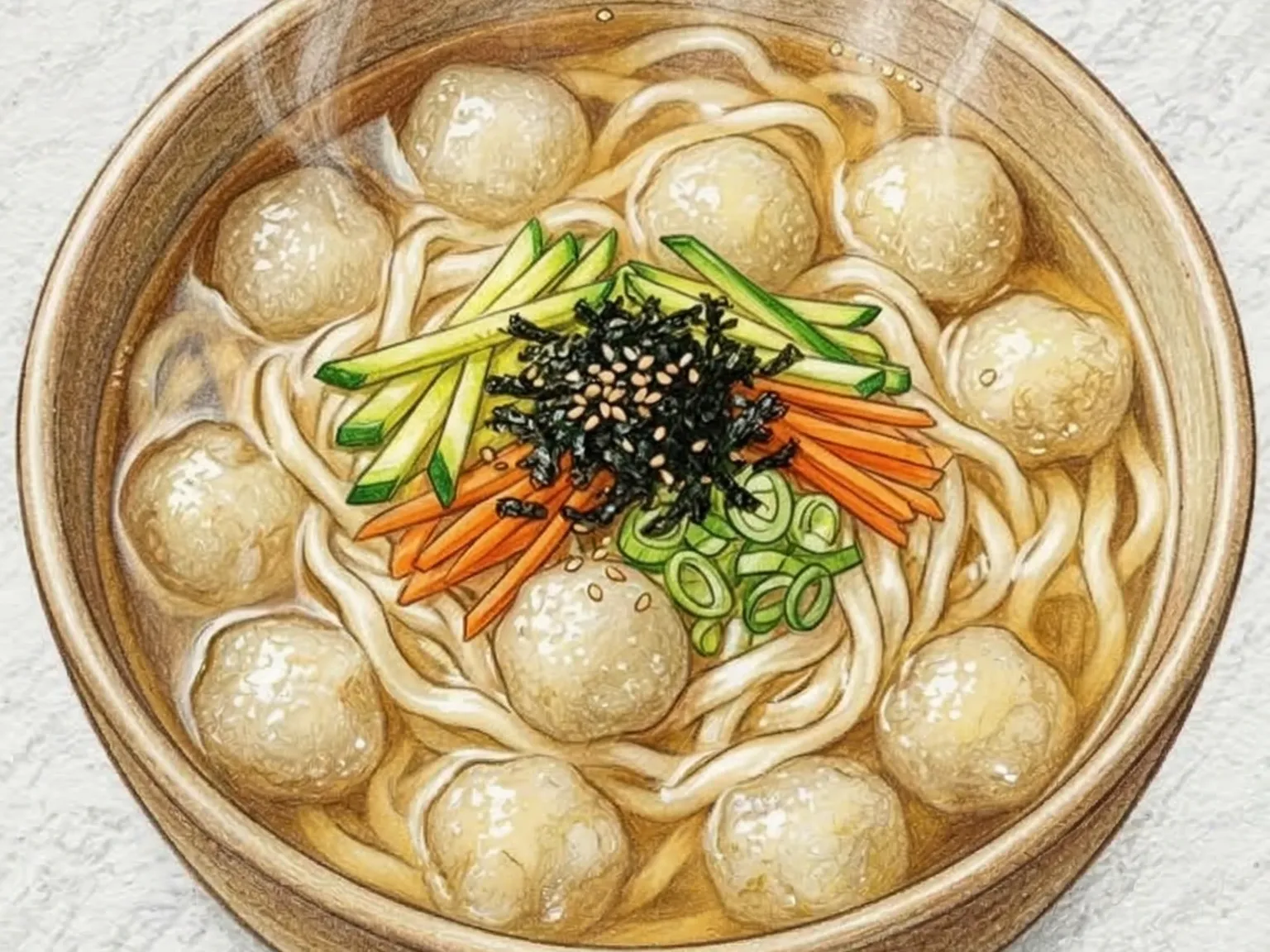
Kaljebi is a Korean home-style soup that cooks knife-cut noodles and hand-torn dough flakes together in a single pot of anchovy-kelp broth. Sliced potato goes in first, releasing starch that thickens the broth to a gentle, savory body without any additive. The dough flakes are pinched thin and dropped in well ahead of the knife-cut noodles - because they need more time to cook through - so both elements finish together. Every spoonful holds two distinct textures: the broad, pillowy sheets of sujebi alongside the chewy strands of kalguksu. Zucchini and green onion round out the flavor, and a light hand with soup soy sauce keeps the bowl clear and clean-tasting rather than heavy. This is weekday cooking at its most practical, requiring only a handful of pantry staples.

🏠 Everyday
Prep 20minCook 25min2 servings
Korean Napa Cabbage Doenjang Soup
SoupsEasy

Korean Napa Cabbage Doenjang Soup

Baechu doenjang guk is a foundational Korean soup built on anchovy-kelp stock seasoned with fermented soybean paste and napa cabbage. Straining the doenjang through a fine sieve as it dissolves into the hot stock keeps the broth visually clear while extracting the full depth of its fermented, earthy flavor. The cabbage stalks go into the pot first and simmer for five minutes alone, drawing out their inherent sweetness before the leaf sections and cubed tofu are added. A small spoonful of gochujang introduced at this point gives the broth a gentle heat and a reddish cast that adds both visual contrast and flavor complexity beyond doenjang alone. Sliced cheongyang chili and scallion are stirred in during the final two minutes, contributing sharpness and aroma without turning limp. Doenjang saltiness varies significantly between brands and aged batches, so starting with a conservative amount and adjusting by taste prevents over-salting. As the cabbage softens fully, its natural sweetness seeps gradually into the broth, where it finds a natural balance with the deep fermented character of the paste. It is among the most accessible soups in Korean home cooking, requiring only the most common pantry and refrigerator ingredients.

🏠 Everyday
Prep 12minCook 20min4 servings
Korean Chicken Radish Soup
SoupsMedium

Korean Chicken Radish Soup

Dak mu-guk is a Korean chicken and radish soup that produces a clear, deeply flavored broth from two simple main ingredients. Chicken thigh meat, cut into bite-sized pieces, is blanched for one minute in boiling water before the main simmer - this step removes impurities and blood, which is the most reliable way to achieve a transparent broth rather than a cloudy one. Onion and ginger then build the aromatic backbone over twenty minutes of gentle, low heat, allowing the chicken's natural depth to develop without aggressive boiling. The radish is cut into thin, flat squares rather than thick slabs; this shape turns translucent within ten minutes and releases its clean sweetness into the liquid quickly and evenly. Soup soy sauce and salt season the broth, and diagonally sliced green onion goes in just before the heat is turned off to preserve its color and mild bite. The result balances the richness of chicken stock against the cool, vegetal sweetness of radish in a soup that is light enough to eat when recovering from illness yet satisfying as an everyday meal.

🏠 Everyday
Prep 20minCook 35min4 servings
Korean Ginger Chicken Gomtang
SoupsMedium

Korean Ginger Chicken Gomtang

This ginger chicken gomtang is a clear, restorative Korean soup made by simmering a whole chicken low and slow with fresh ginger, onion, garlic, and green onion until the broth turns golden and develops a quietly complex flavor. Unlike beef-bone soups, which derive their richness from marrow and connective tissue, chicken gomtang achieves its depth through the prolonged extraction of collagen and gelatin from the bones and skin, resulting in a broth that coats the palate softly without feeling heavy. The ginger is added early so its sharp, warming oils can fully disperse through the liquid, while sliced onion gradually sweetens the broth as it cooks down. Once the broth is strained, it is remarkably clean-tasting despite its depth: a quality that Korean cooks describe as siwonhada, a coolness and clarity that settles the stomach while nourishing the body. The chicken is pulled from the bones and shredded along the grain into generous pieces before being returned to the bowl. Seasoning is kept minimal, a small pour of soup soy sauce, a pinch of salt, and a very generous amount of freshly cracked black pepper, whose heat amplifies the ginger and warms the whole dish. Korean households reach for this soup when someone is ill or recovering from fatigue, but it is equally at home as a restorative weekday dinner or a refined first course when served in small portions before a larger meal.

🏠 Everyday
Prep 20minCook 70min4 servings
Naju Gomtang (Naju Clear Brisket Beef Soup)
SoupsMedium

Naju Gomtang (Naju Clear Brisket Beef Soup)

Naju-gomtang is a traditional beef soup from Naju in Korea's South Jeolla Province, distinguished by its clear broth and its reliance entirely on lean cuts rather than bones or offal. While Seoul-style gomtang often includes bone marrow and internal organs for a richer, cloudier result, Naju gomtang uses only brisket and shank, producing a broth that looks light but carries a deep, clean beef flavor. The entire technique depends on low, patient heat. A hard boil clouds the liquid, so the pot must stay at a gentle simmer for at least two hours, with foam skimmed off as it rises. This extended cooking draws collagen from the connective tissue into the broth, giving it a coating quality that lingers on the palate despite the clear appearance. The meat is lifted out, shredded along the grain or sliced thin, then returned to the strained broth. Seasoning is intentionally minimal, just soup soy sauce and salt, because the point is to let the flavor of long-simmered beef stand on its own. Sliced green onion and white pepper are added at the table just before eating, the traditional finishing touch.

🏠 Everyday
Prep 20minCook 140min4 servings
Korean Clam Sujebi Stew (Hand-Torn Dough in Clam Broth)
StewsMedium

Korean Clam Sujebi Stew (Hand-Torn Dough in Clam Broth)

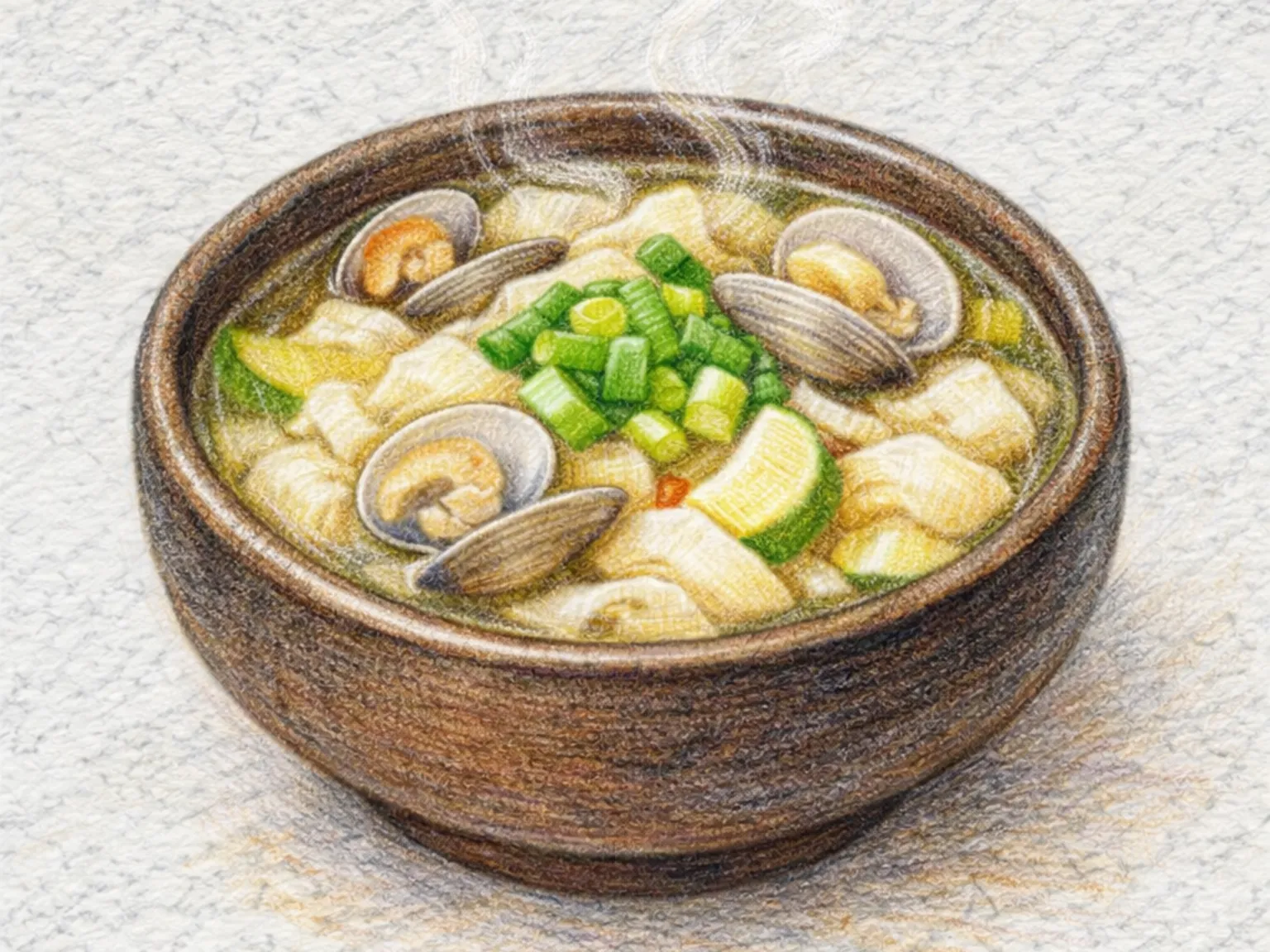
This stew combines hand-torn flour dumplings with clams, potato, and zucchini simmered in an anchovy-kelp stock. Adding clams to the base broth builds a clean, briny depth that anchovy stock alone cannot achieve. The dough is torn directly into the pot in uneven, thick pieces that cook into chewy, irregular shapes, each one slightly different in texture depending on thickness. As the potato softens it partially dissolves into the broth, thickening the liquid naturally without any starch addition. Zucchini and onion release gentle sweetness that rounds out the savory base. Soup soy sauce keeps the broth clear and properly seasoned, and sliced green onion finishes the bowl with fresh aroma. Because the sujebi itself serves as the starch, this one-bowl dish covers both soup and carbohydrate in a single serving, making it a satisfying, complete meal on its own.

🏠 Everyday
Prep 25minCook 20min4 servings
More Soups →