Korean Salted Mackerel Grill
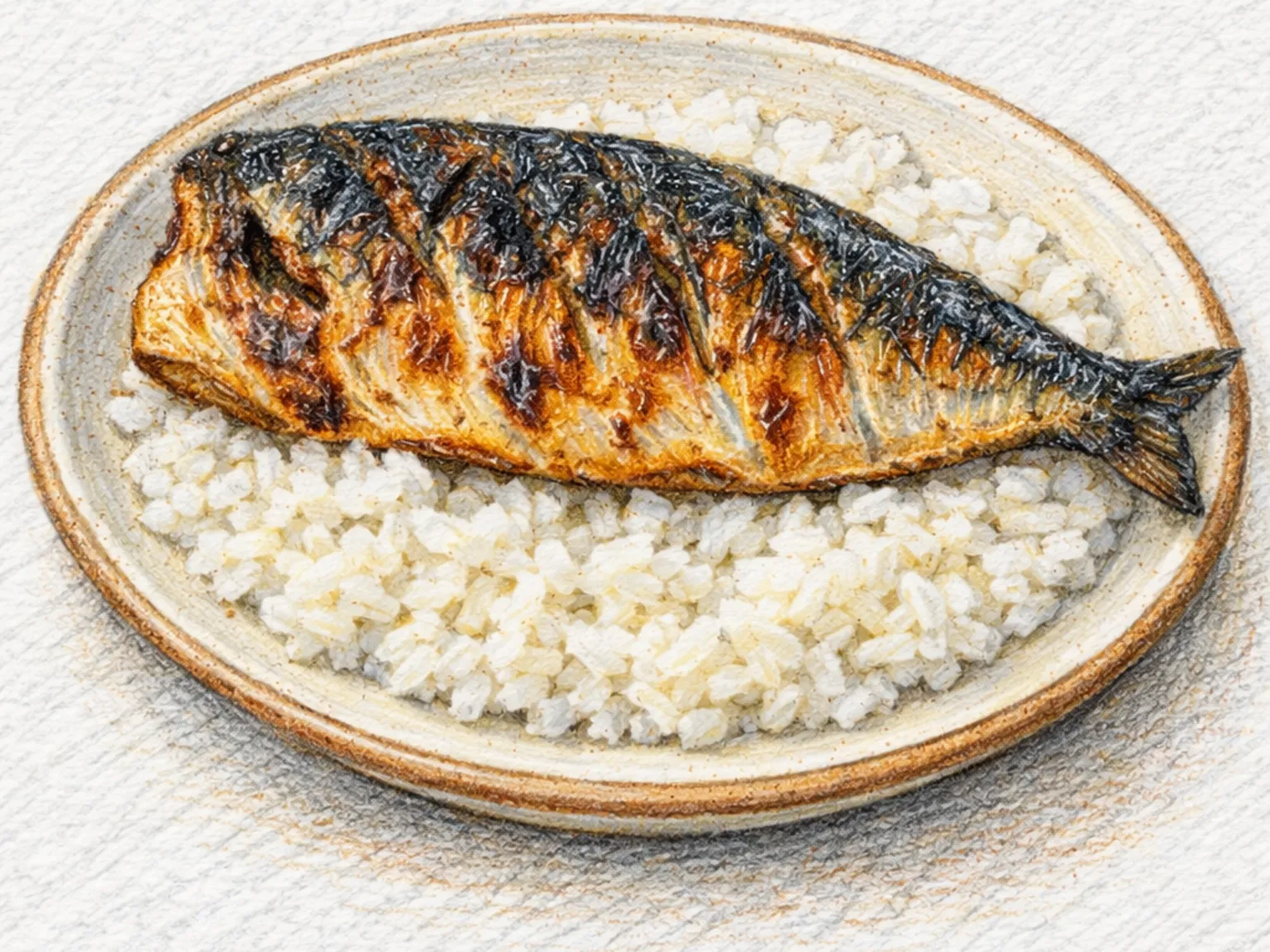
Gan-godeungeo-gui is grilled pre-salted mackerel, one of the most common side dishes on a Korean home table. The mackerel comes already salt-cured from the market, so it needs no additional seasoning and goes straight onto the heat-the salt has drawn out moisture and firmed the flesh, making it easier to handle and less likely to crumble than fresh mackerel. Starting skin-side down over medium heat for seven minutes renders the fat and turns the skin paper-crisp, then flipping for just four more minutes cooks the flesh through without overdrying. A wedge of lemon and a pile of shredded daikon served alongside add brightness and a palate-cleansing sharpness to the oily fish.
Adjust Servings
Instructions
- 1
Rinse salted mackerel under running water and pat dry.
- 2
Heat oil in pan, grill skin-side down over medium heat.
- 3
Flip when skin is crispy and cook through.
As an Amazon Associate, we may earn from qualifying purchases.
Tips
Nutrition (per serving)
More Recipes

Korean Grilled Octopus
Nakji-gui is a Korean grilled small octopus dish where the octopus is rubbed with salt, rinsed clean, then coated in a marinade of gochujang, soy sauce, sesame oil, minced garlic, and corn syrup before hitting a hot grill grate or pan. Small octopus has finer muscle fibers than its larger relatives, making it springy and bouncy when cooked fast over high heat but rubbery when overcooked. The gochujang marinade and corn syrup caramelize rapidly on the hot surface, forming a red, glossy shell around each tentacle. Grilling over an open flame adds an extra smoky dimension, while pan-cooking requires thorough drying of the octopus to avoid steaming instead of searing.

Korean Grilled Atka Mackerel
Atka mackerel is seasoned with salt and pepper, wiped with diluted vinegar to tame fishiness, then pan-grilled until golden on both sides. The naturally high fat content renders during cooking, basting the flesh from within and producing a rich flavor without any added sauce. Thicker portions benefit from a brief lid-covered steam, and lemon wedges on the side provide a bright contrast.

Korean Mentaiko Butter Grilled Cod Roe
Myeongnan-butter-gui is a Korean pan-grilled mentaiko dish where whole salted pollock roe sacs are gently cooked in melted butter over low heat. The roe membrane is thin and packed with thousands of tiny eggs that burst if heated too aggressively, so patience with low temperature is essential. As the butter melts around the roe, it forms a golden, fatty coating that melds with the roe's inherent saltiness to create an intensely savory flavor without any additional seasoning. Each side is cooked until lightly browned-the interior warms through while the membrane just firms up enough to hold its shape. A scattering of chopped parsley at the end adds a fresh, herbal counterpoint to the rich, salty butter.

Korean Spicy Marinated Mackerel Grill
Godeungeo yangnyeom-gui is a Korean spicy marinated mackerel where fish pieces are coated in a paste of gochujang, soy sauce, sugar, garlic, ginger juice, and sesame oil, rested for thirty minutes, then grilled over medium heat with careful turning. The mackerel's own fat melts during cooking and accelerates the caramelization of the marinade, forming a glossy, deep-red crust on the skin. Ginger juice plays a dual role-it neutralizes the fish's raw smell and introduces a subtle freshness beneath the fermented kick of the gochujang. Because the high fat content causes flare-ups easily, maintaining steady medium heat and turning patiently is essential to achieve a charred glaze without burning.

Korean Radish and Salted Shrimp Stew
This understated jjigae simmers julienned radish with salted shrimp (saeujeot) and red pepper flakes, drawing a surprising depth of flavor from minimal ingredients. The fermented shrimp paste infuses the radish with concentrated umami, while gochugaru adds color and heat. Tofu, green onion, and garlic round out the pot. Despite its simplicity, the fermented kick from the saeujeot makes the broth remarkably full-bodied.

Gamjaguk (Potato Doenjang Anchovy Soup)
Gamjaguk is about as elemental as Korean soup gets - potatoes simmered in anchovy stock and seasoned with either doenjang or plain salt. When doenjang is used, the broth picks up a deep fermented savoriness that wraps around the mild potato flavor. When salt alone seasons the pot, the potato's own gentle sweetness becomes the star. Either way, the potatoes soften until their edges begin to dissolve, releasing starch that gives the broth a silky quality. Garlic and green onion provide the aromatic backbone, and a handful of zucchini can stretch the bowl into something more colorful. The beauty of gamjaguk lies in its accessibility - it can be assembled from a nearly empty refrigerator in fifteen minutes and still taste like home. It is one of those soups Korean families eat so often that it barely registers as a recipe, yet it remains one of the most requested comfort foods.