Korean Thick Soybean Paste Stew
Quick answer
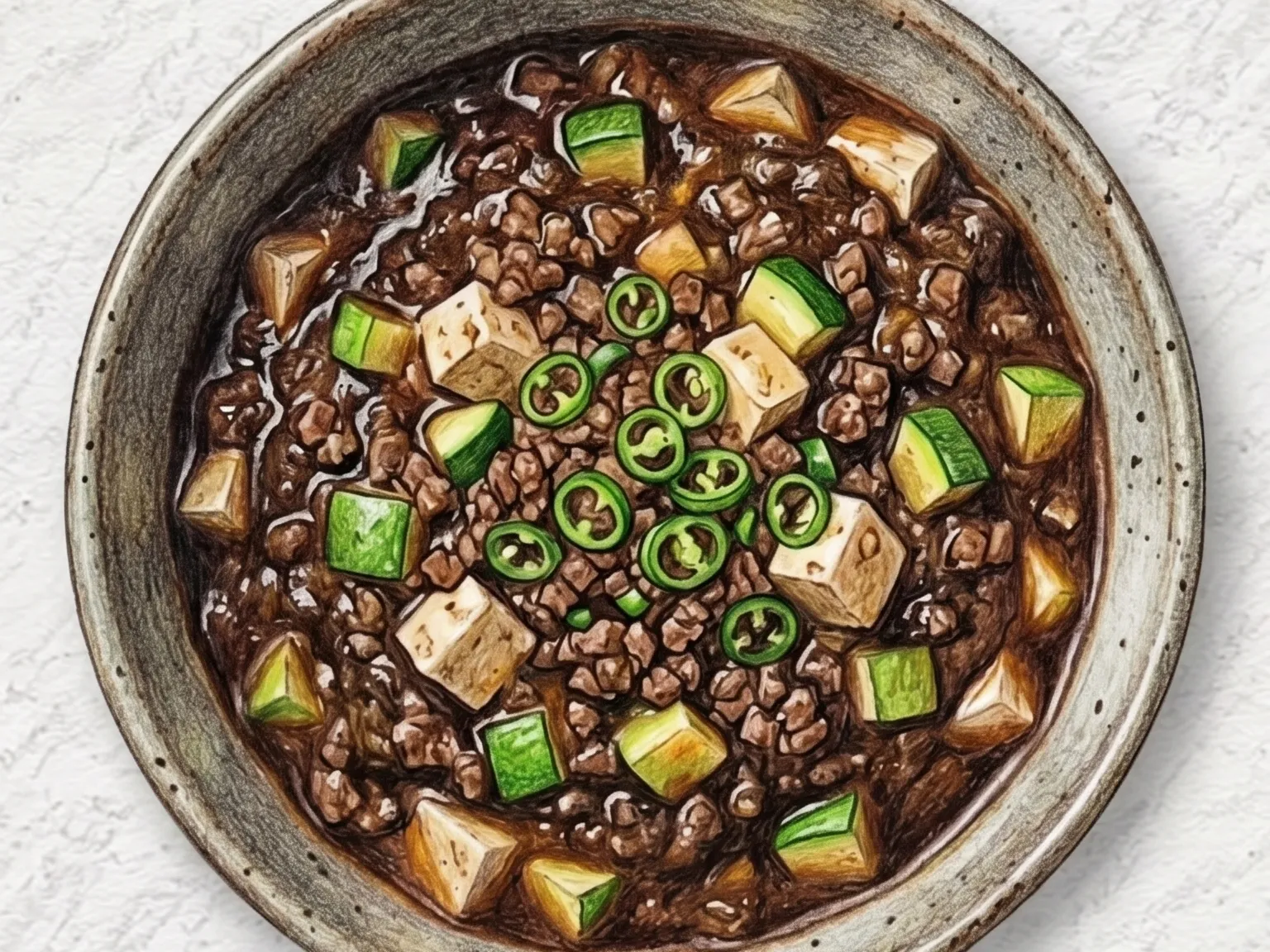
Gangdoenjang jjigae is a concentrated Korean soybean paste stew that combines doenjang with a measure of gochujang, pushing the base into a richer, sharper register than...
What makes this special
- Gangdoenjang jjigae intensifies fermented flavors by mixing doenjang and gochujang with minced beef for a thick, concentrated stew ideal for lettuce wraps.
- Doenjang and gochujang together stack two fermented flavors
- Ground beef deepens the savory base of the soybean paste
Key ingredients
Core cooking flow
- 1 Cut 120g zucchini, 80g onion, and 180g firm tofu into 1cm cubes.
- 2 Set a pot over low heat and add 120g ground beef without extra oil.
- 3 Add about 80 percent of the 2 tbsp doenjang, reserving the rest for adjustment, plus 0.5 tbsp gochujang.
Gangdoenjang jjigae is a concentrated Korean soybean paste stew that combines doenjang with a measure of gochujang, pushing the base into a richer, sharper register than standard doenjang jjigae. Ground beef stirred into the paste mixture amplifies the savory depth from the start, while cubed firm tofu and zucchini slices provide soft, yielding textures that absorb the bold seasoning. The anchovy-kelp stock beneath the paste keeps the overall flavor clean and well-defined rather than muddy. A single Cheongyang chili, added whole or sliced, threads a steady, moderate heat through the broth without dominating it. Because the stew is intentionally thicker and more intensely flavored than most Korean soups, it pairs naturally with ssam-bap: wrapped in lettuce leaves with rice, it functions as both dipping sauce and main component in one.
Instructions
Read the steps as a cooking flow: prep, heat, seasoning, doneness control, and finish.
- 1Prep
Cut 120g zucchini, 80g onion, and 180g firm tofu into 1cm cubes.
Slice 1 Cheongyang chili into thin rounds with the seeds kept in, so the heat spreads steadily through the thick stew.
- 2Control
Set a pot over low heat and add 120g ground beef without extra oil.
Stir for about 3 minutes, breaking up clumps, until the red color disappears and enough beef fat coats the bottom.
- 3Control
Add about 80 percent of the 2 tbsp doenjang, reserving the rest for adjustment, plus 0.5 tbsp gochujang.
Stir over low heat for 30 seconds so the pastes bloom in the beef fat without sticking or scorching.
- 4Heat
Pour in 450ml anchovy-kelp stock gradually while stirring to loosen the thick paste.
Raise the heat to high, bring it to a boil, and skim off foam from the surface for a cleaner-tasting broth.
- 5Control
Add the zucchini and onion, then reduce to medium heat.
Simmer for 7 to 8 minutes, stirring occasionally, until the zucchini edges look slightly translucent and the onion softens without collapsing.
- 6Finish
Add the tofu and Cheongyang chili, then simmer for 4 more minutes.
Keep the pot uncovered for the final minute, check that the stew is thick enough for rice or lettuce wraps, and adjust with the reserved doenjang before turning off the heat.
After the steps
Pick a recipe that fits this dish.
Continue with shared ingredients, meal pairings, or a similar method.
Recipes That Go Well With This
More Stews →Based on shared ingredients and meal pairing
Korean Brisket Soybean Paste Stew
Thinly sliced brisket is added to the classic soybean paste stew base of rice-rinsing water and doenjang, cooked together with potato, zucchini, tofu, and cheongyang chili. The marbled fat in the brisket renders into the broth as it cooks, building a richer and more savory base than the standard vegetable-only version. The cheongyang chili delivers a sharp heat that makes this stew especially good with a bowl of rice. Adding the brisket slices after the vegetables have softened partially prevents the meat from overcooking and turning tough during the remaining simmer time.
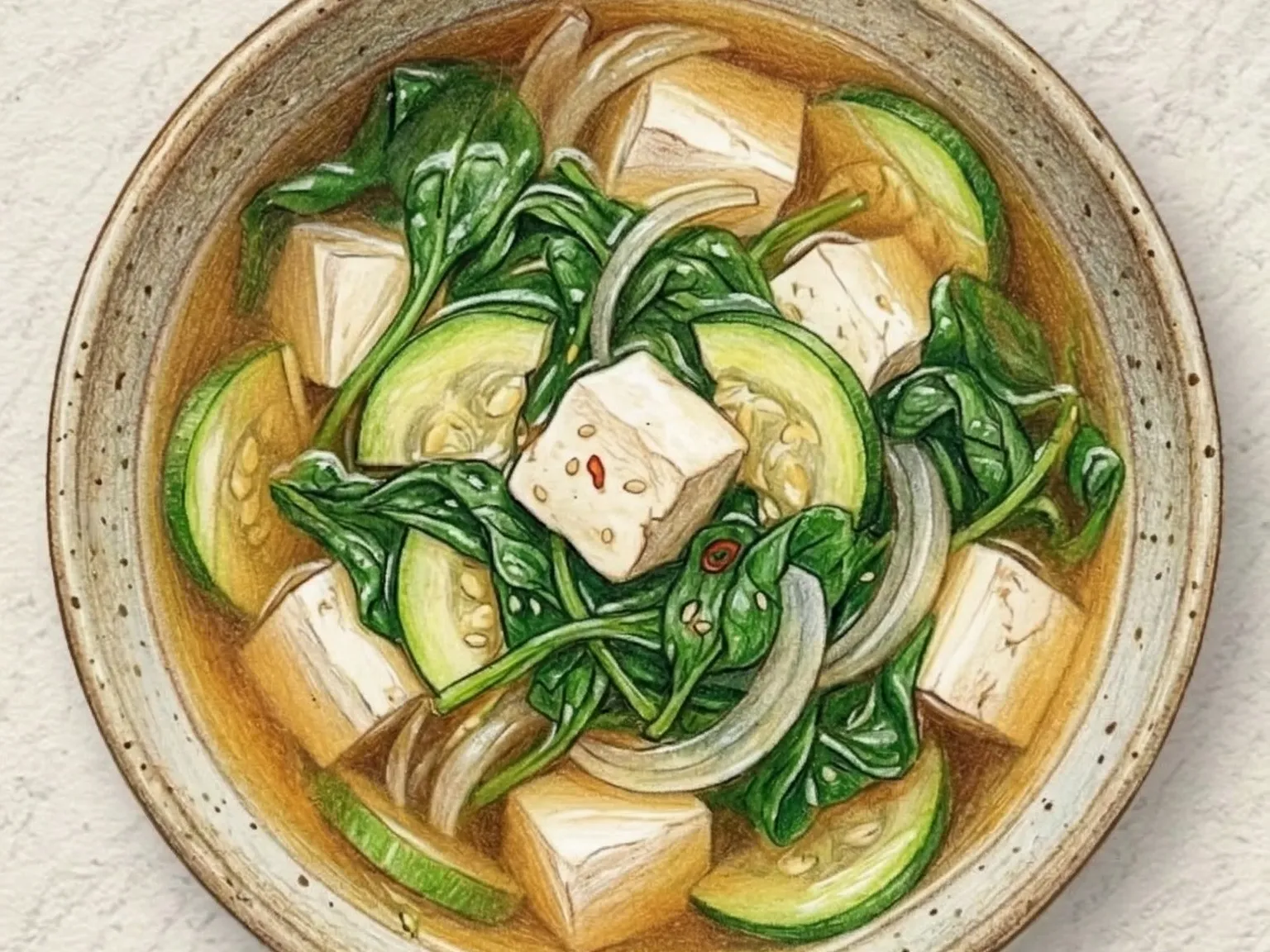
Korean Soybean Paste Stew
Doenjang-jjigae is a standard Korean stew made by dissolving fermented soybean paste in water and simmering it with vegetables and tofu. To ensure a smooth broth without grits, the paste is strained through a fine sieve into the water. Harder vegetables like potatoes and onions are added first to soften and release their natural sweetness into the broth. Zucchini and minced garlic follow, balancing the soup's richness. In the final stage, tofu and chopped green chili are added, providing a clean kick that cuts through the deep, earthy taste of the fermented soybean paste. Simmering green onions at the very end adds a fresh aroma. The savory stew pairs naturally with steamed rice and various side dishes.
Korean Dakgalbi Fried Rice
Dakgalbi bokkeumbap is a fried rice made by stir-frying gochujang-marinated boneless chicken thigh with cabbage and onion over high heat, then adding day-old rice to the pan and frying until every grain absorbs the sweet-spicy marinade. The dish originated from the Chuncheon tradition of finishing a dakgalbi meal by stir-frying the leftover sauce and scraps with rice, effectively turning what remains in the pan into a second course. Day-old rice is essential: fresh rice holds too much moisture and clumps together, while refrigerated rice separates cleanly on the hot surface and makes sufficient contact with the pan to develop slightly charred bits at the bottom. These caramelized patches add a smoky crunch that contrasts with the sauced grains above and elevate the dish beyond a simple fried rice. Cabbage and perilla leaves added at the very end of cooking retain a faint crunch that cuts through the richness of the gochujang marinade. Plating the rice with a few perilla leaves laid on top and a scatter of sesame seeds over the surface finishes the dish without requiring anything further.
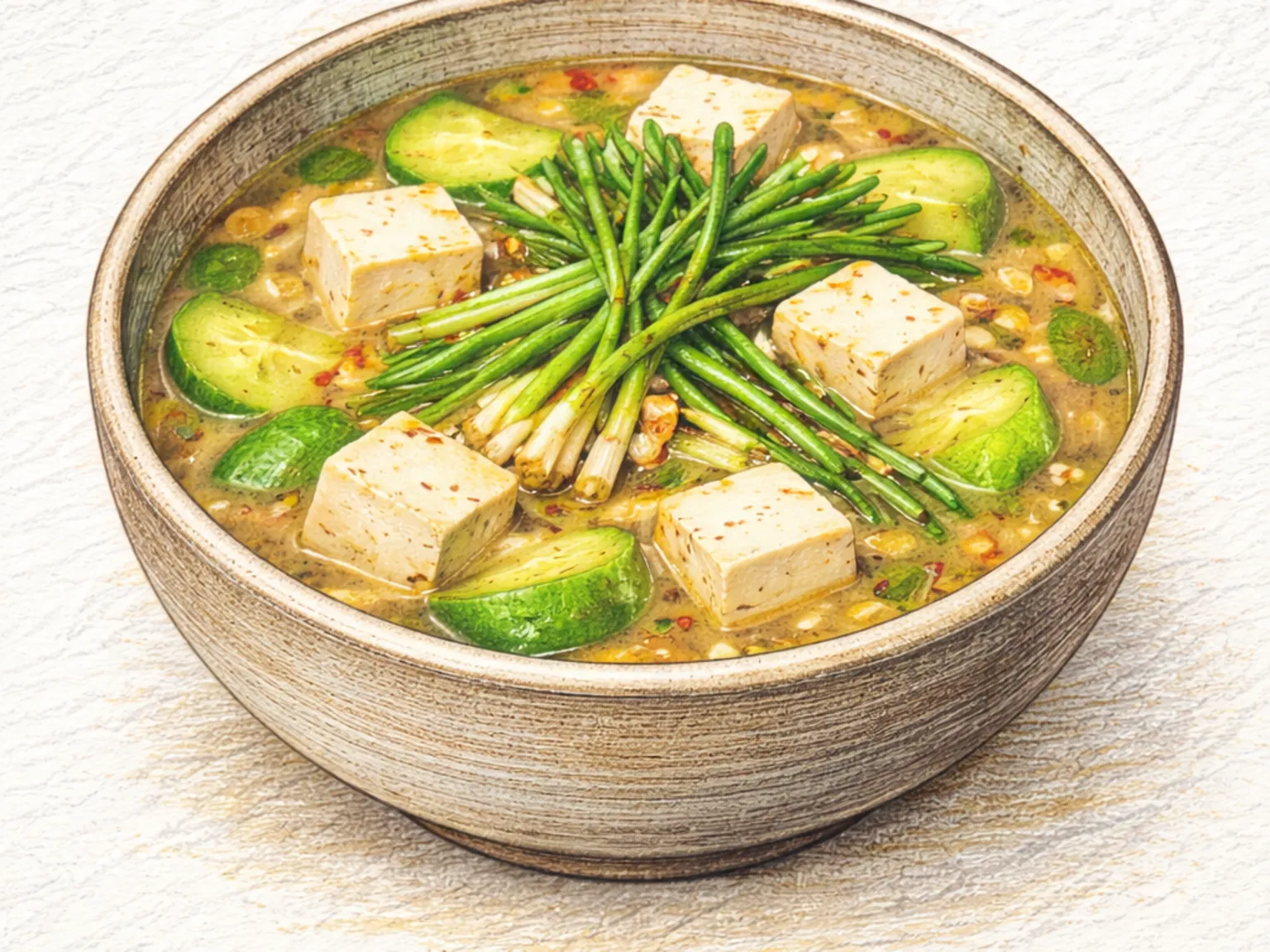
Korean Minari Doenjang Stew
This variation of doenjang jjigae adds a generous amount of water parsley (minari) to the classic soybean paste stew. Firm tofu, potato, and onion simmer in anchovy-kelp stock with doenjang, building an earthy, deeply fermented base. The minari goes in near the end to preserve its crisp texture and peppery herbaceous aroma. A half tablespoon of chili flakes rounds out the flavor with mild warmth. Minari's grassy, herb-like character layers naturally against doenjang's fermented depth, turning a familiar stew into a seasonal variation worth returning to throughout the year.
Serve with this
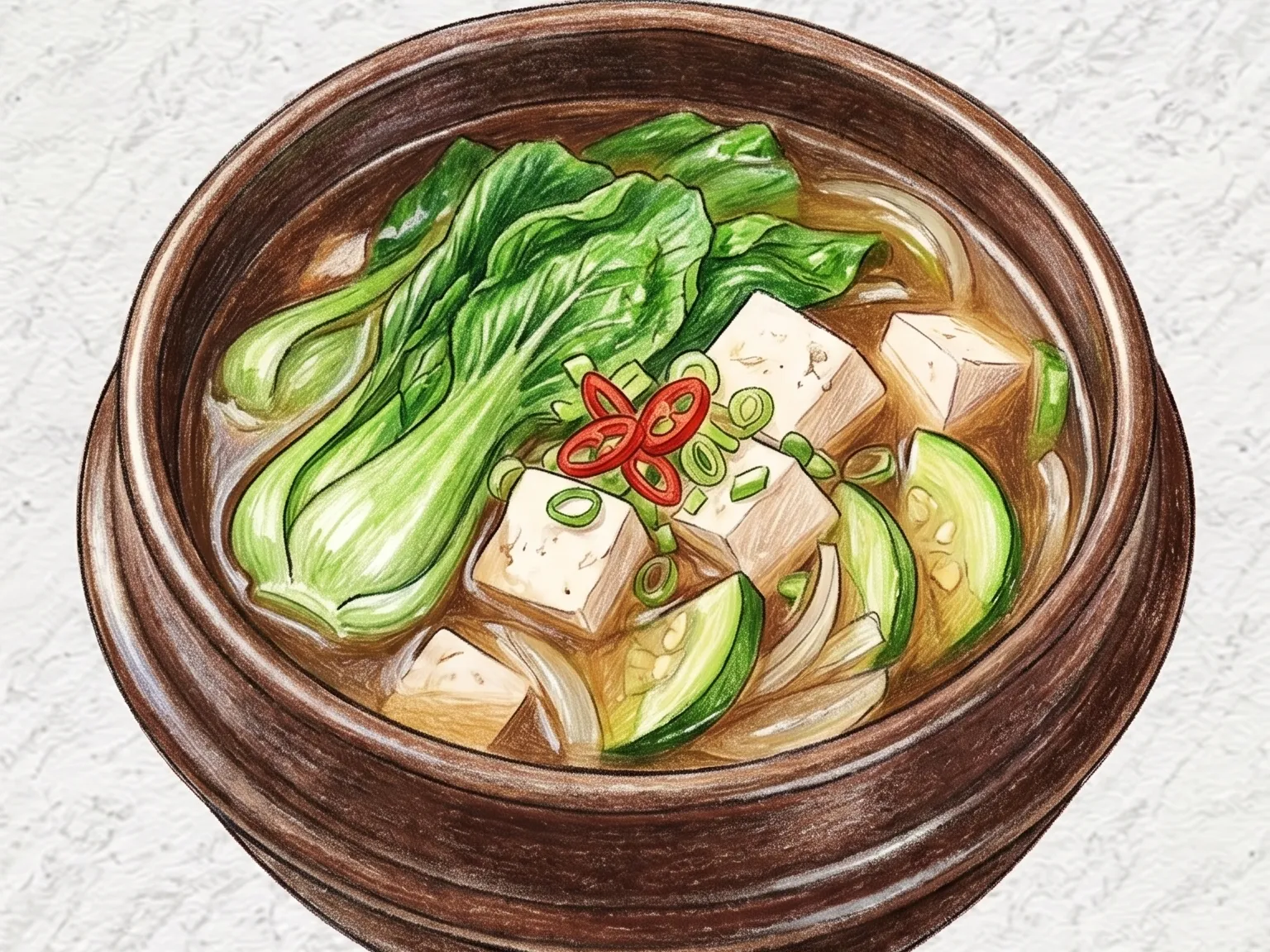
Korean Stir-Fried Bok Choy with Oyster Sauce
A Chinese-Korean banchan that became a weeknight fixture in Korean homes from the 1990s onward. The technique depends on a scorching-hot pan: oil and garlic go in first, then halved bok choy hits the surface for barely a minute. Oyster sauce and a splash of water form a quick glaze that coats each stem. Leaf edges char lightly while the white stalks stay juicy and crisp throughout. A final drizzle of sesame oil adds a toasted note. Start to finish, the cook takes under five minutes. Serving it soon after cooking keeps the intended texture clearer, while brief resting lets the sauce or broth settle into the dish.
Korean Mustard Greens Pickle
Paeju mustard pickle is a quick vinegar preserve where mustard greens are cut into roughly four-centimeter pieces, packed into jars with sliced garlic, and submerged in a hot brine of vinegar, water, sugar, salt, and lemon juice. Mustard greens hold on to their peppery, nasal bite even after pickling, layering that natural heat against the sharp acidity of the brine. Lemon juice is added only after the heat is turned off, preserving the citrus aroma that would otherwise evaporate during boiling. Thicker stems absorb the brine more slowly than the leaves, so separating them and salting the stems first gives a more uniform texture throughout. The pickles are ready after twelve hours of refrigeration, but a full day of resting allows the brine to penetrate to the center of each piece and the flavors to settle into a rounder balance. Served alongside fatty meats, their peppery acidity cleans the palate effectively; tucked into a sandwich, they stand in for mustard with more complexity.
Korean Burdock Matchstick Pancake
Burdock root, julienned into thin matchstick strips and pan-fried with onion and cheongyang chili, is a jeon with texture as its main argument. The combination of Korean pancake mix and tempura flour in the batter produces a result that is crispier than standard jeon, particularly at the edges where the thin strips of burdock protrude from the batter and catch the heat. Burdock has an earthy, faintly bitter flavor that holds up in the pan, and the onion provides sweetness alongside it. Cheongyang chili cuts through with a slow-building, lingering heat. Cold water keeps the batter loose and inhibits gluten development, so the finished jeon stays light rather than dense. Hot from the pan, the edges shatter; cooled, they turn chewy.
Similar recipes
Korean Beef Doenjang Jjigae
Soegogi doenjang jjigae is a foundational Korean home-cooked stew, made with beef brisket and fermented soybean paste as the foundation, filled out with potato, zucchini, tofu, and onion, and simmered in the starchy water left from rinsing rice. The brisket rewards long cooking by releasing its fibers and pushing a rich, distinctly beefy flavor into the broth, and the mild starch from the rice water softens that richness so it blends smoothly with the fermented depth of the doenjang. As the stew simmers, potato breaks down partially at the edges, thickening the liquid and giving it body without the need for any additional starch. Green onion and minced garlic anchor the aroma and keep the flavor from going flat. Adding the doenjang in stages and tasting between additions rather than putting it all in at once is the reliable method for hitting the right depth without oversalting. Paired with freshly cooked rice, this is a stew that fits into the daily rotation without ever feeling repetitive.
Soybean Paste Stew with Clams
Doenjang jjigae with clams is one of the most frequently made stews in Korean households, built on the combination of fermented soybean paste's deep, earthy flavor and the clean briny umami of manila clams. The clams are purged of sand before being added to a pot of doenjang-laced broth, where they open and release their salty, seawater-flavored liquor directly into the soup. The result transforms the base from something merely savory into something distinctly oceanic and complex. Zucchini softens in the bubbling broth and contributes a natural sweetness as it breaks down, while blocks of soft tofu act as sponges, soaking up the seasoned liquid and releasing it in a burst of hot, flavorful broth when bitten into. Sliced cheongyang chili peppers are added to interrupt the heaviness of the fermented paste and sharpen the overall flavor. The stew is typically served in an earthenware pot while still bubbling, alongside rice. Many Koreans ladle the broth directly over their bowl of rice. The recipe adapts to any season: assembled with leftover summer vegetables from the refrigerator for a lighter version, or cooked piping hot in a stone pot through winter.
Korean Wild Chive Soybean Paste Soup
Dallae doenjang-guk is a springtime Korean soybean paste soup that showcases wild chives, a seasonal ingredient valued for its sharp, garlicky bite and short availability window. The anchovy-kelp stock is first simmered with potato and onion to build body and sweetness, then doenjang is dissolved in and tofu added for a soft, tender contrast against the broth. Wild chives go in only during the final minute of cooking, because their pungent aroma dissipates rapidly under sustained heat; cooking them too long makes them indistinguishable from ordinary green onion in both flavor and appearance. The bulb end of each chive stalk carries a stronger bite than the leaves, so mincing the bulbs finely distributes their flavor more evenly through the broth. A half teaspoon of gochugaru tints the soup a faint red that visually matches the chive's natural heat. Because dallae is in season for only a brief window, setting a few raw stalks aside to place at the table as a garnish amplifies the fresh spring character of the dish.