Korean Gangwon-Style Loach Soup
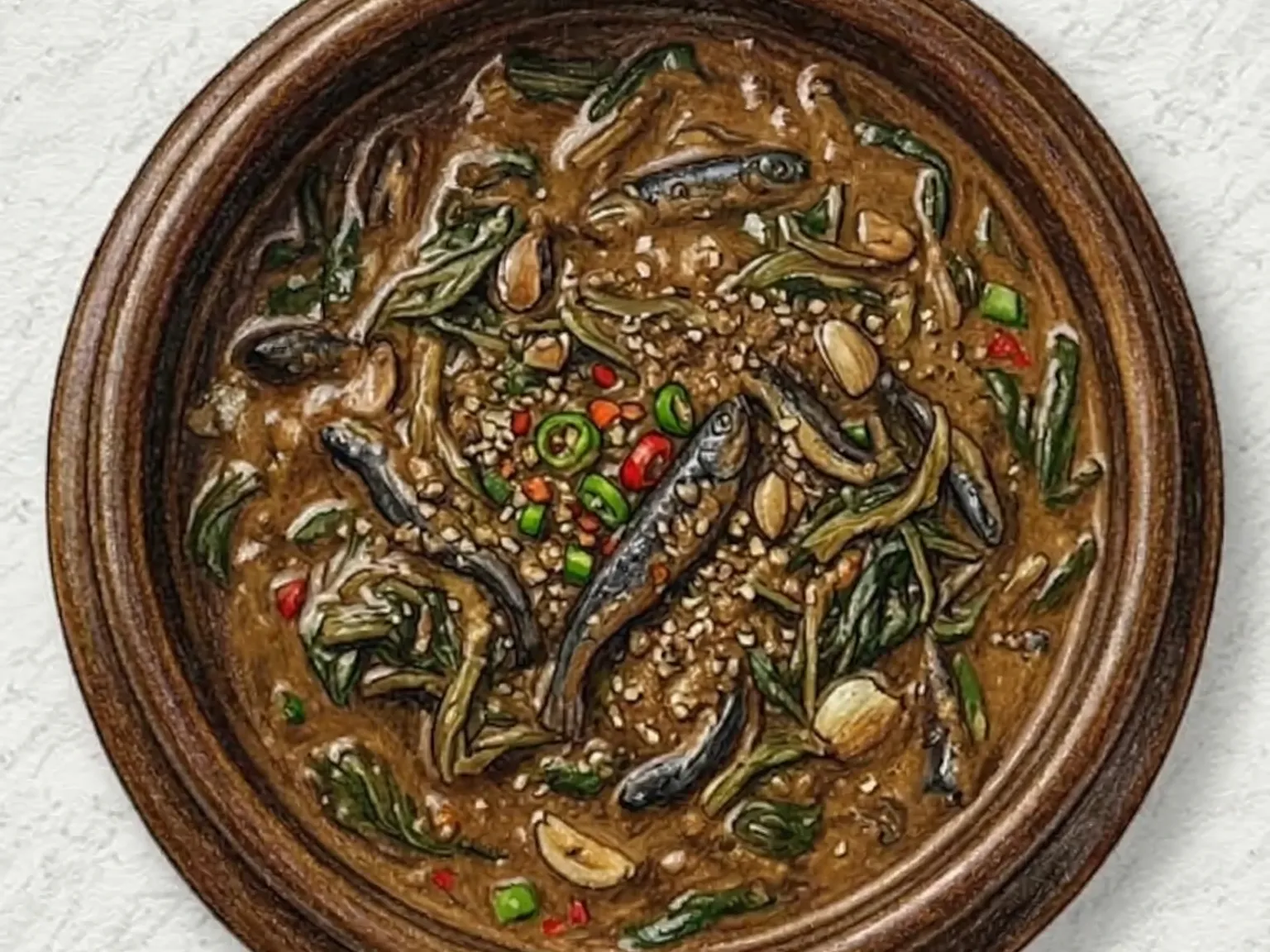
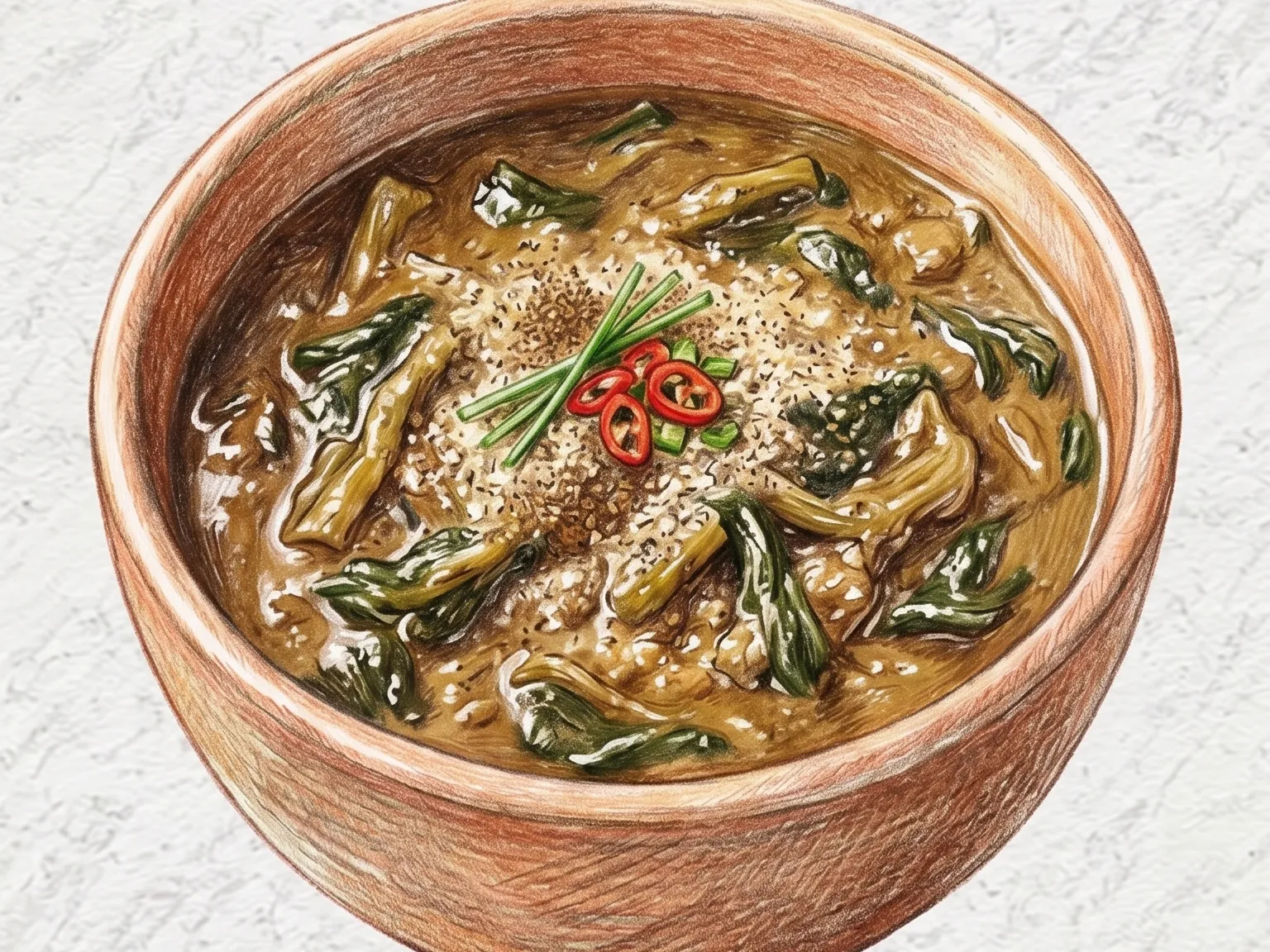
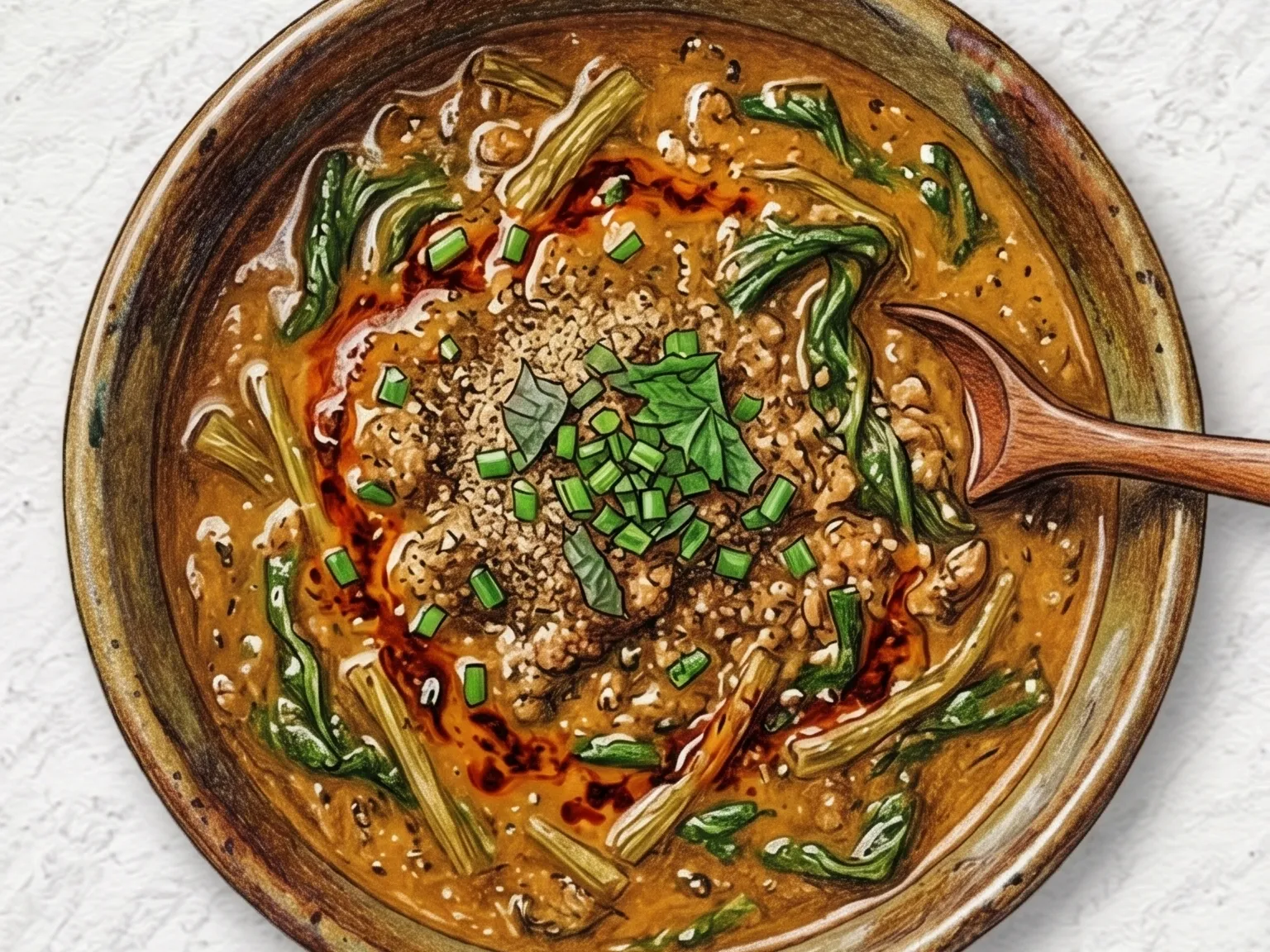
Gangwon-style chueotang is a thick, hearty loach soup in which the entire fish is boiled, blended smooth, and returned to the pot with ground perilla seeds and dried radish greens. Pulverizing the loach whole dissolves its small bones into the broth, creating a calcium-rich liquid with a distinctive earthy depth. Perilla seed powder transforms the soup into something creamy and nutty, far removed from a typical clear broth. Dried radish greens, rehydrated and chopped, provide a pleasantly chewy counterpoint to the thick liquid. Doenjang and gochugaru add fermented savoriness and gentle heat that deepen the overall flavor. The finished soup is dense and substantial - closer to a stew than a broth - and is traditionally eaten in autumn and winter as a stamina food. In the mountainous Gangwon province, chueotang holds a near-legendary status as a warming, restorative meal on the coldest days.
Adjust Servings
Instructions
- 1
Clean the loach, rub lightly with salt to remove slime, and rinse well.
- 2
Boil loach for 10 minutes, then strain, reserving both broth and fish.
- 3
Blend the cooked loach smoothly and return it to the reserved broth.
- 4
Add doenjang, chili flakes, and garlic; simmer 15 minutes.
- 5
Add pre-cooked radish greens and simmer another 15 minutes.
- 6
Stir in perilla powder and cook on low for 5 minutes to thicken.
- 7
Add green onion and chili, simmer 2 minutes, and serve hot.
As an Amazon Associate, we may earn from qualifying purchases.
Tips
Nutrition (per serving)
More Recipes

Korean Namdo-Style Loach Soup
Namdo-chueotang is the southern Korean take on loach soup, distinguished from other regional versions by grinding the entire loach - bones and all - into a thick, porridge-like broth. The loaches are first boiled until completely soft, then blended and strained to produce a dense, opaque base packed with protein and calcium. Dried radish greens simmer in this liquid, contributing a rustic, earthy backbone. Doenjang and gochujang season the soup with fermented depth and moderate heat, while a generous addition of perilla seed powder lends a nutty richness that rounds out the heavy flavors. A final dusting of sancho pepper tames any lingering fishiness and adds a tingling, aromatic kick. This is restorative cooking at its most direct - a thick, warming bowl meant to rebuild energy during the colder months.

Korean Loach Stew (Ground Loach & Perilla Seed Pot)
Chueo jjigae is a traditional Korean stew built around loach, a small freshwater fish that is ground and dissolved into the broth. Combined with dried radish greens, soybean paste, gochujang, and a generous amount of perilla seed powder, the stew develops a thick, porridge-like consistency with a deeply nutty flavor. It has long been valued as a nourishing autumn dish, and the interplay of fermented pastes with earthy greens gives it a distinctly rustic character.

Korean Loach Soup (Blended Loach and Dried Radish Greens Tonic)
Chueo-tang is a southern Korean tonic soup made by blending blanched loach into a smooth puree, straining out bones and skin, then simmering the liquid with doenjang and gochujang for depth. Dried radish greens - siraegi - are added midway and cooked for twenty-five minutes, contributing a fibrous chew that contrasts the velvety broth. Perilla seed powder stirred in near the end thickens the soup to a creamy, pale consistency and layers in a pronounced nutty fragrance. A final pinch of ground sansho pepper leaves a tingling numbness on the tongue that cleanses any lingering earthiness from the freshwater fish.

Korean Perilla Radish Soup
Deulkkae mu-guk is a Korean radish soup enriched with perilla seed powder, giving it a distinctly nutty, creamy quality that sets it apart from plain radish broth. Thinly sliced daikon radish simmers in anchovy stock for ten minutes first, releasing a clean sweetness into the liquid. When perilla powder is stirred in, it transforms the thin broth into something noticeably thicker and more substantial - unlike sesame, perilla carries a heavier, earthier fat that coats the palate. Adding the powder just before turning off the heat preserves its toasted fragrance, which fades if it simmers too long.

Korean Perilla Chicken Soup
Deulkkae samgye-guk is a Korean perilla-enriched chicken soup that delivers the nourishing depth of samgyetang with a simpler preparation - no glutinous rice or ginseng, just chicken and perilla seed powder. The chicken is cut into large pieces and started in cold water, simmered for forty minutes until the broth turns milky and rich. Perilla powder must be pre-dissolved in a small amount of water before adding to prevent lumps, and ten more minutes of gentle simmering allows its oils to emulsify fully into the chicken stock. The result is a broth with a thick, nutty coating on each sip, seasoned with nothing more than soup soy sauce and salt.

Korean Perilla Gamjatang (Nutty Perilla Pork Bone & Potato Stew)
This perilla-forward version of gamjatang uses a generous four tablespoons of perilla seed powder, coating the broth in a distinctly nutty richness. Pork backbone simmers into a heavy, collagen-laden stock, while potatoes and napa outer leaves soak up the flavors. Twelve perilla leaves add their herbal fragrance on top. A touch of doenjang deepens the umami, making this variation notably creamier and more aromatic than the standard recipe.