Charim

2686 Korean & World Recipes

2686+ Korean recipes, clean and organized. Ingredients to instructions, all at a glance.

Korean Garlic Sesame Broccoli Muchim

Korean Garlic Sesame Broccoli Muchim

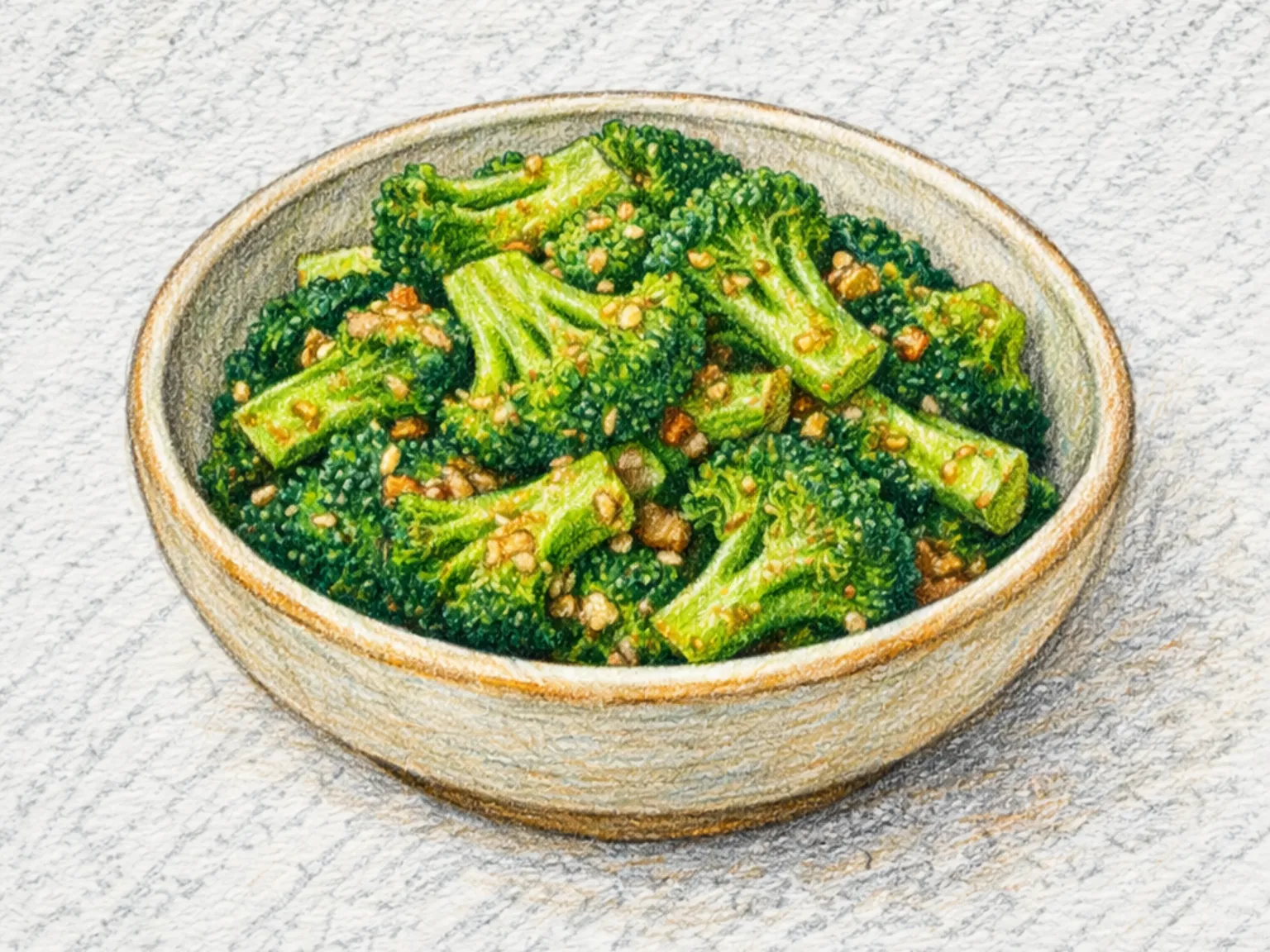
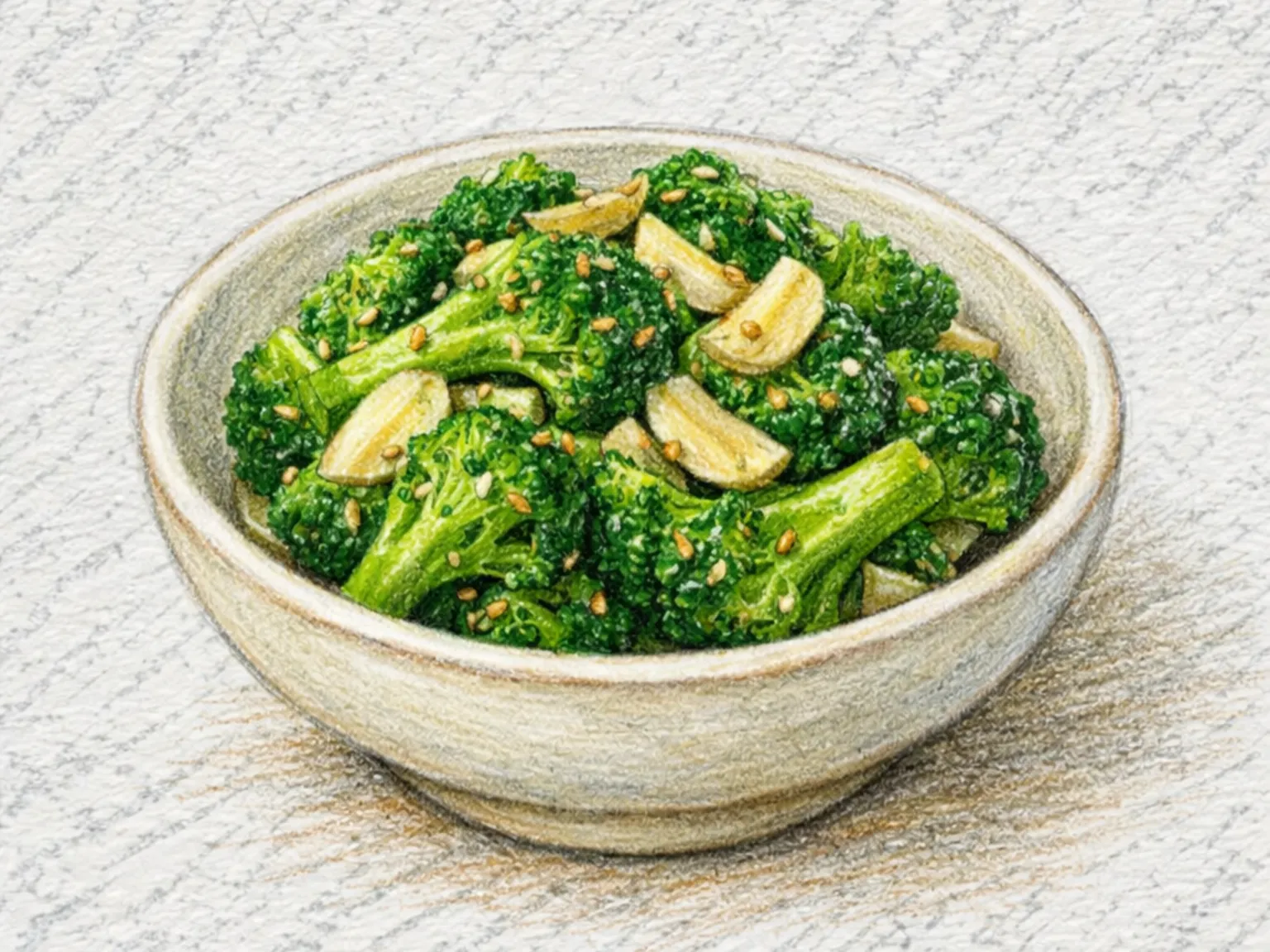
Garlic broccoli muchim is a modern Korean namul that emerged as broccoli became a staple in Korean grocery stores from the 2000s onward. Blanching the florets and peeled stems for ninety seconds in salted water, then shocking in cold water, locks in a vivid green color and a firm snap. The dressing is minimal - soup soy sauce, minced garlic, sesame oil, and sesame seeds - letting the garlic's sharpness build a flavor layer over the broccoli's mild bitterness without overwhelming it. Using the stems, peeled and sliced thin, ensures nothing goes to waste. Ready in five minutes and keeps refrigerated for two days.

Prep 10minCook 5min4 servings

Adjust Servings

2servings
servings

Instructions

  1. 1

    Cut broccoli florets bite-size; peel and slice stems thinly.

  2. 2

    Boil salted water, blanch broccoli for 2 minutes, then chill in cold water.

  3. 3

    Drain thoroughly in a colander.

  4. 4

    Mix garlic, soup soy sauce, sesame oil, and lemon juice for dressing.

  5. 5

    Add dressing to broccoli and toss gently by hand.

  6. 6

    Finish with sesame seeds; chill 10 minutes before serving for best flavor.

🛒Shop Ingredients on Amazon

As an Amazon Associate, we may earn from qualifying purchases.

Tips

Shocking in cold water keeps the broccoli bright green.
Proper draining prevents watery seasoning.

Nutrition (per serving)

Calories
105
kcal
Protein
5
g
Carbs
9
g
Fat
6
g

More Recipes

Korean Broccoli Doenjang Salad
Side dishesEasy

Korean Broccoli Doenjang Salad

Blanched broccoli in doenjang dressing - a modern Korean banchan bridging Western ingredients with traditional seasoning logic. Florets and thinly sliced stems blanch ninety seconds, then are shocked in cold water for vivid green and a firm bite. The dressing combines doenjang with vinegar and oligosaccharide syrup - fermented salt, acidity, and gentle sweetness that lifts mild bitterness. Ready in under ten minutes and keeps refrigerated for days.

🥗 Light & Healthy🏠 Everyday
Prep 10minCook 5min4 servings
Korean Seasoned Gamtae Seaweed
Side dishesEasy

Korean Seasoned Gamtae Seaweed

Gamtae is a green seaweed harvested from Korea's southern coast - primarily around Wando and Jangheung - during winter months. Thinner and more delicate than gim (roasted seaweed), it carries a deeper oceanic perfume. Dried gamtae sheets are torn into large pieces and tossed for no more than twenty seconds with soy sauce, vinegar, sesame oil, gochugaru, sugar, and garlic - over-handling causes the fragile fronds to disintegrate into mush. The vinegar's acidity lifts the seaweed's natural brininess into something bright and clean. Fresh gamtae appears only in winter markets, but the dried form works year-round as a quick banchan.

🥗 Light & Healthy🏠 Everyday
Prep 8minCook 1min2 servings
Korean Perilla Soybean Sprout Namul
Side dishesEasy

Korean Perilla Soybean Sprout Namul

Kongnamul - soybean sprouts - are Korea's most consumed vegetable, and this perilla-dressed version adds nutty depth missing from the plain sesame oil variety. Sprouts are steamed lid-sealed for five minutes, eliminating raw bean smell while keeping heads crunchy. Tossed with perilla powder, soup soy sauce, garlic, and sesame oil, the powder dissolves into a pale coating that turns each sprout creamy on the tongue. Chopped scallion adds green sharpness as contrast.

🥗 Light & Healthy🏠 Everyday
Prep 10minCook 8min4 servings
Korean Seasoned King Oyster Mushroom
Side dishesEasy

Korean Seasoned King Oyster Mushroom

Saesongi-beoseot-muchim steams 250 grams of king oyster mushrooms, torn into strips along the grain, for six minutes over high heat to preserve their chewy, fibrous texture better than boiling would. After cooling slightly and squeezing out excess moisture, the strips are tossed in a dressing of soy sauce, vinegar, chili flakes, garlic, and sugar. The vinegar provides a tangy lift, while the chili flakes introduce gentle warmth without overwhelming the mushroom's mild flavor. Sesame oil and sesame seeds finish the dish with a nutty aroma. It holds up well when chilled and served cold, making it a convenient banchan to prepare ahead of time.

🥗 Light & Healthy🏠 Everyday
Prep 10minCook 8min2 servings
Korean Gochujang Fish Cake Stir-fry
Stir-fryEasy

Korean Gochujang Fish Cake Stir-fry

Gochujang eomuk bokkeum stir-fries chewy fish cake sheets in a punchy sauce of gochujang, soy sauce, oligosaccharide syrup, and minced garlic. Blanching the fish cakes briefly beforehand removes excess grease, producing a cleaner-tasting dish where the spicy-sweet glaze clings evenly to each piece. Onion lends natural sweetness, while diagonally sliced green onion adds a fresh finishing aroma. Sesame oil and sesame seeds round out the flavors with a nutty layer. It is one of Korea's most popular everyday banchan, reliable enough for both daily meals and lunchbox packing.

🏠 Everyday🍱 Lunchbox
Prep 12minCook 10min2 servings
Korean Spicy Braised Tofu
Stir-fryEasy

Korean Spicy Braised Tofu

Spicy dubu-jorim pan-sears firm tofu slabs cut 1.5 centimeters thick until golden on both sides, then braises them in a sauce of soy sauce, gochugaru, garlic, and sugar. Searing first firms the tofu so it holds its shape through the eight-minute simmer, during which onion and green onion cook alongside in the reducing liquid. The chili flakes deliver a direct, persistent heat that penetrates the tofu as the sauce thickens, balanced by the sugar's sweetness. A final circle of sesame oil ties the flavors together with a roasted, nutty aroma.

🏠 Everyday🍱 Lunchbox
Prep 10minCook 15min2 servings
More Side dishes