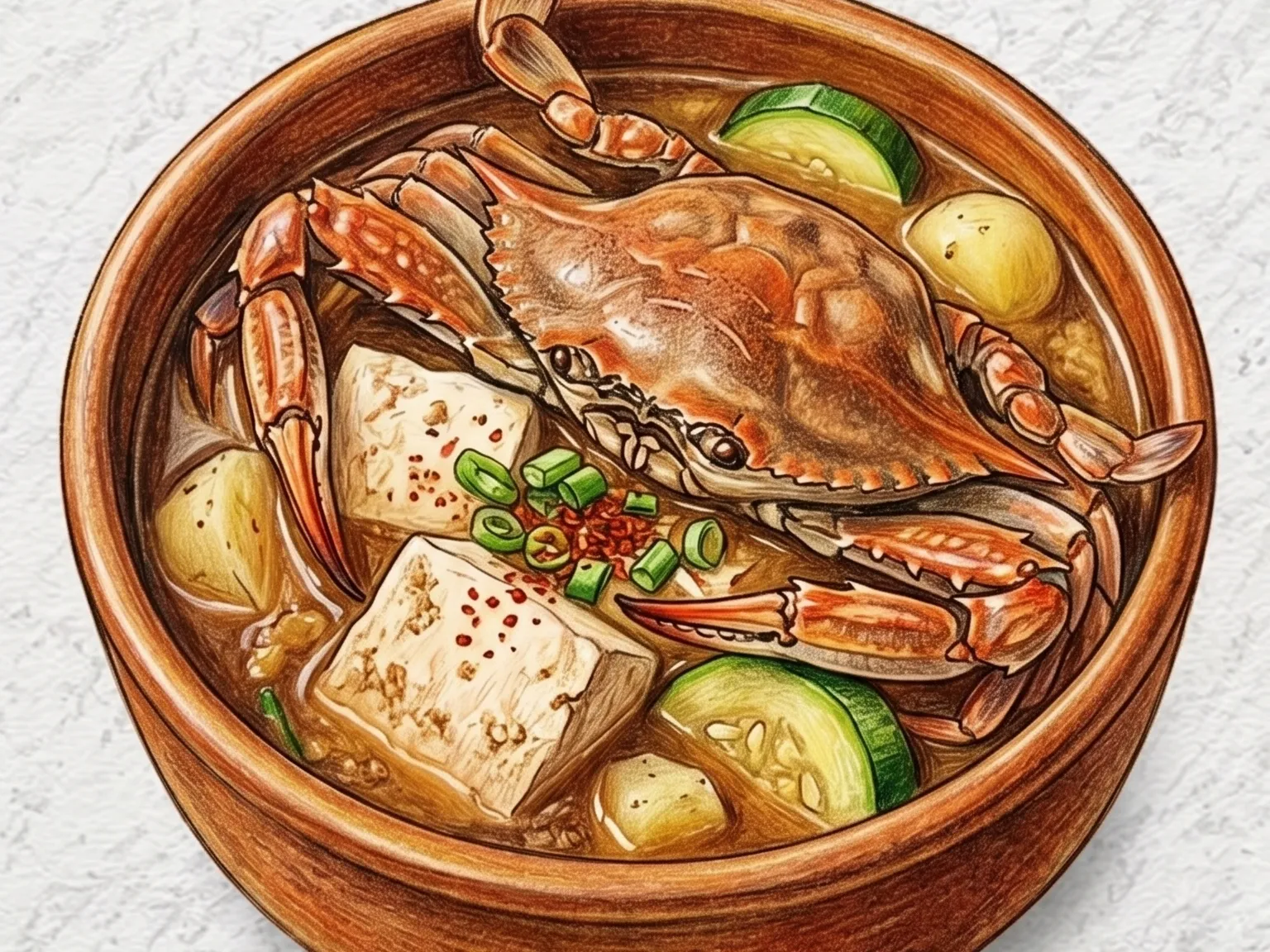
Korean Crab Doenjang Stew
Bring 500 ml anchovy broth to a full boil and press 2 tbsp doenjang through a strainer before the halved crab goes in. Lower the heat to medium and simmer until the shell begins turning red, skimming the foam, then add 1.5 cm tofu slices and zucchini half-moons cut fairly thick. Avoid a hard boil that breaks the tofu, and serve when the crab meat feels firm and the zucchini edges look slightly translucent.
Quick answer
- Total time
- 30 min
- Level
- Easy
- Servings
- 2 servings
- Ingredients
- 5
About this dish
A whole blue crab, scrubbed and split, simmers in a doenjang and anchovy broth, and the shell and meat release a briny sweetness that layers onto the earthy paste.
Read more
Removing the apron and halving the body lets the broth reach the meat inside.
Ingredients
Instructions
- 1
Scrub the blue crab with a brush, especially around the shell joints and legs.
Remove the belly flap, cut the body in half, and keep the exposed meat facing upward so its juices can season the broth quickly.
- 2
Cut 150g tofu into 1.5cm slices and slice half a zucchini into half-moons.
Keep both pieces fairly thick, because thin tofu breaks apart and thin zucchini turns mushy before the crab broth is fully developed.
- 3
Pour 500ml anchovy broth into a pot and bring it to a full boil over high heat.
When it bubbles steadily, press 2 tablespoons doenjang through a strainer and stir until no large paste lumps remain.
- 4
Add the prepared crab and lower the heat to medium.
Simmer until the shell begins turning red, skimming off foam as it rises so the broth stays clean and the crab flavor remains clear.
- 5
Add the tofu and zucchini and keep simmering over medium heat.
Cook until the tofu absorbs the seasoned broth and the zucchini edges look slightly translucent, avoiding a hard boil that can break the tofu.
- 6
Taste the broth before serving and check first that the doenjang has fully dissolved if it seems flat.
Serve when the crab meat feels firm, the broth tastes savory, and the tofu still holds its shape.
Use-up ingredient planner
Turn these ingredients into two more meals
The overlap excludes basic seasonings. Open the next recipe and your selected dishes will stay with you.
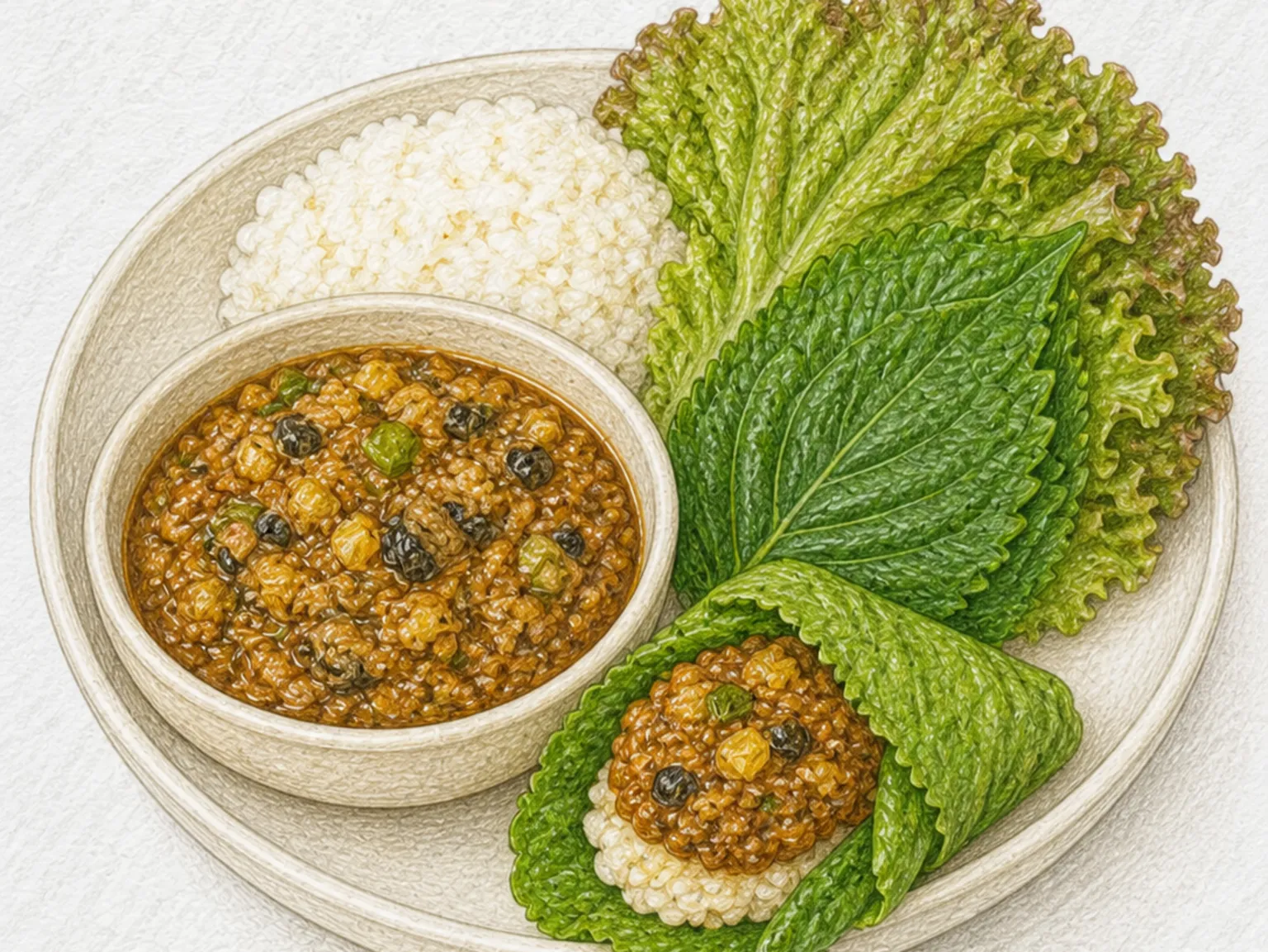
Ureong Ssambap (Rice Wraps with Snail Ssamjang)
Tofu, Zucchini
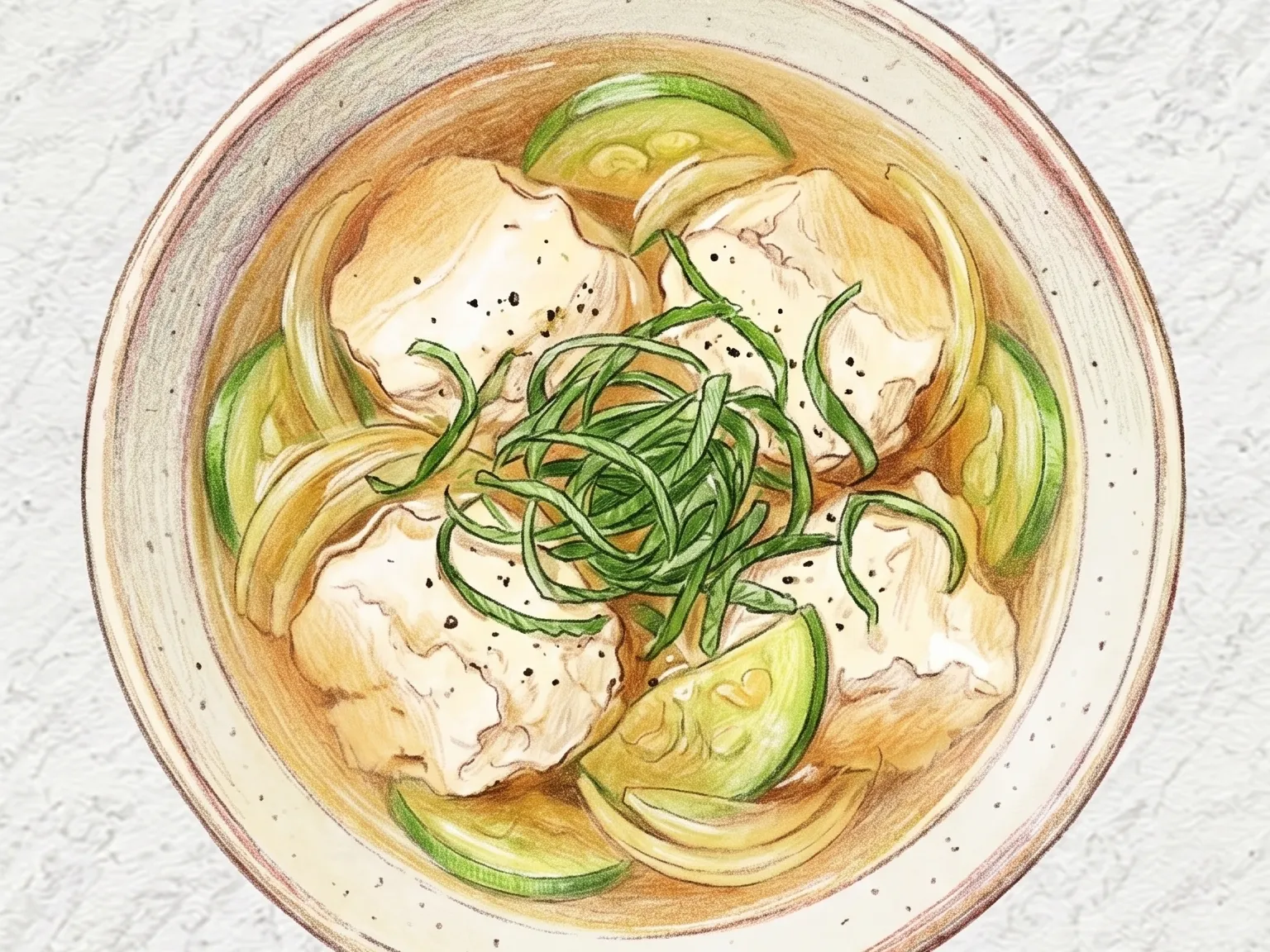
Dubu Kkaennip-guk (Tofu Perilla Leaf Soup)
Tofu, Zucchini
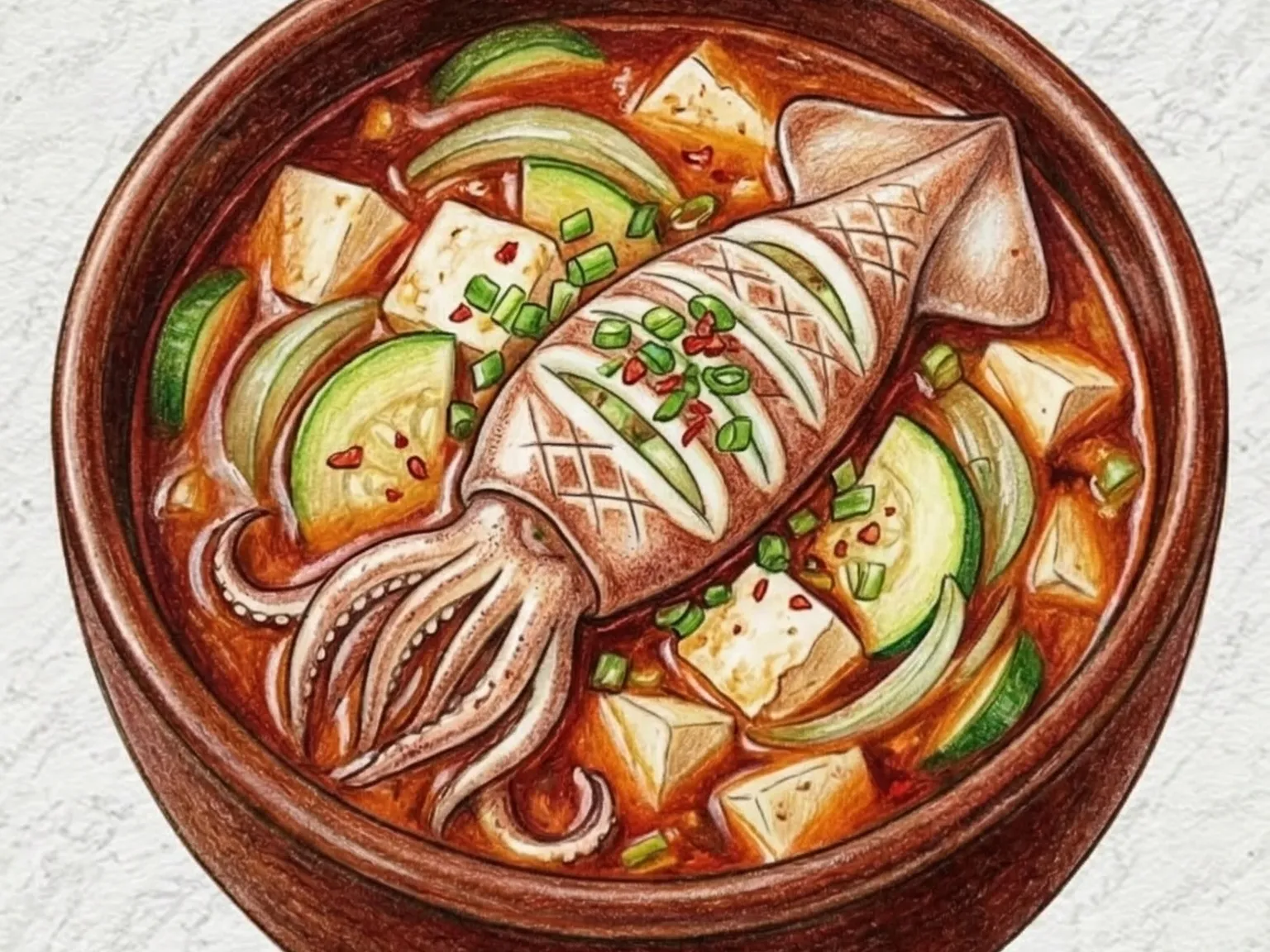
Korean Squid Stew
Tofu, Zucchini