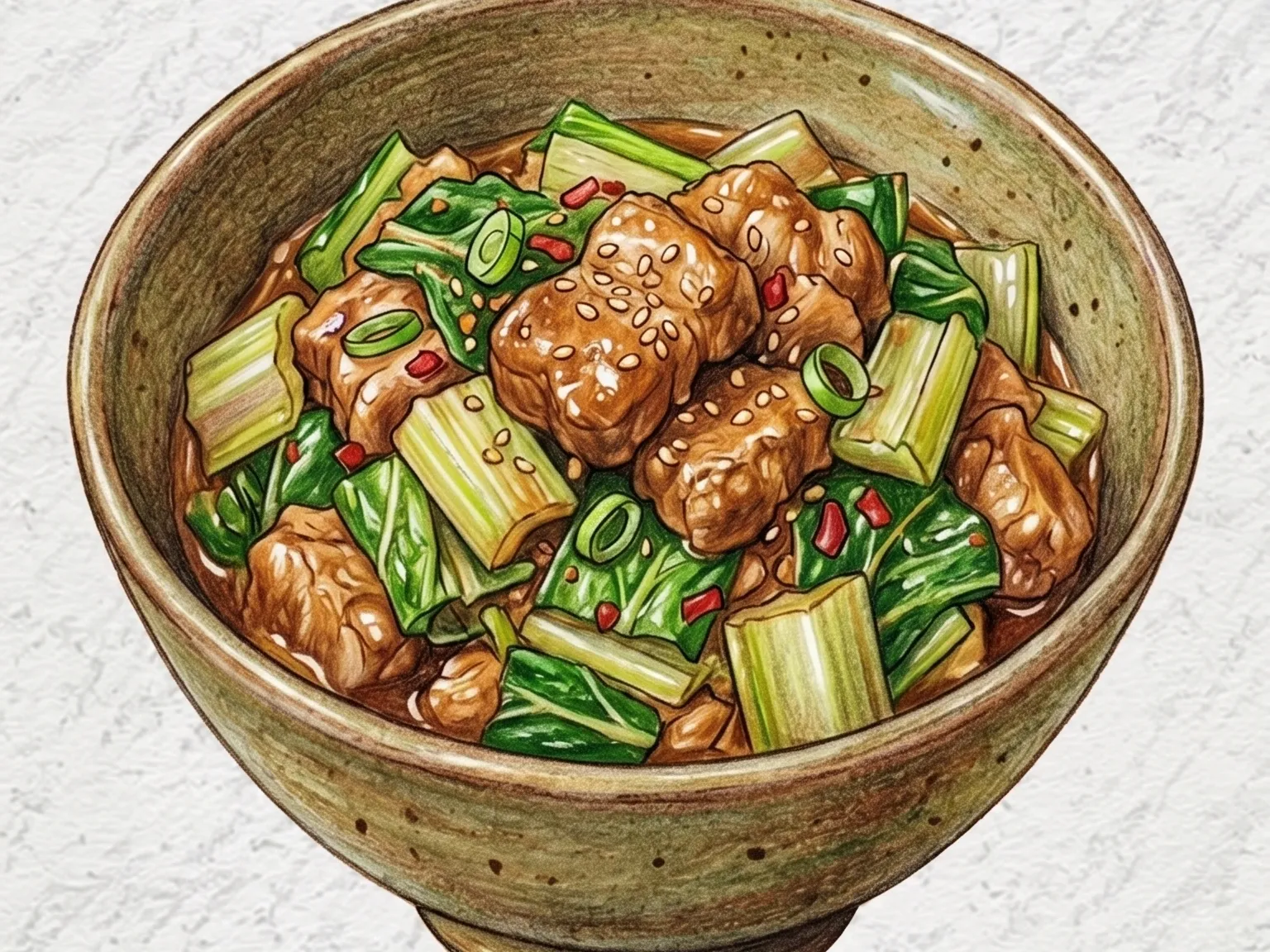
Korean Pork & Swiss Chard Stir-fry
This hearty stir-fry combines pork shoulder and Swiss chard in a doenjang-based sauce that delivers deep, earthy umami. Separating the chard stems from the leaves and adding them at different times preserves contrasting textures: the stems remain snappy while the leaves wilt into tender ribbons. Doenjang neutralizes any gamey pork notes and builds a robust savory backbone, finished with sesame oil for a nutty warmth. A touch of Korean chili flakes introduces mild heat that rounds out the dish. It pairs naturally with a bowl of steamed rice for a complete, nourishing meal.
Adjust Servings
Instructions
- 1
Separate Swiss chard stems and leaves, cut into 4 cm pieces, and slice pork bite-size.
- 2
Mix doenjang, minced garlic, chili flakes, and half the sesame oil to make a sauce.
- 3
Heat a pan on high, add oil, and stir-fry pork for 2 minutes to sear the surface.
- 4
Add onion and chard stems, stir-frying 2 more minutes to reduce moisture and build sweetness.
- 5
Add the sauce to coat evenly, then toss in chard leaves and green onion for 2-3 minutes.
- 6
Turn off heat, drizzle remaining sesame oil, toss once, and serve immediately.
As an Amazon Associate, we may earn from qualifying purchases.
Tips
Nutrition (per serving)
More Recipes

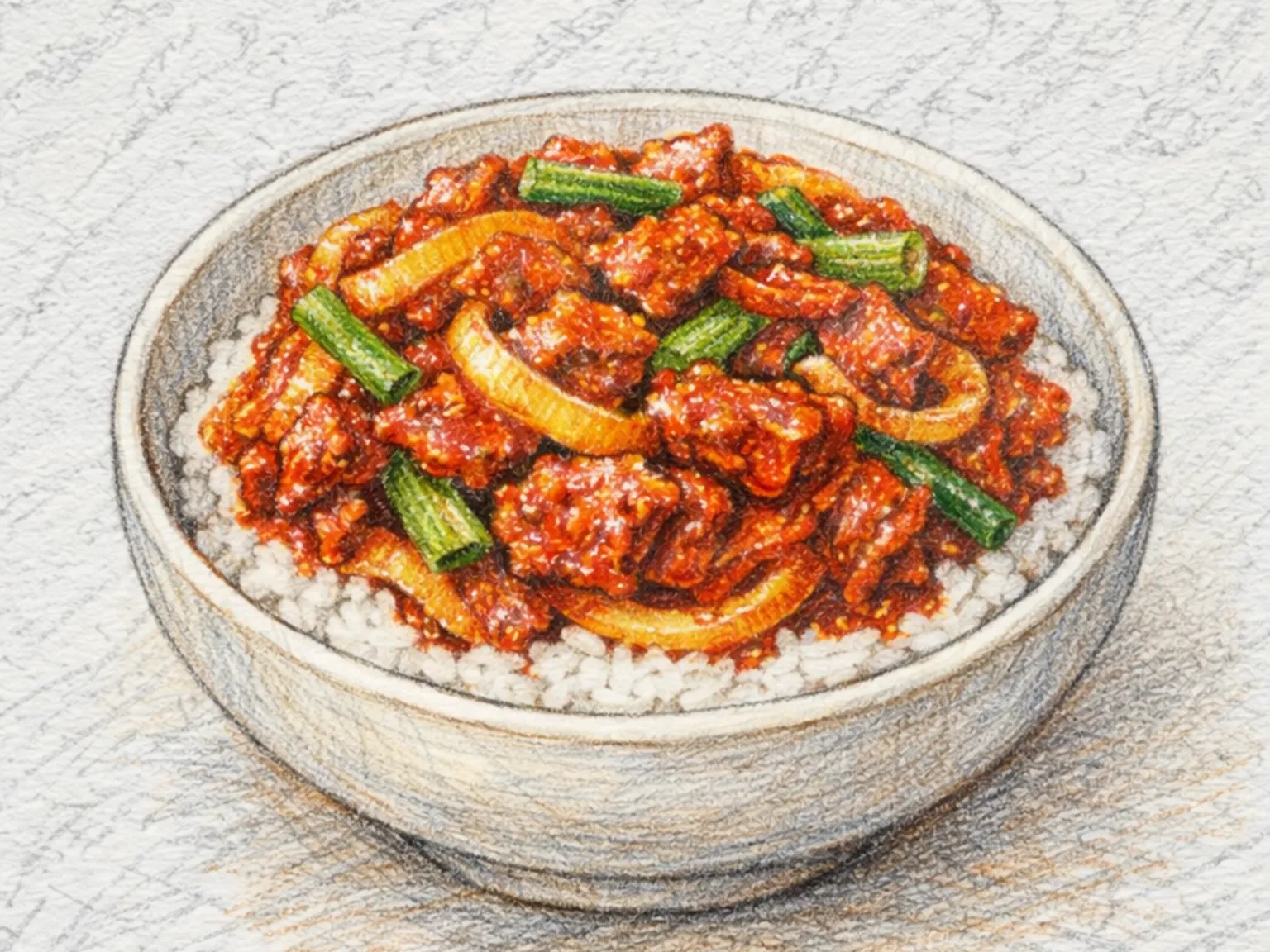
Korean Pork & Wild Chive Stir-fry
Dallae-dwaejigogi-bokkeum is a Korean springtime stir-fry of pork shoulder tossed in a gochujang and chili flake sauce, then topped generously with raw wild chives. The wild chives release a sharp, garlicky bite that cuts through the rich, spicy pork. Onions caramelize lightly during cooking, adding natural sweetness that rounds out the heat. The dish is cooked quickly over high heat to preserve the fresh aroma of the chives.

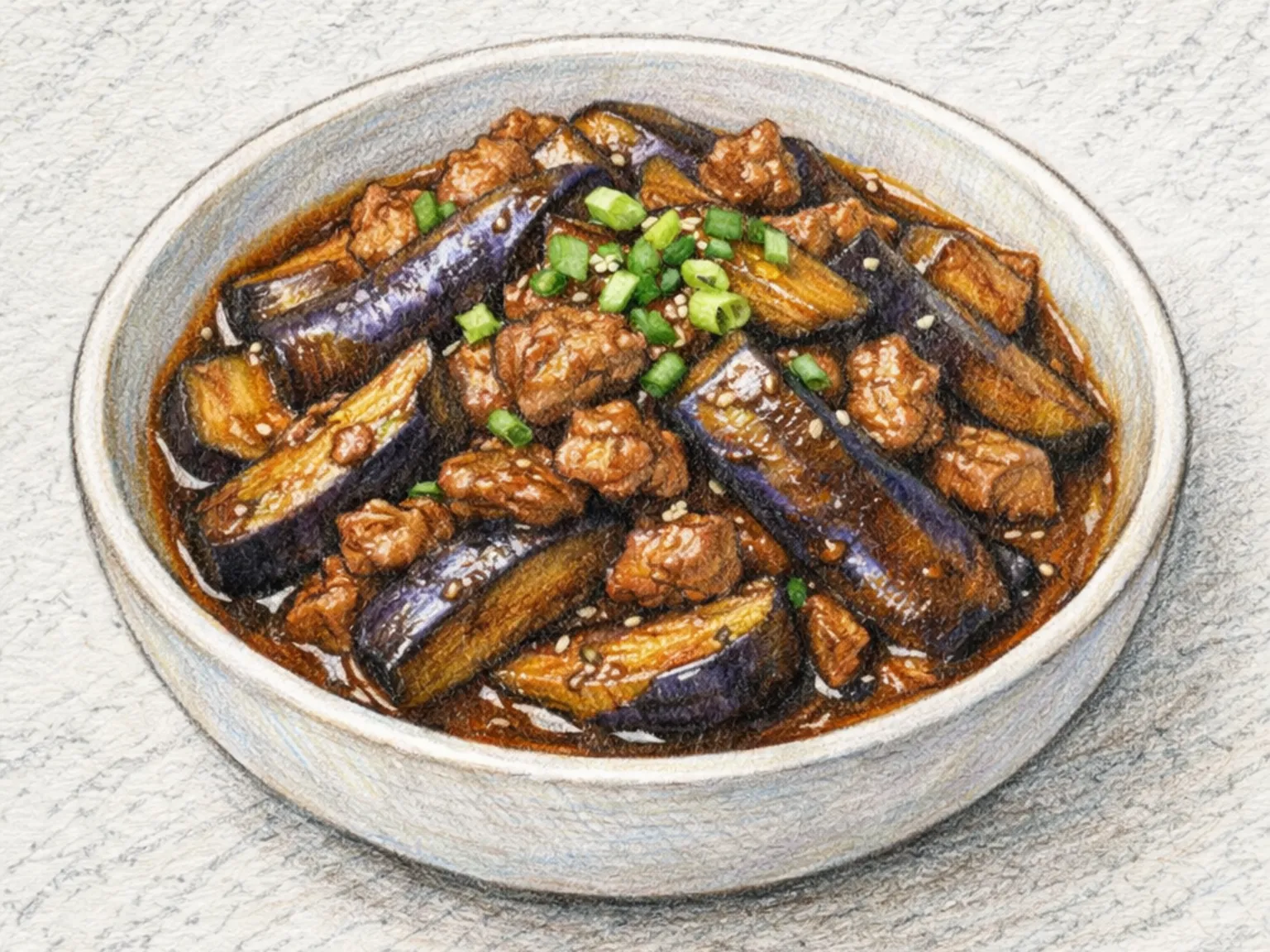
Korean Gaji Dwaejigogi Bokkeum (Eggplant Pork Stir-fry)
Gaji-dwaejigogi-bokkeum is a Korean stir-fry of eggplant and thinly sliced pork seasoned with garlic and fresh chili. The eggplant absorbs oil and sauce as it cooks, turning silky and melding seamlessly with the pork. Garlic infuses the dish with an intense aroma while the chili adds a clean, sharp heat throughout. It is especially flavorful in summer when eggplant is at its seasonal peak.

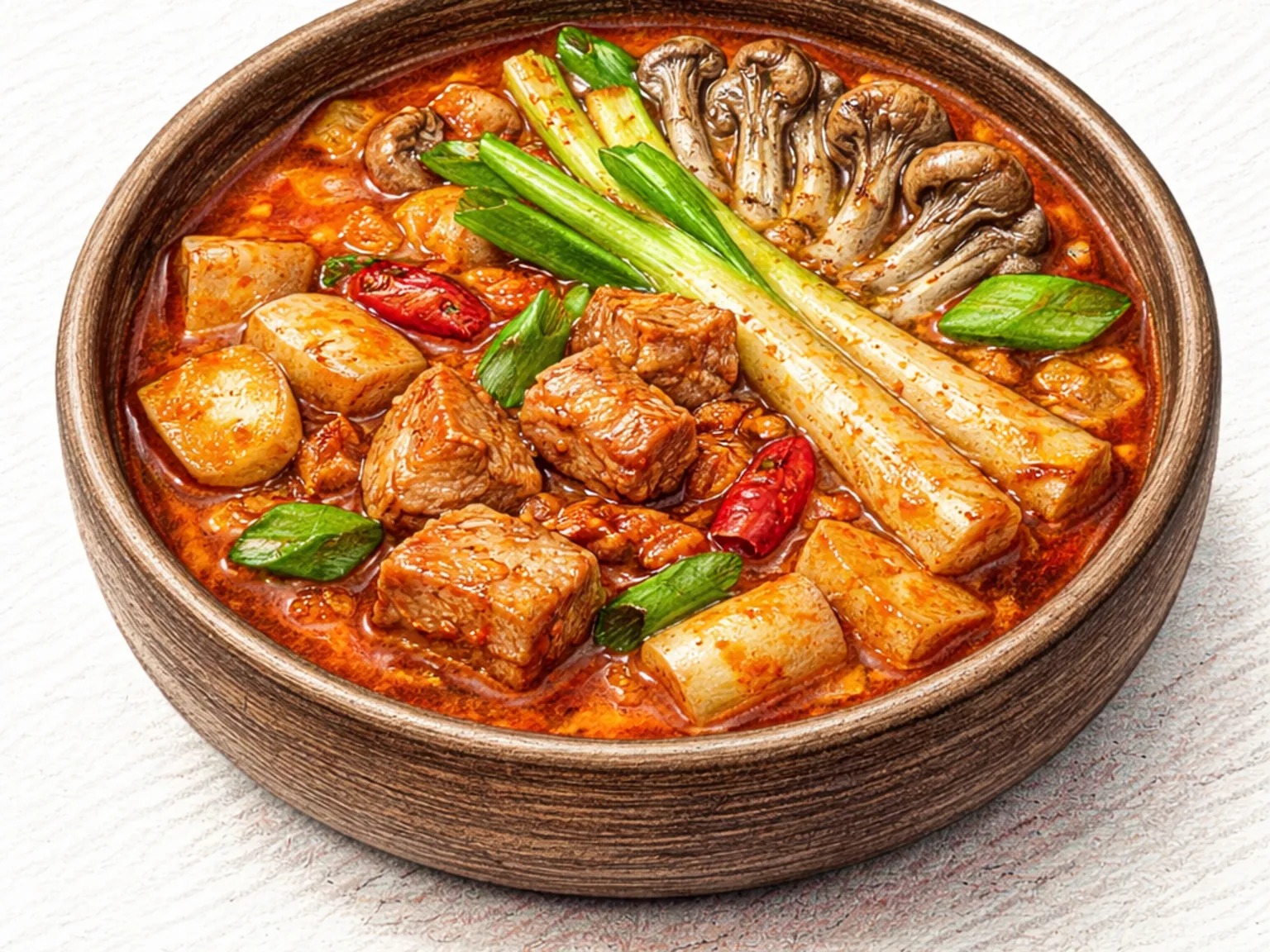
Korean Young Radish Pork Stir-fry
Yeolmu-dwaejigogi-bokkeum is a spicy Korean stir-fry of pork shoulder marinated in gochujang, gochugaru, and soy sauce, cooked together with young radish greens (yeolmu). The pork is seared first over high heat for four minutes, then the greens are added on medium heat for another four minutes - just long enough to wilt without losing their fresh bite. The gochujang heat contrasts with the crisp, slightly grassy stems of the yeolmu, and sesame oil ties the flavors together at the end. It is a seasonal dish best made when young radish greens are in peak supply during summer.

Korean Pork and Asparagus Stir-fry
A Korean weeknight stir-fry that pairs pork shoulder or belly with asparagus and red bell pepper in a soy-garlic sauce. The pork is sliced thin and marinated in soy sauce, minced garlic, and a pinch of sugar to coax out caramelization on the hot pan. Cooking the meat first over high heat renders out its fat, which becomes the medium for stir-frying the vegetables. Asparagus goes in next for barely a minute - just enough to turn its raw starchiness into a clean, grassy snap. Bell pepper adds pops of natural sweetness and color contrast. The sauce is restrained: soy, a touch of oyster sauce, and sesame oil, keeping the focus on the interplay between the pork's umami depth and the vegetables' brightness. The entire cook from cold pan to finished plate takes under twelve minutes, making it one of the fastest protein-and-vegetable banchan in the Korean home repertoire.

Korean Seasoned Swiss Chard Namul
Geundae - Swiss chard in Korean kitchens - has been used in doenjang soup and namul for generations. Because the stems are substantially thicker than the leaves, they are blanched separately: stems go in first for thirty seconds, then leaves join for another thirty. After squeezing dry, the greens are hand-dressed with doenjang, soup soy sauce, garlic, and perilla oil, allowing the fermented paste's earthy depth to merge with chard's faintly bitter, mineral flavor. Perilla powder stirred in last thickens the dressing into a clinging coating without adding liquid. Chard leaves hold up better than spinach after dressing, making this namul a sturdy banchan that does not wilt quickly.

Korean Spicy Gochujang Dried Squid Stir-Fry
Jinmichae - shredded dried squid - is a Korean pantry staple prized for its chewy texture and umami that intensifies the longer you chew. This preparation coats the strands in a gochujang glaze, making it one of the most widely kept banchan in Korean refrigerators. Briefly soaking the dried squid in water before squeezing softens the tough fibers and opens them to absorb the sauce. The sauce - gochujang, gochugaru, rice syrup, soy sauce, and garlic - is stir-fried first over low heat to mellow the raw chili edge, then the squid is tossed through quickly. Sesame oil and seeds finish the dish off heat, producing a sweet-spicy coated snack that keeps well for days.