Gochujang Corn Cream Cavatappi
Pasta Easy

Gochujang Corn Cream Cavatappi

Quick answer

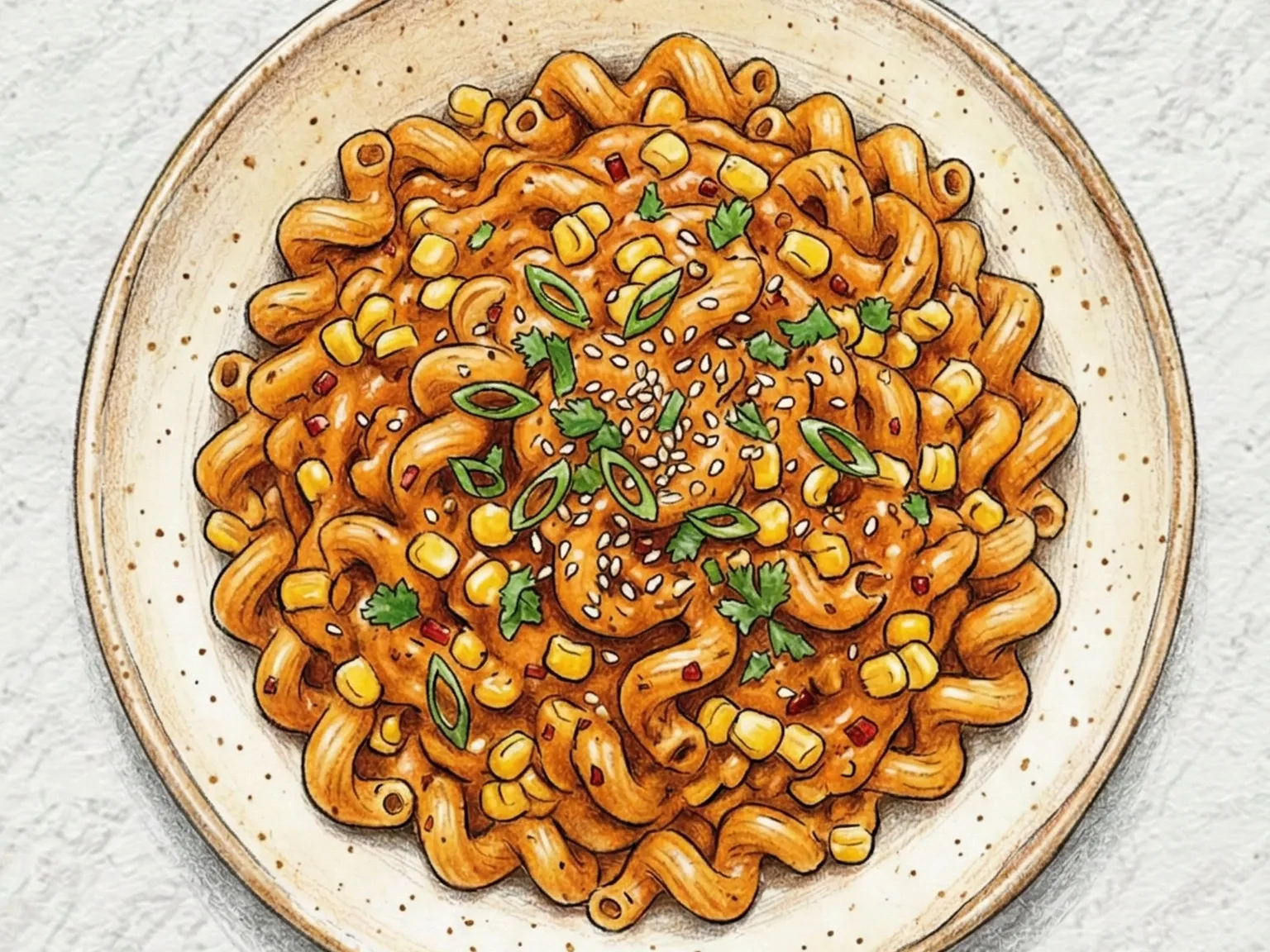
Gochujang corn cream cavatappi sautees onion and sweet corn kernels in butter, blooms gochujang in the pan for thirty seconds, then simmers everything with heavy cream an...

What makes this special

  • Sweet corn kernels sauteed in butter pair with a spicy gochujang cream sauce and cavatappi.
  • Corn sauteed 2 minutes first to concentrate sweetness before gochujang goes in
  • Fermented gochujang umami bridges corn sweetness and heavy cream
Total time
30 min
Level
Easy
Servings
4 servings
Ingredients
10
Calories
640 kcal
Protein
18 g

Key ingredients

cavatappi pastasweet corn kernelsgochujangheavy creammilk

Core cooking flow

  1. 1 Cook 320g cavatappi in salted boiling water for 1 minute less than the package time.
  2. 2 Melt 20g butter in a pan. Saute 80g finely diced onion over medium-low heat...
  3. 3 Add 220g sweet corn and stir-fry for 2 minutes.

Gochujang corn cream cavatappi sautees onion and sweet corn kernels in butter, blooms gochujang in the pan for thirty seconds, then simmers everything with heavy cream and milk into a thick, spicy-sweet sauce for corkscrew-shaped pasta. Cooking the corn first for two minutes drives off surface moisture and concentrates its natural sweetness before the gochujang goes in. The cream and milk reduce together, merging the corn's sweetness with the chili paste's heat into a smooth, rounded spiciness. Pasta water adjusts the consistency, and melted Parmigiano adds a sharp, salty depth that elevates the entire sauce. Cavatappi's helical shape traps the dense cream inside its spirals, releasing bursts of the corn-gochujang sauce with each bite.

Prep 12min Cook 18min 4 servings

Instructions

Read the steps as a cooking flow: prep, heat, seasoning, doneness control, and finish.

6 steps
  1. 1
    Finish

    Cook 320g cavatappi in salted boiling water for 1 minute less than the package time.

    Reserve 1 cup pasta water.

  2. 2
    Control

    Melt 20g butter in a pan.

    Saute 80g finely diced onion over medium-low heat for 3-4 minutes until translucent.

  3. 3
    Heat

    Add 220g sweet corn and stir-fry for 2 minutes.

    Add 1.5 tablespoons gochujang and cook for 30 more seconds until fragrant.

  4. 4
    Control

    Pour in 250ml heavy cream and 120ml milk.

    Simmer over medium heat for 3 minutes to build the sauce base.

  5. 5
    Season

    Add the cooked cavatappi and 45g grated Parmigiano.

    Toss with pasta water to adjust consistency until the sauce fills every groove of the spiral pasta.

  6. 6
    Season

    Season with 1 teaspoon salt and 0.5 teaspoon pepper.

    Turn off the heat and rest for 1 minute before plating.

After the steps

Pick a recipe that fits this dish.

Continue with shared ingredients, meal pairings, or a similar method.

Recipes That Go Well With This

More Pasta →

Based on shared ingredients and meal pairing

Gochujang Shrimp Cream Pasta
Shared ingredient: heavy cream Pasta

Gochujang Shrimp Cream Pasta

Gochujang shrimp cream pasta merges fermented Korean chili paste with heavy cream into a single cohesive sauce. Shrimp are seared at high heat first to develop a caramelized crust, then folded into the gochujang-cream mixture along with milk and garlic. The fermented depth of gochujang operates differently from straightforward chili heat: it carries malty sweetness and umami that reinforce the dairy richness rather than cutting against it, building a layered flavor the sauce would not achieve with fresh chili alone. Parmesan grated into the pan adds salt and nuttiness that round out the finish, while reserved pasta water lets the cook dial in the consistency. The result coats each strand of pasta in a glossy, spiced cream. The entire dish comes together in around 20 minutes, keeping the shrimp firm and the sauce smooth.

Myeongran Lemon Cream Fettuccine
Shared ingredient: heavy cream Pasta

Myeongran Lemon Cream Fettuccine

Myeongran lemon cream fettuccine wraps wide pasta ribbons in a sauce made from salted pollock roe, heavy cream, butter, and lemon zest. The small eggs of the roe are left intact and stirred into the sauce off the heat so they stay soft and burst with briny flavor when bitten rather than turning granular or hard. Garlic bloomed in butter forms the aromatic base, and a mixture of heavy cream with milk tempers the roe's saltiness into a smooth, balanced coating. Using lemon zest rather than juice adds a bright citrus fragrance without diluting the sauce or introducing acidity that would curdle the cream. Parmigiano-Reggiano deepens the savory foundation, and fettuccine's broad, flat surface holds the thick cream more effectively than thinner pasta shapes. The entire dish takes about twenty minutes from start to plate, making it a practical weeknight option that does not sacrifice depth of flavor for speed. The critical technique -- incorporating the roe off the heat -- keeps the texture creamy throughout and prevents the eggs from cooking into tough, unpleasant morsels.

Chamnamul Pear Tofu Salad
Serve together Salads

Chamnamul Pear Tofu Salad

Chamnamul pear tofu salad pan-sears firm tofu cubes for 6-8 minutes until the exterior turns golden and crisp while the inside stays soft. Chamnamul is cut into 5 cm lengths to preserve its fragrant mountain-herb character, and Korean pear is julienned thin so its clean juice sweetens each bite. A dressing of perilla oil, lemon juice, and soup soy sauce delivers nuttiness and umami in a single drizzle, and halved cherry tomatoes contribute a pop of acidity. Slicing the pear just before assembly minimizes browning, and toasted sesame seeds scattered on top add a final layer of warm, nutty aroma.

Dakgalbi Cream Rigatoni (Korean Spicy Chicken Gochujang Cream Pasta)
Similar recipe Pasta

Dakgalbi Cream Rigatoni (Korean Spicy Chicken Gochujang Cream Pasta)

Dakgalbi cream rigatoni is a Korean-Italian fusion pasta that starts by marinating boneless chicken thighs in a sauce of gochujang, soy sauce, gochugaru, and sugar for at least twenty minutes, then stir-frying them at high heat with cabbage and sweet potato to build the bold, sweet-spicy flavor profile of traditional dakgalbi before finishing with heavy cream. The marinating step is not optional: the spiced paste needs time to penetrate the meat rather than staying on the surface, and the longer the chicken soaks, the more intensely savory it becomes when it hits the pan. Cooking over high heat drives the moisture out of the cabbage quickly, concentrating its natural sweetness and keeping the texture from turning watery. Sweet potato should either be pre-cooked or sliced thin enough to cook through during the stir-fry stage without holding the process up. Once the heavy cream is poured over and the heat is reduced to low, the red marinade and cream emulsify together without breaking, producing a thick, blush-pink sauce that coats everything in the pan. Rigatoni's short, wide hollow tubes are the ideal pasta shape for this preparation: the dense cream sauce fills the interior of each tube completely, so every bite delivers both the bold heat of the dakgalbi and the smooth richness of the cream together.

Serve with this

Korean Sweet Corn Latte (Butter Sauteed Corn Milk Drink)
Drinks Easy

Korean Sweet Corn Latte (Butter Sauteed Corn Milk Drink)

Sweet corn latte begins by sauteing cooked corn kernels in butter until fragrant, then simmering them in milk to draw out the corn's natural sugars before blending everything smooth. The butter amplifies the starchy, roasted aroma during the initial saute, coating each kernel so that the fat-soluble flavor compounds dissolve fully into the milk during the five-minute simmer. Blending the mixture until completely smooth and then straining it through a fine sieve removes any remaining hull pieces, producing a texture as silky as a custard sauce. This straining step makes a noticeable difference in the final quality. Condensed milk adds a rounded sweetness, and a small amount of white pepper introduces a faint spiced warmth that gives the drink depth beneath the sweetness. It works equally well served hot in a ceramic mug or chilled and poured over ice; the corn aroma remains vivid in both versions.

🍺 Bar Snacks 🧒 Kid-Friendly
Prep 8min Cook 10min 2 servings
Dasik (Korean Honey-Pressed Roasted Grain Confection)
Baking Easy

Dasik (Korean Honey-Pressed Roasted Grain Confection)

Dasik is a traditional Korean pressed confection made by kneading roasted grain or nut powders with honey and pressing the mixture into carved wooden molds. Unlike baked goods, dasik holds its shape entirely through the binding power of honey, with no heat applied during preparation. This technique produces a texture that is slightly resistant at first contact, then dissolves gently at body temperature in a way that releases the full aroma of the main ingredient. Roasted soybean powder yields a nutty version, black sesame produces a deeply aromatic one, and additions of pine nut powder or cinnamon develop the flavor in different directions. The wooden molds carve decorative patterns into the surface of each piece, giving dasik a visual refinement that matches its restrained sweetness. For centuries, dasik has been a standard offering at Korean tea gatherings, and its subtle flavor remains a natural match for the gentle bitterness of green tea.

🧒 Kid-Friendly ⚡ Quick
Prep 20min 4 servings
Bananas Foster
Western Easy

Bananas Foster

Bananas Foster is a New Orleans dessert invented in the 1950s at Brennan's Restaurant, built around the simple technique of caramelizing bananas in butter and brown sugar before serving them over vanilla ice cream. The sauce begins by melting butter in a skillet and stirring in brown sugar until the two combine into a thick, bubbling caramel. Halved bananas go in cut-side down and cook just long enough to absorb the syrup while holding their shape. Ground cinnamon folded into the sauce adds a warm spice layer that keeps the sweetness from reading as flat, and a squeeze of lemon juice sharpens the overall profile. Traditional preparation calls for igniting rum poured into the hot pan - the blue flame burns off the alcohol and concentrates the molasses notes in a few dramatic seconds. The step can be skipped at home without meaningfully altering the result. Spooning the hot caramelized bananas over cold ice cream generates immediate steam, and the contrast between molten caramel and frozen cream defines every bite. The entire dish takes roughly ten minutes.

🧒 Kid-Friendly ⚡ Quick
Prep 10min Cook 10min 2 servings

Similar recipes

Gochujang Beef Ragu Rigatoni
Pasta Medium

Gochujang Beef Ragu Rigatoni

Gochujang beef ragu rigatoni builds depth in two stages: first, ground beef is seared undisturbed over high heat until a proper crust forms, then gochujang, tomato puree, and red wine are added and the whole pot simmers on medium-low heat for twenty minutes. The browning step is critical and non-negotiable-stirring too early releases steam and moisture from the meat, which prevents crust formation and produces braised ground beef instead of seared. Frying the gochujang in oil for a full minute before adding the tomato puree unlocks its fermented sweetness and blunts the raw edge of the paste; the acidity of the tomato then balances the gochujang's heat naturally. As the red wine reduces, it leaves behind layered fruit notes that add complexity the tomato alone cannot provide. Rigatoni is pulled from the water one minute before al dente and transferred to the sauce pan with a ladle of pasta water; the starch dissolves into the sauce and coats the tubes inside and out with a glossy, cohesive finish. Grated Parmesan stirred in at the end deepens the overall savory character of the ragu.

🎉 Special Occasion 🍺 Bar Snacks
Prep 15min Cook 35min 2 servings
Korean Spicy Gochujang Bulgogi
Stir-fry Medium

Korean Spicy Gochujang Bulgogi

Spicy gochujang pork bulgogi builds its bold flavor from a marinade of gochujang, Korean chili flakes, soy sauce, corn syrup, and garlic applied to thick-cut pork neck, then stir-fried over high heat. The gochujang delivers a deep, fermented heat while the corn syrup adds a glossy sweetness that helps the sauce caramelize on the surface of the meat. Adding chili flakes separately from the gochujang introduces a different texture and heat quality, creating a more complex spice profile than either ingredient alone would produce. Allowing the moisture to evaporate before adding the onion is important, as onion releases liquid when it hits the pan and will thin the sauce if added too early. The natural sugars in the onion contribute a mild sweetness that tempers the chili heat once the moisture has cooked off. Scoring thicker pieces of pork two or three times with a knife allows the marinade to penetrate more evenly and ensures consistent seasoning throughout. Finishing with green onion over high heat for thirty seconds adds a smoky char note while leaving a fresh aromatic lift. The recipe yields a generous four servings, making it a practical main dish for family meals or a filling for ssam wraps.

🏠 Everyday 🌙 Late Night
Prep 20min Cook 14min 4 servings
Korean Gochujang Grilled Chicken Legs
Grilled Medium

Korean Gochujang Grilled Chicken Legs

Gochujang dak-dari-gui is a Korean pan-grilled chicken dish in which bone-in leg quarters are marinated in a sauce of gochujang, soy sauce, oligosaccharide syrup, minced garlic, mirin, and sesame oil before being cooked in a skillet. The use of oligosaccharide syrup rather than plain sugar is deliberate - it has a lower sweetness level but higher viscosity, which helps the marinade adhere to the chicken's surface and caramelizes more slowly without burning, making it easier to develop a proper glaze. Starting the chicken skin-side down over medium heat is the foundation of the dish: pressing the skin gently against the pan renders the subcutaneous fat gradually, producing a crisp surface layer. Without sufficient rendering time, the skin stays soft and slick even when coated with the sauce later. Flipping and covering with a lid traps steam inside the pan, which drives heat into the thickest part of the meat and ensures it cooks through evenly without the outside drying out. When the lid comes off and the sauce reduces, the evaporating water concentrates the marinade's flavors and causes it to begin clinging to the meat in a thick, glossy layer. The final two minutes on high heat are the transformation point of the dish: the residual sugars in the marinade caramelize rapidly in the intense heat, and the spicy fermented depth of the gochujang, the sweetness of the syrup, and the salinity of the soy compress into a lacquered, shining glaze. Marinating in the refrigerator for at least one hour, and ideally overnight, reduces any gamey odor from the chicken and allows the seasoning to work its way deep into the muscle fibers, so that when the meat is cooked it tastes seasoned from the inside.

🍺 Bar Snacks
Prep 20min Cook 30min 4 servings

Tips

Saltiness varies by gochujang brand, so always final-season after tasting.
Blending a portion of the corn makes the sauce thicker and sweeter.

Nutrition (per serving)

Calories
640
kcal
Protein
18
g
Carbs
79
g
Fat
27
g