Korean Braised Mackerel with Potatoes

Korean Braised Mackerel with Potatoes

Quick answer

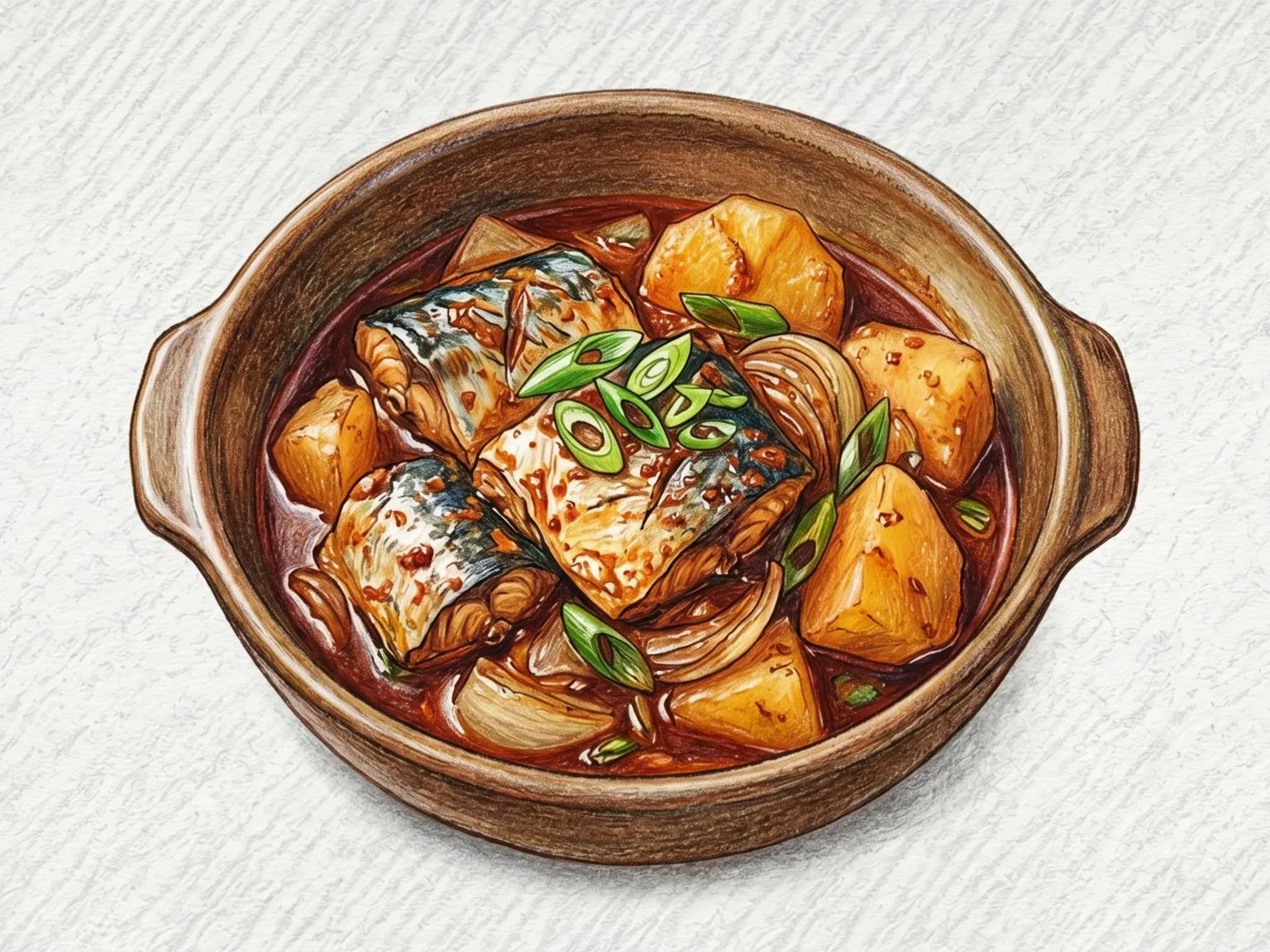
Godeungeo gamja jorim is a Korean home-cooked side dish where mackerel and potato chunks are braised together in a soy sauce and gochugaru seasoning.

What makes this special

  • Godeungeo gamja jorim melts mackerel fat into a spicy soy broth with tender potato chunks.
  • Mackerel's rich fat melts into the spicy soy sauce, amplifying umami
  • Potato absorbs braising liquid as it cooks, turning fluffy throughout
Total time
45 min
Level
Easy
Servings
2 servings
Ingredients
9
Calories
420 kcal
Protein
29 g

Key ingredients

mackerel filletpotatooniongreen onionsoy sauce

Core cooking flow

  1. 1 Cut 300 g mackerel into 3 cm pieces, rinse briefly, and pat dry so the seasoning will cling.
  2. 2 Cut 250 g potato into thick 3 cm cubes so it will not collapse during braising.
  3. 3 In a pot, combine 3 tbsp soy sauce, 1 tbsp Korean chili flakes, 1 tbsp mince...

Godeungeo gamja jorim is a Korean home-cooked side dish where mackerel and potato chunks are braised together in a soy sauce and gochugaru seasoning. The oily mackerel releases its fat into the braising liquid, building a rich, savory depth that plain soy sauce alone cannot achieve. Potato absorbs the spiced liquid as it simmers, cooking down to a fluffy, yielding texture that contrasts with the firmer fish. Onion and green onion contribute natural sweetness and aroma throughout the cooking process, and sugar rounds off the saltiness of the soy base to keep the seasoning balanced rather than sharp. Spooning the dark, glossy braising sauce generously over rice turns this side dish into a satisfying meal on its own. Using fresh mackerel rather than salted gives a softer, more delicate flesh that further enriches the cooking liquid.

Prep 15min Cook 30min 2 servings

Instructions

Read the steps as a cooking flow: prep, heat, seasoning, doneness control, and finish.

6 steps
  1. 1
    Season

    Cut 300 g mackerel into 3 cm pieces, rinse briefly, and pat dry so the seasoning will cling.

    If fishy smell is a concern, soak it in rice-rinse water for 5 minutes, then drain well.

  2. 2
    Control

    Cut 250 g potato into thick 3 cm cubes so it will not collapse during braising.

    Slice 100 g onion into broad strips, and cut 40 g green onion on a diagonal for the final simmer.

  3. 3
    Season

    In a pot, combine 3 tbsp soy sauce, 1 tbsp Korean chili flakes, 1 tbsp minced garlic, 1 tbsp sugar, and 300 ml water.

    Stir until the sugar dissolves so the sauce seasons evenly from the start.

  4. 4
    Control

    Add the potato to the sauce first, cover, and simmer over medium heat for about 7 minutes.

    When a chopstick goes halfway into a piece, place the mackerel on top without stirring hard.

  5. 5
    Control

    Spread the onion and green onion over the mackerel, then spoon the hot sauce over the fish.

    Reduce to low heat and braise 8 more minutes, basting instead of turning so the flesh stays intact.

  6. 6
    Finish

    When the sauce is shallow and glossy, check that the potato is fluffy and the mackerel is cooked through.

    If the sauce tastes too salty, add a little water, simmer briefly, and serve with the braising liquid.

After the steps

Pick a recipe that fits this dish.

Continue with shared ingredients, meal pairings, or a similar method.

Recipes That Go Well With This

More Steamed →

Based on shared ingredients and meal pairing

Korean Braised Mackerel with Dried Radish Greens
Shared ingredient: mackerel fillet Steamed

Korean Braised Mackerel with Dried Radish Greens

Siraegi godeungeo jorim is a Korean braised mackerel dish in which the fish and pre-boiled dried radish greens are cooked down with radish and onion in a chili-soy seasoning. The richness of mackerel fat and the earthy, fibrous character of dried radish greens share the same braising liquid, each amplifying what the other brings to the pot. The radish greens must be boiled thoroughly before braising to soften their tough fibers and leach out any residual bitterness, which is then washed away with a cold rinse. Mackerel seasoned lightly with cooking wine is placed over the greens and vegetables, and the pot braises over medium-low heat for more than twenty minutes so the seasoning penetrates the flesh all the way through. Spooning the braising liquid over the fish two or three times during cooking ensures an even coating on the upper surface. Radish becomes sweeter and more concentrated as it reduces, neutralizing any fishiness from the mackerel. The finished dish, spooned generously over steamed rice with its spicy braising sauce, delivers a layered depth of flavor that is unmistakably Korean.

Korean Braised Mackerel with Aged Kimchi
Shared ingredient: mackerel fillet Steamed

Korean Braised Mackerel with Aged Kimchi

Godeungeo kimchi jjim is mackerel braised together with well-fermented aged kimchi in a soy sauce and gochugaru broth. The deep, sharp acidity of the aged kimchi cuts through the fatty mackerel flesh without leaving any heaviness, drawing out a concentrated savory taste instead. The key step is removing the lid partway through cooking and letting the braising liquid reduce and absorb into the fish, which also drives off any residual fishiness. Onion softens into a gentle sweetness that rounds out the broth, while a pinch of sugar tempers the sourness of the kimchi so the seasoning stays in clear balance. The sauce reduces to a small pool of intensely flavored liquid that is meant to be mixed directly into a bowl of steamed rice.

Korean Fresh Cabbage Kimchi
Serve together Side dishes

Korean Fresh Cabbage Kimchi

Geotjeori is kimchi's immediate cousin - raw napa cabbage dressed in gochugaru seasoning and eaten right away without any fermentation. The cabbage is salted for about twenty minutes to draw out moisture and soften the texture slightly, then squeezed dry and tossed with red pepper flakes, anchovy fish sauce, minced garlic, minced ginger, sugar, and a finishing drop of sesame oil. The brief salting pulls just enough water from the leaves to let the seasoning coat them evenly while keeping the cabbage noticeably crisper than fermented kimchi. Without the lactic acid produced during aging, the flavor profile is fresher and more direct - the heat of the gochugaru and the savory depth of the fish sauce come through cleanly rather than sitting under layers of fermented complexity. Geotjeori is best eaten the day it is made and should be used within a day or two if refrigerated. Koreans pair it with grilled pork belly, alongside doenjang-jjigae, or as a quick substitute when the aged kimchi jar runs empty.

Korean Braised Potatoes with Shishito Peppers
Similar recipe Steamed

Korean Braised Potatoes with Shishito Peppers

Kkwari-gamja-jorim is a Korean braised side dish of cubed potatoes and shishito peppers cooked down in soy sauce, oligosaccharide syrup, and minced garlic. The potatoes start in a sauce with enough moisture to cook through, and as the liquid reduces, the seasoning thickens into a glossy coating. By the time the pan is nearly dry, the outside of each potato piece has taken on a sweet-salty glaze while the inside stays floury and soft. Shishito peppers, with their wrinkled skins, hold the sauce well and require only brief cooking to stay crisp. A final drizzle of sesame oil and a scatter of sesame seeds add a nutty aroma and a visual finish that signals the dish is done. The heat level stays mild, suitable for children, and the glaze sets firmly enough that the dish travels well in a packed lunch without losing flavor at room temperature.

Serve with this

Korean Spicy Baby Octopus Fried Rice
Rice Medium

Korean Spicy Baby Octopus Fried Rice

Jjukkumi bokkeumbap is a spicy fried rice built around webfoot octopus, where every element of the technique exists to preserve the squid's signature springy chew. The octopus is first rubbed with salt to strip off the surface slime, then cut to bite-size and seared over high heat for no more than three minutes. The gochujang-based sauce, bolstered with chili flakes, soy sauce, sugar, and garlic, concentrates spice and umami before the rice enters the pan and soaks up the red seasoning grain by grain. A drizzle of sesame oil at the end adds a nutty fragrance that lifts the dish slightly, and melted cheese is a popular addition for softening the heat without dulling the flavor. The oceanic character of the octopus - its brininess and elasticity - gives this fried rice a depth that ground pork or vegetables simply do not replicate. Not overcooking the octopus is the single most important decision in the recipe.

🏠 Everyday 🍱 Lunchbox
Prep 15min Cook 12min 2 servings
Korean Pickled Shishito Peppers
Kimchi Easy

Korean Pickled Shishito Peppers

Kkwarigochu jangajji is a Korean pickled shishito pepper side dish made by pricking each pepper all over with a toothpick, blanching briefly in salted boiling water for thirty to sixty seconds, and submerging them with sliced garlic and optional cheongyang chili in a brine of soy sauce, vinegar, and sugar brought to a boil. Pricking the peppers before blanching ensures the brine penetrates evenly through the hollow interior, eliminating any difference in seasoning between the skin and the flesh inside. Blanching for only thirty seconds to one minute wilts the peppers just enough to make them pliable while keeping a firm, springy bite and their natural mild heat. Pouring the brine hot, then letting the jar cool before refrigerating, helps the peppers hold their green color rather than browning. Vinegar cuts through the saltiness of the soy sauce and prevents the pickle from tasting heavy, while sugar smooths the sharpness into a balanced, clean finish. Ready after at least one day of refrigeration and keeps well for over a week, making it a reliable banchan to have on hand when the weeknight table needs one more dish.

🏠 Everyday 🍱 Lunchbox
Prep 20min Cook 12min 4 servings
Jesa Tangguk (Ancestral Clear Beef Soup)
Soups Medium

Jesa Tangguk (Ancestral Clear Beef Soup)

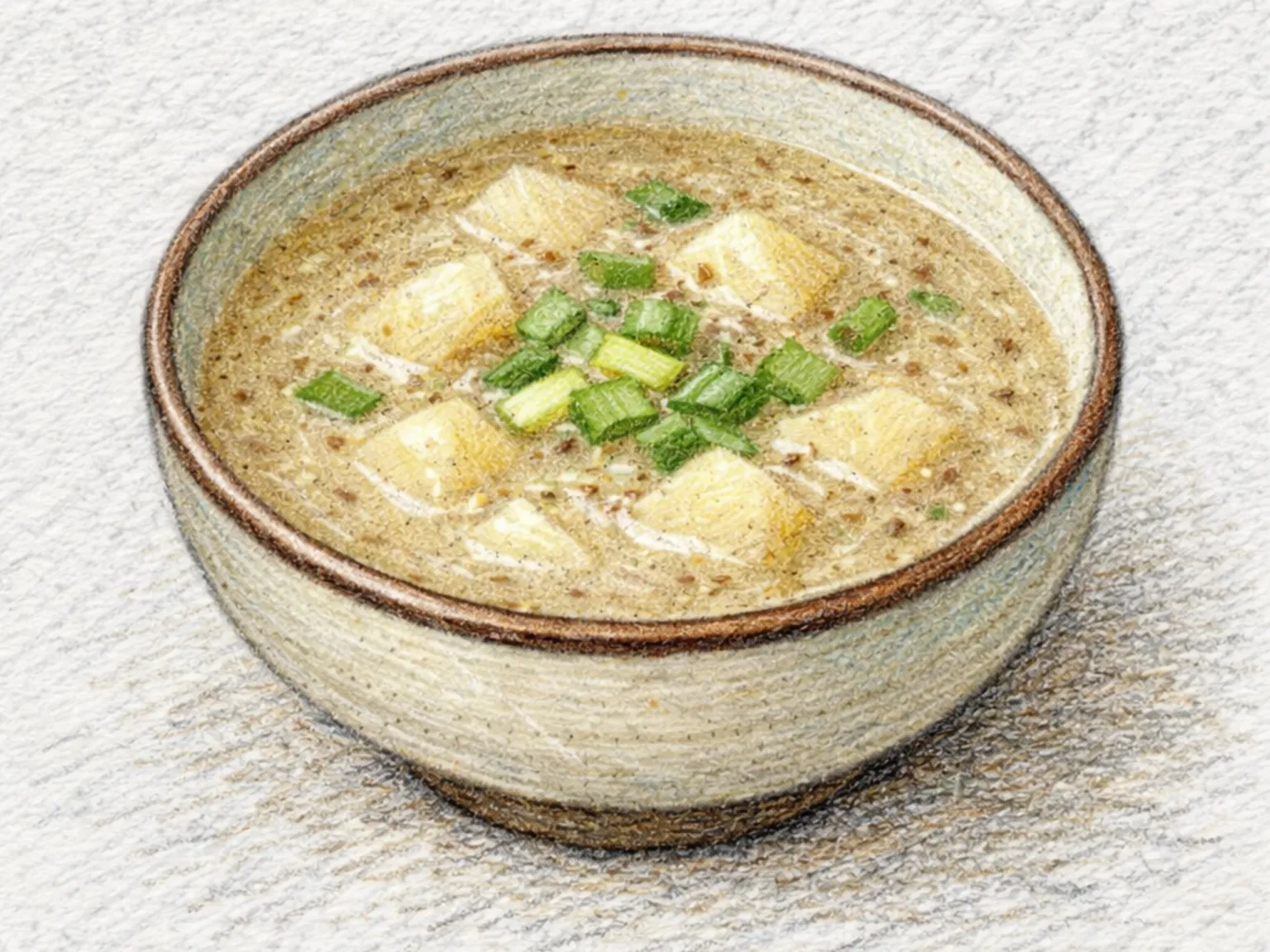
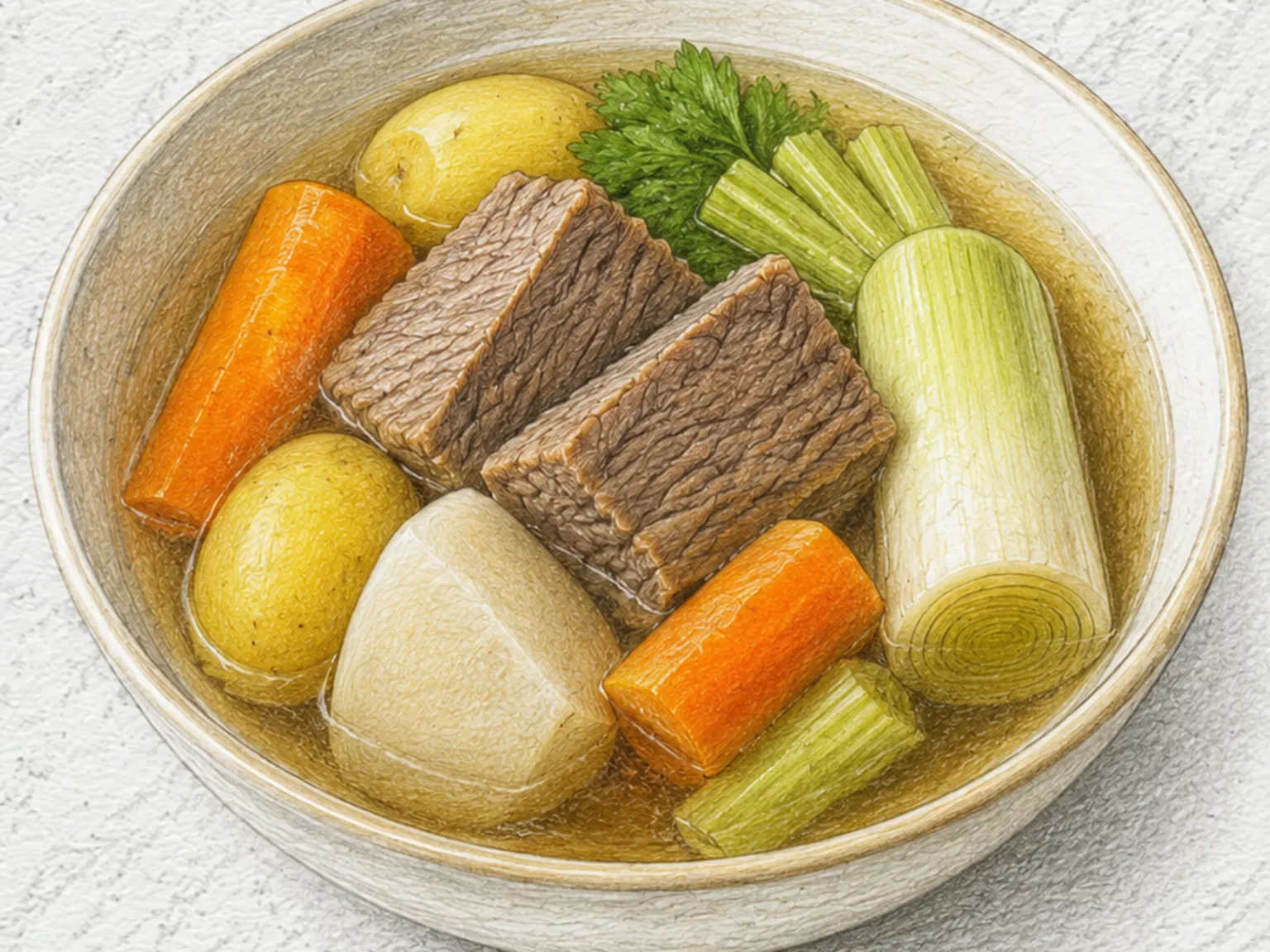
Jesa-tangguk is a traditional Korean clear soup prepared for ancestral rites and formal family gatherings. Beef brisket is first soaked in cold water for at least an hour to draw out the blood, then simmered over medium heat for an extended time to produce a clear, deeply flavored stock that forms the foundation of the entire bowl. Skimming the surface regularly during cooking keeps the broth transparent and clean-tasting. Radish cooks until nearly translucent, releasing a gentle natural sweetness into the stock, while blocks of tofu and sliced shiitake mushrooms add contrasting textures. Seasoning is limited to soup soy sauce and garlic, preserving the purity of the broth and allowing each ingredient's flavor to come through undisguised. Fat is skimmed away before serving, producing the spotless, refined finish expected of ritual food. The aesthetic matters as much as the flavor: ingredients are cut into tidy, uniform shapes and arranged with deliberate care, reflecting the reverence that is central to the jesa ritual. Beyond ceremonial occasions, jesa-tangguk is a comforting home-style soup enjoyed at holidays and family meals for its clean, balanced warmth.

🏠 Everyday 🎉 Special Occasion
Prep 20min Cook 30min 4 servings

Similar recipes

Korean Braised Beltfish with Potatoes
Stir-fry Medium

Korean Braised Beltfish with Potatoes

Galchi-gamja-jorim is a Korean braise of ribbonfish and potatoes cooked together in a soy-based sauce seasoned with gochugaru, garlic, and onion. Ribbonfish has naturally oily, tender flesh that holds together well during braising, and as the fat renders into the liquid it builds a deep seafood umami that defines the dish. The potatoes absorb this concentrated broth as they cook, becoming floury and well-seasoned all the way through rather than just on the surface. Onion breaks down and dissolves into the sauce as it reduces, contributing sweetness that balances the salt and spice. The heat level is adjustable: standard gochugaru gives color and mild warmth, while adding cheongyang chili peppers sharpens the spice. The dish is best served when the sauce has reduced to a thick, glossy consistency that clings to each piece. A spoonful of that sauce over plain rice rounds out the meal. Sliced Korean radish added to the pot introduces a clean, slightly peppery sweetness to the broth.

🏠 Everyday 🍱 Lunchbox
Prep 18min Cook 22min 2 servings
Korean Braised Mackerel in Spicy Sauce
Side dishes Medium

Korean Braised Mackerel in Spicy Sauce

Godeungeo-jorim is one of the most frequently cooked fish banchan in Korean homes, pairing mackerel's assertive flavor with a spicy braising sauce that demands steamed rice. Mackerel is cut into steaks and salted for ten minutes to draw out fishy odors, then arranged over thick radish slices that line the pot bottom. The radish serves dual duty: preventing the fish from sticking and releasing its natural sweetness into the braising liquid below. A sauce of gochugaru, gochujang, soy sauce, garlic, ginger, and sugar is spooned over, and the pot simmers covered for twenty minutes. During this time the seasoning penetrates the flesh while the radish absorbs enough sauce to rival the fish itself as the most satisfying component of the dish. Green onion added in the final minutes lifts the heavy spice with a fresh sharpness.

🏠 Everyday 🍱 Lunchbox
Prep 15min Cook 25min 4 servings
Korean Braised Potato and Fish Cake
Steamed Easy

Korean Braised Potato and Fish Cake

Gamja eomuk jorim is a Korean home-style braised side dish of potato chunks and fish cake sheets, simmered together in a sauce of soy sauce and oligosaccharide syrup. The starchy potato cubes slowly absorb the seasoning as they cook, turning soft and floury in texture while carrying the full depth of the soy glaze. Fish cake sheets provide a springy, chewy counterpoint that holds its shape throughout braising. Minced garlic is stirred in early to mellow into the sauce, and a finishing drizzle of sesame oil adds a roasted, nutty fragrance that ties the dish together. The recipe requires minimal preparation and cooks in under twenty minutes, making it a practical choice for weekday meals. It is one of the most frequently packed Korean lunchbox items and a staple side dish on everyday home tables.

🏠 Everyday 🍱 Lunchbox
Prep 10min Cook 25min 2 servings

Tips

If fishy smell is a concern, soak mackerel in rice-rinse water for 5 minutes.
Keep potato slices thick so they do not break apart while braising.

Nutrition (per serving)

Calories
420
kcal
Protein
29
g
Carbs
27
g
Fat
22
g