Korean Meat Mandu (Pork and Beef Dumplings with Tofu Filling)

Korean Meat Mandu (Pork and Beef Dumplings with Tofu Filling)

Quick answer

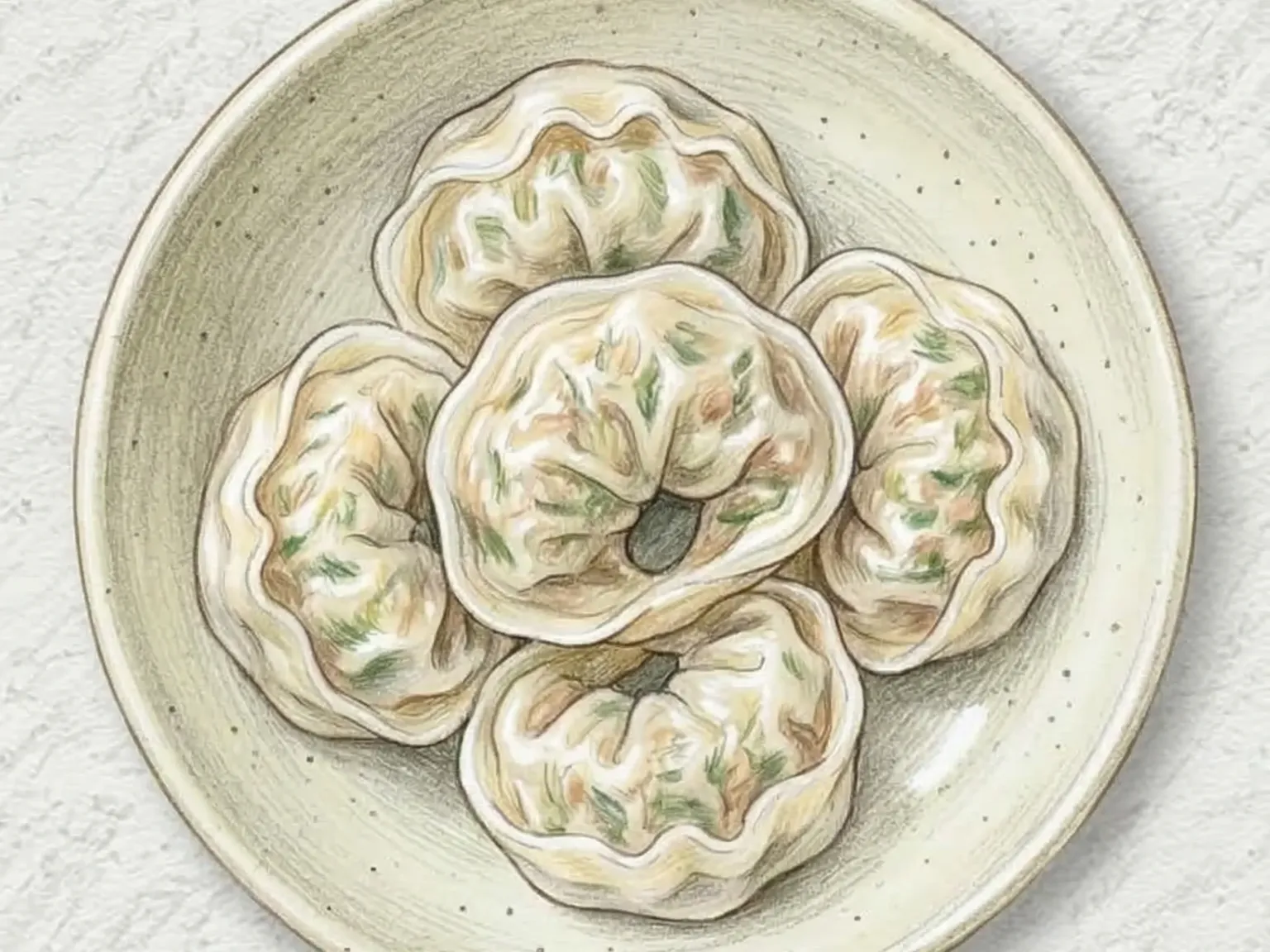
Gogi-mandu is a Korean meat dumpling filled with ground pork, ground beef, squeezed tofu, onion, scallion, and garlic, seasoned with soy sauce and sesame oil.

What makes this special

  • Gogi-mandu balances ground pork and beef with pressed tofu for a rich, umami-heavy filling.
  • Pork-beef blend balances fat richness with deep umami
  • One-directional kneading binds protein to lock in juices
Total time
45 min
Level
Medium
Servings
4 servings
Ingredients
11
Calories
310 kcal
Protein
20 g

Key ingredients

Dumpling wrappersGround porkGround beefTofuOnion

Core cooking flow

  1. 1 Wrap 100 g tofu in a clean cloth and squeeze until it feels dry and crumbly.
  2. 2 Put 200 g ground pork, 100 g ground beef, tofu, the minced vegetables, and 1 tbsp minced garlic in a bowl.
  3. 3 Knead the filling in one direction for about 3 minutes with a hand or sturdy spatula.

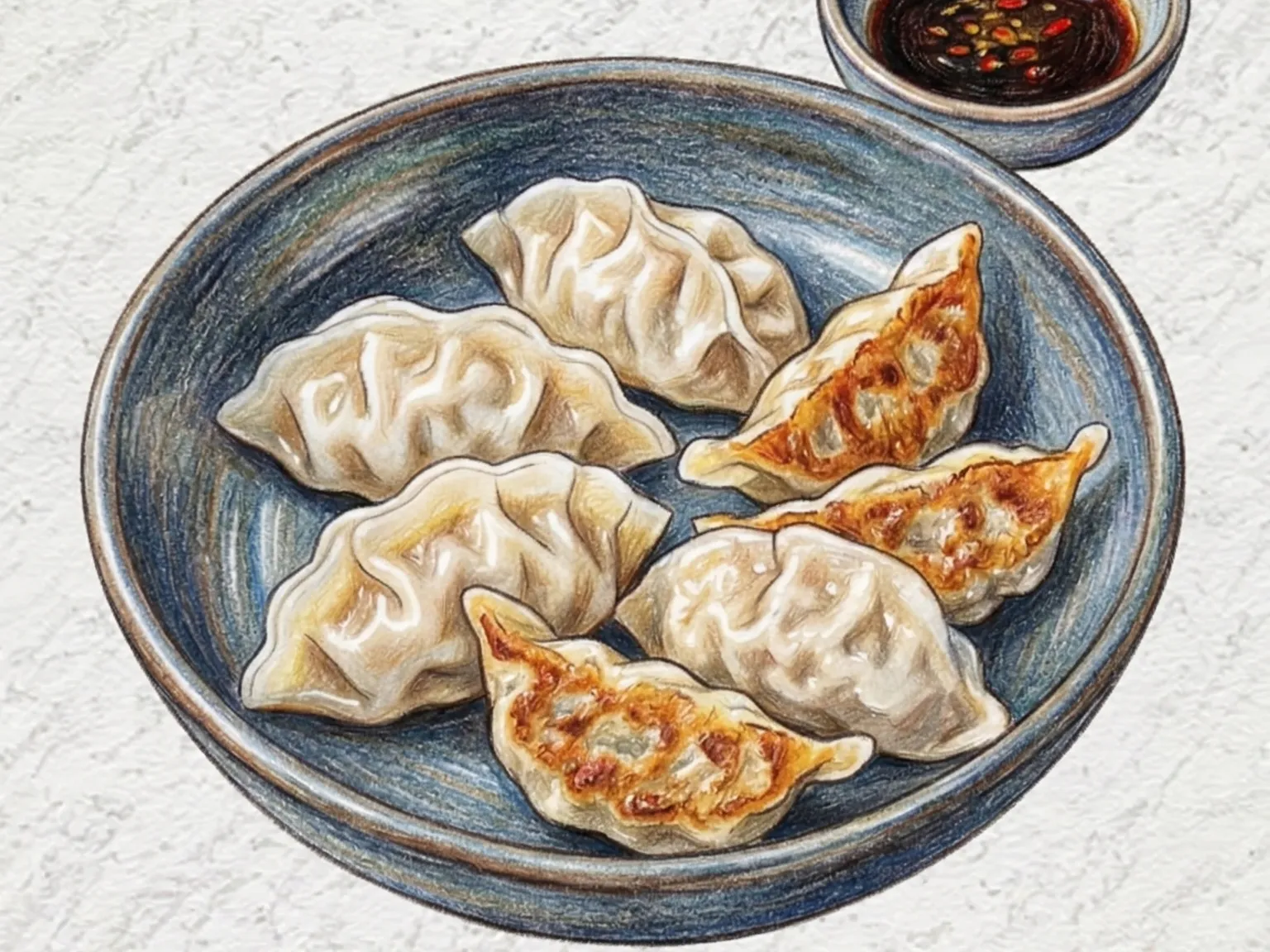
Gogi-mandu is a Korean meat dumpling filled with ground pork, ground beef, squeezed tofu, onion, scallion, and garlic, seasoned with soy sauce and sesame oil. Kneading the filling in a single direction develops myosin bonds in the meat proteins, giving the mixture a sticky consistency that helps it hold together and retain moisture during cooking. The pork contributes fat and a mild sweetness, the beef adds a deeper, more savory flavor, and the tofu, wrung dry before mixing, softens the overall texture and prevents the filling from becoming too dense. These dumplings can be steamed in a basket for a clean, light result, or cooked using the steam-then-fry method: a splash of water in a covered pan brings them through with heat, then the lid is removed and the bottoms are crisped directly on the pan surface, producing a golden, crunchy base that contrasts with the soft filling above.

Prep 30min Cook 15min 4 servings

Instructions

Read the steps as a cooking flow: prep, heat, seasoning, doneness control, and finish.

6 steps
  1. 1
    Control

    Wrap 100 g tofu in a clean cloth and squeeze until it feels dry and crumbly.

    Finely mince 80 g onion and 40 g green onion under 0.5 cm, then press them with paper towels to reduce excess moisture.

  2. 2
    Season

    Put 200 g ground pork, 100 g ground beef, tofu, the minced vegetables, and 1 tbsp minced garlic in a bowl.

    Add 1 tbsp soy sauce, 1 tbsp sesame oil, 0.5 tsp salt, and 0.25 tsp black pepper.

  3. 3
    Heat

    Knead the filling in one direction for about 3 minutes with a hand or sturdy spatula.

    Stop when it turns sticky, pulls together, and clings to the side of the bowl, which helps keep juices inside during cooking.

  4. 4
    Step

    Place 1 tbsp filling in the center of each of the 30 wrappers.

    Moisten the edge lightly with water, fold into a half moon, and make 8 to 10 pleats while pressing out trapped air so the seams do not open.

  5. 5
    Control

    For steaming, line the steamer with oiled parchment and arrange the dumplings with space between them.

    Once the water boils, reduce to medium heat and steam about 15 minutes, until the wrappers look slightly translucent and the filling is firm.

  6. 6
    Control

    For pan-fried dumplings, oil a pan and brown the bottoms over medium heat for about 3 minutes.

    Add 100 ml water, cover and steam 5 minutes, then uncover and cook off the liquid until the bases turn crisp.

After the steps

Pick a recipe that fits this dish.

Continue with shared ingredients, meal pairings, or a similar method.

Recipes That Go Well With This

More Street food →

Based on shared ingredients and meal pairing

Korean Steamed Mandu (Pork and Tofu Dumplings Steamed in Half-Moon Shape)
Shared ingredient: dumpling wrappers Street food

Korean Steamed Mandu (Pork and Tofu Dumplings Steamed in Half-Moon Shape)

Jjin mandu are Korean steamed dumplings filled with a mixture of ground pork, thoroughly squeezed tofu, soaked glass noodles, garlic chives, and onion, seasoned with soy sauce and sesame oil, then folded into crescent shapes and steamed for 12 to 15 minutes. The steaming method sets these apart from pan-fried or boiled dumplings in a fundamental way: no oil is added, so the wrapper stays moist and clings to the filling rather than crisping, and the filling's own flavors come through without the richness that frying introduces. Removing as much moisture as possible from the tofu before mixing it in is one of the most important steps - tofu that has not been squeezed dry will release liquid during steaming and make the filling watery and the wrapper soggy. Once the moisture is gone, the tofu blends into the pork and gives the filling a softer, more yielding texture than ground meat alone. Garlic chives provide a pungent, grassy bite that naturally cuts through the fat in the pork, while the glass noodles add a slippery, chewy element that contrasts with the tender meat. At the end of steaming, the wrappers turn translucent and the filling becomes just visible through the dough - a reliable sign that the dumplings are fully cooked. A dipping sauce of soy sauce, rice vinegar, and red chili flakes provides acidity and heat that lifts the mild, clean flavor of the filling.

Korean Shrimp Mandu (Chunky Shrimp and Pork Dumplings)
Shared ingredient: dumpling wrappers Street food

Korean Shrimp Mandu (Chunky Shrimp and Pork Dumplings)

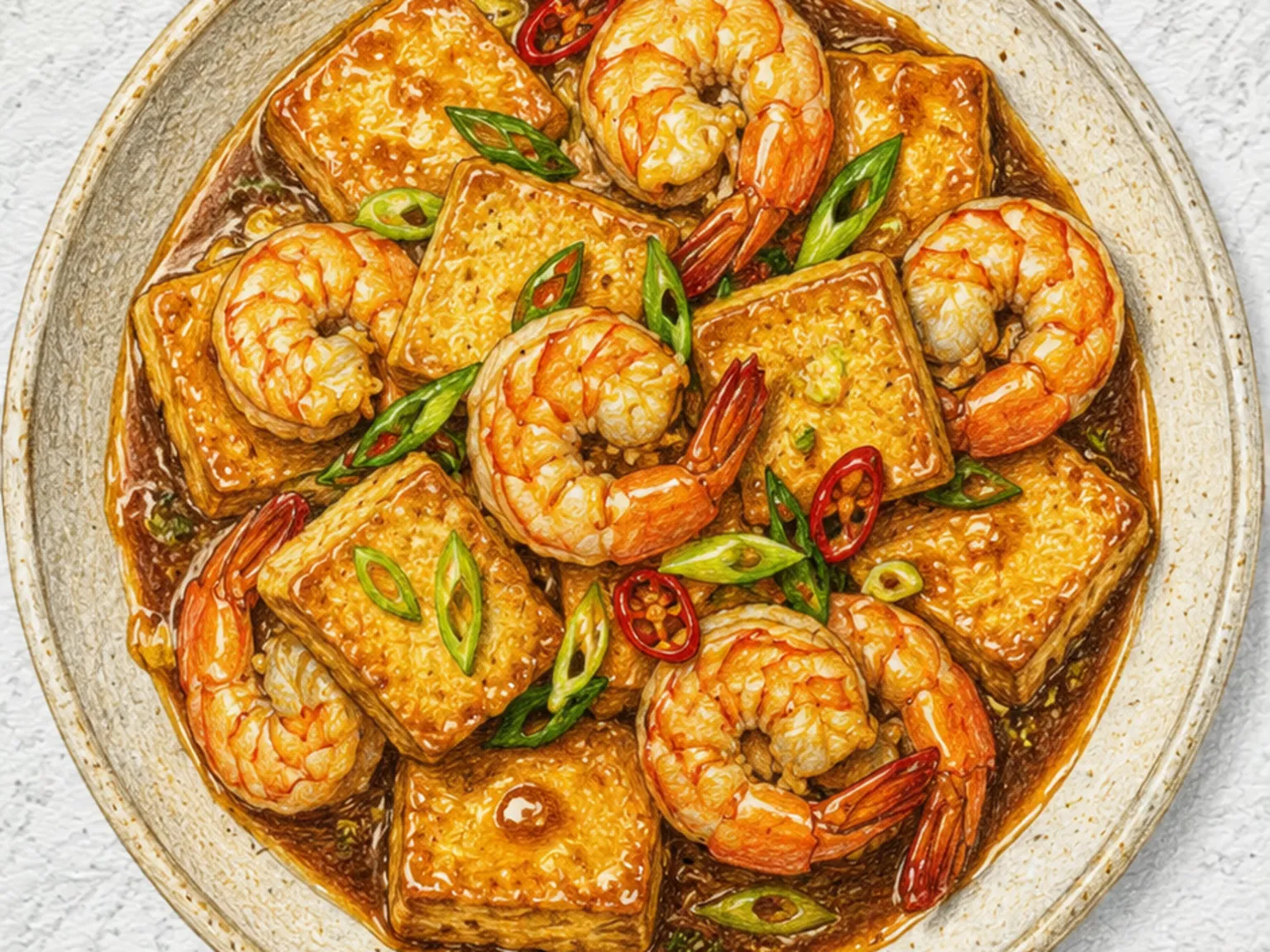
Saeu-mandu are Korean dumplings filled with coarsely chopped shrimp, ground pork, garlic chives, and onion. The shrimp is intentionally left in chunky pieces so each bite delivers a distinct pop of texture alongside the pork. The filling is seasoned with sesame oil and garlic, keeping the flavor clean with a gentle seafood sweetness underneath. Steaming turns the wrappers translucent and lets the pink shrimp show through, while pan-frying gives a golden, crisp bottom that contrasts with the soft upper shell.

Candied Sweet Potato
Serve together Desserts

Candied Sweet Potato

Goguma mattang is a Korean candied sweet potato snack made by cutting peeled sweet potatoes into large chunks and deep-frying them at 170 degrees Celsius until the interior turns floury and soft. A syrup of sugar, corn syrup, water, and a measured splash of soy sauce is cooked separately until large, foamy bubbles form - the visual cue for adding the fried sweet potatoes. Everything must be coated within thirty seconds to lock in a thin, glass-like caramel shell that crisps and turns translucent as it cools. The soy sauce shifts the flavor from purely sweet to a rounded, slightly savory depth. Pre-draining surface moisture from the cut sweet potatoes reduces oil splatter during frying and helps the syrup grip the pieces evenly. Black sesame seeds are scattered over the finished pieces for a toasted, nutty note, and each piece is spread individually on parchment paper while still warm so they cool without sticking together.

Korean Gullim Mandu (Round Dumplings)
Similar recipe Street food

Korean Gullim Mandu (Round Dumplings)

Gullim-mandu is a Korean dumpling made without wrappers. The filling of ground pork, pressed tofu, garlic chives, onion, and soaked glass noodles is kneaded firmly until cohesive enough to be rolled into balls by hand. Each ball is then coated in potato starch or cornstarch, rolled until the surface is evenly covered, and placed in a steamer. As steam penetrates the starch coating, it sets into a translucent, chewy skin that is far thinner than standard dumpling wrappers yet carries a distinct springy resistance when bitten through. A second coat of starch before steaming produces a thicker shell with a more pronounced chew. Inside, the pork juices mingle with the sharp fragrance of garlic chives while the glass noodles contribute a soft, yielding bite. The traditional accompaniment is a dipping sauce of soy sauce, rice vinegar, sesame oil, and minced cheongyang chili. Gullim-mandu can also be dropped into tteok-guk or mandu-guk, where the starch on the exterior gradually dissolves into the broth and thickens it lightly over time.

Serve with this

Korean Crispy Glazed Tofu Bites
Side dishes Medium

Korean Crispy Glazed Tofu Bites

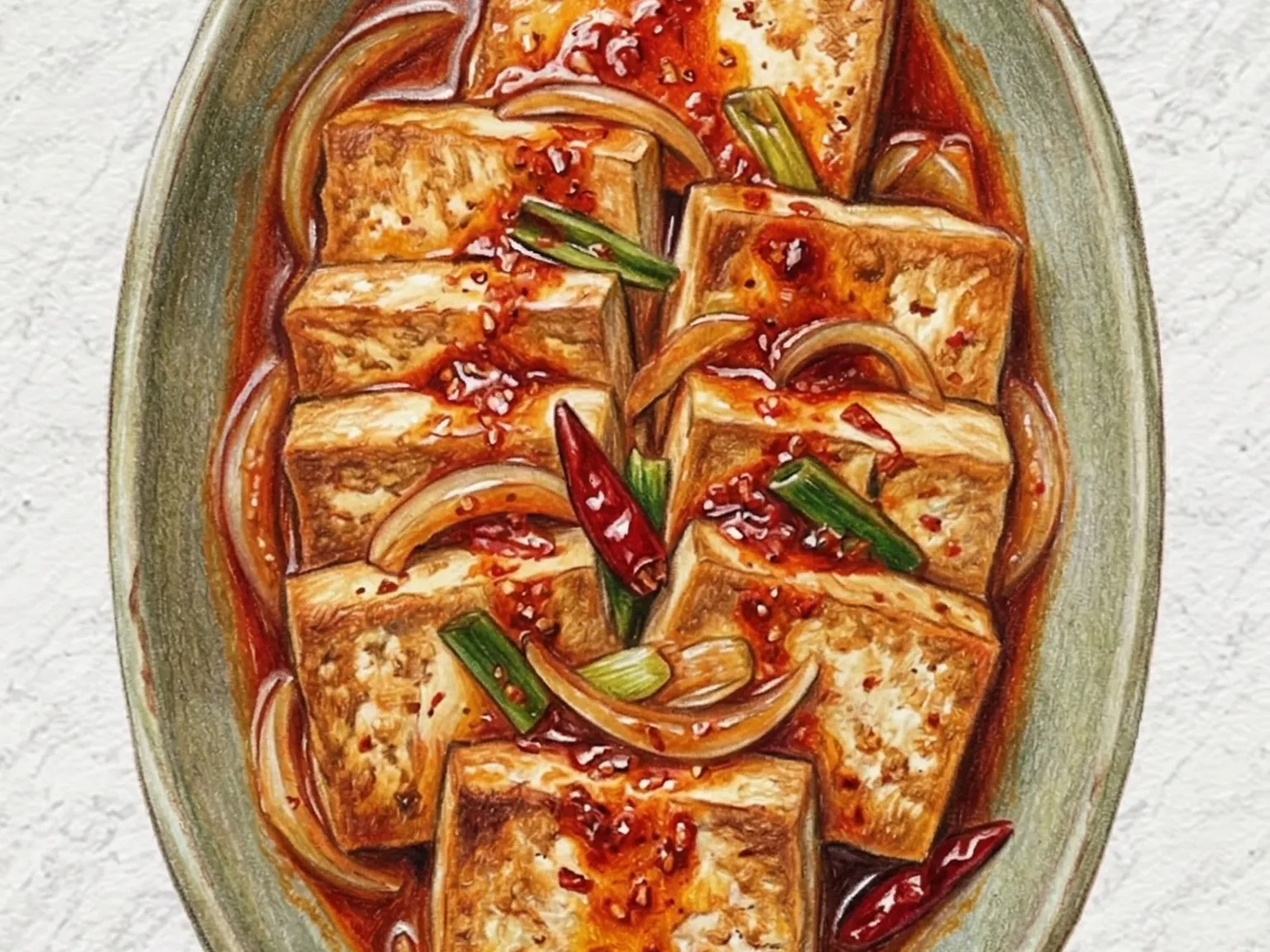
Dubu gangjeong applies the double-coating logic of Korean fried chicken to tofu, pressing each cube dry before dredging in potato starch, frying until the shell turns shattering crisp, then tossing in a concentrated sticky glaze. The dish originated in temple cuisine as a meatless adaptation of gangjeong and has since become a staple anju in Korean bars. Pressing the tofu is non-negotiable: at least twenty minutes under a heavy weight wrapped in paper towels removes enough moisture to prevent oil from splattering and allows the starch coating to adhere evenly. Potato starch produces a noticeably thinner and more translucent crust than wheat flour, which cracks cleanly rather than bending when bitten. The glaze is made by boiling gochujang, soy sauce, sugar, and rice syrup together until large bubbles break on the surface, signaling that the mixture has concentrated and will cling rather than pool. Pouring the hot glaze over the fried tofu and tossing quickly coats every surface in an even, lacquer-like finish. The defining quality of a well-made dubu gangjeong is the contrast between the caramelized shell with its slight chew and the soft, almost custard-like interior. Once made, it must be eaten within ten minutes before the coating absorbs moisture and goes soft.

🏠 Everyday 🧒 Kid-Friendly
Prep 18min Cook 15min 2 servings
Korean Kimchi Bulgogi Udon
Noodles Easy

Korean Kimchi Bulgogi Udon

Kimchi bulgogi udon is a Korean stir-fried noodle dish that brings together the sharp acidity of well-fermented kimchi and the sweet, savory depth of thinly sliced bulgogi beef, all coating thick, round udon strands. The beef is seared quickly over high heat to develop browning on the surface before onion and kimchi join the pan and cook until nearly all their moisture evaporates, concentrating both flavor and color. A sauce of soy sauce, gochujang, and sugar goes in next, followed by briefly blanched udon noodles that get tossed on maximum heat for about one minute so every strand absorbs the sauce while retaining a firm bite. The thick cross-section of udon holds bold, clingy sauces better than thinner noodles and creates a satisfying, filling meal without any broth. When kimchi is especially sour, a small addition of sugar or a quick rinse of the kimchi before cooking brings the acidity back into proportion. Finishing with sliced scallion and toasted sesame seeds adds color and a nutty lift that completes the dish.

🏠 Everyday 🌙 Late Night
Prep 15min Cook 12min 2 servings
Korean Sweet Red Bean Latte
Drinks Medium

Korean Sweet Red Bean Latte

Pat-latte is a Korean red bean milk drink built around two simultaneous uses of the same cooked beans. Most of the beans are blended smooth with water into a thick puree, while the remainder are left whole and stirred in afterward to provide soft, chewy pockets of texture throughout. That combined bean base goes into a saucepan with milk and warms over medium-low heat as sugar, sweetened condensed milk, a pinch of salt, and vanilla extract are added one by one. The condensed milk transforms the beans' mild natural sweetness into something denser and more complex, landing somewhere between caramel and roasted grain. Salt does not make the drink taste salty but instead sharpens the contrast that makes the sweetness register more clearly on the palate. Vanilla rounds off the earthy, slightly rustic edge of red bean aroma and brings the whole flavor profile together. Served hot, the drink takes on the gentle warmth of traditional red bean porridge. Poured over ice, the same flavors tighten and become more concentrated. Either way, stirring once before drinking keeps the whole beans evenly distributed rather than settled at the bottom.

🍺 Bar Snacks 🌙 Late Night
Prep 12min Cook 20min 2 servings

Similar recipes

Korean Crispy Kimchi Fried Dumplings
Street food Easy

Korean Crispy Kimchi Fried Dumplings

Kimchi gun mandu are pan-fried dumplings filled with finely chopped kimchi, squeezed tofu, ground pork, and green onion seasoned with soy sauce and garlic, shaped into half-moons. The bottoms are first crisped in oil, then water is added and the pan is covered for four minutes to steam the tops, achieving a contrast of crunchy base and moist upper wrapper. The kimchi's acidity and heat permeate the pork fat to create a more assertive umami than plain dumplings, and the tofu smooths out the filling's texture. A splash of vinegar in the soy dipping sauce cuts any greasiness.

🧒 Kid-Friendly 🏠 Everyday
Prep 20min Cook 12min 2 servings
Korean Iron Plate Onion and Meat Grill
Grilled Easy

Korean Iron Plate Onion and Meat Grill

Thick onion rings and sliced pork belly are grilled together on a hot iron plate with melted butter. The onions cook slowly over medium heat, allowing their natural sugars to caramelize into deep sweetness, while rendered pork fat seeps into the onion layers and enriches their flavor. A drizzle of soy sauce at the end sizzles on the hot surface, distributing a salty accent evenly across both ingredients. The preparation relies on just six ingredients and zero marinade - the appeal lies entirely in the interplay of caramelized onion sweetness, smoky pork fat, and butter richness on a searing-hot plate.

🍺 Bar Snacks ⚡ Quick
Prep 10min Cook 15min 2 servings
Korean Grilled Pork Skirt Meat
Grilled Medium

Korean Grilled Pork Skirt Meat

Galmaegisal-gui consists of grilled pork skirt steak harvested from the diaphragm muscle of the pig. This specific cut is recognized in Korean cuisine for its scarcity, as a single animal yields only between 200 and 300 grams of meat. Due to this limited supply, the cut is categorized as a specialty item within Korean barbecue establishments rather than a standard staple. Structurally, the meat resembles beef skirt steak because it features a very pronounced grain. This physical characteristic results in a texture that provides a substantial and firm chew. Additionally, the cut carries a specific fatty aroma that is characteristic of pork yet distinct from other common grilled parts of the animal. Before the meat reaches the heat, it typically receives a light seasoning composed of soy sauce, minced garlic, and cracked black pepper. The cooking process requires a high temperature, using either a bed of natural charcoal or a heavily heated pan to sear the exterior rapidly. Because the slices are relatively thin, the preparation involves keeping each side over the maximum heat source for less than sixty seconds. This timing ensures that the surface undergoes the Maillard reaction to achieve caramelization without drying out the interior. Ideally, the center of the meat remains slightly pink, reaching a medium level of doneness. If the cooking time extends beyond this window, the muscle fibers tend to contract and tighten significantly. Such overcooking removes the springy and resilient texture that defines the quality of this particular cut. When prepared over charcoal, the smoke particles are able to enter the juices of the pork, which produces a complex layer of smokiness. This specific flavor profile is difficult to achieve when using a standard gas or electric heating element. Once removed from the grill, the hot slices are traditionally dipped into a small saucer containing sesame oil and coarse grains of salt. This combination allows the toasted scent of the oil to blend with the smoky residue from the charcoal. For the final step of the meal, the meat is often placed inside a wrap made of fresh perilla or lettuce leaves. The addition of these greens introduces a botanical flavor that balances the inherent richness of the grilled pork.

🍺 Bar Snacks 🏠 Everyday
Prep 20min Cook 12min 2 servings

Tips

Mixing the filling in one direction creates a sticky texture that locks in juices.
Freeze dumplings right after forming for up to 1 month of storage.

Nutrition (per serving)

Calories
310
kcal
Protein
20
g
Carbs
26
g
Fat
14
g