Korean Fried Sweet Potato
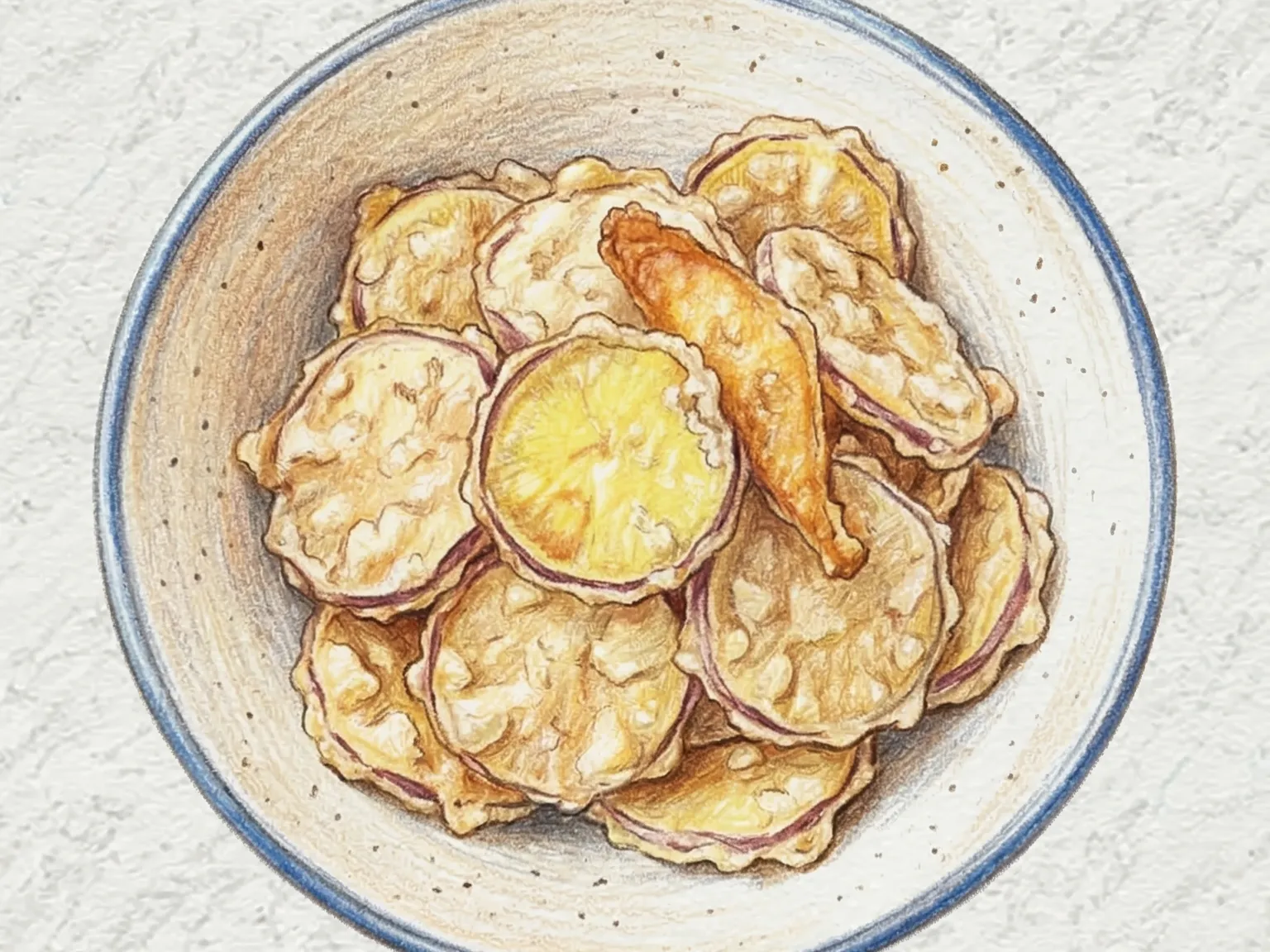
Goguma-twigim is Korean deep-fried sweet potato, sliced into 0.5 cm rounds, dipped in tempura-style batter, and fried at 170 degrees Celsius until golden. Using ice-cold water for the batter is essential - it slows gluten formation, producing a thin, delicate crust that does not mask the potato's own flavor. Once out of the oil, the concentrated natural sweetness of the sweet potato sits just beneath the crisp shell, and a pinch of salt heightens that sweetness further. It is a standard side order at tteokbokki shops and one of the most universally enjoyed Korean street snacks.
Adjust Servings
Instructions
- 1
Slice sweet potato into 0.5 cm rounds.
- 2
Mix tempura batter with cold water until just combined.
- 3
Coat slices in batter and fry at 170°C until golden.
- 4
Drain and sprinkle with a pinch of salt.
As an Amazon Associate, we may earn from qualifying purchases.
Tips
Nutrition (per serving)
More Recipes

Korean Potato Fritters
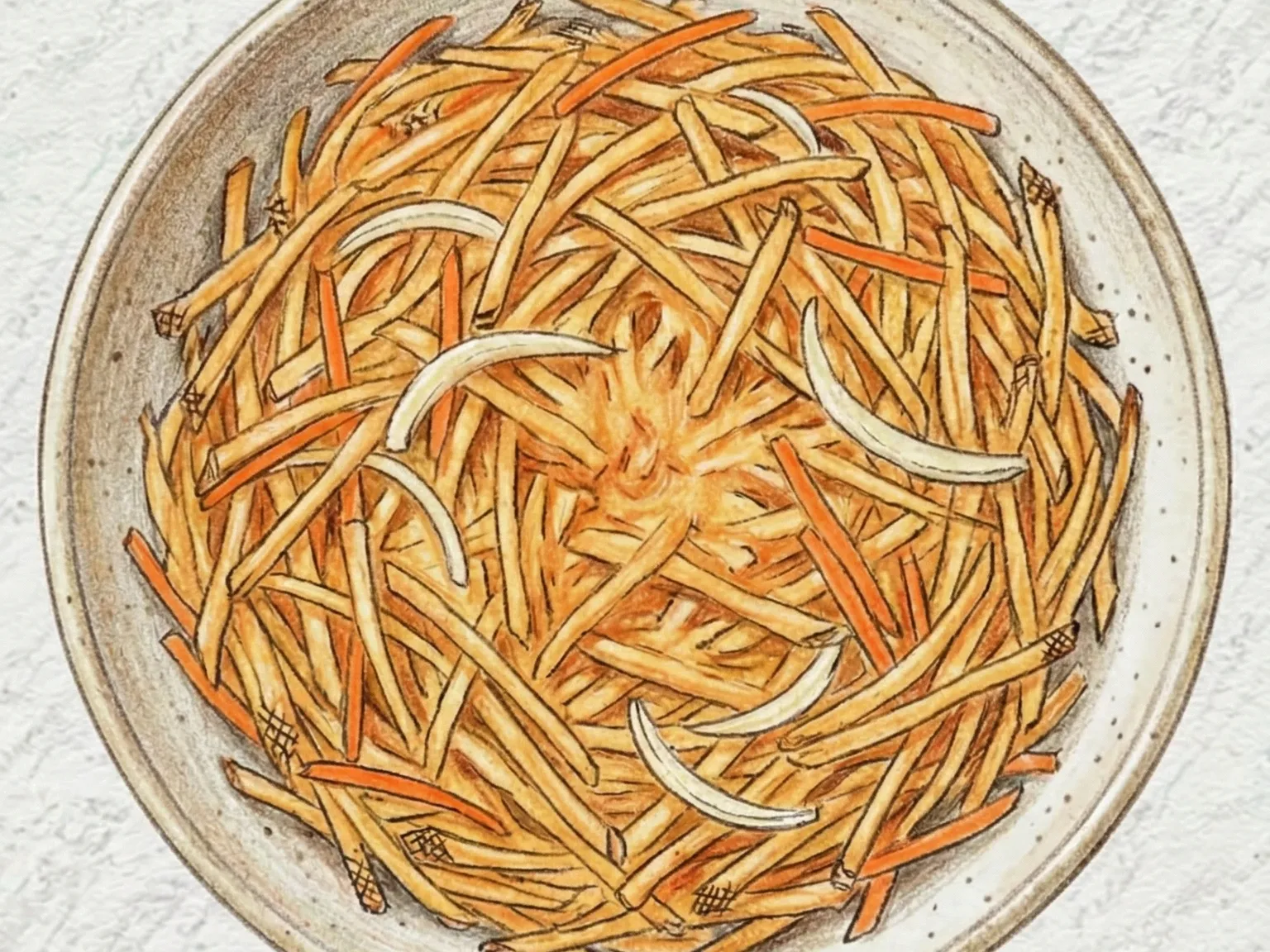
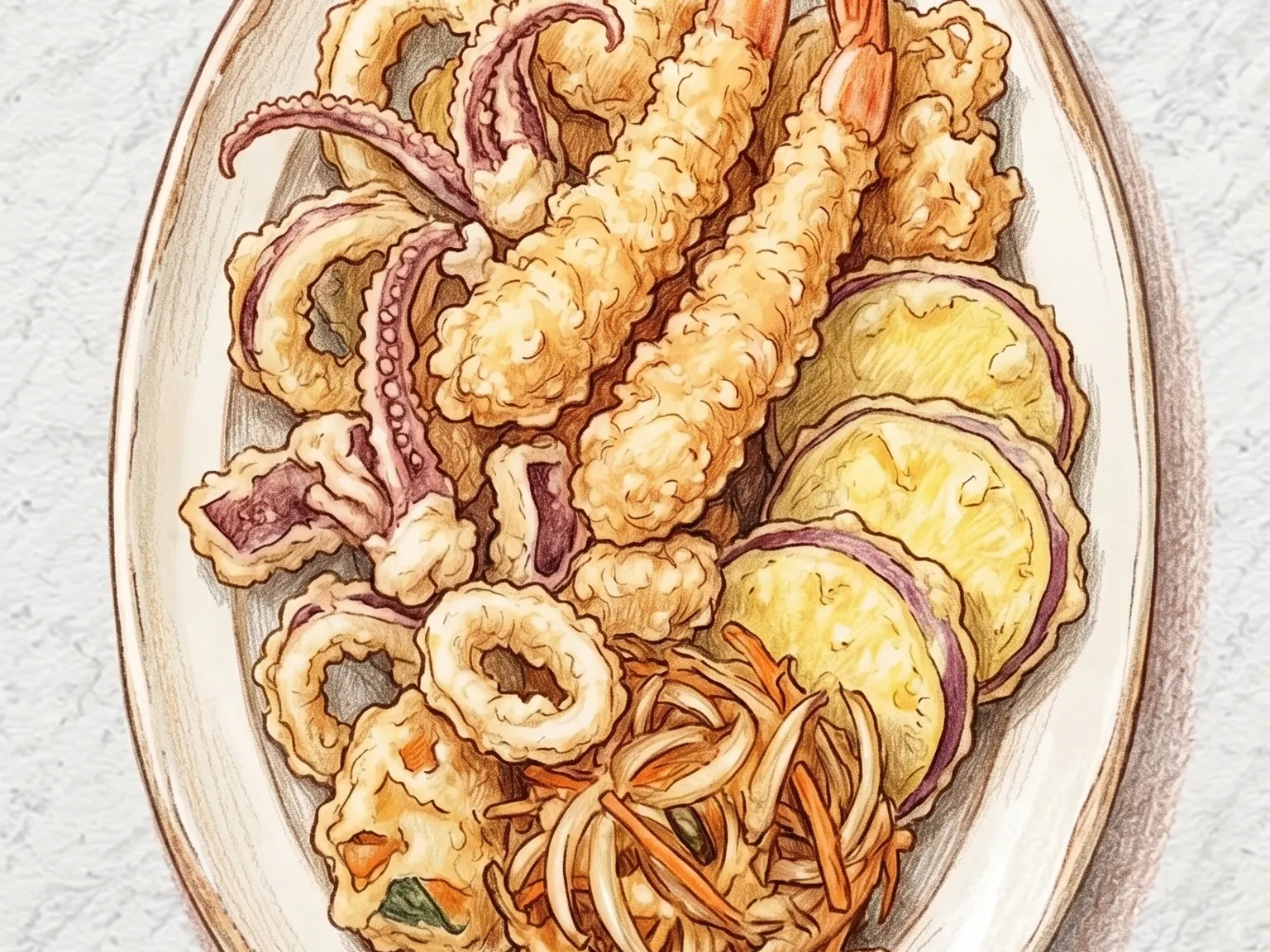
Gamja twigim coats sliced or shredded potatoes in a batter of frying mix and cold water, then deep-fries them until golden and crisp. Soaking the cut potatoes in cold water to wash off surface starch results in a crunchier finish after frying, and keeping the batter coat thin lets the potato's own starchy sweetness come through. Thick-cut slices yield a fluffy interior beneath the crust, while shredded potatoes tangle together into a chip-like, airy cluster. A simple dusting of salt is enough to bring out the potato flavor, and Korean fritter shops typically serve these alongside chili pepper and perilla leaf tempura as part of a mixed platter.

Korean Glutinous Rice Donut
Chapssal donut is a Korean deep-fried treat made from glutinous rice flour kneaded with sugar, salt, and hot water, then fried at 170 degrees Celsius. The sticky rice dough puffs up in the oil, forming a thin, crisp outer shell while the inside stays dense and chewy. Unlike wheat-flour donuts, each bite stretches with a mochi-like pull due to the glutinous starch. Coating in sugar immediately after frying lets the crystals cling to the hot surface, locking in both crunch and sweetness.

Korean Sweet Potato Rice (Steamed Grain Bowl with Natural Sweetness)
Cubed sweet potato is placed on top of washed rice and cooked together in a single pot. As the rice steams, the sweet potato's natural sugars seep into the grains, lending a gentle sweetness without any added seasoning, and the orange chunks against white rice create an inviting visual contrast. Cutting the sweet potato to roughly 2 cm ensures it cooks through at the same rate as the rice. A small pinch of salt sharpens the sweetness, and pairing the finished bowl with doenjang soup or kimchi provides a salty counterpoint.

Bibim Dangmyeon (Spicy Glass Noodles)
Chewy sweet potato glass noodles tossed in a tangy gochujang dressing with fresh cucumber and carrot - a refreshing Korean noodle dish ready in 20 minutes. The noodles are rinsed in cold water to set their translucent, chewy texture before being dressed. Gochujang brings heat, vinegar adds tartness, and sugar balances with sweetness, creating a layered spicy-sweet-sour sauce that coats each strand evenly. A touch of sesame oil prevents the noodles from clumping and adds a subtle nutty aroma.

Korean Injeolmi Toast (Buttery Toast Topped with Rice Cake and Soybean Powder)
Injeolmi toast starts with bread pan-toasted in butter until golden, then topped with sliced injeolmi rice cake, a generous dusting of roasted soybean powder, and a drizzle of honey. The crisp bread contrasts with the sticky, chewy rice cake, while the soybean powder adds a toasty, nutty flavor that ties everything together. Briefly pan-frying the injeolmi before placing it on the toast enhances its elasticity and lightly caramelizes the surface. The entire dish comes together in under ten minutes.

Gamjaguk (Potato Doenjang Anchovy Soup)
Gamjaguk is about as elemental as Korean soup gets - potatoes simmered in anchovy stock and seasoned with either doenjang or plain salt. When doenjang is used, the broth picks up a deep fermented savoriness that wraps around the mild potato flavor. When salt alone seasons the pot, the potato's own gentle sweetness becomes the star. Either way, the potatoes soften until their edges begin to dissolve, releasing starch that gives the broth a silky quality. Garlic and green onion provide the aromatic backbone, and a handful of zucchini can stretch the bowl into something more colorful. The beauty of gamjaguk lies in its accessibility - it can be assembled from a nearly empty refrigerator in fifteen minutes and still taste like home. It is one of those soups Korean families eat so often that it barely registers as a recipe, yet it remains one of the most requested comfort foods.