Korean Spicy Whelk Stir-fry
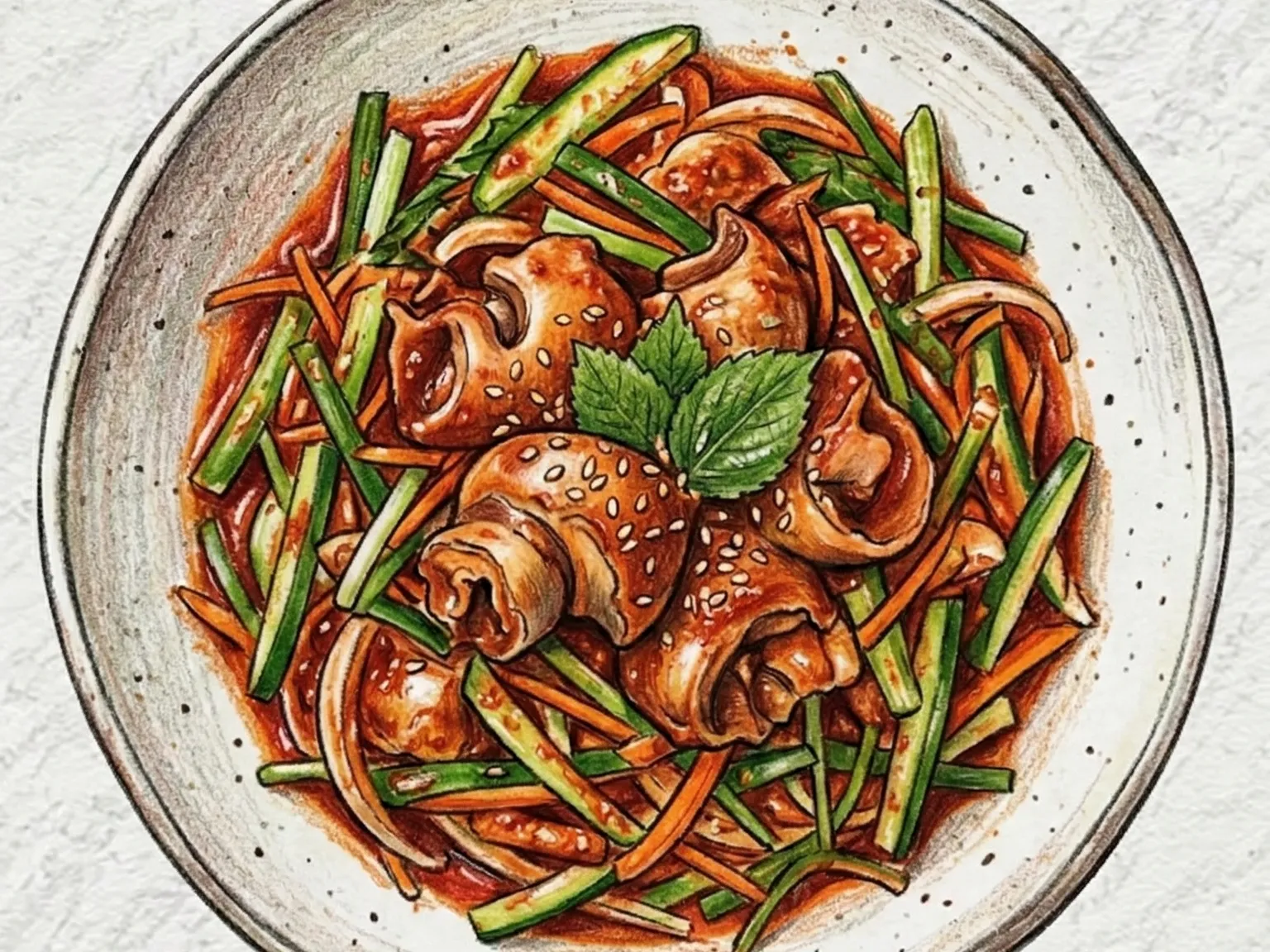
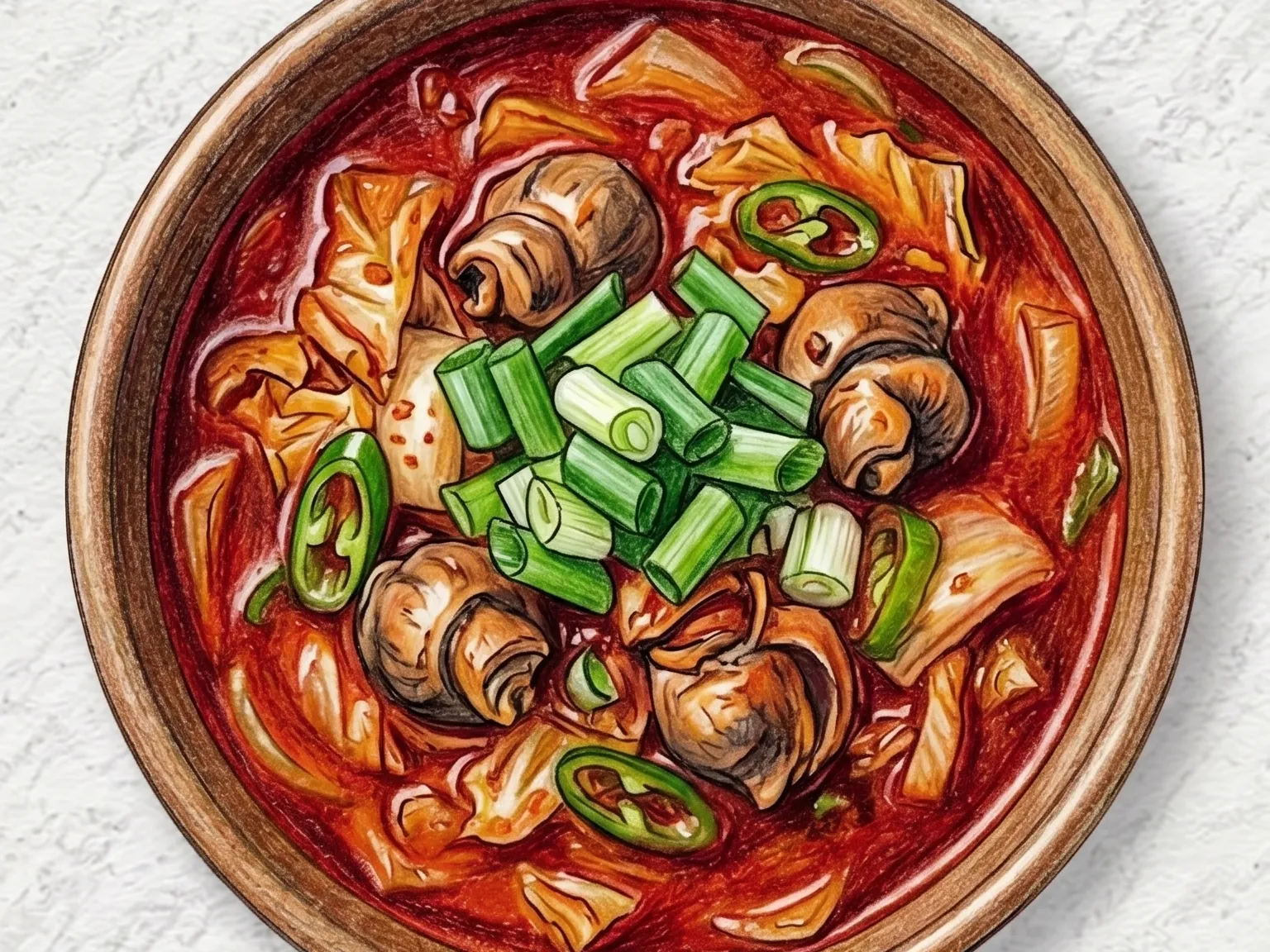
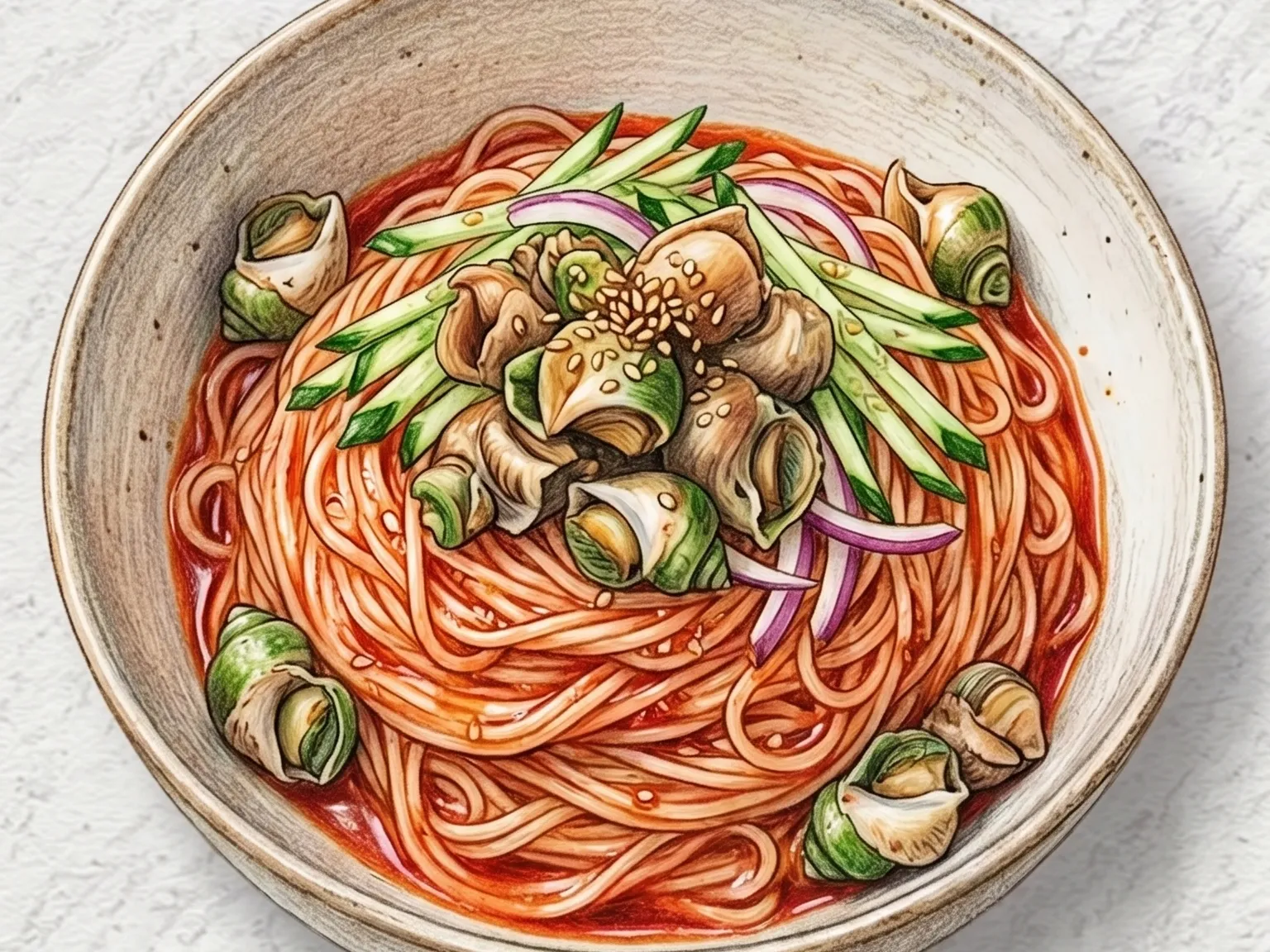
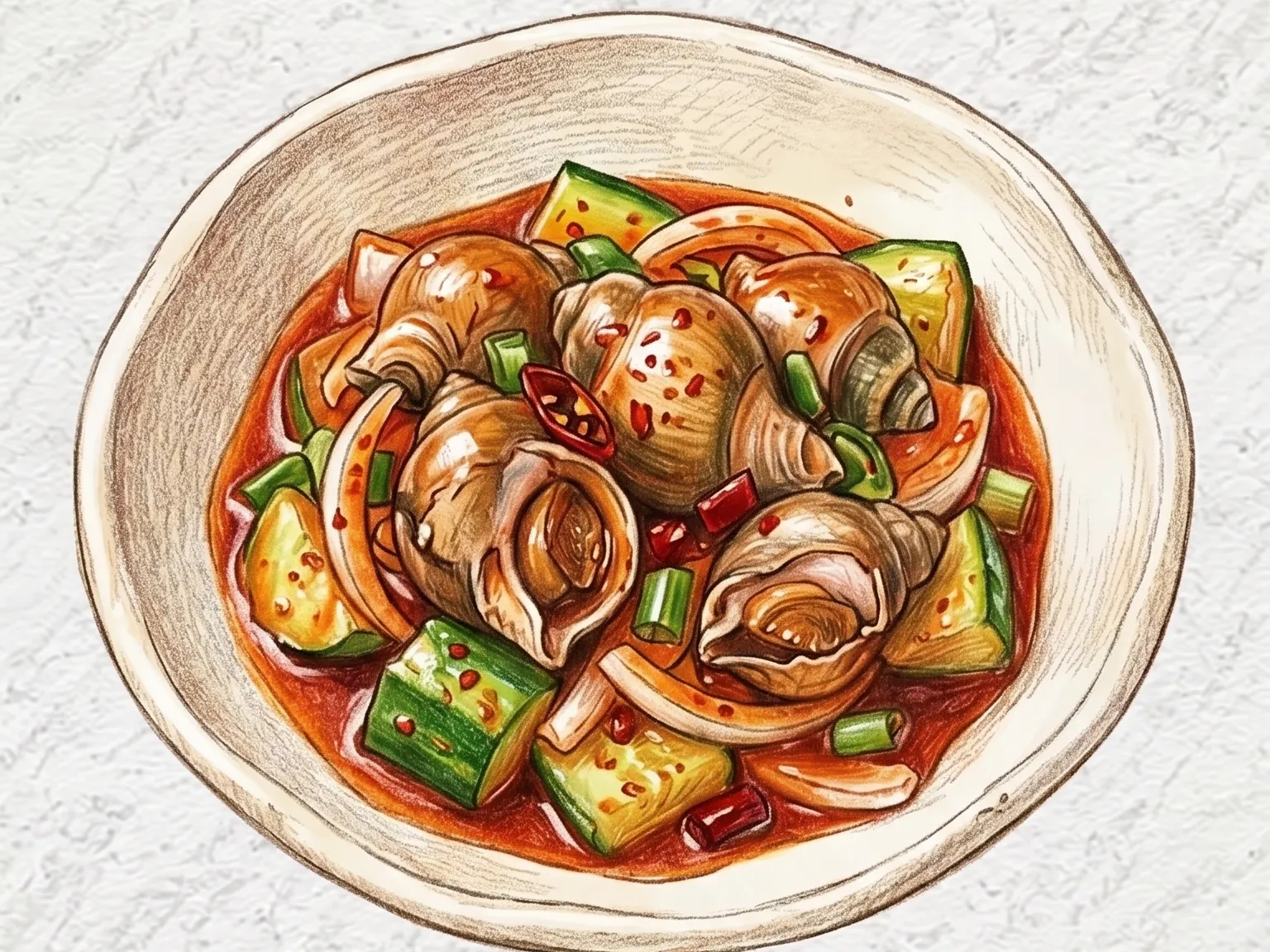
Golbaengi bokkeum is a Korean spicy whelk stir-fry that combines canned whelk with a sauce of gochujang, gochugaru, vinegar, and sugar. The whelk's firm, chewy texture is central to the dish, so cooking time is kept to just 2 to 3 minutes to prevent toughness. Vinegar adds a tangy brightness that balances the chili heat. Julienned cucumber, onion, and scallion are tossed in off the heat to maintain their crunch and freshness. Served alongside thin wheat noodles or glass noodles, it transitions easily from a banchan into a popular drinking snack.
Adjust Servings
Instructions
- 1
Drain canned whelk and halve large pieces.
- 2
Julienne onion, cucumber, and scallion.
- 3
Mix gochujang, gochugaru, vinegar, and sugar for sauce.
- 4
Quickly stir-fry whelk with sauce for 2-3 minutes.
- 5
Turn off heat and toss in vegetables to finish.
As an Amazon Associate, we may earn from qualifying purchases.
Tips
Nutrition (per serving)
More Recipes

Korean Spicy Octopus Stir-fry
Muneo-bokkeum is a Korean stir-fry of pre-boiled octopus tossed with onion, carrot, and scallion in a gochujang-soy sauce blend. The octopus is cut into bite-size pieces and needs only 2-3 minutes of high-heat cooking to warm through and absorb the spicy-salty seasoning without turning chewy. Vegetables are kept slightly underdone to provide a crisp counterpoint to the octopus's springy, dense chew. The sauce is mixed from gochujang, soy sauce, and garlic before hitting the pan, so the stir-fry proceeds quickly with a final drizzle of sesame oil.

Korean Oyster Water Parsley Stir-fry
Gul-minari-bokkeum stir-fries plump raw oysters with fragrant water parsley (minari), gochugaru, and light soy sauce over high heat. The oysters cook just enough to firm up while keeping their juicy brine, and the minari retains its crunch and herbal freshness. The briny sweetness of the oysters meets the clean, grassy note of minari, creating a balanced and refreshing dish. It is best prepared in winter when oysters are at their plumpest and most flavorful.

Korean Garlic Scape Clam Stir-fry
Maneuljjong-jogae-bokkeum is a Korean stir-fry of clam meat and garlic scapes tossed quickly over high heat with soy sauce, oyster sauce, and minced garlic. The clams contribute a briny, oceanic depth that pairs with the salty-sweet seasoning, while the garlic scapes - cut into 4 cm pieces and barely cooked - retain their firm, snappy bite. Diagonally sliced red chili adds a gentle warmth without overwhelming the seafood flavor. The dish cooks in under ten minutes, relying on speed and high heat to keep the clams soft and the scapes crunchy.

Korean Aged Kimchi Tuna Stir-fry
Mukeunji-chamchi-bokkeum stir-fries well-aged kimchi with drained canned tuna, concentrating the kimchi's sharp tanginess alongside the tuna's protein-rich umami. Onion and scallion whites cook first to build sweetness, then the aged kimchi is added and stir-fried for four minutes to drive off excess moisture, intensifying its flavor before gochugaru and sugar go in. The tuna joins last and needs only three minutes of tossing to absorb the bold, tangy sauce without falling apart. A finish of sesame oil and scallion greens adds fragrance to what is one of the most common Korean home-style banchan.

Korean Spicy Gochujang Dried Squid Stir-Fry
Jinmichae - shredded dried squid - is a Korean pantry staple prized for its chewy texture and umami that intensifies the longer you chew. This preparation coats the strands in a gochujang glaze, making it one of the most widely kept banchan in Korean refrigerators. Briefly soaking the dried squid in water before squeezing softens the tough fibers and opens them to absorb the sauce. The sauce - gochujang, gochugaru, rice syrup, soy sauce, and garlic - is stir-fried first over low heat to mellow the raw chili edge, then the squid is tossed through quickly. Sesame oil and seeds finish the dish off heat, producing a sweet-spicy coated snack that keeps well for days.

Korean Stir-Fried Eggplant Banchan
Gaji bokkeum transforms eggplant - a vegetable Koreans have cultivated since the Goryeo period - into a quick, oil-glazed banchan where the cooking speed matters as much as the seasoning. The eggplant is sliced into half-moons, and the pan must be scorching hot before the pieces enter; any hesitation and the eggplant will steam rather than sear, turning it into a soggy mass. High heat with minimal oil produces lightly charred edges while the interior turns silky and almost custardy. Soy sauce, garlic, and sesame oil go in during the final thirty seconds, sizzling against the hot surface and coating each piece in a thin, caramelized layer. The dish has a concentrated, clean umami taste without the heaviness of a braised preparation. Korean home cooks make this as a weeknight banchan precisely because it takes under ten minutes from cutting board to table.