Korean Whelk Stew (Spicy Canned Whelk & Cabbage Pot)
Stews Easy

Korean Whelk Stew (Spicy Canned Whelk & Cabbage Pot)

Quick answer

Golbaengi-jjigae is a spicy Korean stew made with canned whelk as the centerpiece.

What makes this special

  • Golbaengi jjigae maintains the firm, bouncy texture of canned whelk by adding it late to a spicy, anchovy-based broth sweetened with cabbage.
  • Pre-cooked canned whelk added last to keep its chewy snap
  • Cabbage and onion absorb the broth over time releasing natural sweetness
Total time
30 min
Level
Easy
Servings
2 servings
Ingredients
9
Calories
289 kcal
Protein
24 g

Key ingredients

canned whelkcabbageoniongreen onionCheongyang chili

Core cooking flow

  1. 1 Place 220g of canned whelk in a sieve to drain the liquid completely.
  2. 2 Cut 120g of cabbage and 90g of onion into thick 2cm pieces to ensure they release sweetness slowly.
  3. 3 Pour 700ml of anchovy stock into a pot.

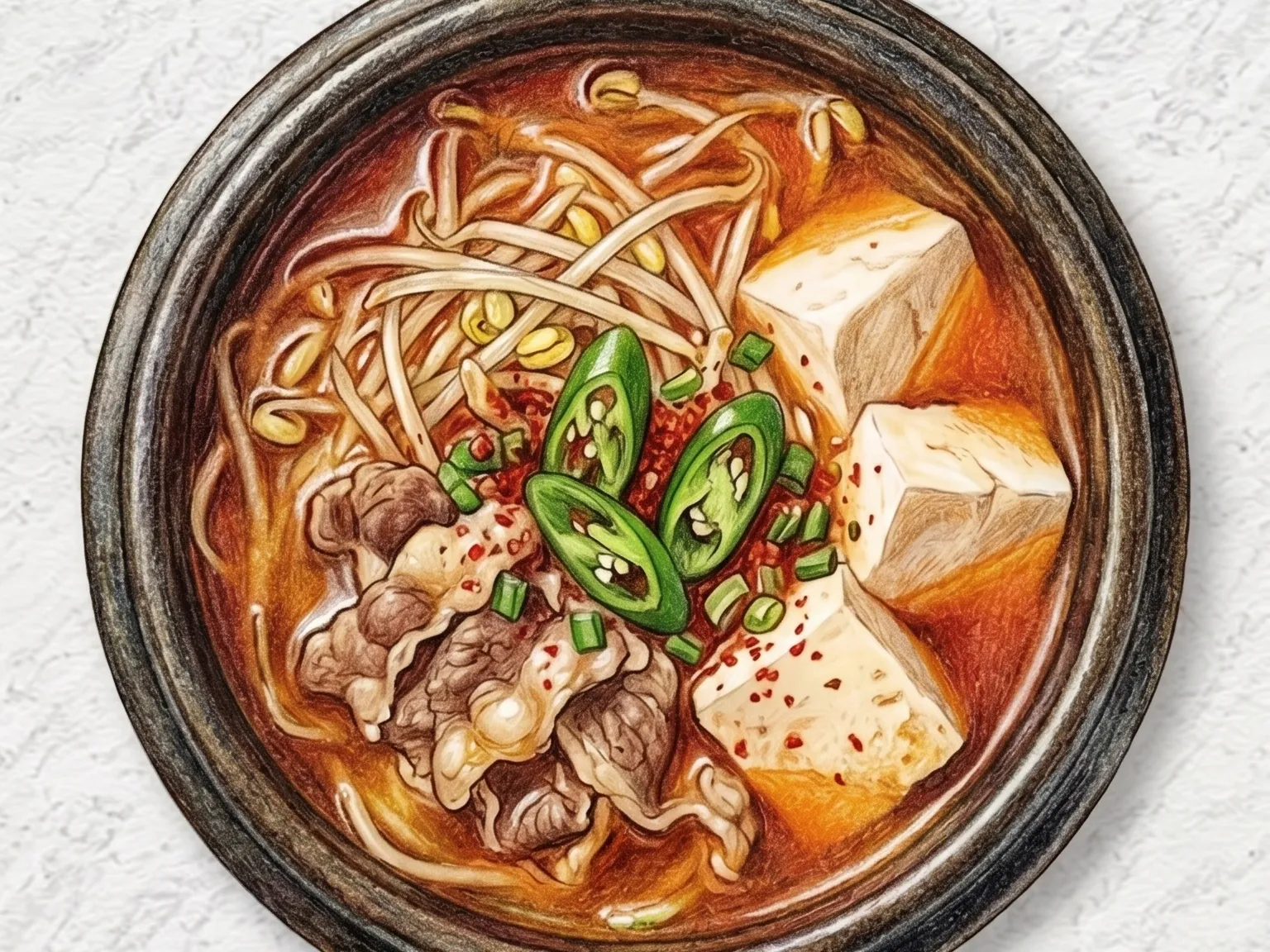
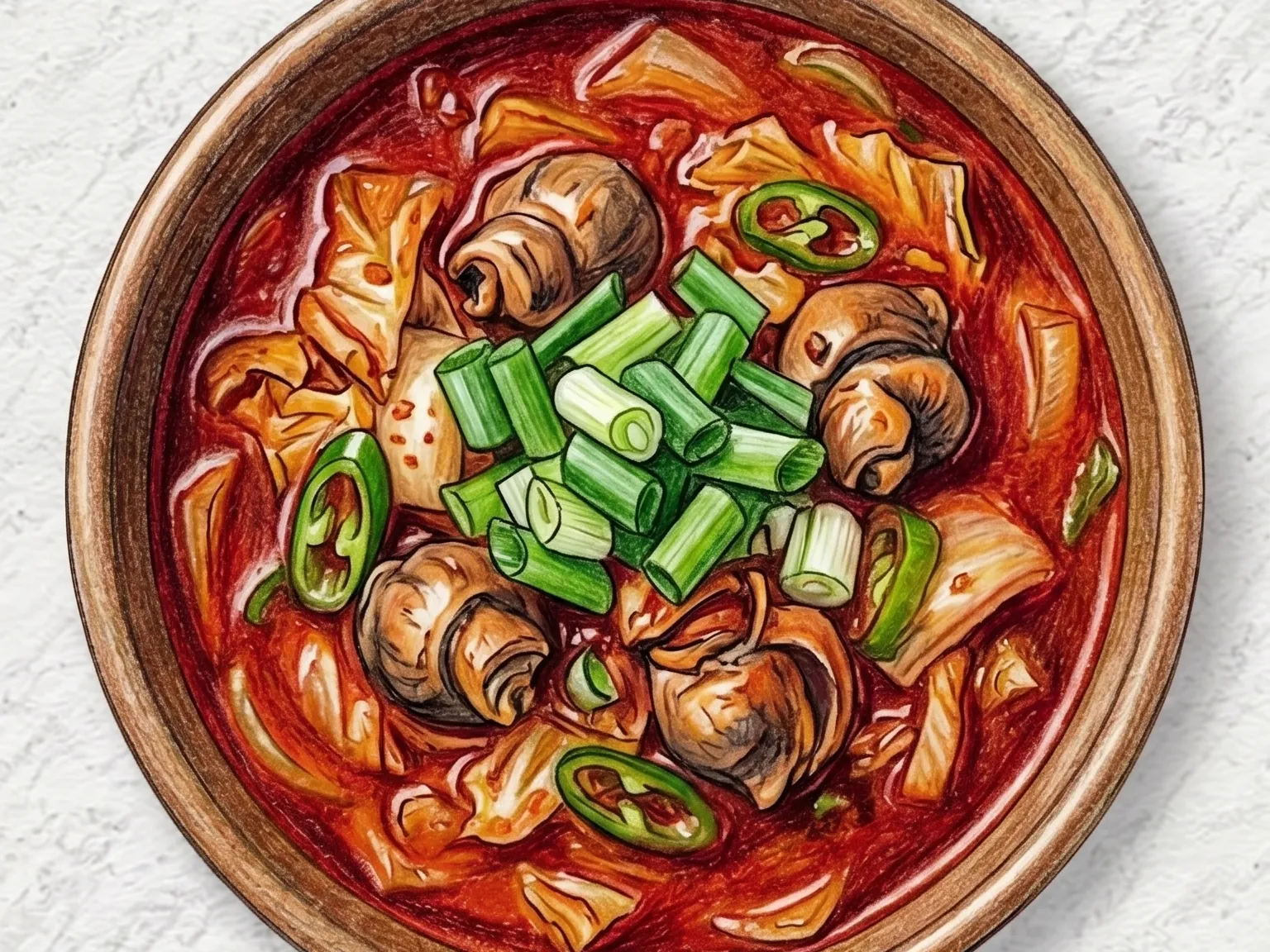
Golbaengi-jjigae is a spicy Korean stew made with canned whelk as the centerpiece. Because the whelk is already fully cooked inside the can, it goes in near the end of cooking rather than at the start, allowing the broth and vegetables to reach their full flavor first. Extended heat makes whelk rubbery, so a brief simmer of two to three minutes is enough to warm the pieces through while preserving their distinctive chewy texture. Anchovy stock forms the savory foundation of the broth, delivering a clean seafood depth that amplifies the whelk's flavor without masking it. Gochujang and gochugaru combine to give the stew its fiery, full-bodied heat, while cabbage and onion absorb the broth over time and release a gentle sweetness that balances the spice. A single cheongyang chili added whole sharpens the heat at the finish, pulling the entire broth taut with a bright, clean burn. A handful of sliced green onion stirred in at the end brings a fresh aroma that lifts the richness of the stew. It works equally well as a rice-side dish or as an accompaniment to soju.

Prep 12min Cook 18min 2 servings

Instructions

Read the steps as a cooking flow: prep, heat, seasoning, doneness control, and finish.

6 steps
  1. 1
    Prep

    Place 220g of canned whelk in a sieve to drain the liquid completely.

    Slice any larger pieces into 1cm halves so they are easy to eat while maintaining their characteristic chewy seafood texture.

  2. 2
    Prep

    Cut 120g of cabbage and 90g of onion into thick 2cm pieces to ensure they release sweetness slowly.

    Diagonally slice 40g of green onion and one Cheongyang chili to add fresh aroma and heat.

  3. 3
    Season

    Pour 700ml of anchovy stock into a pot.

    Add one tablespoon each of chili paste, chili flakes, and minced garlic. Stir thoroughly until the seasonings dissolve completely, creating a deep red and savory broth base.

  4. 4
    Control

    Add the prepared cabbage and onion to the pot.

    Bring to a boil over high heat, then reduce to medium and simmer for 7 minutes until the vegetables soften and release a gentle sweetness.

  5. 5
    Heat

    Stir in the whelk and cook for approximately 3 minutes.

    Avoid overcooking as the pre cooked whelk can quickly become rubbery. Ensure the pieces absorb the spicy broth while remaining tender and bouncy.

  6. 6
    Finish

    Add the green onion and sliced chili.

    Boil for one final minute to let the fresh scents lift the stew. Serve immediately while the broth is hot and the chili provides a sharp, clean finish.

After the steps

Pick a recipe that fits this dish.

Continue with shared ingredients, meal pairings, or a similar method.

Recipes That Go Well With This

More Stews →

Based on shared ingredients and meal pairing

Korean Sea Squirt Stew (Pop-and-Burst Seafood Broth)
Shared ingredient: onion Stews

Korean Sea Squirt Stew (Pop-and-Burst Seafood Broth)

Mideodeok-jjigae is a traditional Korean seafood stew characterized by its spicy broth and its central ingredient, the sea squirt. This coastal dish is widely recognized for the specific way the sea squirts pop when they are bitten, a sensation that is paired with an intense aroma reminiscent of the ocean. When an individual bites into a sea squirt, the outer skin breaks to release a concentrated internal liquid that carries a saline and savory marine flavor that is distinct from any other type of seafood. The cooking process starts with the creation of an anchovy stock which serves as the fundamental liquid base for the dish. Slices of Korean radish, zucchini, and white onion are placed into this stock and cooked until they become tender and translucent. It is important to wait until the very end of the cooking process to add the sea squirts to the pot. If the sea squirts are boiled for too long, their internal sacs will eventually collapse and lose their structure, which leads to a loss of the desired texture. The seasoning of the stew involves the use of gochugaru and soup soy sauce, which together create a heat that is both spicy and clean. Minced garlic and sliced green onions are also incorporated to add further complexity and a rounded depth to the final broth. After the sea squirts are added and the liquid returns to a boil, the cooking should be completed within a five-minute window to ensure the ingredients remain firm and elastic. Mideodeok that is harvested during the peak season of April and May will produce a broth that is notably more fragrant and flavorful than at other times of the year. People who enjoy the strong and bold flavors associated with the sea often find that this stew leaves a lasting impression.

Korean Pork Kimchi Stew (Fermented Kimchi & Pork Shoulder)
Shared ingredient: onion Stews

Korean Pork Kimchi Stew (Fermented Kimchi & Pork Shoulder)

This traditional Korean stew is prepared by simmering aged kimchi and pork shoulder to create a rich and savory broth. The marbled fat from the pork shoulder balances the sharp acidity of the fermented kimchi, producing a deep umami flavor. The cooking begins by stir-frying the pork and kimchi for three minutes to mellow the sour notes. Next, chili flakes, minced garlic, and soup soy sauce are incorporated briefly, followed by water and sliced onions. Simmering the stew for fifteen minutes softens the pork and allows the flavors to meld. Adding a small amount of kimchi brine during this process enhances the fermented depth of the broth. The dish is finished by layering thick slices of tofu and chopped green onions on top, simmering until they are heated through. It is served hot, typically alongside a bowl of steamed rice.

Korean Dakgalbi Fried Rice
Serve together Rice

Korean Dakgalbi Fried Rice

Dakgalbi bokkeumbap is a fried rice made by stir-frying gochujang-marinated boneless chicken thigh with cabbage and onion over high heat, then adding day-old rice to the pan and frying until every grain absorbs the sweet-spicy marinade. The dish originated from the Chuncheon tradition of finishing a dakgalbi meal by stir-frying the leftover sauce and scraps with rice, effectively turning what remains in the pan into a second course. Day-old rice is essential: fresh rice holds too much moisture and clumps together, while refrigerated rice separates cleanly on the hot surface and makes sufficient contact with the pan to develop slightly charred bits at the bottom. These caramelized patches add a smoky crunch that contrasts with the sauced grains above and elevate the dish beyond a simple fried rice. Cabbage and perilla leaves added at the very end of cooking retain a faint crunch that cuts through the richness of the gochujang marinade. Plating the rice with a few perilla leaves laid on top and a scatter of sesame seeds over the surface finishes the dish without requiring anything further.

Korean Kimchi Mandu Jjigae (Kimchi Dumpling Stew)
Similar recipe Stews

Korean Kimchi Mandu Jjigae (Kimchi Dumpling Stew)

Kimchi mandu jjigae drops whole frozen kimchi dumplings straight into a simmering pot of aged kimchi, tofu, and anchovy stock. The dumpling wrappers absorb the broth as they cook, swelling plump and moist, while the kimchi filling inside echoes the stew's tangy base and doubles the fermented depth. Gochugaru and soup soy sauce add a clean chili heat, and firm tofu cubes absorb the spiced broth for a softer textural contrast. Because the dumplings themselves carry seasoning, it is better to start with less sauce and adjust after tasting the broth. This is a filling, no-fuss meal that needs nothing more than a bowl of steamed rice alongside it.

Serve with this

Korean Spicy Stir-Fried Anchovies
Side dishes Easy

Korean Spicy Stir-Fried Anchovies

Spicy stir-fried anchovies (maeun myeolchi-bokkeum) toss medium-sized dried anchovies in a gochujang-gochugaru glaze, occupying the opposite end of the flavor spectrum from the sweet jiri-myeolchi version and targeting adult palates. Medium anchovies are larger and thicker than the tiny variety, requiring individual head-and-gut removal to eliminate bitterness - a tedious prep step that nonetheless determines the dish's clean finish. After dry-toasting to drive off moisture, the anchovies simmer in a sauce of gochujang, gochugaru, soy sauce, oligosaccharide, and minced garlic until each piece is coated in a rust-colored glaze. The gochujang's fermented heat combines with gochugaru's vivid red to create both flavor depth and visual appeal. The larger anchovy size delivers a satisfying crunch that lingers alongside a lasting savory umami. Heat intensity is adjustable via gochugaru quantity - adding chopped cheongyang chili ratchets it up another notch. This banchan doubles as a soju drinking snack, appearing as frequently on bar tables as on dinner tables.

🍺 Bar Snacks 🏠 Everyday
Prep 5min Cook 10min 4 servings
Chicken Mu (Korean Fried Chicken Radish Pickle)
Kimchi Easy

Chicken Mu (Korean Fried Chicken Radish Pickle)

The crunchy, sweet-sour radish pickle served with every order of Korean fried chicken - now easy to make at home in under 15 minutes. Cubed radish is submerged in a cooled brine of vinegar, sugar, salt, and whole black peppercorns. Using fully cooled brine rather than hot is critical for maintaining the radish's firm, snapping crunch. Ready to eat after one day of refrigeration, its bright acidity cleanses the palate between bites of crispy chicken. Stored in a glass jar, this pickle keeps for over a week.

⚡ Quick 🏠 Everyday
Prep 10min Cook 5min 4 servings
Korean Radish & Shrimp Pancake
Pancakes Easy

Korean Radish & Shrimp Pancake

Julienned Korean radish and small peeled shrimp are combined in a pancake batter fortified with a measured amount of potato starch for added crispiness. Egg is mixed into the batter to improve binding and keep the pancake intact when flipped. Scallions are distributed throughout for a mild, grassy fragrance. Radish releases notable moisture as it cooks, so frying over high heat is essential to drive off that liquid quickly and achieve a crisp outer surface. The sharp, slightly bitter edge of raw radish disappears with heat and gives way to a gentle natural sweetness that pairs cleanly with the mild, delicate flavor of the shrimp. Pressing the center of the pancake down with a spatula while frying encourages even browning all the way through.

🍺 Bar Snacks ⚡ Quick
Prep 15min Cook 12min 2 servings

Similar recipes

Korean Pork Gochujang Jjigae
Stews Easy

Korean Pork Gochujang Jjigae

This pork gochujang stew simmers pork shoulder in a sauce of gochujang and doenjang, two fermented pastes that together build a more layered flavor than either would alone. Using gochujang on its own produces a heat that comes across as sharp and one-dimensional, but adding half a tablespoon of doenjang rounds out the fermented soybean depth and gives the broth a fuller, earthier backbone. A full tablespoon of gochugaru deepens the red color and adds texture to the spice rather than just boosting intensity. The 180 grams of pork shoulder render their juices into the 700 milliliters of broth as the stew cooks, gradually enriching the base. Potato, zucchini, onion, and tofu go into the same pot and contribute a range of textures that keep each spoonful varied. The combination of both fermented pastes means this version has noticeably more complexity than a standard gochujang stew, and the finished broth is the kind that makes it difficult to stop eating before the bowl is empty.

🏠 Everyday
Prep 15min Cook 20min 2 servings
Korean Gochujang-Grilled Butterfish
Grilled Easy

Korean Gochujang-Grilled Butterfish

Byeongeo gochujang-gui is a Korean spicy grilled butterfish where fillets are brushed with a paste of gochujang, soy sauce, plum syrup, minced garlic, and red pepper flakes, then pan-fried over medium heat. Butterfish has an exceptionally fine, soft flesh that absorbs the marinade readily, and the plum syrup's fruity acidity offsets the fermented heat of gochujang so the finish stays clean. The glaze must be applied in thin, repeated layers during cooking; a single thick coat causes the sugars to scorch before the fish cooks through. Each side needs roughly three to four minutes over medium heat, and a wide spatula prevents the delicate flesh from breaking when flipped. A light squeeze of lemon at the end adds brightness that prevents any lingering oiliness and sharpens the overall flavor.

🍺 Bar Snacks 🍱 Lunchbox
Prep 15min Cook 12min 2 servings
Korean Spicy Whelk Bibim Guksu
Noodles Easy

Korean Spicy Whelk Bibim Guksu

Golbaengi bibim-guksu is a cold mixed noodle dish built around chewy canned whelk tossed in a spicy-tangy sauce, widely enjoyed as a drinking snack in Korea. Gochujang and gochugaru set the heat level, while vinegar and sugar counter with a sharp sweetness, and sesame oil rounds everything out with a nutty finish. Julienned cucumber and onion contribute a crisp crunch that contrasts with the springy whelk and the slippery noodles. The somyeon must be rinsed immediately in ice water after boiling to lock in their firm, bouncy texture before mixing with the sauce. Adding a small splash of the whelk canning liquid into the sauce deepens the umami base, and rinsing the whelk itself under cold water controls the salinity.

🍺 Bar Snacks ⚡ Quick
Prep 18min Cook 7min 2 servings

Tips

Whelk toughens if overcooked; add it late and cook briefly.
Extra cabbage gives the broth a naturally sweet finish.

Nutrition (per serving)

Calories
289
kcal
Protein
24
g
Carbs
19
g
Fat
13
g