Charim

2686 Korean & World Recipes

2686+ Korean recipes, clean and organized. Ingredients to instructions, all at a glance.

Korean Seasoned Thistle Greens

Korean Seasoned Thistle Greens

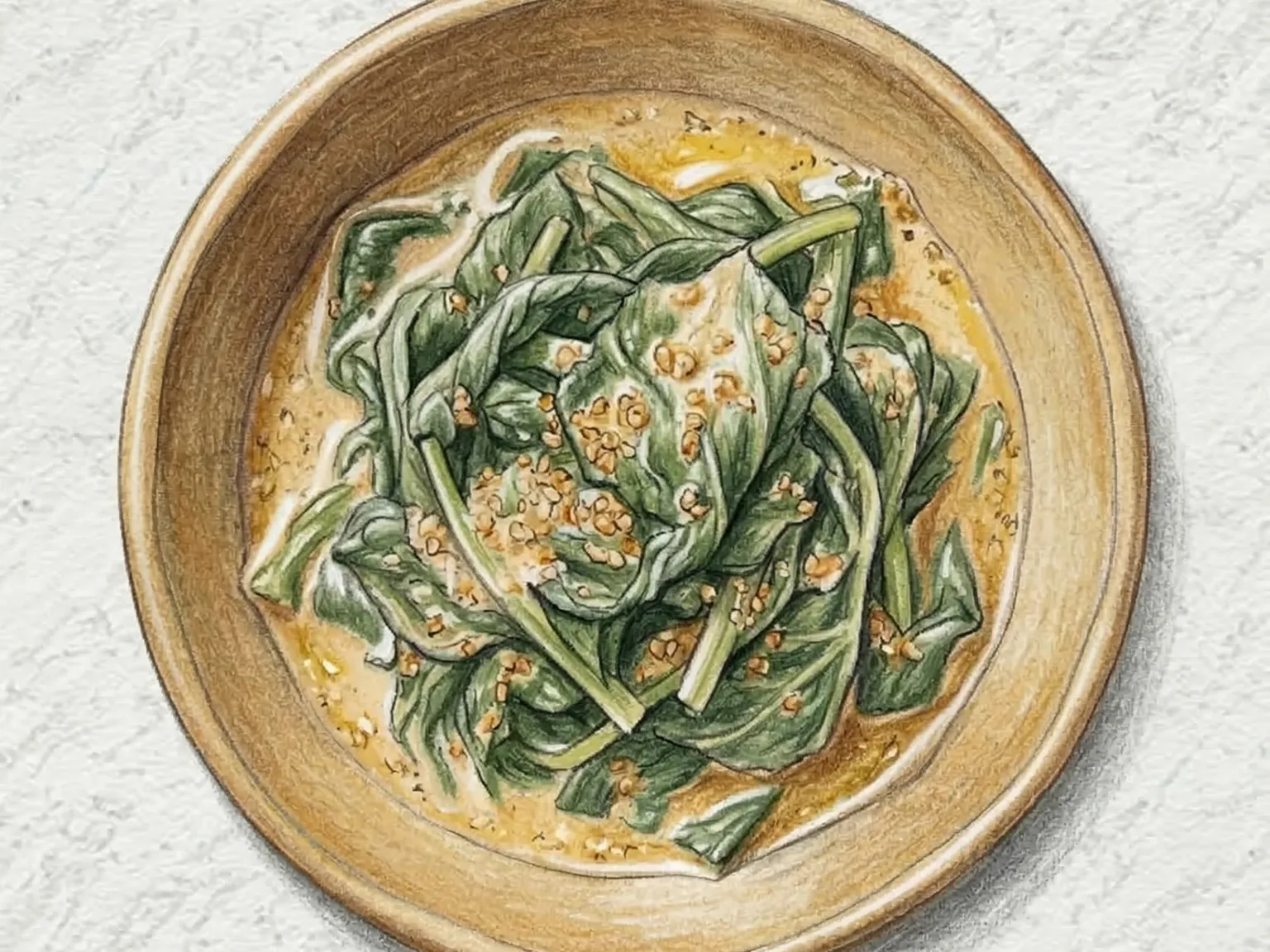
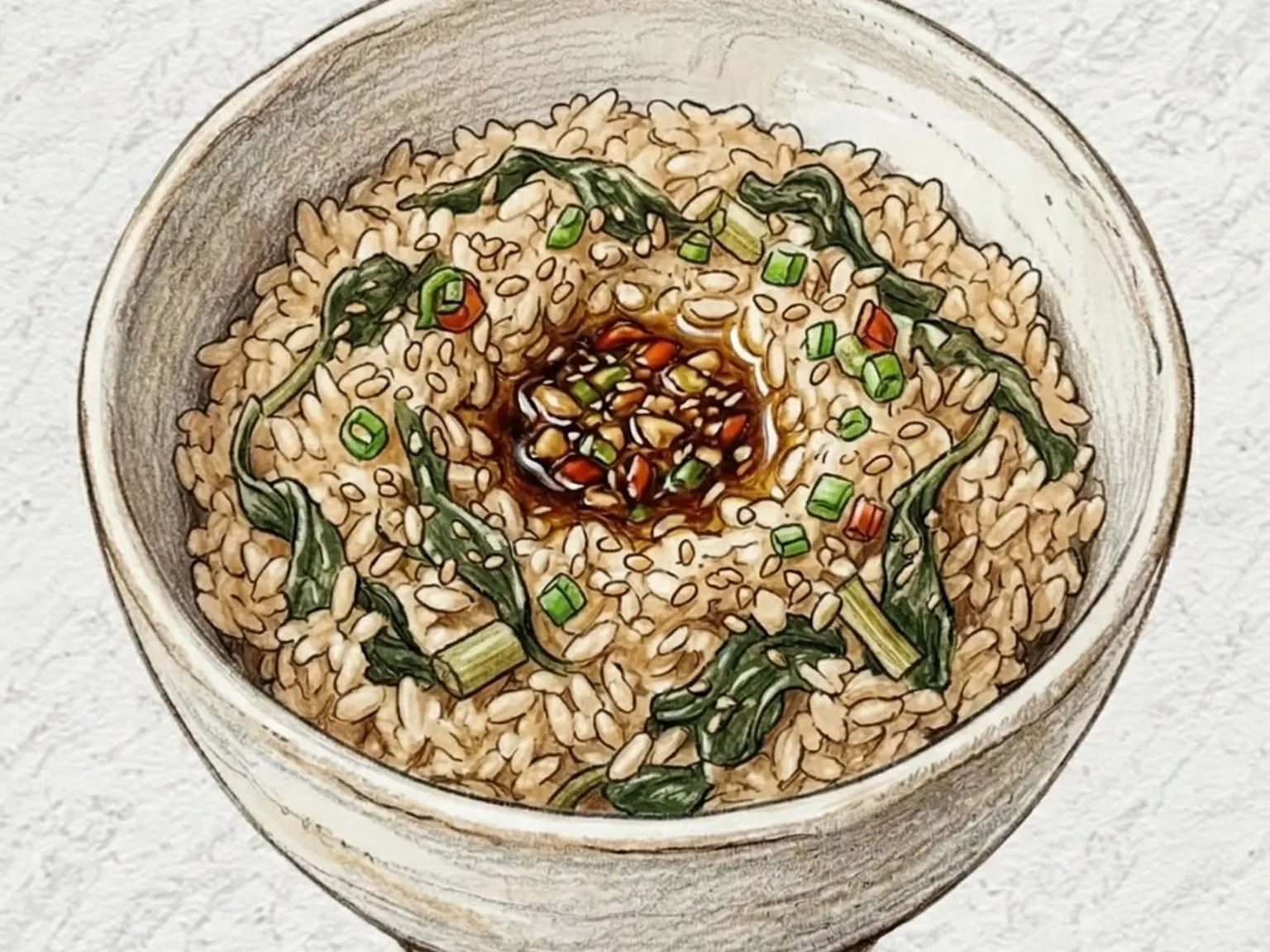
Gondeure - a type of thistle (Cirsium setidens) - grows wild in the mountainous highlands around Jeongseon and Taebaek in Gangwon-do. In this region's history, when rice was scarce, gondeure was mixed into the pot to stretch the grain. Boiled gondeure dressed with soy sauce, garlic, and perilla oil carries a subtle fragrance that blends mugwort-like herbiness with a forest-floor earthiness found in few other greens. The stems are tougher than the leaves, so they benefit from longer blanching or finer chopping. While the namul stands alone, gondeure is most famous cooked into rice (gondeure-bap), where the seasoned greens and grains are mixed at the table with a soy-perilla dipping sauce - a taste of Gangwon-do travel.

Prep 10min Cook 8min 4 servings

Adjust Servings

2servings
servings

Instructions

  1. 1

    Squeeze moisture from thistle greens and cut into 5 cm pieces.

  2. 2

    Combine soy sauce, perilla oil, garlic, and salt.

  3. 3

    Add greens and mix gently so seasoning is absorbed.

  4. 4

    Mix in chopped green onion.

  5. 5

    Finish with sesame seeds.

🛒Shop Ingredients on Amazon

As an Amazon Associate, we may earn from qualifying purchases.

Tips

Do not over-squeeze boiled greens to keep a pleasant texture.

Nutrition (per serving)

Calories
86
kcal
Protein
3
g
Carbs
5
g
Fat
6
g

More Recipes

Korean Seasoned Deer Fern Namul
Side dishesMedium

Korean Seasoned Deer Fern Namul

Samnamul-muchim is a Korean mountain vegetable side dish made from 220 grams of deer fern, a spring foraged green with a distinctively herbal, slightly bitter flavor. Blanching for one minute and immediately rinsing in cold water tempers the fern's wild aroma to a pleasant, manageable level while preserving its tender bite. The dressing of soup soy sauce, perilla oil, minced garlic, chopped green onion, and ground sesame keeps the dish clean in both color and flavor, letting the fern's natural character come through. Cut into 4-centimeter lengths for easy eating, each piece carries a gentle earthiness that pairs naturally with steamed rice. The ground sesame adds a subtle crunch and nuttiness that complements the perilla oil.

🏠 Everyday🍱 Lunchbox
Prep 10minCook 5min4 servings
Korean Chwinamul with Perilla Powder
Side dishesMedium

Korean Chwinamul with Perilla Powder

Where the doenjang version leans on fermented funk, this preparation wraps chwinamul in perilla's nutty, seed-forward coating. After blanching and first seasoning with soup soy sauce, garlic, and green onion, the greens are sauteed briefly in perilla oil. Water is added for a light braise. Stirring in perilla powder off the heat transforms the liquid into a thick, pale paste coating every strand. Adding the powder after lowering heat prevents grittiness and releases the seed's full fragrance.

🏠 Everyday🍱 Lunchbox
Prep 18minCook 7min4 servings
Korean Seasoned Radish Greens
Side dishesMedium

Korean Seasoned Radish Greens

Mucheong-namul is a Korean banchan made from the leafy stems attached to daikon radish - not the fully dried siraegi, but fresh or semi-dried radish greens blanched and dressed with doenjang and perilla oil. Radish greens are a byproduct of the autumn kimjang harvest, when whole radishes are pulled from the ground and the tops would otherwise go to waste. Rural Korean kitchens have long boiled these greens into namul or sun-dried them into siraegi for winter storage. Fresh mucheong requires at least five minutes of boiling to break down the tough stem fibers, followed by a cold rinse to remove any astringent bitterness. Seasoning with doenjang and soup soy sauce layers the fermented paste's earthy depth over the greens' faintly bitter, grassy character. Perilla oil is preferred over sesame because its lighter profile complements rather than masks the greens' natural flavor. Stirring in ground perilla seeds at the end thickens the dressing and wraps each strand in a nutty coating, producing a deeper-flavored version than plain mucheong-namul. A hearty winter banchan tied to radish harvest season.

🏠 Everyday🍱 Lunchbox
Prep 20minCook 15min4 servings
Korean Seasoned Radish Greens Namul
Side dishesMedium

Korean Seasoned Radish Greens Namul

Dried radish greens are soaked, boiled until pliable, and dressed in a seasoning anchored by doenjang and ground perilla seeds. The drying process concentrates the fiber in the greens, giving them a satisfying chew that persists even after boiling: the outer layer turns silky while the inner stem retains a springy resistance. Doenjang supplies the salty, fermented backbone, and ground perilla seeds melt into a creamy coating that softens the roughness of the greens on the palate. A generous pour of perilla oil ties the dressing together, adding a glossy sheen and a rich, nutty fragrance. Minced garlic and chopped green onion introduce a sharp aromatic layer that cuts through the heaviness. Each bite releases more of the siraegi's own deep, vegetal flavor, a taste that builds rather than fades. Paired with steamed rice, the doenjang's salinity and the perilla's richness draw out the natural sweetness of the grain.

🏠 Everyday🍱 Lunchbox
Prep 20minCook 20min4 servings
Korean Chamnamul Kimchi (Pimpinella Kimchi)
KimchiMedium

Korean Chamnamul Kimchi (Pimpinella Kimchi)

Chamnamul kimchi is a spring kimchi made by salting chamnamul greens for just ten minutes to wilt them slightly, then dressing them in gochugaru, anchovy fish sauce, and salted shrimp without rinsing. Skipping the rinse allows the residual salt to convert into umami during fermentation, deepening the overall flavor. Pureed Korean pear and onion blended with sweet rice paste form the seasoning base, contributing natural sweetness that softens the chili heat. After three hours of initial fermentation at room temperature followed by refrigeration, the kimchi reaches its best balance within one to two days, when the grassy herbal aroma of chamnamul meets the fermented depth of the fish sauce.

🍱 Lunchbox
Prep 30minCook 5min4 servings
Korean Stir-fried Radish Greens with Perilla
Stir-fryEasy

Korean Stir-fried Radish Greens with Perilla

Siraegi deulkkae-bokkeum is a Korean stir-fry of pre-boiled dried radish greens seasoned with soup soy sauce and garlic, then cooked in perilla oil and finished with generous perilla powder. The greens are first tossed in the seasoning to let the flavors penetrate, stir-fried for three minutes, then simmered briefly with water and perilla powder until a thick, nutty sauce coats every strand. Green onion added at the end provides a fresh aromatic lift. Compared to the doenjang-based siraegi jorim, this version leans lighter and more distinctly nutty from the perilla.

🏠 Everyday🍱 Lunchbox
Prep 15minCook 20min4 servings
More Side dishes →