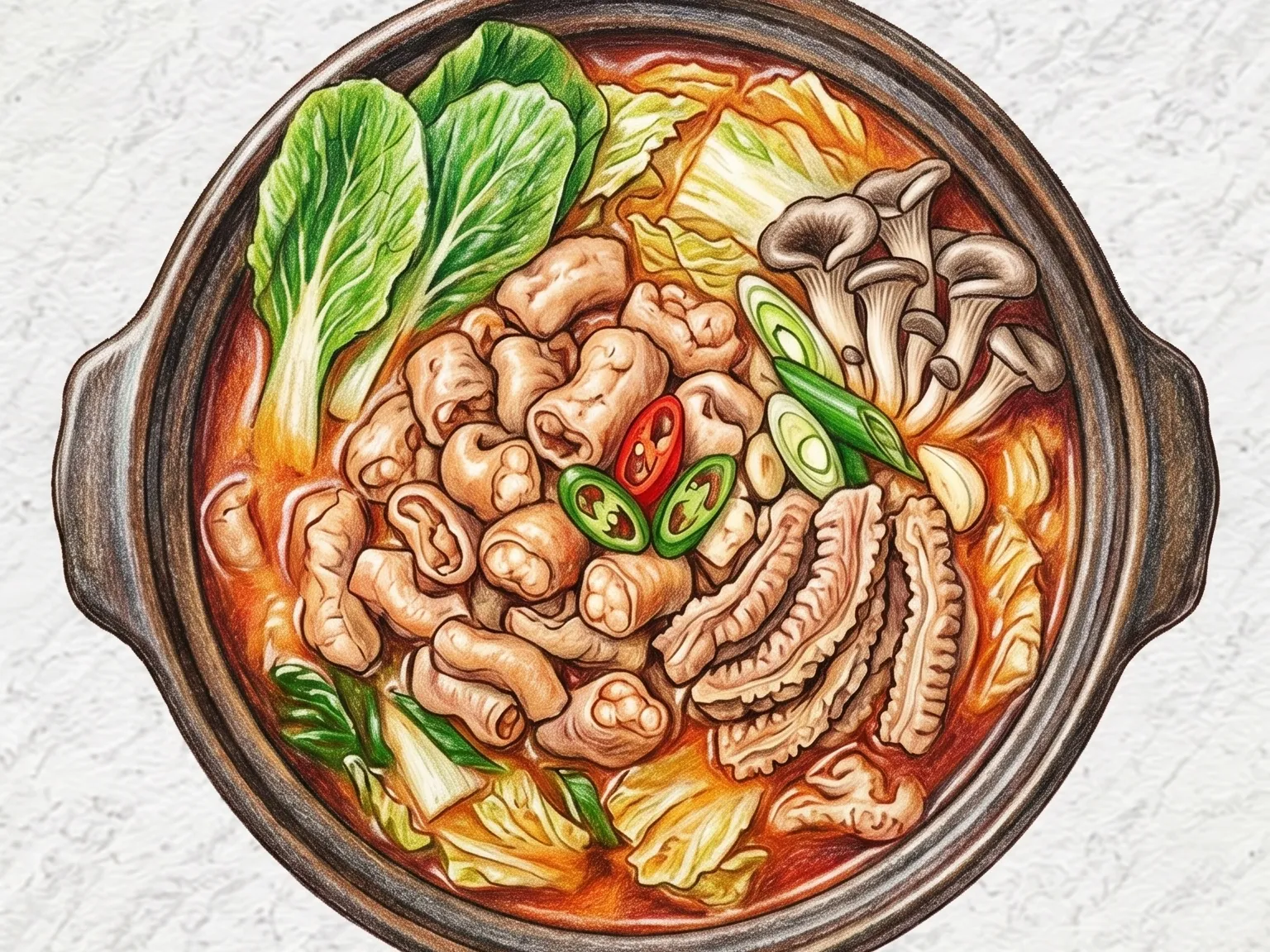
Korean Beef Intestine Hot Pot
Quick answer
- Total time
- 65 min
- Level
- Hard
- Servings
- 4 servings
- Ingredients
- 10
About this dish
Gochujang, chili flakes and soy sauce dissolve into beef bone broth, turning the pot red and heavy.
Read more
Napa cabbage, onion and oyster mushrooms line the bottom with the intestine and tripe piled on top, and as the vegetables soften underneath they sweeten the broth.
Ingredients
Instructions
- 1
Scrub 500 grams of beef intestines and 200 grams of tripe repeatedly with coarse salt and flour to remove odors, then blanch briefly in boiling water to skim off excess fat.
- 2
Cut 200 grams of napa cabbage and 120 grams of onion into bite-sized pieces, then tear 150 grams of oyster mushrooms into individual strips and arrange them neatly in a hot pot.
- 3
Combine 1 tablespoon of gochujang, 1.5 tablespoons of Korean chili flakes, and 1 tablespoon of soy sauce in a small bowl, stirring until the mixture forms a thick and bright spicy paste.
- 4
Place the blanched intestines and tripe in the center of the pot over the vegetables, then carefully pour 1200ml of beef bone stock down the side and add the seasoning paste.
- 5
Bring the pot to a rolling boil over high heat, then reduce to medium and simmer for 20 minutes until the offal turns glossy and the broth develops a savory richness.
- 6
Add a final handful of sliced green onions and cook for 3 more minutes to infuse their aroma, then serve immediately once the intestines and vegetables are perfectly tender and integrated.
Official cooking and safety guidance
Public-agency cooking and food safety guidance that applies to this recipe.
Official cooking and safety guidance
-
Storage and reheating
Refrigerate leftovers in shallow containers within 2 hours and use them within 3 to 4 days. Reheat the center to 74°C.
Source: USDA Food Safety and Inspection Service. Leftovers and Food Safety
Sources checked 2026-08-03
Use-up ingredient planner
Turn these ingredients into two more meals
The overlap excludes basic seasonings. Open the next recipe and your selected dishes will stay with you.
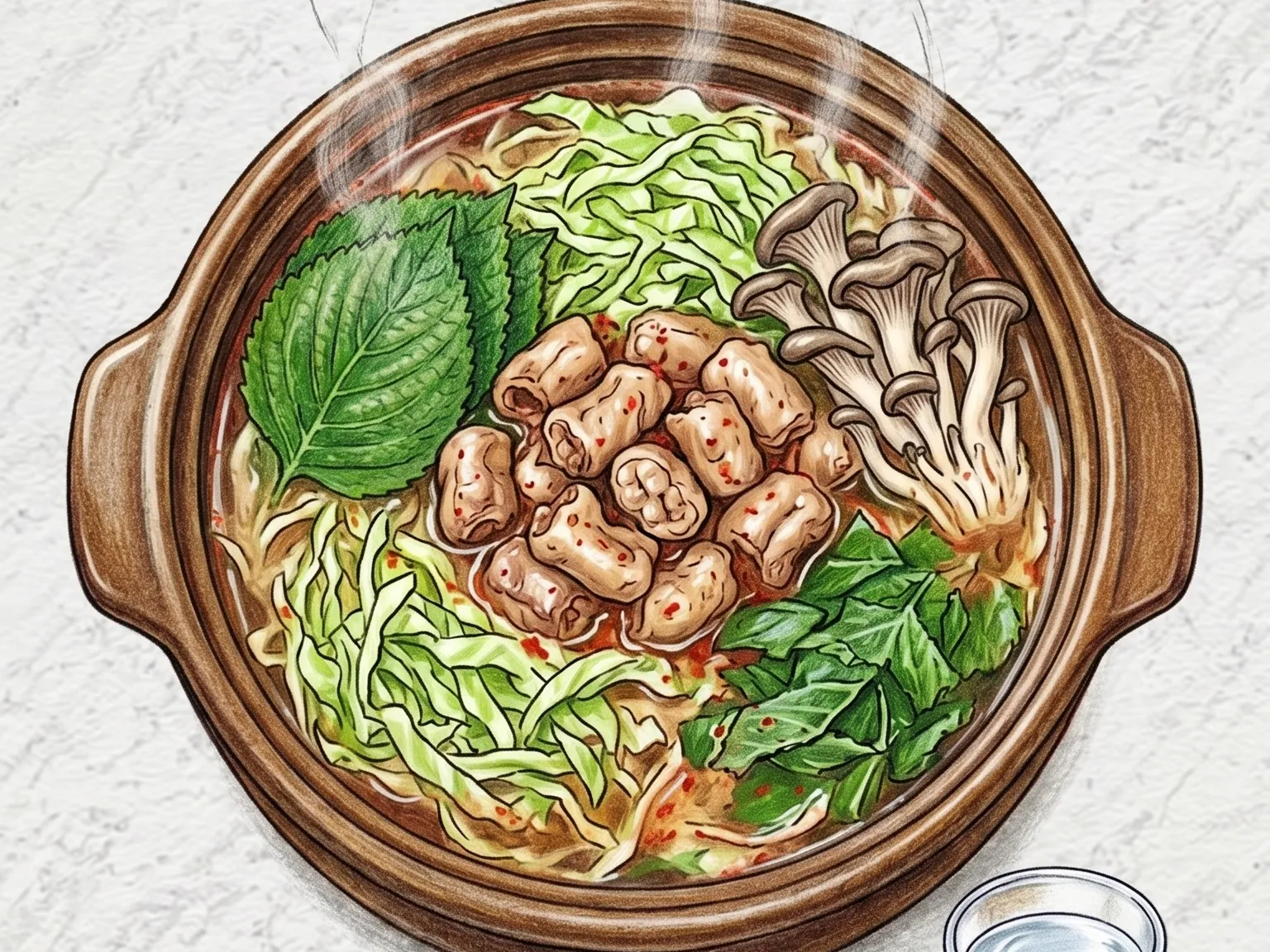
Korean Seoul-style Gopchang Jeongol
Oyster mushrooms, Onion
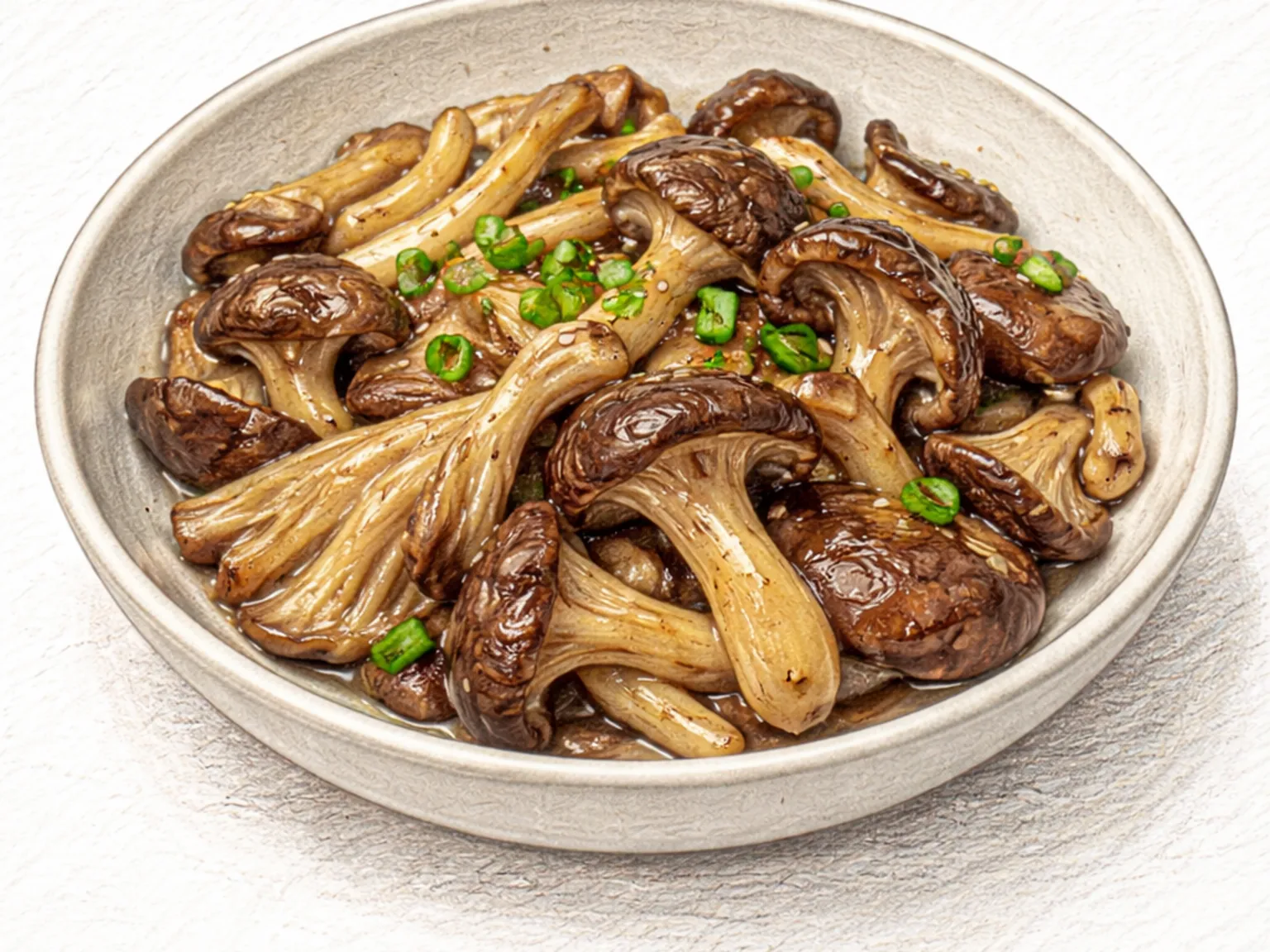
Korean Stir-fried Mushrooms
Oyster mushrooms, Onion
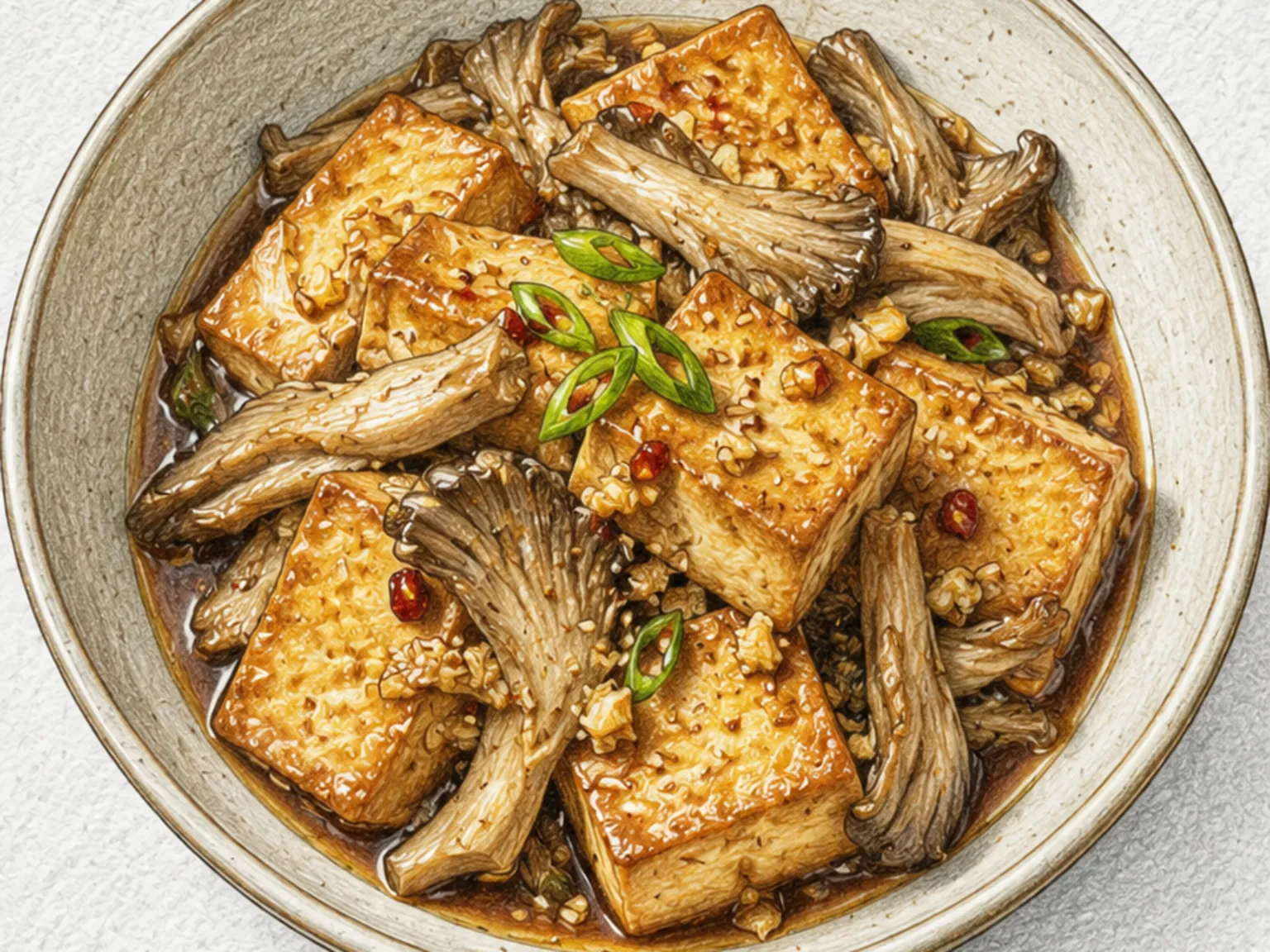
Korean Braised Tofu and Mushrooms
Oyster mushrooms, Onion
Tips
Variations
Spicy Beef Tripe Hot Pot
Spicy beef tripe hot pot is rich, fiery, and intensely savory. Vegetables help balance the fatty depth of the tripe.
Tripe Stew
A bold, spicy stew made with beef tripe. The chewy, richly flavored tripe absorbs the fiery broth, creating an intensely savory dish.