Charim

2686 Korean & World Recipes

2686+ Korean recipes, clean and organized. Ingredients to instructions, all at a glance.

Gul-guk (Clear Oyster Radish Soup)
Soups Easy

Gul-guk (Clear Oyster Radish Soup)

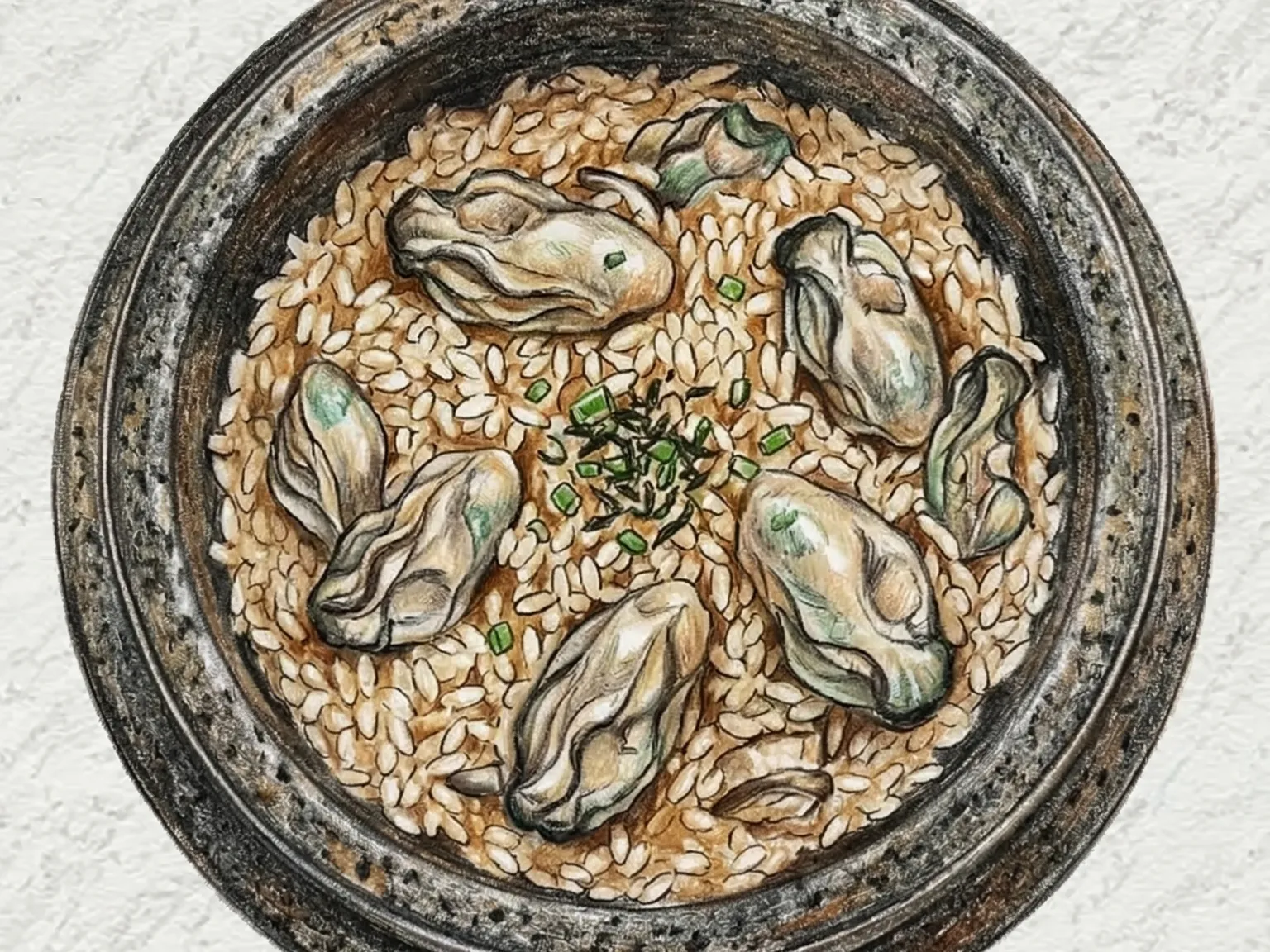
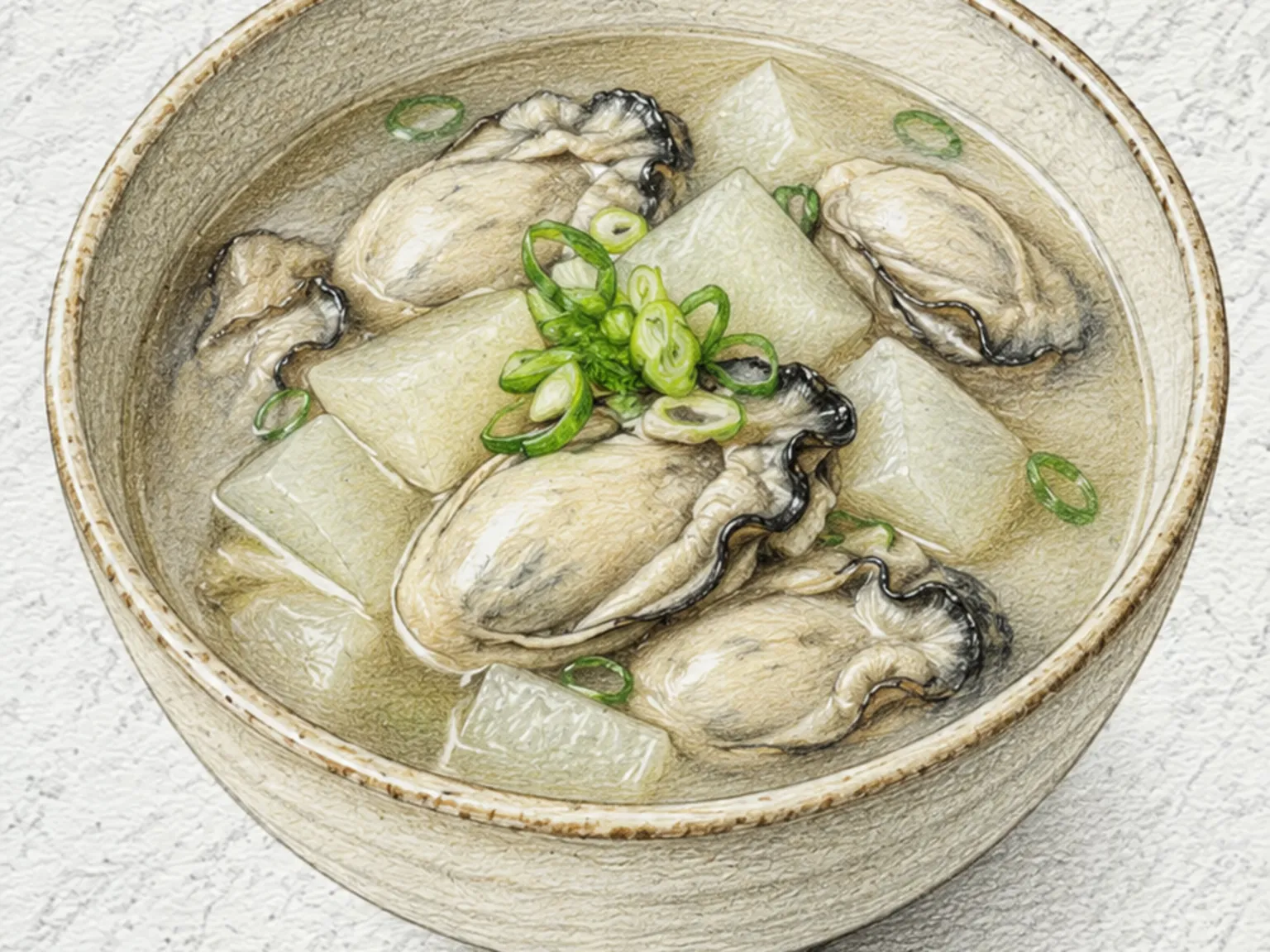
Gul-guk is a clear Korean oyster soup built on the simplest possible foundation: water, radish, and fresh oysters. The radish simmers first, lending a cool sweetness to the broth before the oysters are slid in near the end to preserve their plump, springy texture. Seasoning is deliberately restrained-soup soy sauce and minced garlic are enough-because the oysters themselves provide an intense, briny depth that needs no amplification. The resulting bowl is translucent and clean-tasting, with a lingering marine finish. Along Korea's south coast, where winter oyster harvests are abundant, this soup often appears on breakfast tables or as a gentle remedy after a long night.

Prep 15min Cook 20min 2 servings

Adjust Servings

2servings
servings

Instructions

  1. 1

    Gently rinse oysters in salted water.

  2. 2

    Boil water with radish for 10 minutes.

  3. 3

    Add garlic and soup soy sauce.

  4. 4

    Add oysters and cook only 3-4 minutes.

  5. 5

    Finish with green onion and salt, then serve immediately.

🛒Shop Ingredients on Amazon

As an Amazon Associate, we may earn from qualifying purchases.

Tips

Do not overcook oysters or they become tough.

Nutrition (per serving)

Calories
170
kcal
Protein
16
g
Carbs
8
g
Fat
7
g

More Recipes

Gul-dubu-guk (Oyster Soft Tofu Kelp Soup)
SoupsEasy

Gul-dubu-guk (Oyster Soft Tofu Kelp Soup)

Gul-dubu-guk is a winter Korean soup that pairs plump seasonal oysters with blocks of soft tofu in a clear kelp-based broth. The oysters go in at the very end of cooking to keep them bouncy and briny rather than rubbery, while the tofu absorbs the surrounding ocean-inflected liquid. Thin slices of radish simmer from the start, releasing a gentle sweetness that rounds out the broth. Seasoning stays minimal-just soup soy sauce and garlic-so the natural salinity of the oysters can carry the flavor. A scattering of sliced green onion finishes the bowl with a fresh, aromatic note. It is a staple on cold-weather tables along the southern coast where oysters are harvested.

🏠 Everyday
Prep 15minCook 15min3 servings
Korean Cabbage Oyster Soup
SoupsEasy

Korean Cabbage Oyster Soup

Baechu gul guk is a Korean winter soup that pairs seasonal napa cabbage with fresh oysters in a clear broth. The oysters are gently rinsed in salted water to remove grit and any briny off-flavors, then added only in the final one to two minutes of cooking so they stay plump rather than shriveling. Napa cabbage and daikon radish go in first and simmer until their natural sugars dissolve into the water, sweetening the broth without any added sugar. Seasoning is limited to minced garlic and guk-ganjang, kept restrained because the oysters contribute their own salinity. Thinly sliced scallion floated on top releases a fresh aroma with each spoonful. Overcooking the oysters risks both a rubbery texture and a bitter aftertaste, making their timing the single most critical step. The finished soup layers the soft sweetness of cabbage, the clean coolness of radish, and the marine depth of oyster into one bowl.

🏠 Everyday
Prep 15minCook 20min4 servings
Korean Fish Soup (White Fish and Radish Clear Broth)
SoupsEasy

Korean Fish Soup (White Fish and Radish Clear Broth)

Saengseon-guk is a traditional Korean fish soup made with white-fleshed fish and radish in a clear broth. The radish simmers first, building a base of natural sweetness, before garlic and soup soy sauce are added for depth. The fish goes in once the radish is halfway cooked, and timing matters - it should cook only until the flesh turns opaque and begins to flake, as prolonged boiling would break it apart and cloud the broth. Tofu and sliced Korean chili peppers join near the end, adding soft texture and a mild kick. Green onion finishes the bowl with a fresh note. The result is a light, transparent soup where the fish's own clean, marine flavor does most of the work. It is the kind of straightforward home cooking that appears on Korean dinner tables throughout the year, requiring little more than fresh fish and basic pantry staples.

🏠 Everyday
Prep 15minCook 20min4 servings
Korean Oyster Kimchi Stew
StewsMedium

Korean Oyster Kimchi Stew

This stew marries fresh oysters with aged kimchi, two ingredients that peak during the Korean winter. The oysters contribute a briny sweetness, while the well-fermented kimchi provides a deep, sour backbone. A tablespoon of perilla oil adds a nutty aroma that distinguishes this from standard kimchi jjigae. Simmered in anchovy stock with radish, gochugaru, and garlic, the broth develops a layered complexity that reflects the quality of its core ingredients.

🏠 Everyday
Prep 12minCook 18min2 servings
Korean Seaweed and Oyster Soup
SoupsEasy

Korean Seaweed and Oyster Soup

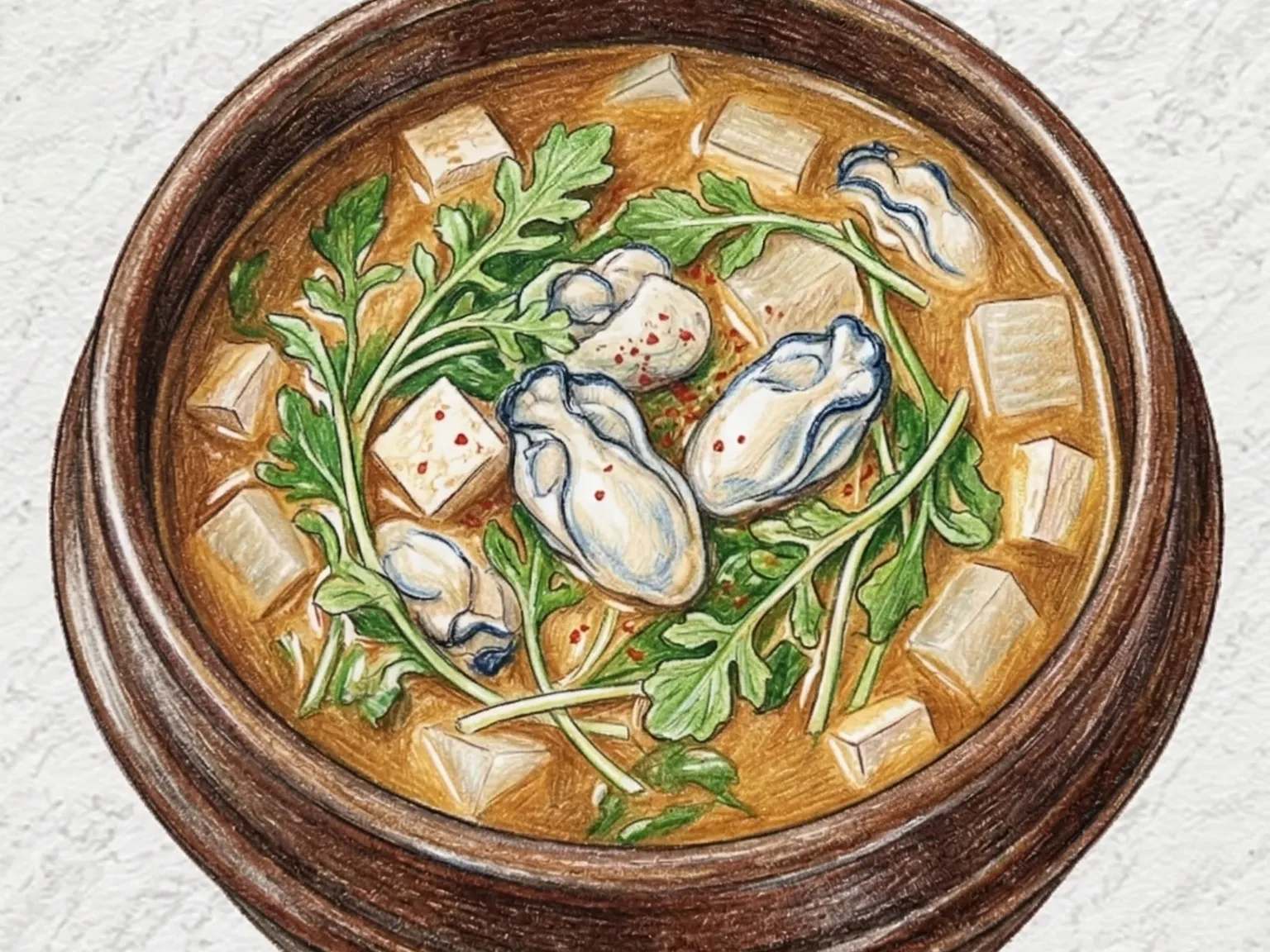
Maesaengi-gul-guk combines two peak-winter ingredients, capsosiphon seaweed and fresh oysters, in a single light broth. Julienned radish and garlic are sauteed in sesame oil to establish sweetness, then water is added and brought to a boil before the oysters go in for three minutes. The seaweed is added last and simmered for only two minutes to preserve its silky texture and subtle marine scent. Soup soy sauce and a pinch of salt are the only seasonings needed, since the oysters release enough brininess to flavor the broth on their own.

🏠 Everyday
Prep 15minCook 12min2 servings
Korean Gul Dubu Jjigae (Oyster Tofu Stew)
StewsEasy

Korean Gul Dubu Jjigae (Oyster Tofu Stew)

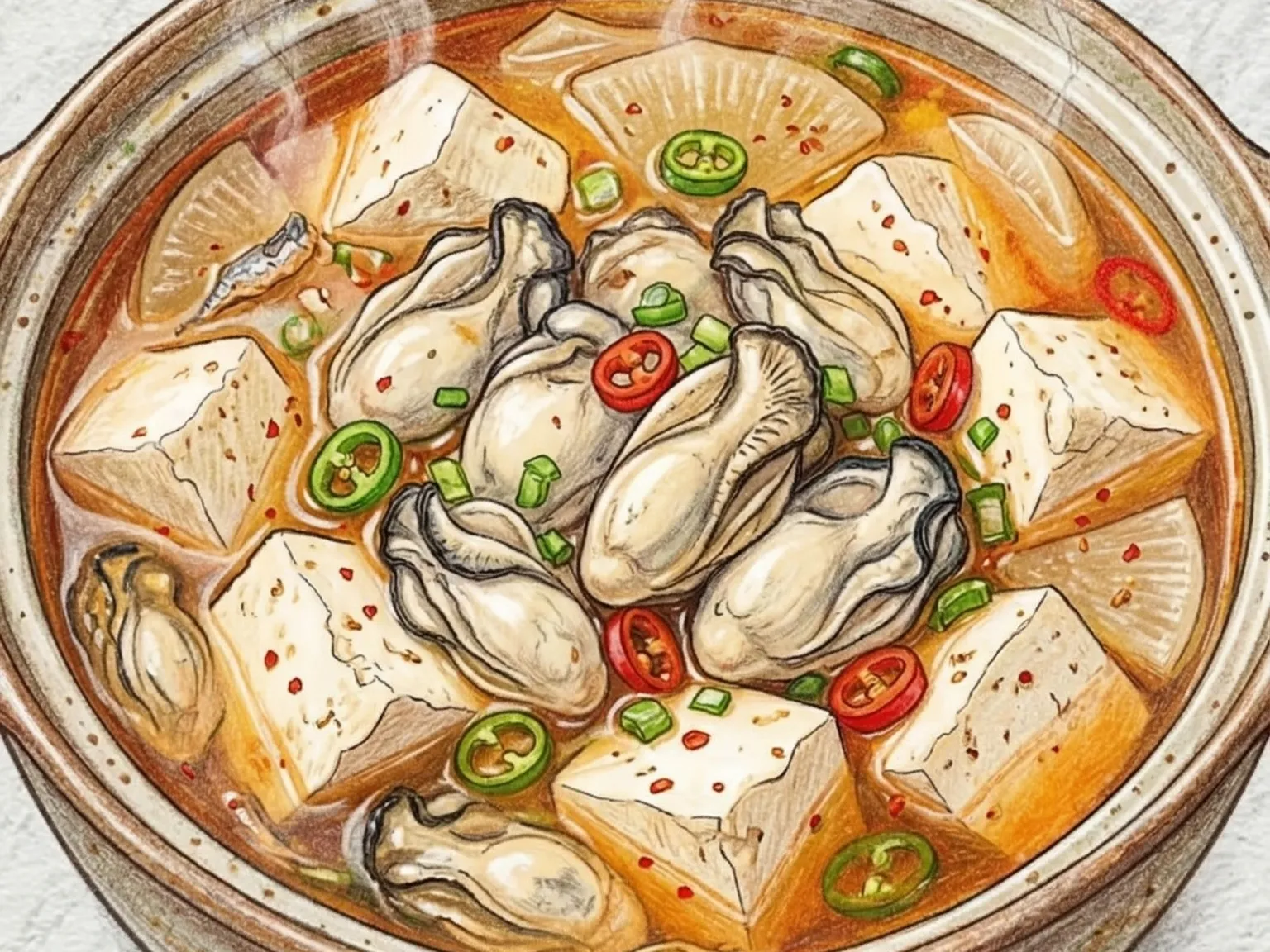
Gul dubu jjigae pairs 180 grams of fresh oysters with firm tofu in an anchovy-kelp stock. The oysters plump up as they cook, releasing their briny juices into the broth. Korean radish adds a mild sweetness, while gochugaru and a Cheongyang chili counter any fishiness with their heat. The generous 300 grams of tofu make this a substantial meal. This stew is best enjoyed during winter months when oysters are at their peak.

🏠 Everyday
Prep 12minCook 18min2 servings
More Soups →