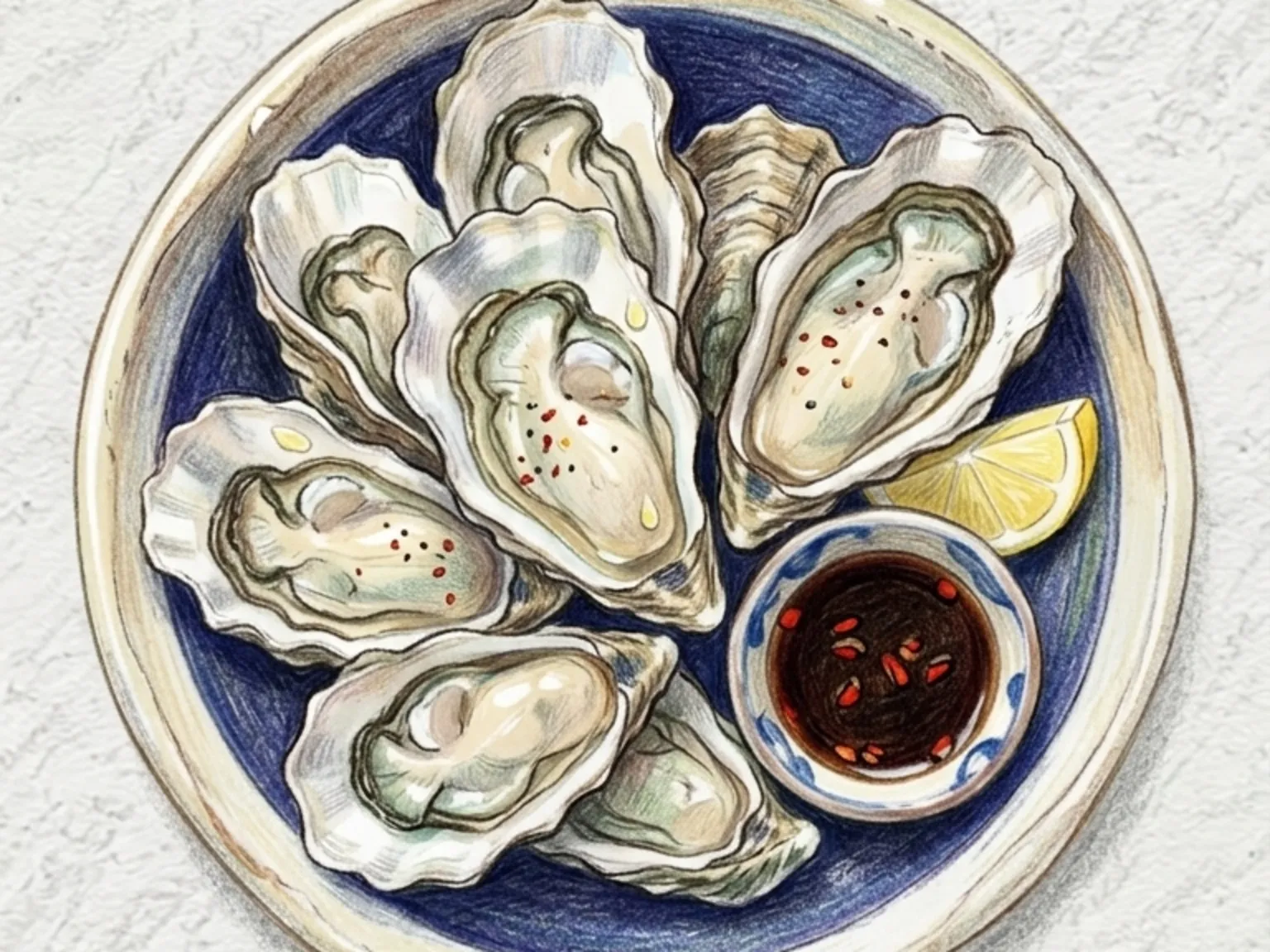
Korean Steamed Oysters
Weak steam stretches the cooking time and can toughen the oyster meat, so bring 500 ml water to a strong boil with steady steam before adding 12 scrubbed oysters in one layer. Steam over high heat for about 3 minutes, and keep steaming if the shells have not opened or the flesh is not opaque. Discard any oyster that stays closed.
Quick answer
- Total time
- 27 min
- Level
- Easy
- Servings
- 2 servings
- Ingredients
- 6
About this dish
Steamed in the shell, oysters keep the briny liquor that pools around the meat, so they taste of the sea with no added salt.
Read more
It is a quick way to cook winter oysters from start to finish, and a dip of soy sauce, vinegar and chili flakes puts a sour edge over the salt.
Ingredients
Instructions
- 1
Soak 12 live oysters briefly in cold salted water, then scrub the outside of each shell with your hand or a brush.
Rinse under running water until no grit or shell debris remains, since dirty shells can cloud the flavor.
- 2
Drain the cleaned oysters in a colander.
Squeeze only part of the 0.5 lemon lightly over the shells, using just enough juice to reduce briny odor without covering the natural sweetness of the oyster liquor.
- 3
Pour 500ml water into the steamer and bring it to a strong boil over high heat before adding the oysters.
Wait for steady steam, because weak steam extends the cooking time and can make the oyster meat tough.
- 4
Arrange the oysters in one layer on the cloth and steam over high heat for about 3 minutes.
Confirm the shells have opened and the flesh is opaque; continue steaming if not fully cooked.
- 5
In a small bowl, stir together 2 tablespoons soy sauce, 1 tablespoon vinegar, and 0.5 teaspoon red pepper flakes.
Mix until the flakes disperse evenly, creating a tangy dipping sauce that balances the oysters' briny sweetness.
- 6
Discard any oyster that remains closed.
Transfer the opened oysters to a plate while hot, garnish with thin slices of the remaining lemon, and serve immediately with the dipping sauce.
Use-up ingredient planner
Turn these ingredients into two more meals
The overlap excludes basic seasonings. Open the next recipe and your selected dishes will stay with you.
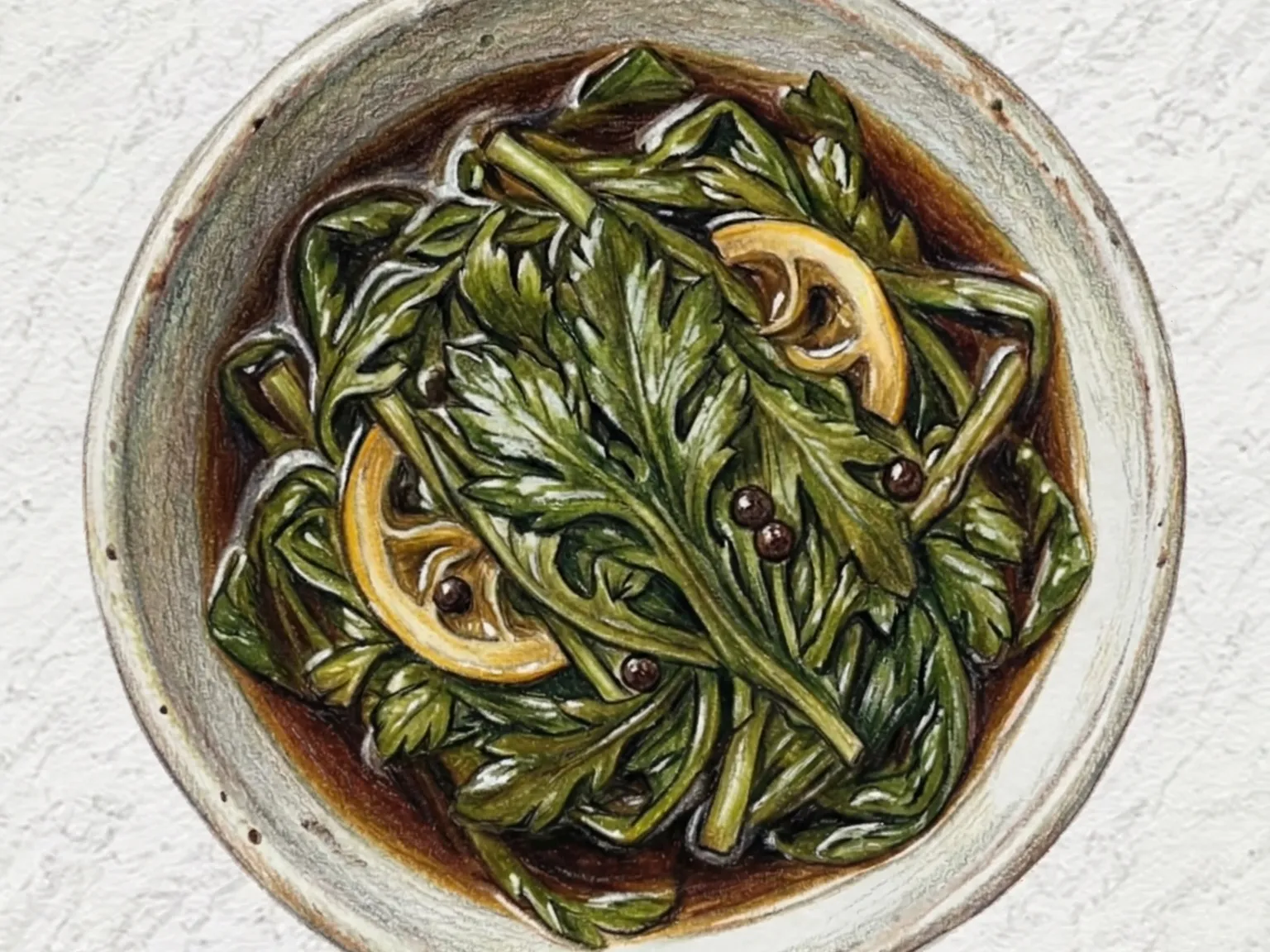
Korean Crown Daisy Soy Pickle
lemon
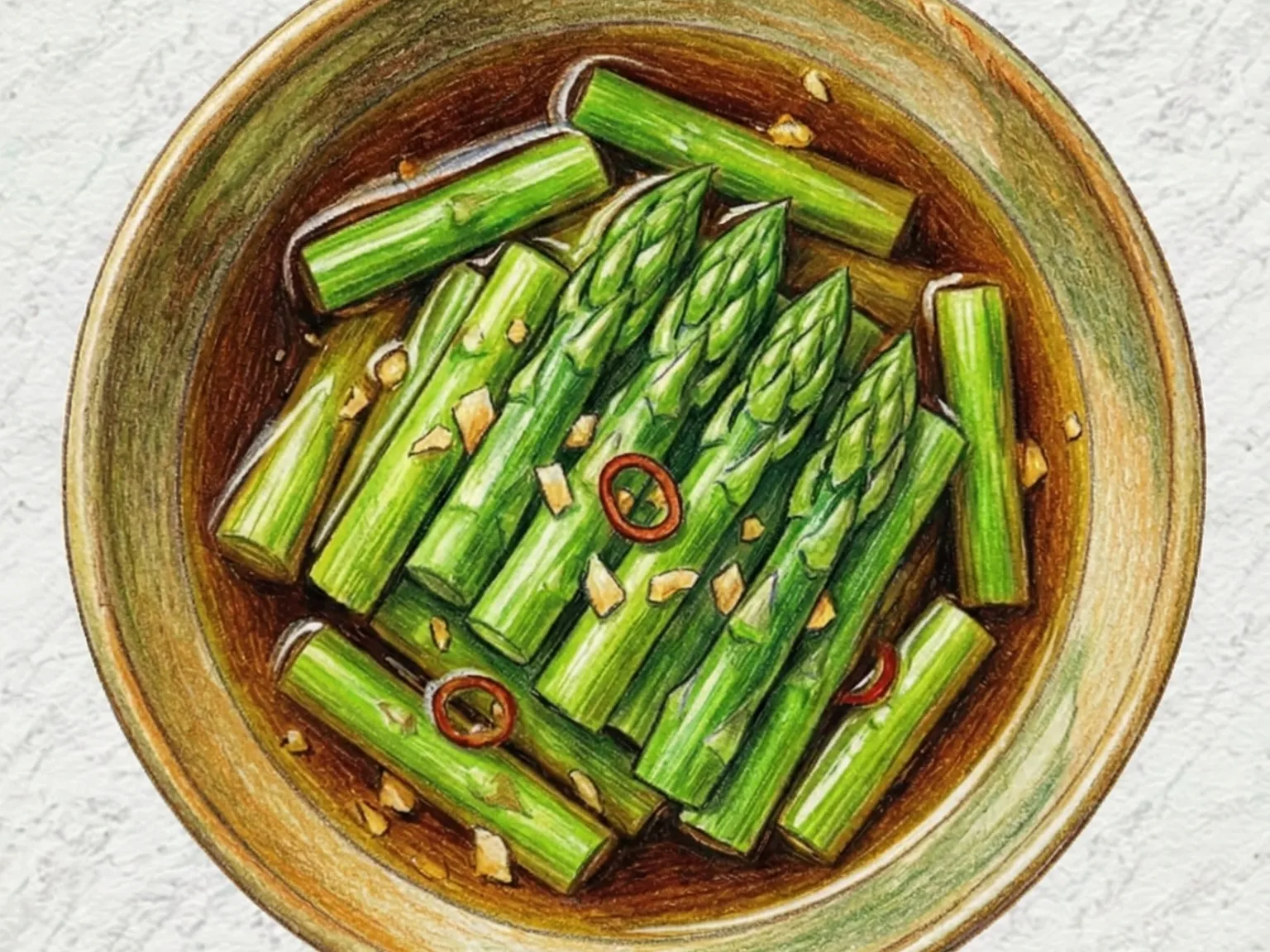
Korean Soy Pickled Asparagus
lemon
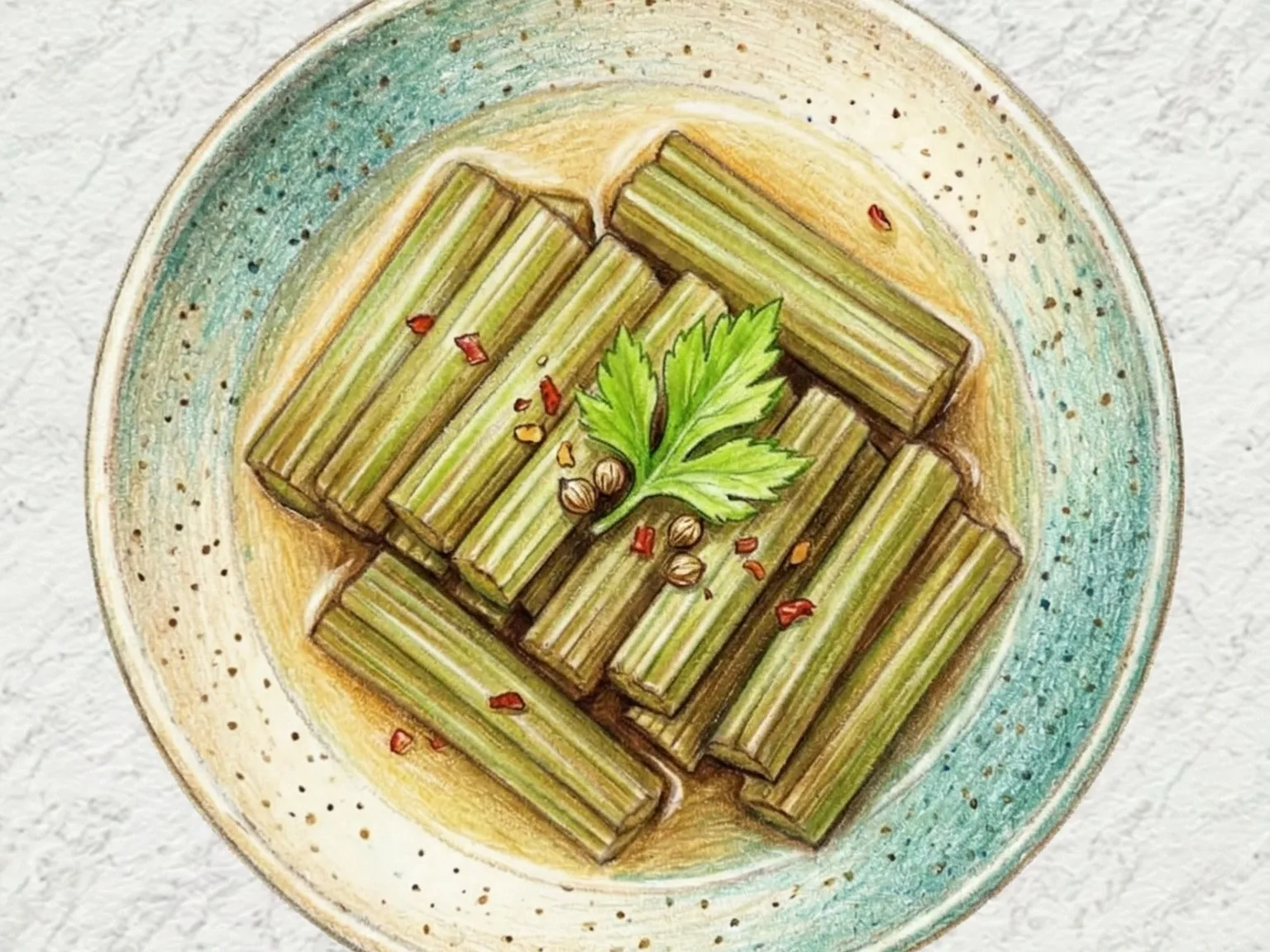
Korean Celery Jangajji (Blanched Soy Lemon Pickle)
lemon