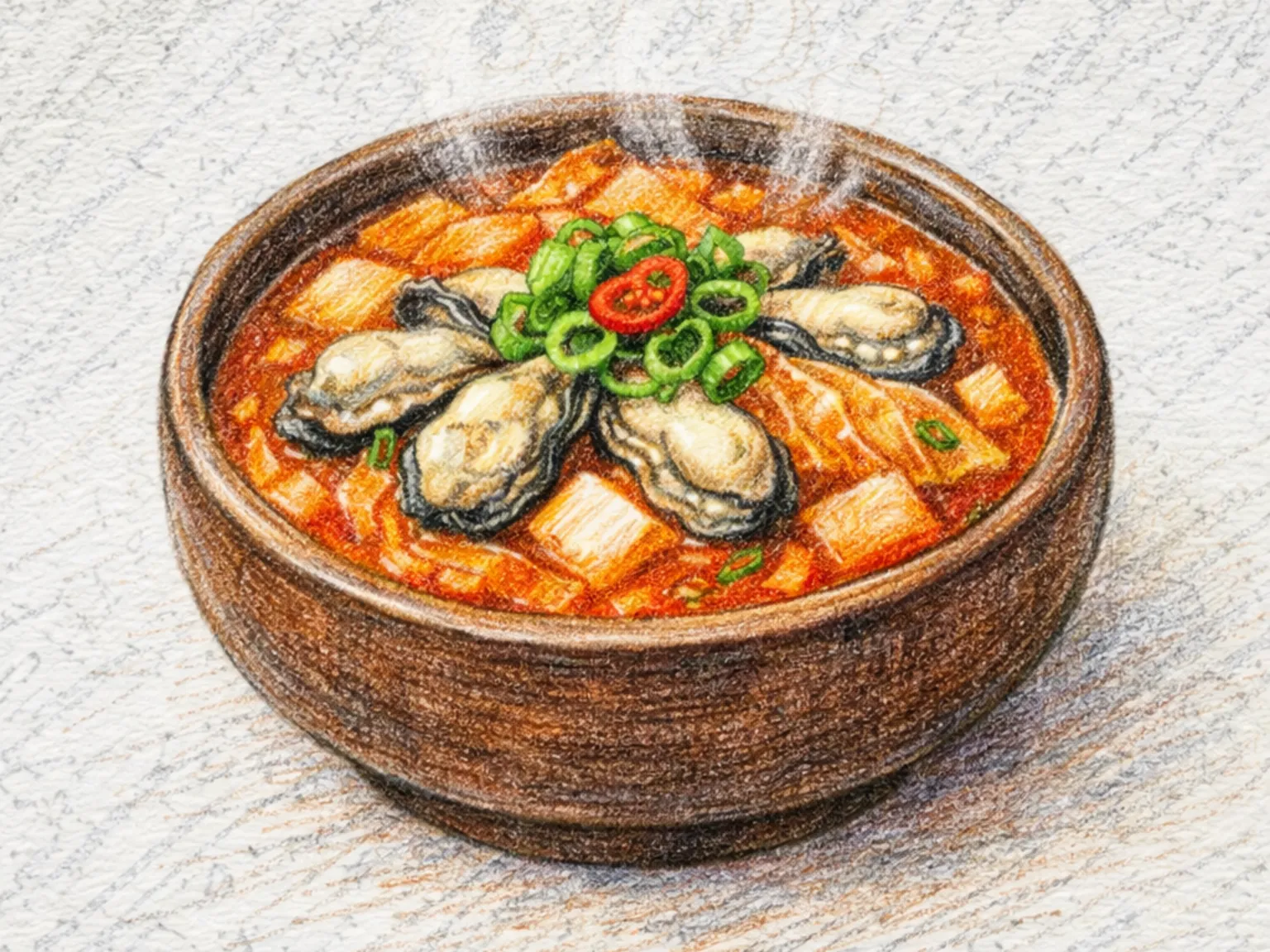
Korean Oyster Kimchi Stew
Start by stir-frying 220 g aged kimchi in 1 tbsp perilla oil over medium heat for about 3 minutes, then boil it with 120 g sliced Korean radish and 750 ml anchovy stock for about 8 minutes. Stir in 1 tbsp gochugaru and 1 tbsp minced garlic and simmer 3 minutes. Add 180 g drained oysters only when the broth is boiling actively and cook them 2 to 3 minutes, stopping as soon as the edges firm.
Quick answer
- Total time
- 30 min
- Level
- Medium
- Servings
- 2 servings
- Ingredients
- 10
About this dish
The nutty smell of sour kimchi fried in perilla oil meets the briny smell of fresh oysters in one pot.
Read more
It is a winter stew, made when the kimchi has gone properly sour and the oysters are plump.
Ingredients
Instructions
- 1
Rinse 180 g fresh oysters gently in lightly salted water, moving them by hand rather than squeezing them.
Pick out any shell fragments, then drain them well in a strainer so briny excess liquid does not cloud the stew.
- 2
Warm 1 tablespoon perilla oil in a pot over medium heat, then add 220 g aged kimchi.
Stir-fry for about 3 minutes, until the leaves soften and the sharp sour smell turns round and nutty.
- 3
Add 120 g thinly sliced Korean radish and pour in 750 ml anchovy stock, then raise the heat to high.
Once it boils, cook about 8 minutes until the radish looks translucent and the broth tastes cleaner.
- 4
Stir in 1 tablespoon gochugaru and 1 tablespoon minced garlic, then lower to medium heat and simmer 3 minutes.
If the kimchi tastes too sour, add only a pinch of sugar to balance the acidity.
- 5
When the broth is boiling actively, add the drained oysters and 1 sliced hot green chili.
Cook only 2 to 3 minutes, stopping as soon as the oyster edges firm and the centers stay plump.
- 6
Scatter 40 g sliced green onion over the pot and turn off the heat immediately.
Let the residual heat release its aroma, then serve the stew hot before the oysters continue cooking and become tough.
Use-up ingredient planner
Turn these ingredients into two more meals
The overlap excludes basic seasonings. Open the next recipe and your selected dishes will stay with you.
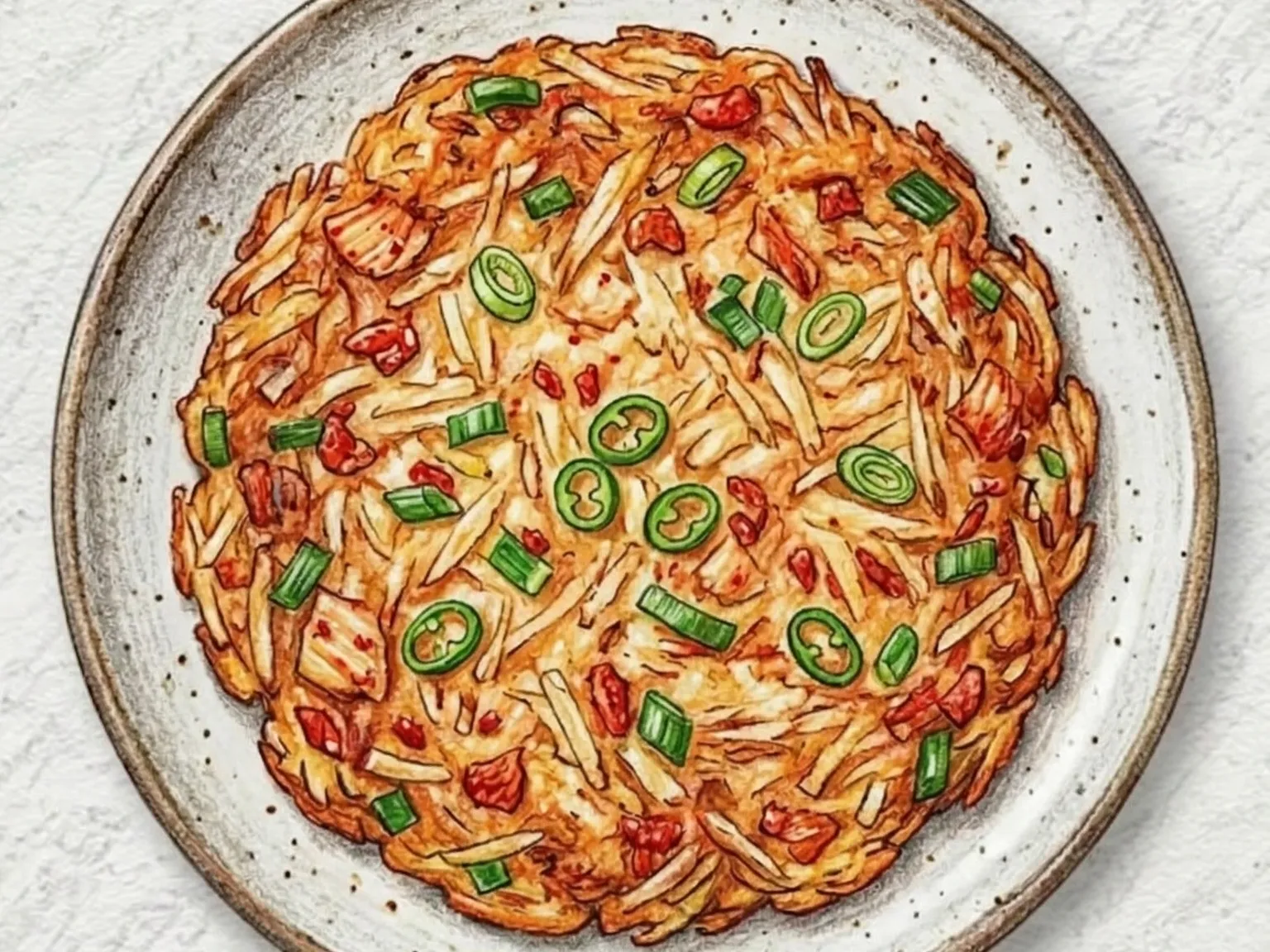
Korean Kimchi Potato Jeon
aged kimchi, green onion
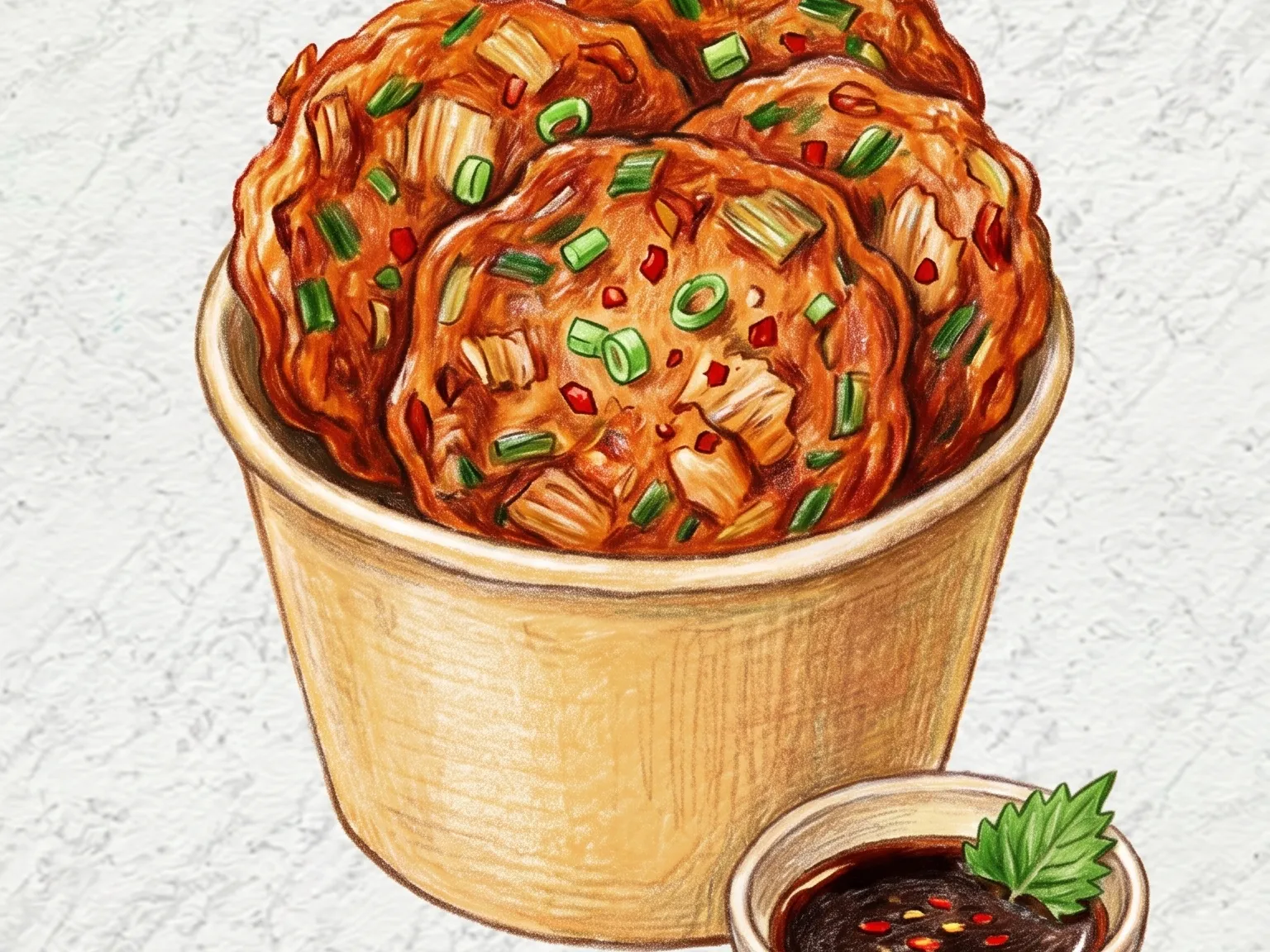
Korean Kimchi Jeon Cup (Kimchi Pancake Cups)
aged kimchi, green onion
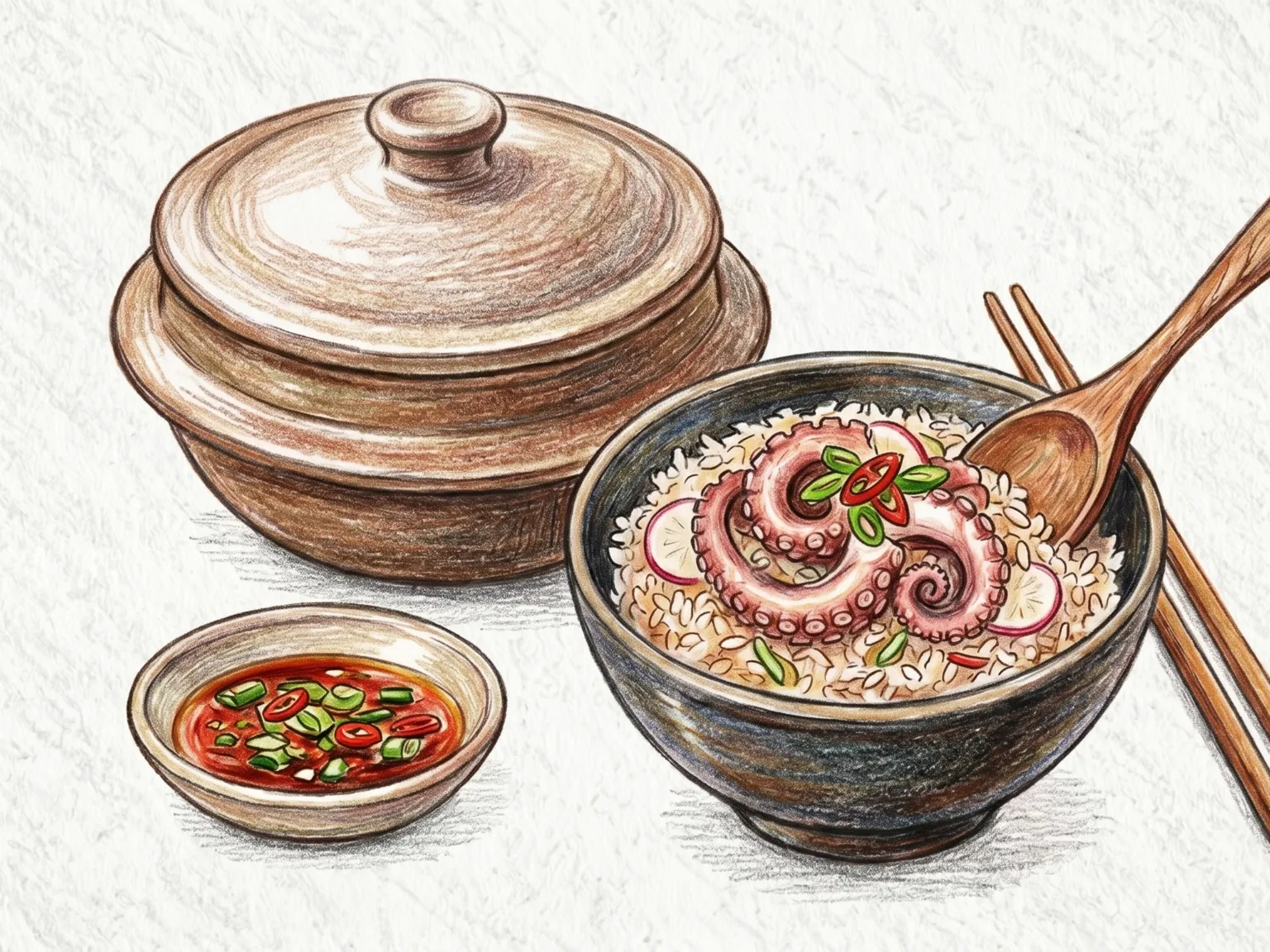
Korean Octopus Pot Rice (Chewy Octopus Ocean-Scented Grain Pot)
korean radish, green onion