Korean Gullim Mandu (Round Dumplings)
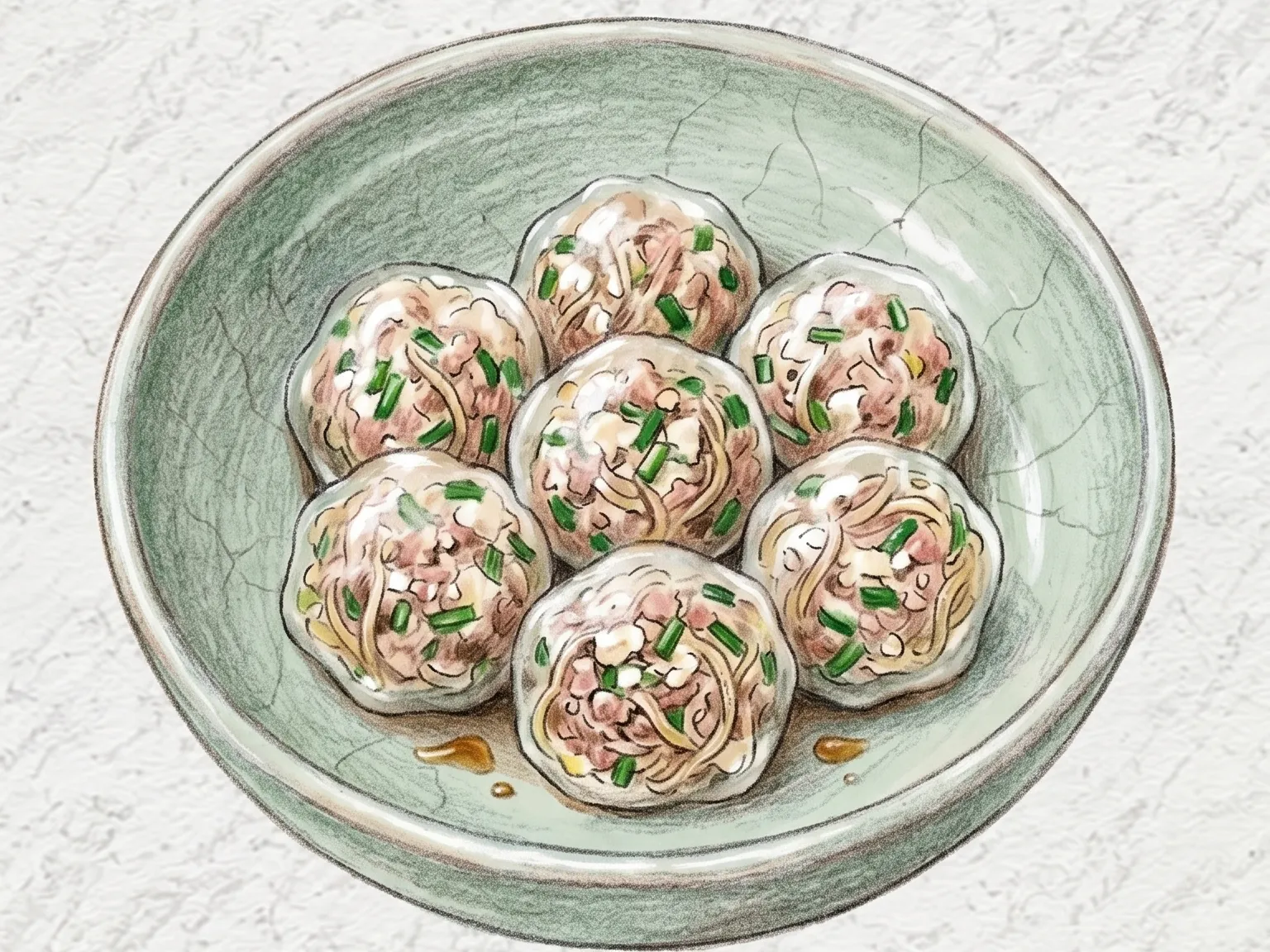
Gullim-mandu is a Korean dumpling made without wrappers - the filling of ground pork, tofu, garlic chives, onion, and soaked glass noodles is rolled into balls and coated in starch powder before steaming. As the starch cooks in steam, it forms a translucent, chewy skin distinctly different from standard dumpling wrappers. A double coating produces a thicker shell with more bite, while the inside releases pork juices mingled with the sharp fragrance of garlic chives. These dumplings are dipped in a sauce of soy sauce, vinegar, and sesame oil, or dropped into tteok-mandu-guk for a hearty soup.
Adjust Servings
Instructions
- 1
Squeeze tofu dry; finely chop chives and onion; cut soaked noodles short.
- 2
Mix all ingredients except starch to form the dumpling filling.
- 3
Roll filling into balls and coat evenly with starch powder.
- 4
Place in a steamer and steam over high heat for 15 minutes.
- 5
Serve with a dipping sauce of soy sauce, vinegar, and sesame oil.
As an Amazon Associate, we may earn from qualifying purchases.
Tips
Nutrition (per serving)
More Recipes

Korean Steamed Mandu (Pork and Tofu Dumplings Steamed in Half-Moon Shape)
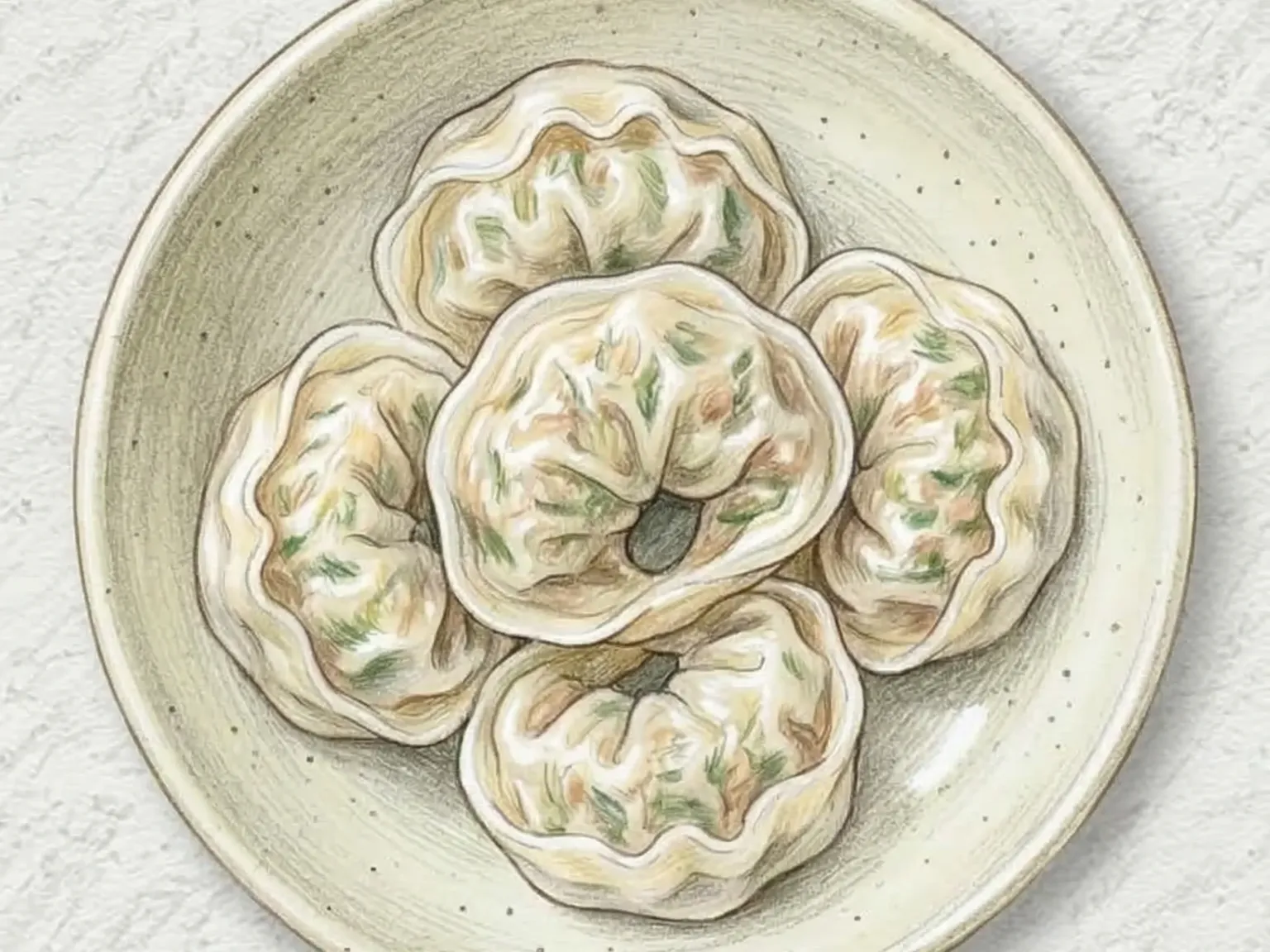
Jjin mandu are Korean steamed dumplings filled with a mixture of ground pork, squeezed tofu, soaked glass noodles, garlic chives, and onion seasoned with soy sauce and sesame oil, folded into half-moon shapes and steamed for 12 to 15 minutes. Cooking by steam rather than oil keeps the wrapper moist and supple while letting the filling's own flavors come through cleanly. Tofu absorbs excess moisture and softens the texture of the filling, while garlic chives add a pungent bite that tempers the pork. They are served with a dipping sauce of soy sauce, vinegar, and red chili flakes.

Korean Meat Mandu (Pork and Beef Dumplings with Tofu Filling)
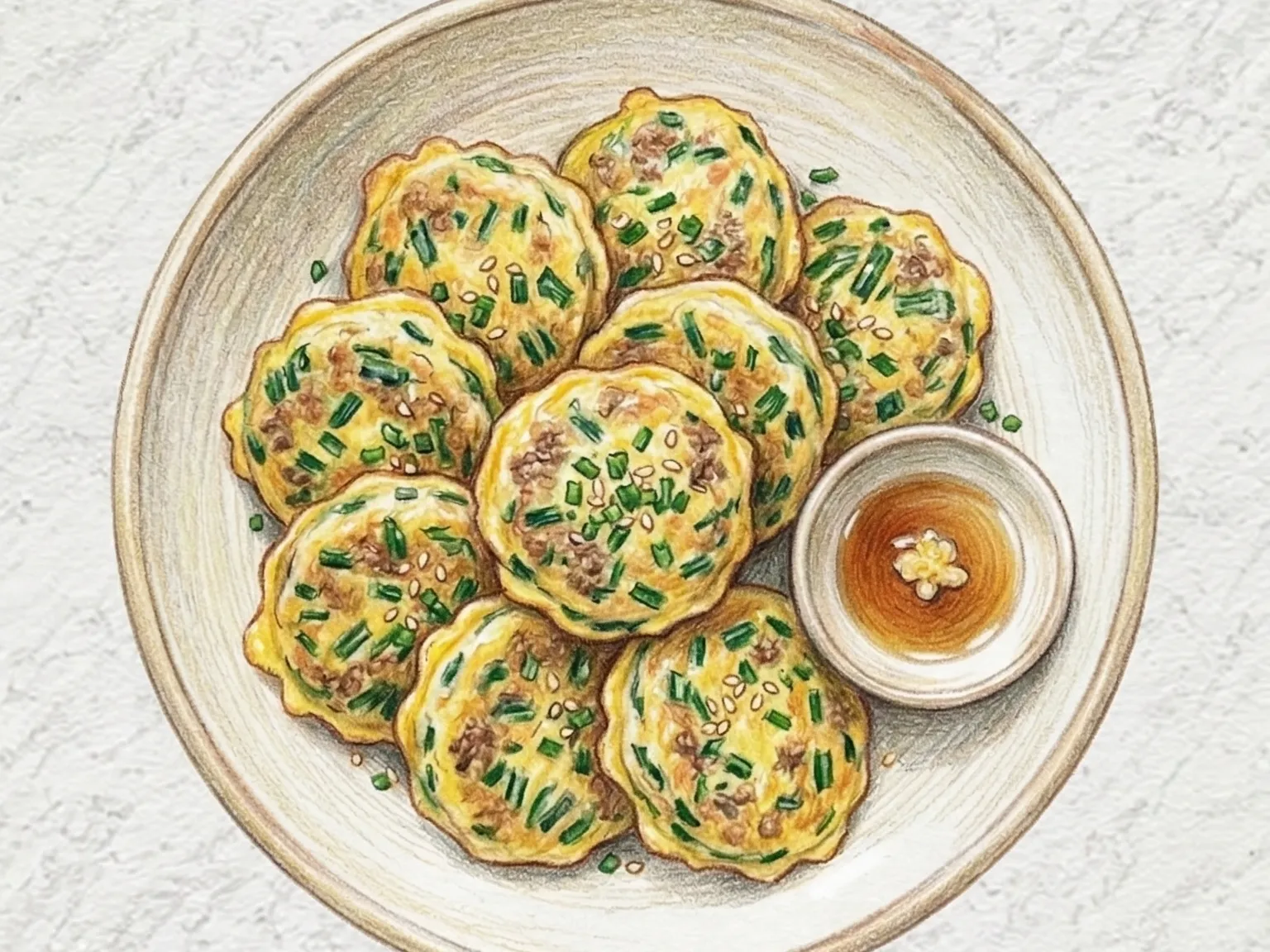
Gogi-mandu is a Korean meat dumpling filled with a mixture of ground pork, ground beef, squeezed tofu, onion, scallion, and garlic, seasoned with soy sauce and sesame oil. Kneading the filling in one direction develops protein bonds that create a sticky mass, which locks in moisture during steaming or pan-frying. The pork contributes fat and richness while the beef adds depth of flavor, and the tofu absorbs liquid to keep the filling soft rather than dense. These dumplings can be steamed for a clean taste or pan-fried with a splash of water and a lid for a crispy-bottomed finish.

Korean Shrimp Mandu (Chunky Shrimp and Pork Dumplings)
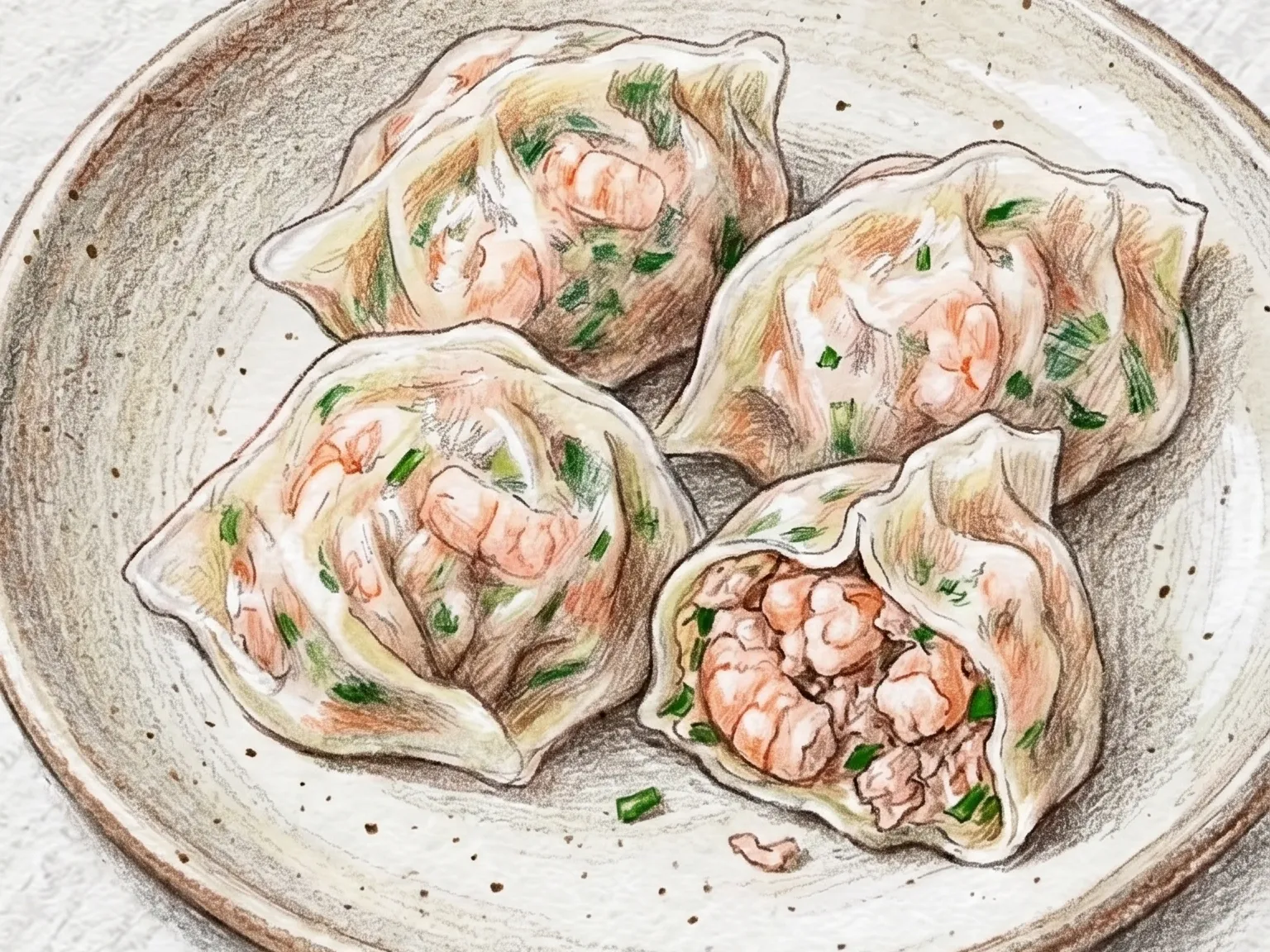
Saeu-mandu are Korean dumplings filled with coarsely chopped shrimp, ground pork, garlic chives, and onion. The shrimp is intentionally left in chunky pieces so each bite delivers a distinct pop of texture alongside the pork. The filling is seasoned with sesame oil and garlic, keeping the flavor clean with a gentle seafood sweetness underneath. Steaming turns the wrappers translucent and lets the pink shrimp show through, while pan-frying gives a golden, crisp bottom that contrasts with the soft upper shell.

Korean Crispy Kimchi Fried Dumplings
Kimchi gun mandu are pan-fried dumplings filled with finely chopped kimchi, squeezed tofu, ground pork, and green onion seasoned with soy sauce and garlic, shaped into half-moons. The bottoms are first crisped in oil, then water is added and the pan is covered for four minutes to steam the tops, achieving a contrast of crunchy base and moist upper wrapper. The kimchi's acidity and heat permeate the pork fat to create a more assertive umami than plain dumplings, and the tofu smooths out the filling's texture. A splash of vinegar in the soy dipping sauce cuts any greasiness.

Korean Steamed Eggplant Namul
Gaji namul strips eggplant down to its quietest expression - steamed until completely soft, then dressed with just soy sauce, garlic, and sesame oil. No chili, no vinegar, no fermented paste. The eggplant is halved and steamed for seven minutes until the flesh is uniformly tender, then torn into long shreds by hand along its natural fibers. This tearing technique creates rough surfaces that grip the minimal seasoning better than knife-cut pieces would. The dressed namul has a glossy, dark sheen from the sesame oil and soy sauce soaking into the porous flesh. Among Korean namul dishes, gaji namul stands out for its exceptionally soft, almost melting texture - it practically dissolves when mixed into warm rice. A traditional banchan in Korean Buddhist temple cuisine, where simplicity is a principle rather than a limitation.

Korean Steamed Pomfret (Whole Fish with Soy Ginger Sauce)
Whole pomfret is gently steamed with soy sauce, rice wine, ginger, and green onion. Pomfret has thin, delicate flesh that separates easily from the bone after steaming, with a mild, clean flavor. Ginger and green onion work together to neutralize any fishiness, while soy sauce provides subtle seasoning. A light touch of sesame oil finishes the dish, making this a gentle, non-spicy preparation suitable for all ages.