Korean Roasted Cassia Seed Tea
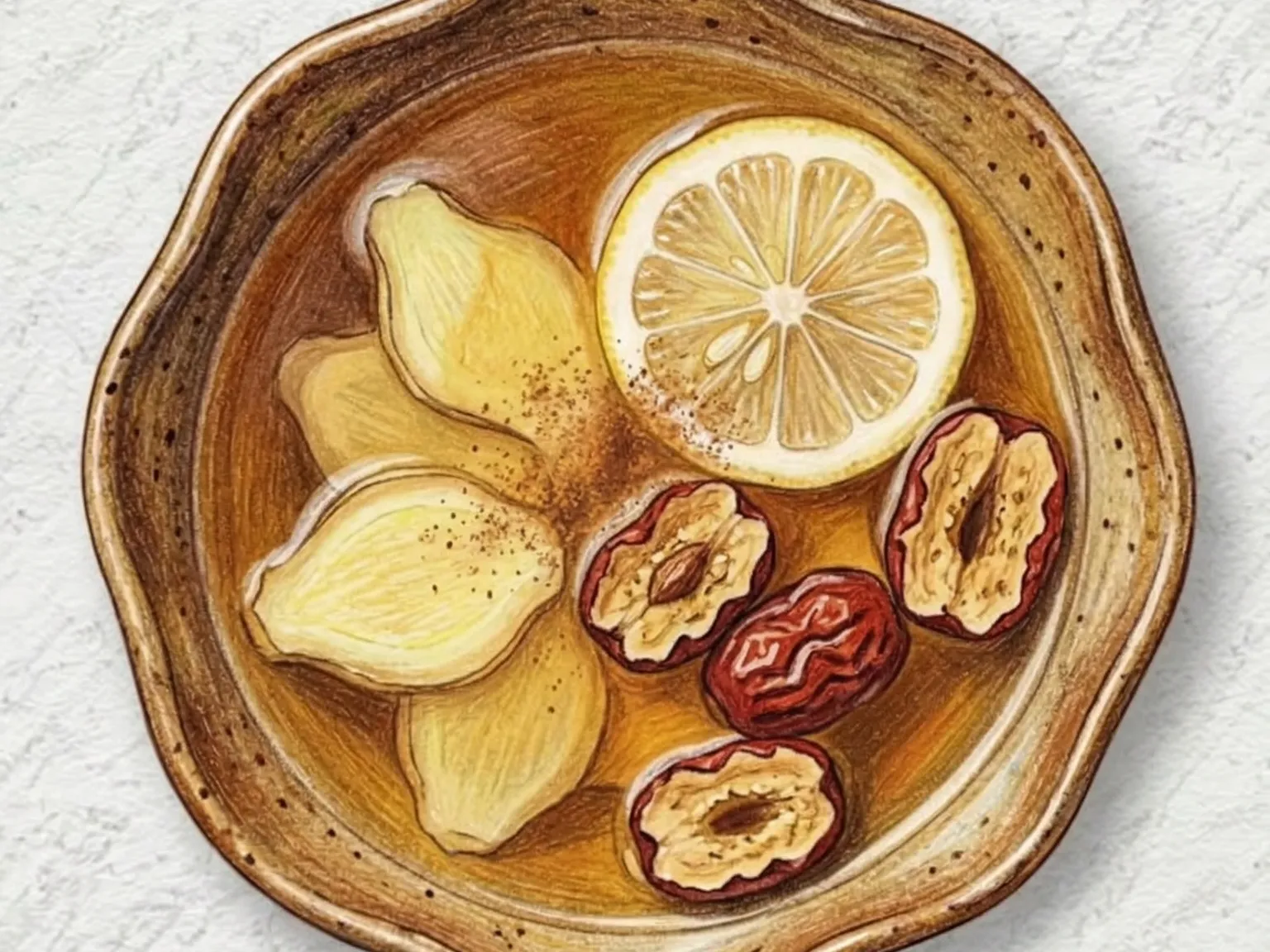
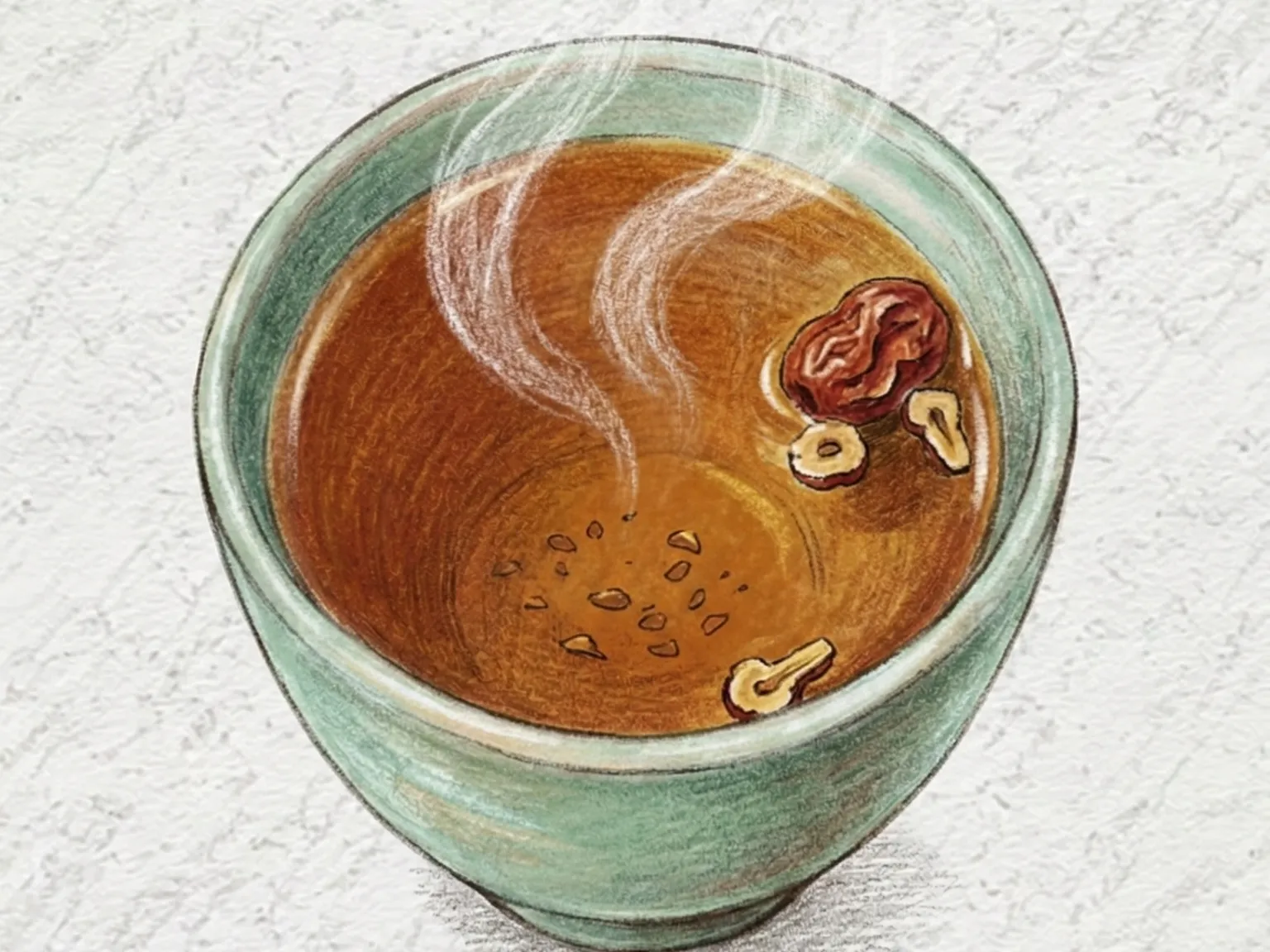
Gyeolmyeongja-cha is brewed from cassia seeds that are first dry-roasted over medium heat until they turn a deep amber and release a toasty, nutty fragrance. The roasted seeds are then simmered in water for about twenty minutes, producing a rich brown liquor with a robust grain-like flavor. Sliced ginger is added during simmering for a warming, peppery layer, and jujubes mellow the overall taste with subtle fruit sweetness. Honey adjusts the sweetness to preference, and thin lemon slices floated on top add a clean citrus finish that balances the earthy depth.
Adjust Servings
Instructions
- 1
Dry-roast the cassia seeds in a pan for 3 minutes to boost nuttiness.
- 2
Halve the jujubes and thinly slice the ginger.
- 3
Combine water, roasted cassia seeds, jujube, and ginger in a pot and boil.
- 4
Once boiling, simmer on medium-low for 15 minutes until richly colored.
- 5
Strain and stir in honey when the tea is warm.
- 6
Pour into cups and finish with lemon slices.
As an Amazon Associate, we may earn from qualifying purchases.
Tips
Nutrition (per serving)
More Recipes

Korean Persimmon Leaf Tea
Gamnip-cha is a Korean caffeine-free tea brewed from dried persimmon leaves and dried tangerine peel, yielding a gentle green-herbal note layered with light citrus. Steeping on low heat for twelve minutes after bringing the water to a boil extracts the soft, grassy flavor of the leaves while minimizing any astringency. Thinly sliced Korean pear with its skin adds natural sweetness and a fresh quality to the infusion, and the tangerine peel is kept to a small amount so it accents rather than overwhelms the leaf aroma. The tea is strained, sweetened with honey, and finished with a trace of cinnamon.

Korean Roasted Buckwheat Tea
Memil-cha is a Korean roasted buckwheat tea brewed by simmering toasted buckwheat groats in water on low heat for about ten minutes. The roasting brings out a deep, toasty grain aroma that fills each cup with earthy warmth. Jujube and a thin strip of lemon peel contribute gentle sweetness and a faint citrus lift during the steep. Being naturally caffeine-free, it works equally well served hot in winter or chilled over ice in summer.

Korean Lotus Leaf Tea (Roasted Rice and Lotus Brew)
Yeonnip-cha is a Korean lotus leaf tea brewed by simmering dried lotus leaf with roasted brown rice, jujube, and ginger for 15 minutes, then steeping covered for three additional minutes to concentrate the aroma. The lotus leaf contributes a clean, grassy fragrance that pairs with the toasty, nutty character of the roasted rice, creating a light but layered flavor. Jujube and ginger smooth out any sharp vegetal edges, making the tea approachable even for first-time drinkers, and rice syrup is stirred in for gentle sweetness. Brewing time should not exceed 20 minutes to avoid astringency, and the tea is naturally caffeine-free.

Korean Roasted Sword Bean Tea
Jakdukong-cha is brewed from roasted sword beans - legumes three to four times larger than common beans - simmered with dried jujubes, fresh ginger, and a cinnamon stick for about twenty-five minutes. Roasting the sword beans browns their surface and develops a heavy, toasty grain aroma that forms the tea's base. Ginger and cinnamon build layered spice warmth on top of the roasted bean foundation, and dried jujubes contribute a fruity sweetness that counterbalances any residual bitterness. Honey is added at the end to fine-tune the sweetness, and the tea is caffeine-free.

Yuja Saenggang Scone (Yuja Ginger Scone)
Cold butter is rubbed into flour to form coarse crumbs, then yuja marmalade and ginger juice are mixed in to create a dough that bakes into scones with a crumbly, flaky exterior and a moist, tender center. The yuja contributes a bright citrus fragrance that is more aromatic and floral than lemon, pairing naturally with the buttery richness of the scone. Ginger adds a subtle warmth that tempers the sweetness and leaves a clean finish. Minimal handling of the dough preserves the cold butter pockets that generate flaky layers during baking - if the dough warms, it should be returned to the refrigerator immediately. Shaping into rounds and brushing the tops with egg wash produces a golden, glossy crust. These scones are at their best served warm with clotted cream or yuja curd, where the citrus notes in the spread echo those baked into the scone itself. The combination of Korean citrus and British baking tradition makes this a distinctive cross-cultural pastry.

Korean Potato Perilla Seed Soup
Nutty, creamy, and dairy-free - this Korean potato perilla seed soup is the kind of bowl that warms you from the inside out on a cold day. Potatoes are simmered in anchovy-kelp stock until they start to break apart and thicken the liquid naturally. Ground perilla seed is then stirred in, transforming the broth from clear to opaque and layering on a distinctive toasted, earthy fragrance. The flavor sits in a unique space - neither as pungent as doenjang soup nor as neutral as plain potato broth - with a lingering nuttiness that builds with each spoonful. Onion and green onion provide background sweetness, and a touch of soup soy sauce ties the seasoning together. This is everyday home cooking in Korea, the kind of soup that rarely appears on restaurant menus but shows up on family dinner tables whenever the weather turns cold.