Gyeongdan (Chewy Rice Balls with Sweet Coating)
Quick answer
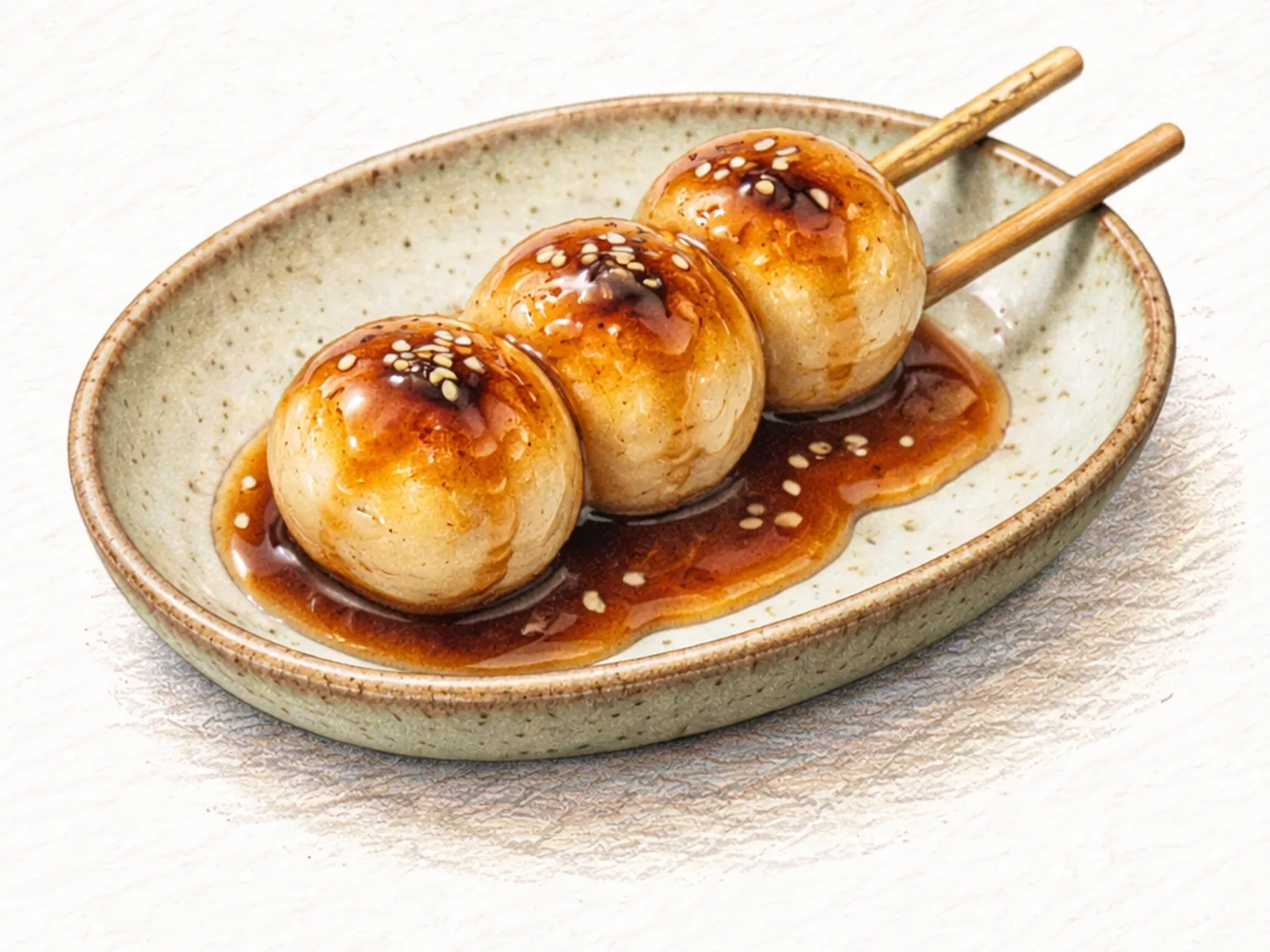
Gyeongdan are Korean glutinous rice balls, each one shaped by hand into a small sphere, boiled until it floats, then rolled in a dry coating while still warm.
What makes this special
- Chewy Korean rice balls (gyeongdan) coated in sweet powders after being boiled until soft.
- Hot-water kneading pre-cooks the starch so the balls stay chewy after boiling
- One extra minute after floating, then cold-water rinse, makes the coating adhere evenly
Key ingredients
Core cooking flow
- 1 Mix 240 g glutinous rice flour with 1/4 teaspoon salt, then pour in 170 ml hot water little by little.
- 2 Keep the dough covered so it does not dry out, then pinch off small pieces about the size of a bird egg.
- 3 Bring plenty of water to a full boil and keep it at medium-high heat.
Gyeongdan are Korean glutinous rice balls, each one shaped by hand into a small sphere, boiled until it floats, then rolled in a dry coating while still warm. The dough is made by kneading glutinous rice flour with hot water rather than cold, a technique that partially gelatinizes the starch and gives the finished rice ball its characteristic chewy spring. Rinsing the cooked balls immediately in cold water stops them from sticking together and firms the surface enough for the coating to cling evenly. Traditional coatings include roasted soybean powder, which is mild and nutty, ground black sesame, which adds deep toasted bitterness, and sweetened red bean crumbles. Some versions are filled with sweet red bean paste before shaping, so the filling bursts as you bite through. Gyeongdan appear on ceremonial tables at seasonal holidays and as everyday snacks, often presented as a trio of colors arranged side by side on a single plate.
Instructions
Read the steps as a cooking flow: prep, heat, seasoning, doneness control, and finish.
- 1Season
Mix 240 g glutinous rice flour with 1/4 teaspoon salt, then pour in 170 ml hot water little by little.
Stir first with a spatula, and when cool enough to touch, knead until smooth and elastic.
- 2Control
Keep the dough covered so it does not dry out, then pinch off small pieces about the size of a bird egg.
Roll each piece between your palms until round, sealing any cracks before boiling.
- 3Control
Bring plenty of water to a full boil and keep it at medium-high heat.
Add only enough balls to move freely, then stir gently right after adding them so they do not stick to the bottom.
- 4Heat
When the balls float, boil them for 1 more minute so the centers cook through.
Once they look plump and slightly translucent, lift them out and put them straight into cold water.
- 5Step
Move them around in the cold water for about 20 seconds to firm the surface.
Do not soak them for long, or the flavor will fade, then drain gently in a sieve.
- 6Finish
While the surface is still faintly damp, roll some balls in 80 g roasted soybean powder and the rest in 40 g black sesame powder.
Plate them neatly and serve with 1 tablespoon honey the same day.
After the steps
Pick a recipe that fits this dish.
Continue with shared ingredients, meal pairings, or a similar method.
Recipes That Go Well With This
More Baking →Based on shared ingredients and meal pairing
Glutinous Rice Cake Balls
Chapssal-danja are Korean glutinous rice cake balls filled with sweet red bean paste, boiled until they float, and rolled in a mixture of roasted soybean powder and sugar. The dough is flattened, wrapped around the filling, and sealed tightly into a sphere so the paste stays contained during boiling, with an extra minute of cooking after the balls surface to ensure the center is fully cooked through. A very thin brush of honey applied immediately after draining acts as an adhesive for the soybean powder coating and adds a faint floral sweetness to the exterior. Sifting the soybean powder before rolling produces a fine, even layer that gives each ball a powdery, melt-on-the-tongue finish over the chewy rice cake underneath. Kneading the glutinous rice dough thoroughly before portioning builds elasticity, which translates directly into the characteristic chew once the balls are cooked.
Yaksik (Korean Royal Sweet Glutinous Rice with Jujube)
Yaksik is a traditional Korean sweet rice dish with roots in royal court cuisine. Glutinous rice is mixed with soy sauce, honey, and sesame oil, then steamed with jujubes and chestnuts until each grain absorbs a deep caramel-brown color and a sweet-salty seasoning. The soy sauce provides savory depth while the honey glazes the rice with a gentle sheen and lingering sweetness. Jujubes burst with natural fruity sweetness when bitten, and chestnuts contribute a crumbly, starchy contrast to the chewy rice. A pinch of cinnamon adds warm spice that ties the elements together. Yaksik holds its texture well at room temperature, making it equally suited for packed lunches or make-ahead desserts.
Korean Dalgona Milk (Caramel Puffed Sugar Candy Milk)
Dalgona milk starts with melting sugar in a small pan over low heat until it reaches a deep amber color, then adding baking soda, which causes the hot caramel to foam and aerate instantly into a honeycomb-like structure. Once cooled, the puffed candy is crushed and dissolved into cold milk. The baking soda reaction is what gives dalgona its distinctive lightness: instead of a dense, hard caramel, the aerated structure makes it brittle and easy to break while also helping it dissolve quickly in the milk. The caramelized sugar delivers a deep, toasty sweetness with a slight bitterness at the edges, similar to butterscotch, that spreads through the milk as the pieces melt. A small amount of vanilla extract sharpens the flavor and a pinch of salt rounds it out. Keeping some crushed dalgona pieces separate and dropping them on top of the finished drink as a garnish adds a crunchy contrast to the creamy liquid beneath.
Three-Color Sweet Rice Balls
Samsek gyeongdan are traditional Korean rice cake balls made from glutinous rice flour dough divided into three colors: plain white, green from mugwort powder, and pink from prickly pear powder, then rolled into small spheres and boiled. The dough must be kneaded with hot water to fully activate the starch's sticky quality; water that is too cool makes the dough prone to cracking when shaped. The balls need one extra minute of cooking after they float to ensure the centers turn fully translucent, and pulling them out immediately after floating often leaves a dense, undercooked core. The mugwort batch carries an herbal, grassy note, and the prickly pear version offers a faint fruity tang, so three distinct flavors emerge from the same base recipe. Transferring the cooked balls immediately to cold water stops carryover cooking and preserves the springy, bouncy texture. Rolling them in a mixture of roasted soybean powder or black sesame powder with sugar coats each ball in nuttiness, and a light brush of sesame oil prevents the balls from sticking together while giving the surface a subtle sheen.
Serve with this
Misugaru Grain Ice Cream
Misugaru Grain Ice Cream is a frozen dessert made by blending roasted multi-grain powder with milk and heavy cream. The misugaru is whisked into milk to dissolve any lumps before honey, condensed milk, and a pinch of salt are added to establish a sweet, nutty base. Separately, heavy cream is whipped to soft peaks and gently folded into the mixture using J-shaped strokes to maintain aeration. The mixture is placed in a shallow container to freeze. To achieve a smooth texture, the surface is scraped with a fork every hour for three hours, breaking up ice crystals. Using black bean grain powder provides a richer taste, and topping the ice cream with chopped nuts adds a crunchy contrast to the creamy texture.
Fruit Salad (Fresh Seasonal Fruit in Yogurt)
Fruit salad dices apple, banana, kiwi, strawberries, and blueberries into uniform bite-sized pieces and folds them gently into a light dressing of plain yogurt, honey, and lemon juice. Cutting everything to a similar size ensures an even mix of crisp, soft, and juicy textures in every spoonful. The lemon juice serves two purposes - it adds a bright acidity that ties the different fruits together and slows the oxidation that turns apple flesh brown. Banana should be added last to prevent it from turning mushy under the weight of the other ingredients. Using unsweetened yogurt lets the natural sweetness of the fruit stand out more clearly, and chilling the finished salad for about ten minutes allows the fruit juices to merge with the dressing for a more cohesive flavor.
Buffalo Wings
Buffalo wings coat chicken wings in baking powder and roast them at high heat for forty-five minutes, producing a crisp skin without deep-frying. The baking powder raises the skin's pH to accelerate the Maillard reaction and drives out moisture faster, yielding a crunch that rivals the fryer. Straight from the oven, the wings are tossed in a sauce of melted butter and hot sauce - the butter tempers the vinegar-based heat into something that coats the tongue rather than burning it, and a touch of white vinegar at the end sharpens the finish. Blue cheese dipping sauce and celery sticks served alongside provide a cooling, creamy contrast and a crisp palate cleanser between bites.
Similar recipes
Glutinous Rice Cake with Soybean Powder
Injeolmi is a Korean glutinous rice cake made by kneading rice flour dough with hot water, steaming it for fifteen minutes, then pounding or beating it vigorously for at least five minutes to develop the characteristic elasticity. The pounding step determines the final texture: insufficient working produces a weak dough that cracks apart, while thorough pounding yields the signature stretchy, chewy pull that injeolmi is known for. The finished dough is stretched out, cut into bite-sized pieces, and rolled in a mixture of roasted soybean powder and sugar, which coats each piece in a fragrant, toasted-grain aroma. Applying a thin layer of sesame oil to both hands and knife before cutting prevents the dough from sticking, and the soybean powder coating is best applied immediately before serving to keep the surface dry and powdery rather than absorbing moisture. Injeolmi appears regularly at ancestral rites, first birthday celebrations, and traditional ceremonies across Korea.
Korean Sweet Glutinous Rice
Glutinous rice is soaked, steamed, and dressed with a mixture of soy sauce, sesame oil, and honey, then studded with jujubes, chestnuts, and pine nuts before a second steaming. The double-steaming process gives the rice a dense, chewy stickiness while the soy sauce penetrates each grain and tints it a deep amber. Jujubes lend a natural caramel-like sweetness, chestnuts add a crumbly, starchy contrast, and pine nuts contribute a subtle oiliness that enriches the overall taste. Traditionally prepared for the first full moon festival, yakbap is equally enjoyable as an everyday snack or packed lunch.
Pan-Fried Sweet Rice Cake
Bukkumi is a traditional Korean pan-fried rice cake made from glutinous rice flour dough filled with sweet red bean paste seasoned with cinnamon and sugar. Using hot water to form the dough partially gelatinizes the starch, creating a pliable skin that stretches without cracking - though the dough must stay covered with a damp cloth throughout assembly to prevent the surface from drying out. Folding the dough into half-moon shapes seals in a cinnamon-laced bean paste filling that lifts the dense sweetness of the red bean with a warm spice note. Pan-frying on low heat builds a golden crust on each side while keeping the filling warm and molten at the center. A light drizzle of honey or a pinch of sugar right after frying adds a final layer of sweetness.