Korean Cinnamon Tea (Spiced Jujube Ginger Honey Brew)
Quick answer
Gyepi-cha is a traditional Korean cinnamon tea made by simmering whole cinnamon sticks and fresh ginger in water over low heat for at least twenty-five minutes.
What makes this special
- A long, twenty-five minute simmer saturates Gyepi-cha with the bold depth of cinnamon.
- Cinnamon sticks simmered 25 min on low saturate the broth with warm spice depth
- Six jujubes break down slowly giving the broth natural viscosity and fruit fragrance
Key ingredients
Core cooking flow
- 1 Thoroughly wipe 25g of cinnamon sticks with a damp paper towel to remove dus...
- 2 Place 1100ml of water, prepared cinnamon, ginger, and 6 jujubes in a pot, co...
- 3 Lower the heat to the minimum setting once boiling and simmer gently for 20...
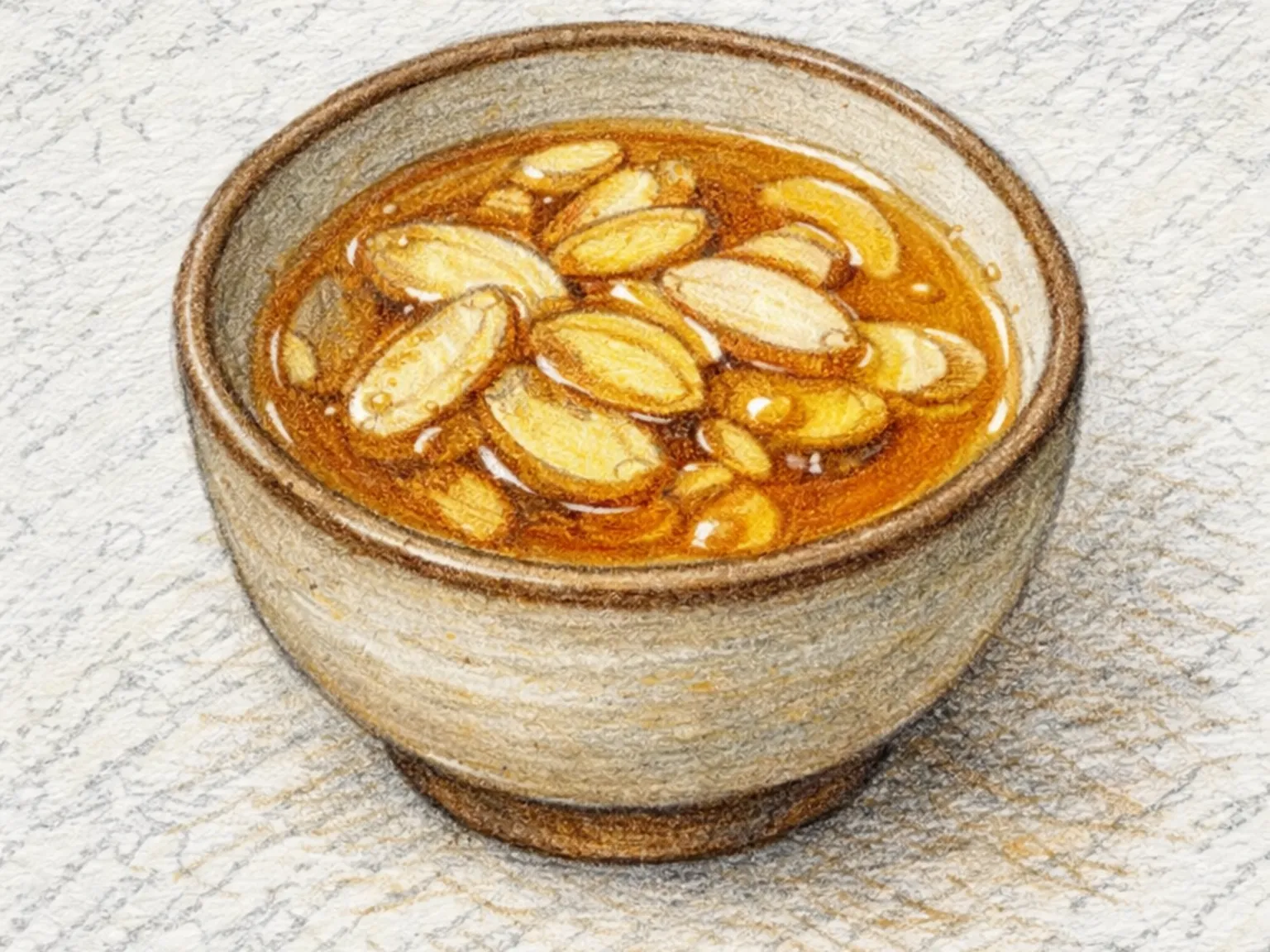
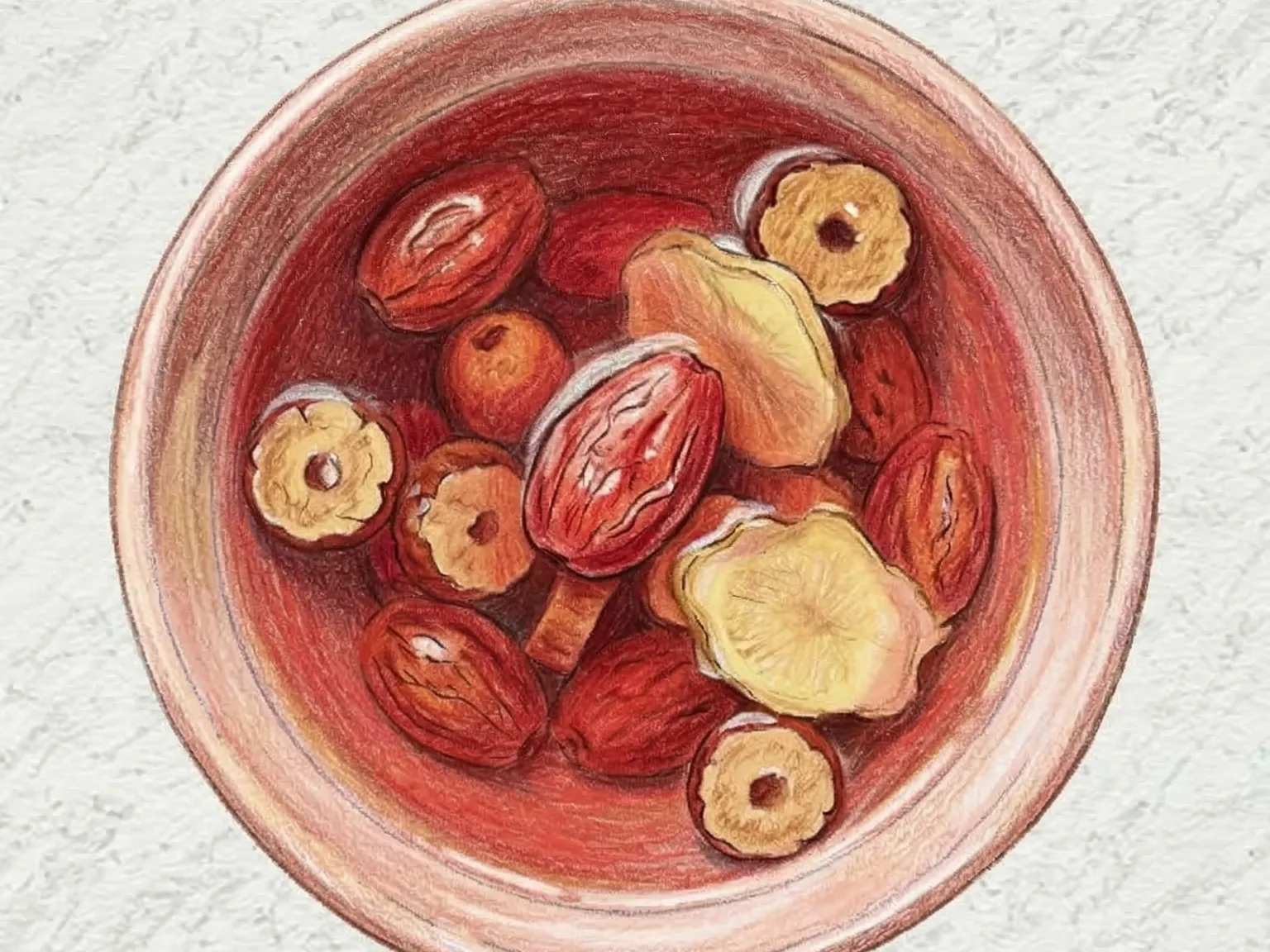
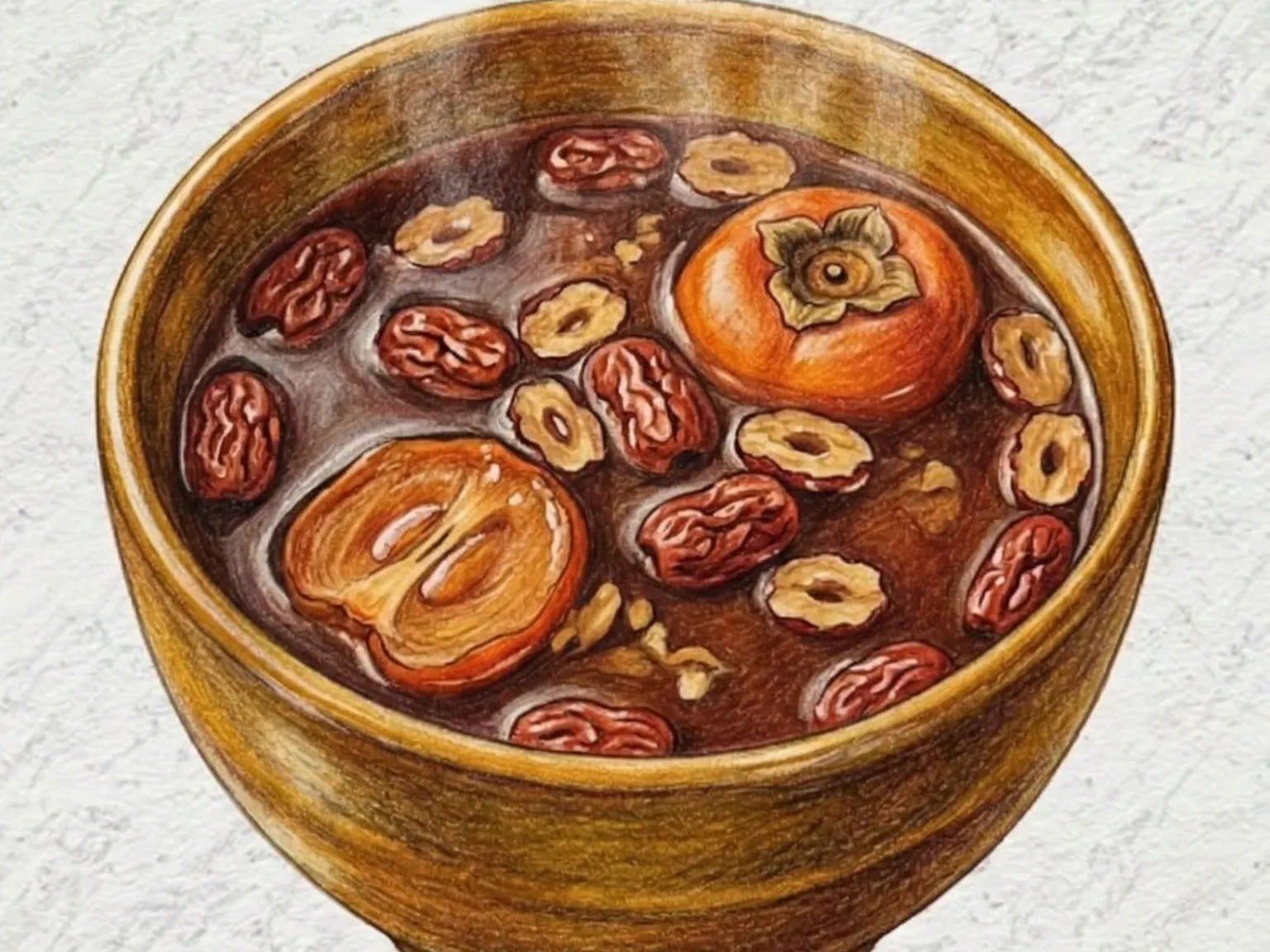
Gyepi-cha is a traditional Korean cinnamon tea made by simmering whole cinnamon sticks and fresh ginger in water over low heat for at least twenty-five minutes. The long, gentle simmer is what separates gyepi-cha from an infusion: the bold, sweet-spicy aroma of the cinnamon builds gradually, saturating the liquid rather than merely scenting it. Ginger contributes a sharp, deeply warming bite that stays present long after each sip, creating a slow, spreading heat in the chest. Six jujubes are cooked alongside the spices; their flesh softens and eventually breaks down, lending the broth a faint fruitiness and a slight natural body. Dark brown sugar and honey are both used to construct a sweetness that is layered rather than flat, with the molasses depth of the sugar underpinning the floral brightness of the honey. Before serving, a few pine nuts are floated on the surface, where their oily richness drifts down to complement the spice. This is a drink associated with cold weather and recovering health, often prepared during winter or whenever warmth is needed from the inside out.
Instructions
Read the steps as a cooking flow: prep, heat, seasoning, doneness control, and finish.
- 1Prep
Thoroughly wipe 25g of cinnamon sticks with a damp paper towel to remove dust and slice 20g of peeled ginger into thin rounds to maximize extraction.
- 2Control
Place 1100ml of water, prepared cinnamon, ginger, and 6 jujubes in a pot, cover with a lid, and heat over high until reaching a full rolling boil.
- 3Control
Lower the heat to the minimum setting once boiling and simmer gently for 20 minutes until the spicy and sweet cinnamon aroma fills the entire house.
- 4Step
Strain the infused tea through a fine mesh sieve to remove the cinnamon and ginger solids, then transfer the dark brown liquid back into a clean pot.
- 5Season
Add 2tbsp of dark brown sugar and stir until dissolved, then turn off the heat and mix in 1tbsp of honey once the liquid has cooled slightly.
- 6Finish
Serve warm or chilled in the refrigerator, and garnish with 1tbsp of pine nuts just before serving to provide a crunchy texture and a visual accent.
After the steps
Pick a recipe that fits this dish.
Continue with shared ingredients, meal pairings, or a similar method.
Recipes That Go Well With This
More Drinks →Based on shared ingredients and meal pairing
Baesuk (Korean Poached Pear Punch)
Baesuk is a traditional Korean punch made by slowly simmering whole or large-cut Korean pear with ginger, whole black peppercorns, and dried jujubes. As the pear cooks over low heat, its juice gradually dissolves into the liquid, building a natural sweetness that forms the drink's backbone. Ginger contributes a warm, peppery sharpness that interlocks with the pear's sweetness, producing a flavor that is comforting yet clean. Whole peppercorns are added sparingly and function as an aromatic element rather than a source of actual heat. Jujubes add a faint reddish tint and a mild fruity undertone to the liquid. Honey is stirred in after the heat is turned off and the temperature has dropped slightly to preserve its fragrance; because the pear already provides significant sweetness, the honey amount should start small and be adjusted by taste. Overnight refrigeration allows the ginger and pear flavors to penetrate more fully, rounding out the drink. Pine nuts floated on the surface before serving add a subtle oily richness to the finish of each sip. Historical records indicate that baesuk appeared on royal banquet tables during the Joseon dynasty and at aristocratic tea spreads, and Korean traditional medicine has long recommended it as a remedy for cold prevention and digestive support. Even today it remains a seasonal drink associated with holidays and ancestral rite preparations.
Korean Jujube Tea (Simmered Dried Jujube Ginger Brew)
Daechucha is prepared by boiling pitted dried jujubes and sliced ginger in water over medium heat for thirty minutes, then removing the jujubes and pressing them through a strainer so only the smooth pulp returns to the pot. This technique gives the tea a naturally thick, sweet body without any added thickener. Ginger provides a quiet warmth underneath the jujube's dominant sweetness, and honey is stirred in off the heat to preserve its aroma. A few pine nuts floated on top contribute a subtle oily richness that extends the finish. The result is a warming, amber-colored tea served on cold days and during recovery from illness in Korean households.
Gotgam Cream Cheese Roll (Dried Persimmon Rolls)
Gotgam cream cheese roll is a no-cook Korean dessert that requires nothing more than a knife, a bowl, and a refrigerator. Dried persimmons are slit open and flattened into thin sheets, each one acting as the outer wrapper. The filling is cream cheese mixed with honey and fresh lemon juice to balance its natural richness with acidity, and finely chopped walnuts are folded in throughout to add a crunchy, nutty element to every bite. The filling is spread across the opened persimmon, which is then rolled tightly and wrapped in plastic wrap. Twenty minutes in the refrigerator firms the roll enough to slice cleanly. Dipping the knife in warm water and wiping it dry before each cut produces the smoothest cross-sections. The finished slices reveal clearly defined layers: the chewy, caramel-sweet dried persimmon on the outside, the tangy cream cheese in the middle, and flecks of walnut distributed throughout. The combination makes it a natural pairing with wine or a polished addition to a traditional holiday table.
Korean Dried Persimmon Cinnamon Tea
Gotgam-gyepi-cha is a traditional Korean winter tea made by slowly simmering dried persimmon, a cinnamon stick, fresh ginger, and jujubes in water for close to thirty minutes. Cinnamon, ginger, and jujube are added first and simmered for twenty minutes to establish the spiced backbone of the drink, building a deeply aromatic and gently sweet base before the persimmon is introduced. Quartered dried persimmons and dark brown sugar are then added for another eight to ten minutes, during which the fruit softens and its dense, concentrated fructose dissolves into the broth, giving the liquid a slight viscosity along with a rich, jammy sweetness. Because dried persimmons vary considerably in sugar content, the amount of dark brown sugar should be adjusted or omitted entirely when the fruit is particularly sweet, to prevent the drink from becoming cloying. Once strained through a fine mesh and poured into cups, the tea is a clear, reddish-amber color. A whole walnut is placed on top -- its firm crunch and toasted nuttiness contrast sharply with the warm, fragrant liquid and serve as a visual as well as textural counterpoint. The warming combination of ginger and cinnamon makes this tea well suited to cold weather, and it often appears alongside sikhye and sujeonggwa on holiday tables.
Serve with this
Korean Spicy Rice Cakes (Gochujang Braised Chewy Tteok with Fish Cake)
Simmering cylindrical rice cakes and thin fish cake sheets in a spicy base of gochujang, red chili flakes, sugar, and soy sauce creates a sticky, glossy coating. The starch released from the rice cakes as the liquid reduces acts as a natural thickener, ensuring the sauce clings tightly to each ingredient. While the fish cakes soak up the heat from the surrounding liquid, they release a subtle seafood essence into the pan, and the addition of green onions at the final stage provides a crisp contrast to the underlying sweetness. Preparing a stock from dried anchovies and kelp rather than using plain water establishes a solid savory foundation for the entire dish. It helps to start with only half the seasoning paste, adding the remainder gradually to manage the final intensity and texture as the volume decreases. If the liquid evaporates too quickly, adding small amounts of water prevents the sugars in the sauce from scorching before the rice cakes reach the desired softness. For rice cakes that have been chilled or feel exceptionally firm, a short soak in cool water or a quick blanch in boiling water helps them cook through evenly. Serving the finished dish with boiled eggs, blood sausage, or assorted fried items replicates the setup found at traditional street stalls. This recipe scales easily into different versions by incorporating heavy cream or tomato-based sauces, resulting in the rose and cream variations often found in modern snack shops.
Korean Tofu and Bell Pepper Salad
Paprika-dubu-muchim combines 300 grams of blanched firm tofu, crumbled coarsely by hand, with julienned red and yellow bell peppers, cucumber, and onion in a soy-vinegar dressing. Blanching the tofu for just one minute removes any raw bean flavor while preserving a soft, creamy texture that contrasts with the crisp, sweet snap of the peppers. The onion is soaked in cold water for three minutes to tame its bite before joining the bowl. Sesame oil and minced garlic round out the dressing, adding depth without heaviness. Chilling the finished dish for 10 minutes before serving sharpens the vegetable flavors and makes the tofu firmer to the bite.
Dasik (Korean Honey-Pressed Roasted Grain Confection)
Dasik is a traditional Korean pressed confection made by kneading roasted grain or nut powders with honey and pressing the mixture into carved wooden molds. Unlike baked goods, dasik holds its shape entirely through the binding power of honey, with no heat applied during preparation. This technique produces a texture that is slightly resistant at first contact, then dissolves gently at body temperature in a way that releases the full aroma of the main ingredient. Roasted soybean powder yields a nutty version, black sesame produces a deeply aromatic one, and additions of pine nut powder or cinnamon develop the flavor in different directions. The wooden molds carve decorative patterns into the surface of each piece, giving dasik a visual refinement that matches its restrained sweetness. For centuries, dasik has been a standard offering at Korean tea gatherings, and its subtle flavor remains a natural match for the gentle bitterness of green tea.
Similar recipes
Korean Ginger Honey Latte
Ginger honey latte is a warm Korean latte built on a concentrated ginger infusion made by simmering thinly sliced fresh ginger in water over medium-low heat for ten minutes. Straining out the fibrous solids leaves a clean, sharp liquid that is returned to the pot with milk and heated until it just begins to steam, allowing the ginger's spicy heat to diffuse gradually through the dairy without becoming harsh. Adding honey only after the heat is turned off is important because prolonged exposure to heat causes its aromatic compounds to evaporate, leaving behind only sweetness without fragrance. A pinch of salt acts as a bridge between the sharp ginger and the floral sweetness of honey, drawing both flavors into sharper focus. A small dusting of cinnamon powder at the end adds a woody, resinous layer on top of the ginger that creates a warm-spice finish that lingers well after the last sip. The gingerols present in fresh ginger make this drink a common choice during seasonal transitions and on days when the body feels cold or run-down.
Korean Plum Blossom Tea (Floral Jujube Honey Brew)
Maehwa-cha is a Korean floral tea brewed by gently steeping dried plum blossoms in water first simmered with pitted jujubes. The jujubes lay down a soft, rounded sweetness in the base liquid, and honey stirred in below 80 degrees Celsius blends into the broth without dulling the flower's fragrance. The resulting tea is transparent, almost colorless, carrying a scent that is airy and faintly sweet rather than heavy or perfumed. A few pine nuts floated on the surface add a faint nutty warmth with each sip, giving the cup a more layered finish. Because plum blossoms turn bitter and astringent when boiled too long, the dried flowers are added only after the heat is off, steeped for no more than two minutes before the petals are lifted out. The resulting cup captures the fleeting quality of early spring in its aroma.
Sweet Rice Punch (Traditional Korean Malted Barley Grain Drink)
Sikhye is a traditional Korean sweet rice punch made by steeping malted barley powder in lukewarm water, straining the liquid, adding cooked rice, and holding the mixture at around 60 degrees Celsius for one hour until the rice grains float to the surface. The amylase enzymes in the malt break down the rice starch, producing a distinctly malty, clear sweetness with grain depth that no sugar alone can replicate. Only the clear top liquid is used after settling -- discarding the sediment keeps the punch from turning cloudy. Simmering with sugar and sliced ginger for 20 minutes rounds the sweetness and adds a gentle, spiced warmth to the finish. Served well chilled with the reserved floating rice grains and pine nuts on top, the cold temperature sharpens the malty aroma and makes each sip crisp. Temperature control during the steeping stage is critical: if the mixture exceeds 70 degrees Celsius, the amylase denatures and the grains will not float, so keeping a steady 60-degree hold determines whether the preparation succeeds.