Charim

2686 Korean & World Recipes

2686+ Korean recipes, clean and organized. Ingredients to instructions, all at a glance.

Korean Steamed Egg (Gyeran-jjim)

Korean Steamed Egg (Gyeran-jjim)

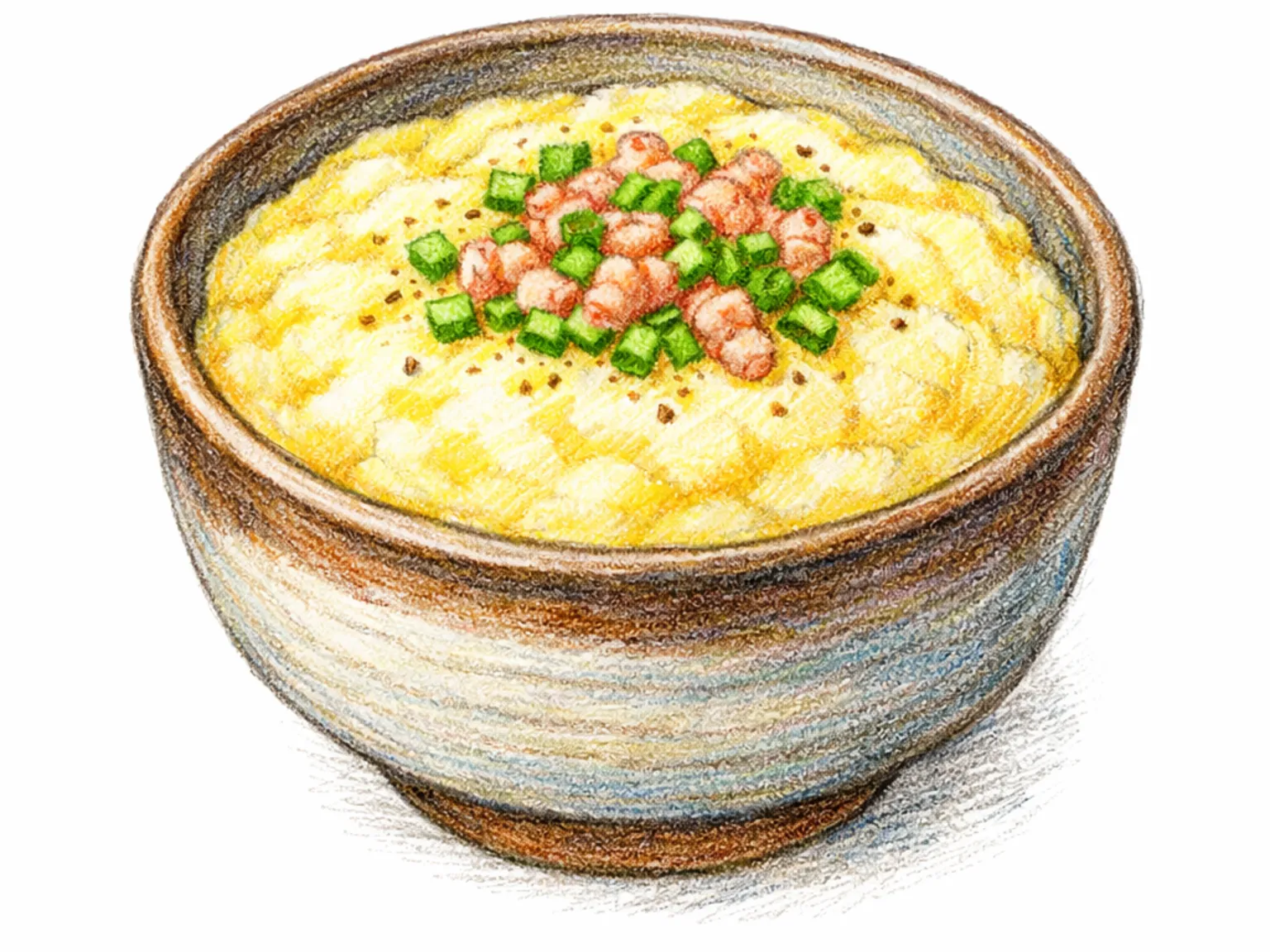
Gyeran-jjim is a Korean steamed egg dish made by whisking eggs together with anchovy stock and salted shrimp, then cooking the mixture slowly in a stone pot over low heat with the lid on. The anchovy stock establishes a deep savory backbone, and the salted shrimp adds a fermented, briny salinity that eliminates the need for additional seasoning. Straining the egg mixture through a fine sieve before cooking removes air bubbles and ensures the finished custard has a smooth, unbroken surface rather than the pitted texture that forms when bubbles are trapped and burst during cooking. The stone pot should not be preheated before the egg mixture is added. Starting cold and bringing the heat up slowly with the lid in place traps steam inside, which gives the custard its signature cloud-like softness and prevents the surface from drying out. Small pieces of carrot and sliced green onion add color, and a final drizzle of sesame oil with a scatter of sesame seeds brings a nutty fragrance to each spoonful. The right point to remove it from heat is when the center still wobbles slightly when the pot is nudged, because residual heat will finish setting the middle as it rests.

Prep 5min Cook 12min 2 servings

Adjust Servings

2servings
servings

Instructions

  1. 1

    Crack the eggs into a bowl and whisk well with salted shrimp.

  2. 2

    Add anchovy stock and strain once for a smoother texture.

  3. 3

    Pour into a stone pot or heatproof bowl and top with chopped green onion and carrot.

  4. 4

    Cover and cook on very low heat for 8-10 minutes.

  5. 5

    Turn off heat when edges are set and center is slightly jiggly, then rest briefly.

  6. 6

    Finish with sesame oil and sesame seeds, then serve hot.

🛒Shop Ingredients on Amazon

As an Amazon Associate, we may earn from qualifying purchases.

Tips

A higher stock ratio makes the steamed egg softer and moister.
Heat above low-medium can create large bubbles and a tougher texture.

Nutrition (per serving)

Calories
165
kcal
Protein
11
g
Carbs
2
g
Fat
12
g

Goes Well With

Korean Spicy Gochujang Dried Squid Stir-Fry
Side dishesEasy

Korean Spicy Gochujang Dried Squid Stir-Fry

Jinmichae, shredded dried squid, is a Korean pantry staple valued for its chewy texture and the umami that builds and intensifies the longer you chew. This preparation coats the strands in a gochujang glaze, making it one of the most reliably present banchan in Korean households. Briefly soaking the dried squid in water before squeezing it dry softens the tough fibers and opens them to absorb the sauce more evenly. The sauce of gochujang, gochugaru, rice syrup, soy sauce, and garlic is stir-fried first over low heat to mellow the raw chili sharpness, then the squid is tossed through quickly over the same heat. Sesame oil and toasted sesame seeds are added off the heat, coating the strands in a sweet, spicy glaze that keeps well at room temperature for several days.

🏠 Everyday🍱 Lunchbox
Prep 8minCook 7min4 servings
Korean Curry Fried Rice (Golden Spiced Chicken Fried Rice)
RiceEasy

Korean Curry Fried Rice (Golden Spiced Chicken Fried Rice)

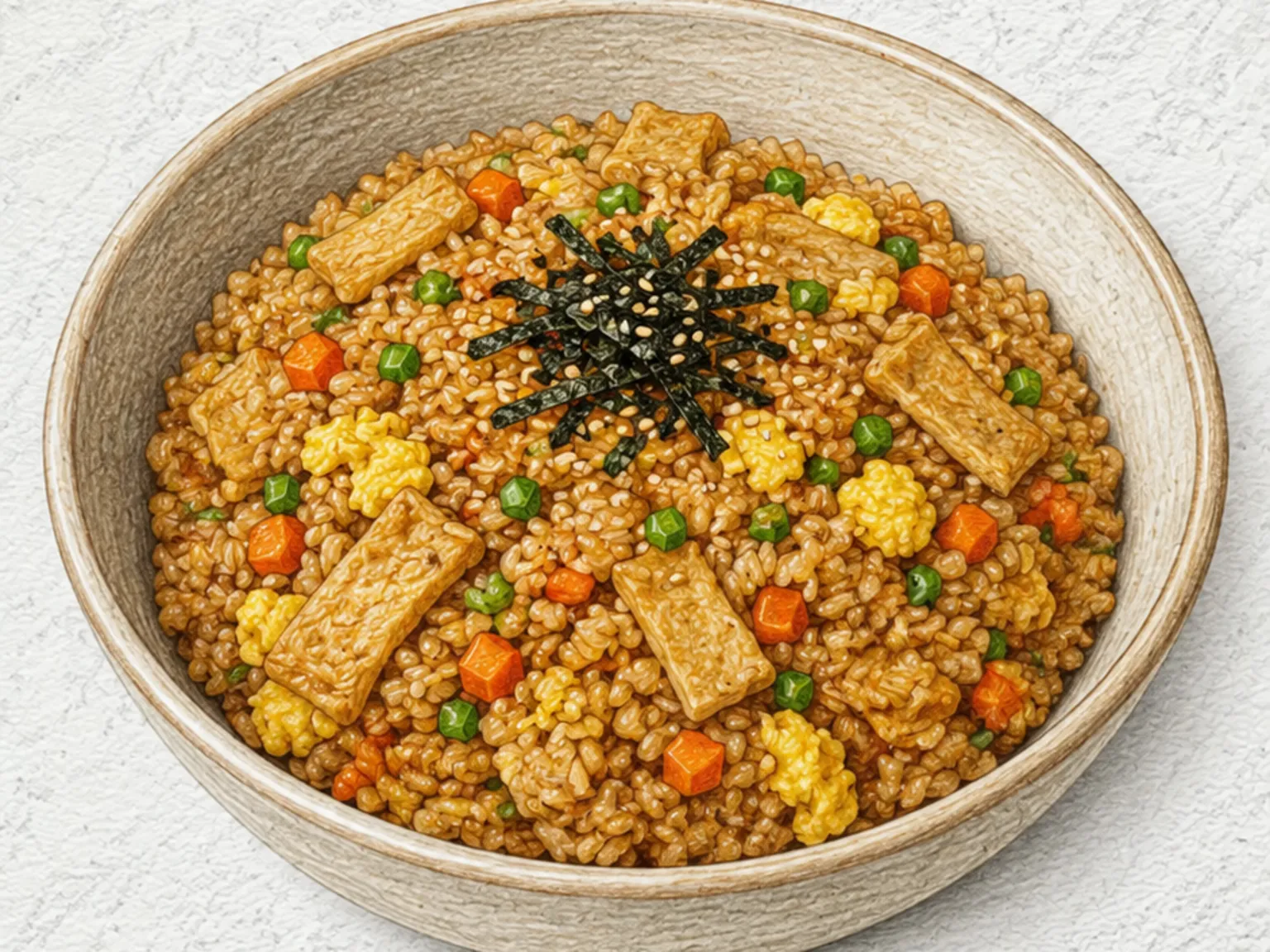
Curry bokkeumbap is a Korean fried rice where curry powder coats each grain with warm spice and gives the rice a vivid golden color. Chicken breast, onion, carrot, and bell pepper are stir-fried together before the rice goes in, distributing protein and vegetables evenly through every serving. The curry fragrance develops gradually with each bite - more present than plain fried rice but lighter than a curry sauce, landing at a satisfying middle point between the two. Bell pepper adds sweetness and a visual contrast of color against the golden rice. Topping with a fried egg raises the dish further: when the yolk breaks and mixes into the rice, a layer of creaminess runs through each bite. The recipe works well with day-old rice and requires few ingredients, making it a practical weeknight meal.

🏠 Everyday🍱 Lunchbox
Prep 10minCook 10min2 servings
Korean Pickled Radish Wraps
KimchiEasy

Korean Pickled Radish Wraps

Ssam-mu is a Korean sweet-and-sour pickled radish made by slicing Korean radish into very thin two-millimeter rounds and submerging them in a warm brine of water, vinegar, sugar, salt, and bay leaves. The slices must be thin enough to wrap around grilled meat without tearing, and the brine is cooled to lukewarm before pouring - boiling hot liquid would cook the radish and destroy its crunch. Ready after one day of refrigeration, the pickle reaches its peak on day three when the vinegar tang and sugar sweetness have fully penetrated each slice. Adding a lemon slice to the jar introduces a fresh citrus note. Wrapped around a piece of grilled pork belly or fried chicken, the sweet-sour radish provides an immediate contrast that lifts the fatty richness of each bite.

🍱 Lunchbox Quick
Prep 15minCook 5min4 servings
Korean Garlic Chive Egg Soup
SoupsEasy

Korean Garlic Chive Egg Soup

This simple home-style soup combines garlic chives, egg, and tofu in a light broth seasoned with soup soy sauce and garlic. Tofu cubes go in first to warm through for two minutes, then beaten egg is poured in a slow, circular stream and left undisturbed for thirty seconds to form silky ribbons. Chives and sesame oil are added in the final half-minute so their aroma stays vivid in the finished bowl. Because the ingredient list is short, cutting the tofu into even cubes and managing the heat carefully are what separate a polished result from a cloudy one. Pouring the egg too forcefully or stirring immediately breaks up the ribbons and muddies the broth.

🏠 Everyday Quick
Prep 10minCook 10min2 servings

More Recipes

Korean Steamed Lotus Root
SteamedEasy

Korean Steamed Lotus Root

Yeongeun-jjim is Korean steamed lotus root where thick-cut slices are braised gently in a soy sauce, sugar, and cooking wine seasoning under a covered lid. The thick cross-sections absorb the sauce slowly, developing a sweet-salty coating on the outside while maintaining a crisp-chewy dual texture inside. Sesame oil added at the end lifts a toasted fragrance, and scattered sesame seeds provide visual contrast. With only a handful of ingredients, this side dish showcases the lotus root's natural starchy character in a clean, understated preparation.

🍱 Lunchbox
Prep 15minCook 22min2 servings
Korean Soy Steamed Potatoes
SteamedEasy

Korean Soy Steamed Potatoes

Gamja-jjim is a Korean braised potato banchan made by simmering potato pieces in a sauce of soy sauce, sugar, and minced garlic until the liquid reduces to a thick, glossy glaze. As the sauce concentrates, it coats every cut surface of the potato with a lacquered sheen while the seasoning penetrates through to the center, so the flavor is consistent from the outside in. The sugar caramelizes slightly during the final minutes of reduction, adding a faint toffee-like sweetness to the soy's deeper, saltier notes. Minced garlic breaks down in the heat and melds into the sauce, providing an umami backbone that rounds out the simpler flavors. Finishing with sesame oil and a generous scatter of sliced chives introduces a toasted, nutty aroma and a fresh herbal brightness. The potato itself holds its shape but is cooked through to a fluffy, yielding interior beneath the sticky exterior. Simple to make and requiring few ingredients, it is the kind of side dish that disappears from the table without much fanfare, pairing effortlessly with a bowl of rice.

🏠 Everyday🧒 Kid-Friendly
Prep 12minCook 25min2 servings
Korean Steamed Whole Garlic
SteamedEasy

Korean Steamed Whole Garlic

Maneul-jjim is a Korean steamed whole garlic dish where cloves are slowly braised in soy sauce, oligosaccharide syrup, and sesame oil until completely tender. The raw garlic's sharp bite disappears entirely with heat, transforming into a mellow sweetness with a creamy, almost buttery texture. The syrup creates a glossy coating on each clove, and the sesame oil wraps everything in a nutty fragrance. This banchan works as a side to grilled meats or as a drinking snack, offering all of garlic's depth without any of its usual pungency. Placing a softened clove on a spoonful of rice is the simplest and most satisfying way to enjoy it.

🍱 Lunchbox
Prep 10minCook 20min2 servings
Korean Steamed Perilla Leaves
SteamedEasy

Korean Steamed Perilla Leaves

Kkaennip-jjim is a Korean banchan made by stacking perilla leaves one by one with a soy sauce, gochugaru, and garlic seasoning between each layer, then gently braising them covered over low heat. As the leaves wilt, they absorb the sauce and release their distinctive herbal aroma, which mingles with the soy's umami into a layered flavor. Sesame oil brushed between the leaves adds a nutty fragrance, while the chili flakes provide a slow-building warmth. Wrapping a spoonful of steamed rice in a single seasoned leaf makes for a complete bite, which is why this dish is considered one of Korea's most reliable everyday side dishes.

🍱 Lunchbox
Prep 15minCook 12min2 servings
Korean Rolled Omelette (Layered Vegetable Egg Roll)
Side dishesEasy

Korean Rolled Omelette (Layered Vegetable Egg Roll)

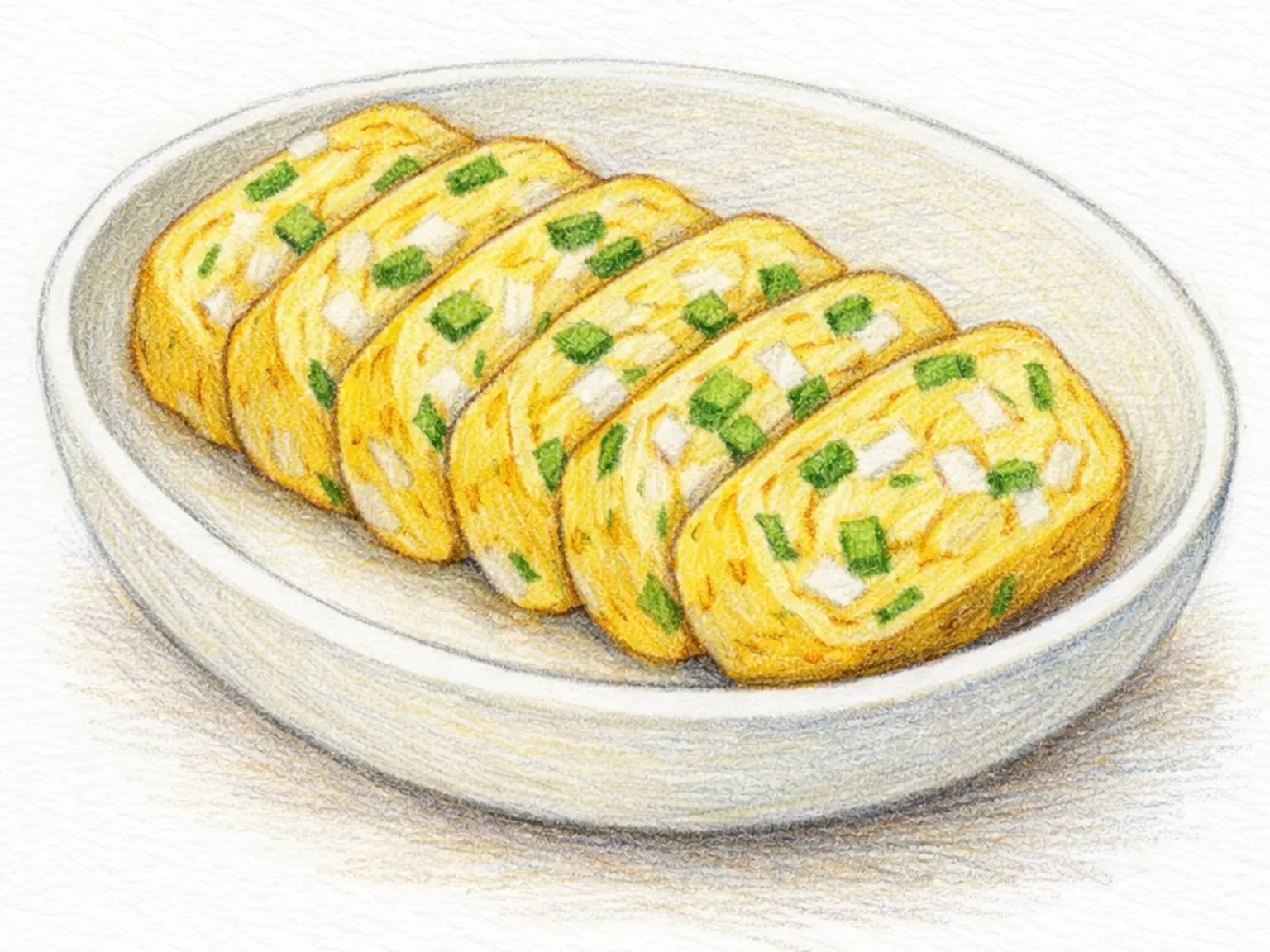
Gyeran-mari - Korean rolled omelette - is a staple of Korean lunchboxes and dinner tables, a dish every Korean home cook masters early. Finely diced carrot, onion, and scallion are mixed into beaten eggs and poured in a thin stream across a lightly oiled rectangular pan. When the egg layer is half-set, it is rolled from one side to the other, then more egg mixture is poured beside the roll and the process repeats three to four times, building concentric yellow layers visible when sliced. Air trapped between the thin sheets gives the omelette its characteristic pillowy softness. Temperature control is critical - too hot and the egg browns; too cool and the layers will not bond. After cooking, wrapping the roll in a bamboo mat or kitchen towel for two minutes sets its shape into a clean cylinder. Found in school cafeterias, picnic bento boxes, and family dinners across Korea.

🏠 Everyday🧒 Kid-Friendly
Prep 10minCook 8min2 servings
Korean Steamed Shishito Pepper Banchan
Side dishesEasy

Korean Steamed Shishito Pepper Banchan

Kkwarigochu-jjim is a banchan made by coating shishito peppers with a thin dusting of flour and steaming them before tossing them in a seasoning sauce, which means no oil is used in the cooking process and the result is lighter than stir-fried or pan-fried versions. The wrinkled, bumpy surface of shishito peppers catches flour naturally. The right technique is to place the peppers in a sieve, scatter the flour over them, and shake gently to distribute an even, minimal coating. Too much flour causes the peppers to stick together into a clump during steaming. Five to six minutes of steaming wilts the peppers completely and turns the flour coat from white to translucent, while the moisture released from inside the peppers keeps the flesh tender and juicy. A quick toss in a sauce of soy sauce, gochugaru, minced garlic, and sesame oil lays a savory, mildly spicy layer over the pepper's own gentle sweetness. Because no cooking oil is involved, the calorie count is significantly lower than pan-fried shishito banchan, and steaming retains more of the pepper's vitamin C than high-heat stir-frying. Placed alongside richer, oil-based side dishes, kkwarigochu-jjim provides a clean, refreshing contrast on the table.

🏠 Everyday🍱 Lunchbox
Prep 12minCook 7min4 servings
More Steamed →