Japanese Beef Bowl (Gyudon)
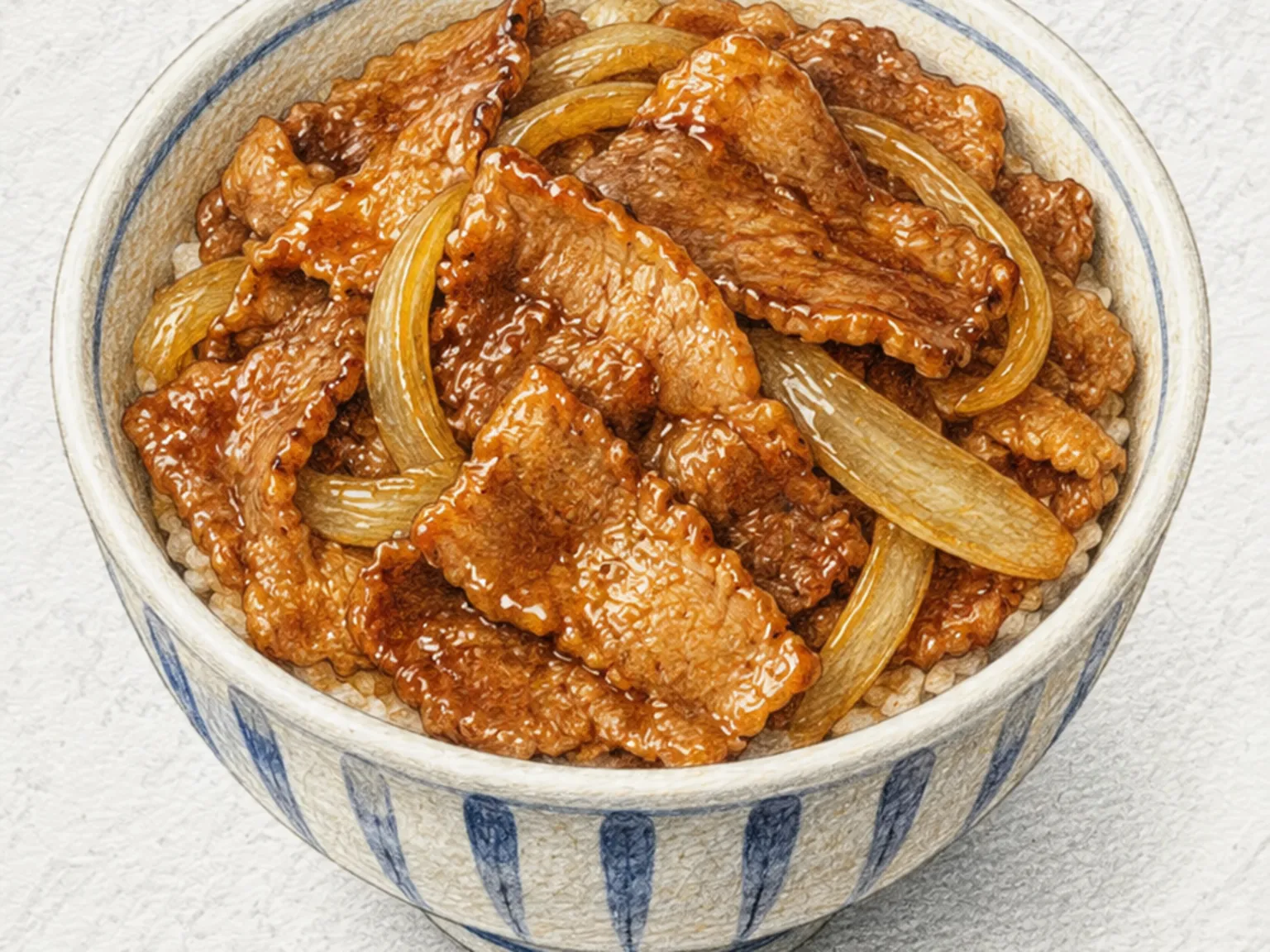
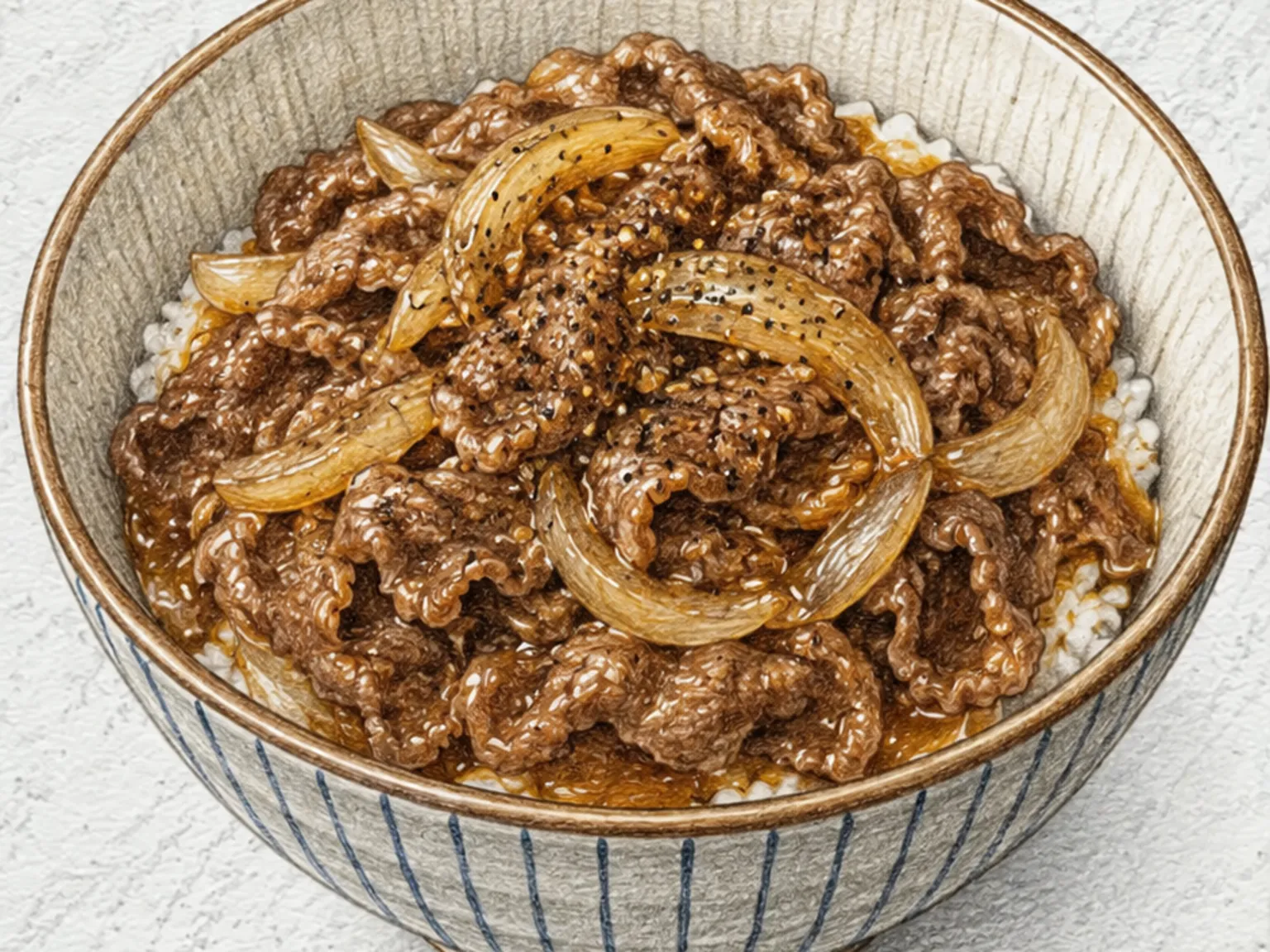
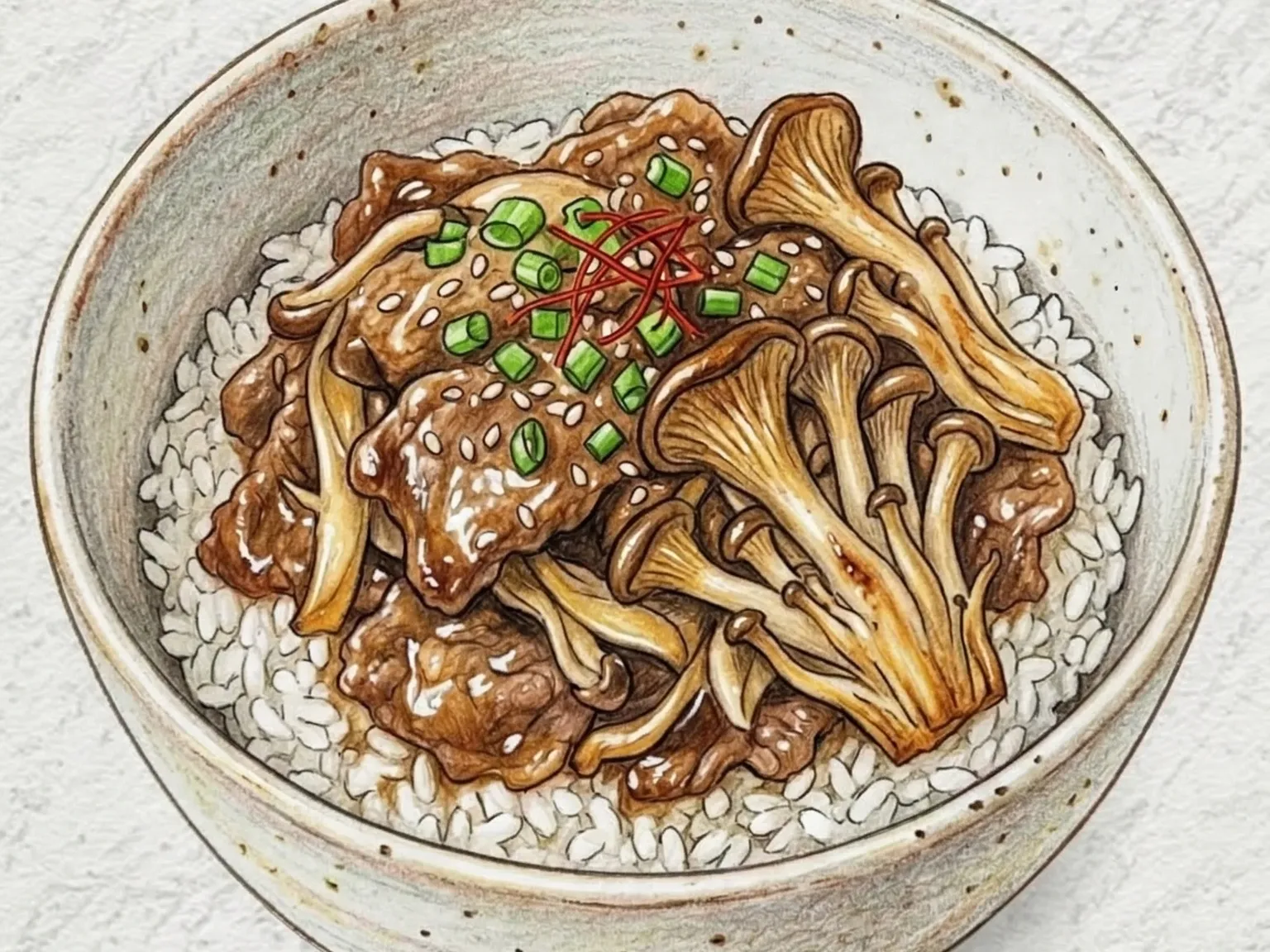
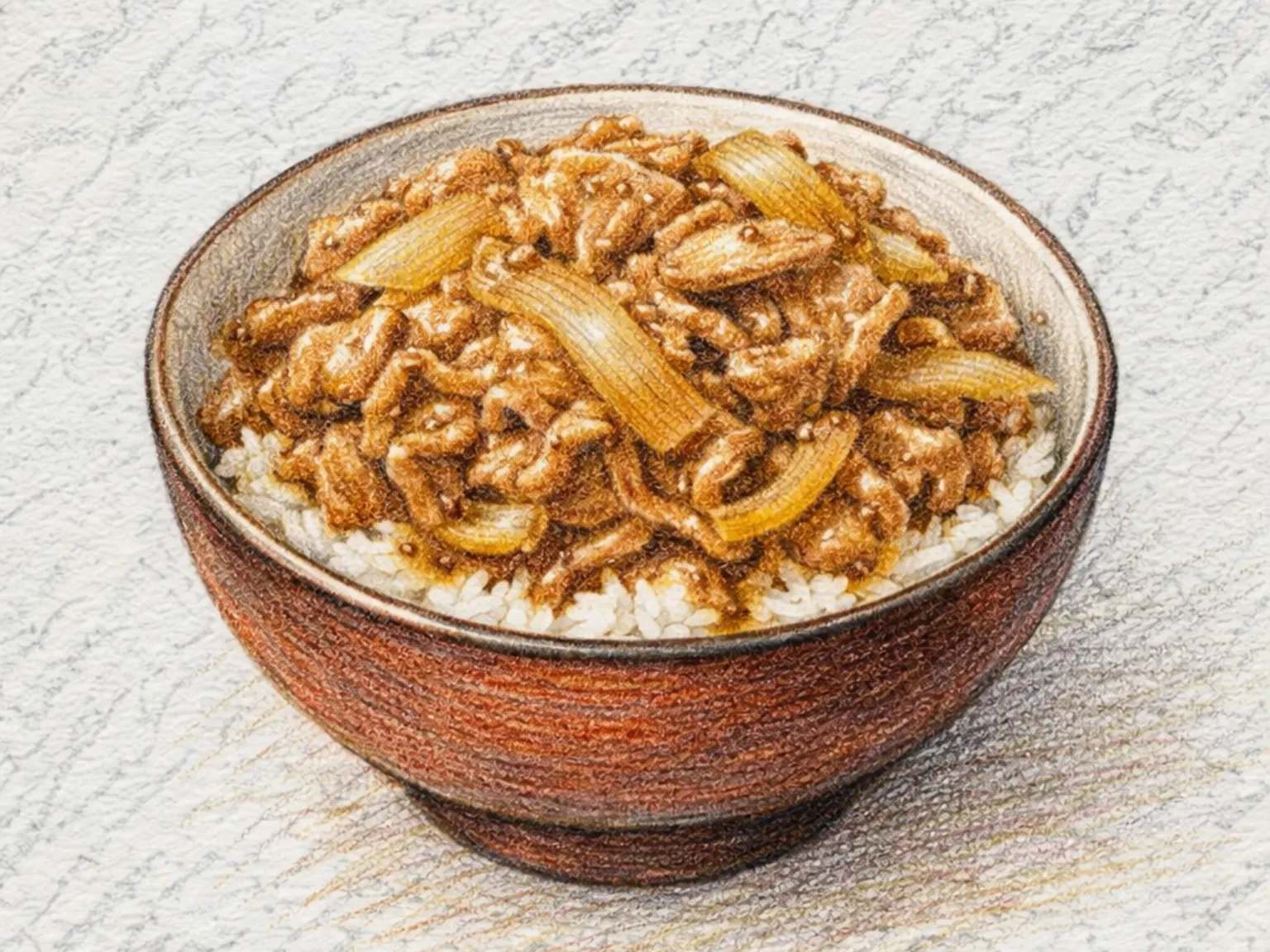
Gyudon starts with paper-thin slices of beef and thinly cut onion simmered together in a broth of soy sauce, mirin, sugar, and grated ginger. The key is keeping the heat at medium rather than high, which prevents the beef from toughening and allows the onion to break down gently, releasing sweetness into the sauce. As the liquid reduces to a glossy, concentrated state, the flavors intensify into a layered combination of salty, sweet, and faintly sharp ginger notes. A one-minute rest off the heat lets the beef absorb more of the seasoned broth before it goes over the rice. The dish differs from stir-fried beef bowls in that the meat is never seared; instead it poaches in the simmering liquid, staying notably soft. A runny egg on top is traditional and adds richness when the yolk breaks into the sauce.
Adjust Servings
Instructions
- 1
Slice onion thinly and mince the ginger.
- 2
Bring water, soy sauce, mirin, sugar, and ginger to a simmer.
- 3
Add onion and cook over medium heat for 4 minutes.
- 4
Add beef and cook gently, skimming any foam.
- 5
Simmer until slightly reduced, then rest for 1 minute.
- 6
Serve the beef and onion over warm rice.
As an Amazon Associate, we may earn from qualifying purchases.
Tips
Nutrition (per serving)
More Recipes

Japanese Stir-Fried Noodles (Yakisoba)
Yakisoba is a Japanese stir-fried noodle dish found everywhere from festival stalls to home kitchens. Wheat noodles are tossed on a hot griddle with thinly sliced pork, shredded cabbage, onion, and carrot, then coated in a thick, Worcestershire-based yakisoba sauce that gives the noodles their signature dark glaze and sweet-savory depth. The high heat chars the edges of the vegetables while keeping them crisp, and the noodles pick up slightly caramelized spots where they press against the cooking surface. Bonito flakes scattered on top dance in the rising steam, releasing a smoky, oceanic aroma. Additional garnishes like aonori seaweed powder and pickled red ginger add color and sharpness.

Japanese-Style Chili Shrimp (Ebi Chili)
Ebi chili was born in the 1970s when Chen Kenmin, a Sichuan-born chef working in Tokyo, adapted the fiery Sichuan prawn stir-fry with doubanjiang for Japanese palates by softening the heat with ketchup, egg, and chicken stock. The original Sichuan version hits hard with raw chili-bean paste, but Chen's version wraps that heat in a glossy, slightly sweet sauce that coats each shrimp without overwhelming. Shrimp are lightly dusted in cornstarch and flash-fried to form a thin shell that later absorbs the sauce while maintaining the shrimp's springy bite beneath. Minced garlic, ginger, and scallion are fried first to build an aromatic base, then doubanjiang is toasted in the oil to mellow its raw edge before ketchup and sugar go in, creating the dish's signature lustrous red-orange sauce. Ebi chili is a mainstay of Japanese teishoku restaurants - served as a set meal with rice, miso soup, and a small salad - and one of the most commonly cooked Chinese-inspired dishes in Japanese home kitchens.

Pork Rice Bowl (Sweet-Salty Glazed Pork over Rice)
Butadon is a Japanese pork rice bowl originating from Obihiro, Hokkaido, where thin slices of pork are simmered with onion in a sauce of soy sauce, mirin, and sugar until the meat absorbs every drop of the sweet-salty glaze. The onion melts down during cooking, adding natural sweetness that deepens the sauce. Served over a mound of steamed rice, it is straightforward comfort food - no complex techniques, no long ingredient lists, just well-balanced flavors that come together quickly. The caramelized edges of the pork develop a slight char that adds dimension to the otherwise smooth, saucy topping. It makes an excellent weeknight dinner when time is short but satisfaction cannot be compromised.

Niku Udon (Japanese Thick Noodles in Dashi Broth with Braised Beef)
Niku udon is a Japanese noodle soup built on two distinct layers of flavor. The broth starts with a clear dashi made from kombu and bonito flakes, seasoned with soy sauce and mirin for a clean, umami-rich base. Separately, thinly sliced beef is simmered with onion in a concentrated mix of soy sauce, mirin, and sugar until each slice is glazed in a sweet, savory coating. The beef is placed atop thick, chewy udon noodles swimming in the hot broth, and the two seasoning profiles merge at the table. Chopped scallions add freshness to cut through the richness. It is a staple of both home kitchens and udon shops across Japan.

Edo-Style Tendon (Japanese Tempura Rice Bowl with Sweet Soy Tare)
Edo-style tendon is a Japanese rice bowl that crowns steamed rice with freshly fried tempura-typically shrimp, sweet potato, and eggplant-glazed in a warm, sweet-salty tare sauce. The shrimp are scored along the belly to prevent curling, then dipped in a lightly mixed batter and fried at 170 degrees Celsius until the coating turns golden and crisp. The tare is a simple reduction of tsuyu, soy sauce, and sugar, simmered for just two minutes to concentrate its flavor into a glossy, mahogany liquid. The sauce is drizzled over the tempura the moment it lands on the rice, so the batter absorbs just enough to glisten without losing its crunch entirely. This tension between the crisp tempura coating and the sticky-sweet tare is the defining characteristic of the Edo style, which favors bold, direct flavors over subtlety. The rice beneath soaks up any sauce that runs off, becoming deeply seasoned and intensely satisfying in its own right.

Steak Rice Bowl (Seared Beef with Soy-Garlic Glaze over Rice)
A thick-cut beef steak is seared at high heat until a deep brown crust forms, then sliced and fanned over a bowl of hot rice. A glaze of soy sauce, garlic, and mirin is spooned over the slices, coating them in a glossy, caramelized finish. As the warm rice absorbs the pan juices, each spoonful carries the full weight of the beef's seared flavor. A runny fried egg or a small dab of wasabi on the side balances the richness with creaminess or heat.