Charim

2686 Korean & World Recipes

2686+ Korean recipes, clean and organized. Ingredients to instructions, all at a glance.

Seafood Jajangmyeon (Black Bean Noodles with Squid and Shrimp)
Noodles Medium

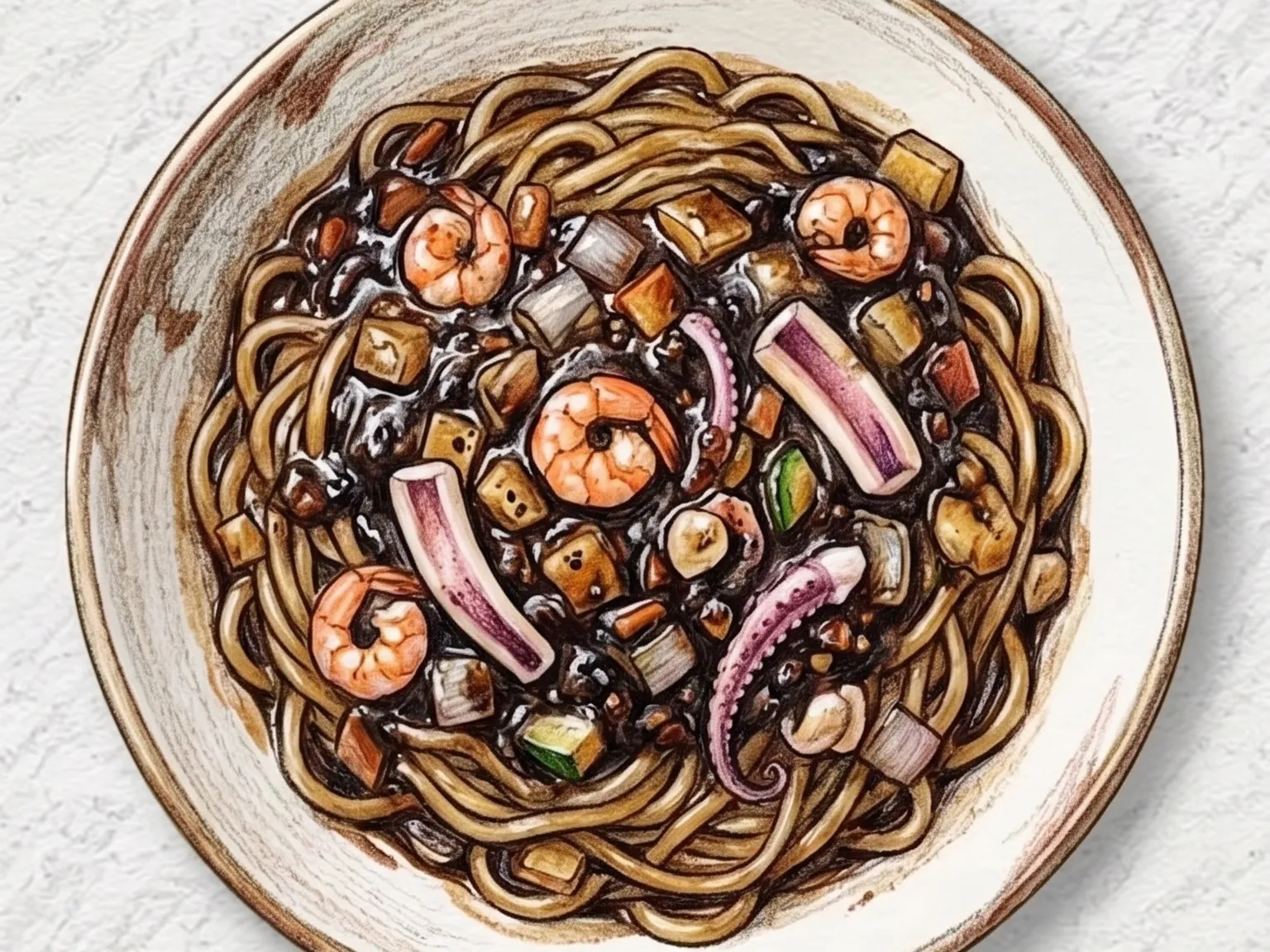
Seafood Jajangmyeon (Black Bean Noodles with Squid and Shrimp)

Haemul jajangmyeon replaces the usual pork with squid and shrimp, bringing a marine twist to the classic Korean black bean noodle dish. The chunjang paste is fried in oil until its raw bitterness fades and a caramel-like sweetness emerges, then the seafood releases its juices into the sauce, building a layered umami absent from the standard version. Diced onion, potato, and zucchini soften into the sauce, contributing natural sweetness and body, while a cornstarch slurry thickens everything to a glossy, clinging consistency. Poured over springy fresh wheat noodles, the dark sauce delivers both the familiar roasted-bean depth and an unmistakable ocean undertone.

Prep 20min Cook 18min 2 servings

Adjust Servings

2servings
servings

Instructions

  1. 1

    Dice vegetables and cut squid and shrimp into bite-size pieces.

  2. 2

    Fry black bean paste in oil over low heat for 1 minute to mellow bitterness.

  3. 3

    Saute onion and potato first, then add zucchini and cook 3 more minutes.

  4. 4

    Add seafood and stir-fry quickly until just opaque.

  5. 5

    Add water and fried paste, simmer 4 minutes, then thicken with starch slurry.

  6. 6

    Boil noodles, drain, plate, and top with the black bean seafood sauce.

🛒Shop Ingredients on Amazon

As an Amazon Associate, we may earn from qualifying purchases.

Tips

Pre-frying the paste is key for smoother flavor.
Add seafood late to avoid a rubbery texture.

Nutrition (per serving)

Calories
650
kcal
Protein
29
g
Carbs
88
g
Fat
18
g

More Recipes

Korean Black Bean Noodles
NoodlesMedium

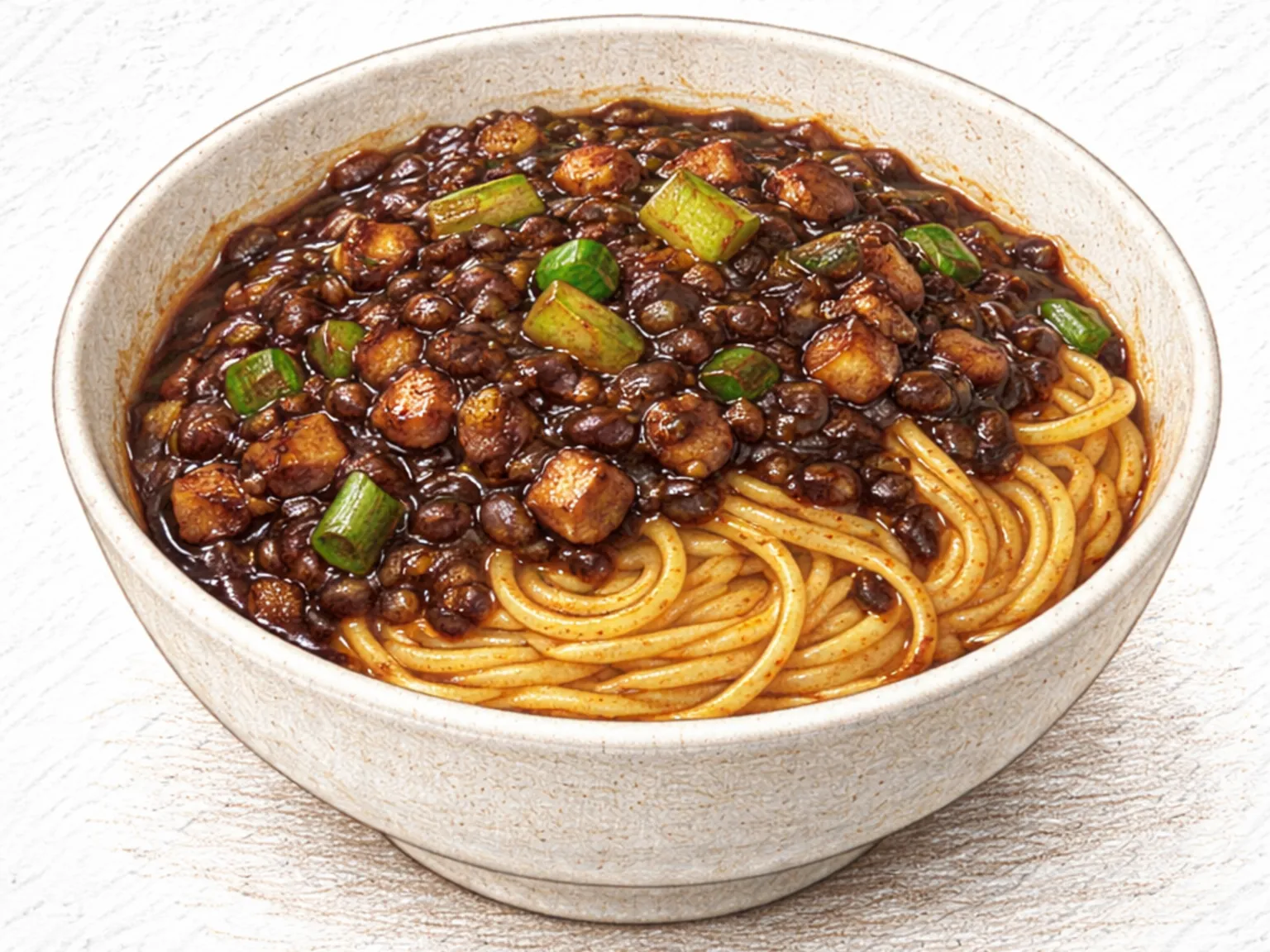
Korean Black Bean Noodles

Jjajangmyeon is Korea's most iconic Chinese-Korean dish, featuring chewy fresh wheat noodles smothered in a glossy black bean sauce. The chunjang paste is fried in oil until its raw bitterness burns off, revealing a toasty, mildly sweet flavor, then diced pork belly, onion, potato, and zucchini are stirred in to build body and sweetness. A starch-water slurry thickens the sauce to a velvety consistency that clings to every noodle strand, and shredded cucumber on top provides a fresh, crunchy counterpoint to the rich sauce. A staple of Korean delivery culture, it is the go-to meal for moving days, graduations, and casual celebrations.

🏠 Everyday🌙 Late Night
Prep 15minCook 15min2 servings
Gan Jjajangmyeon (Dry-Fried Black Bean Sauce Noodles)
NoodlesMedium

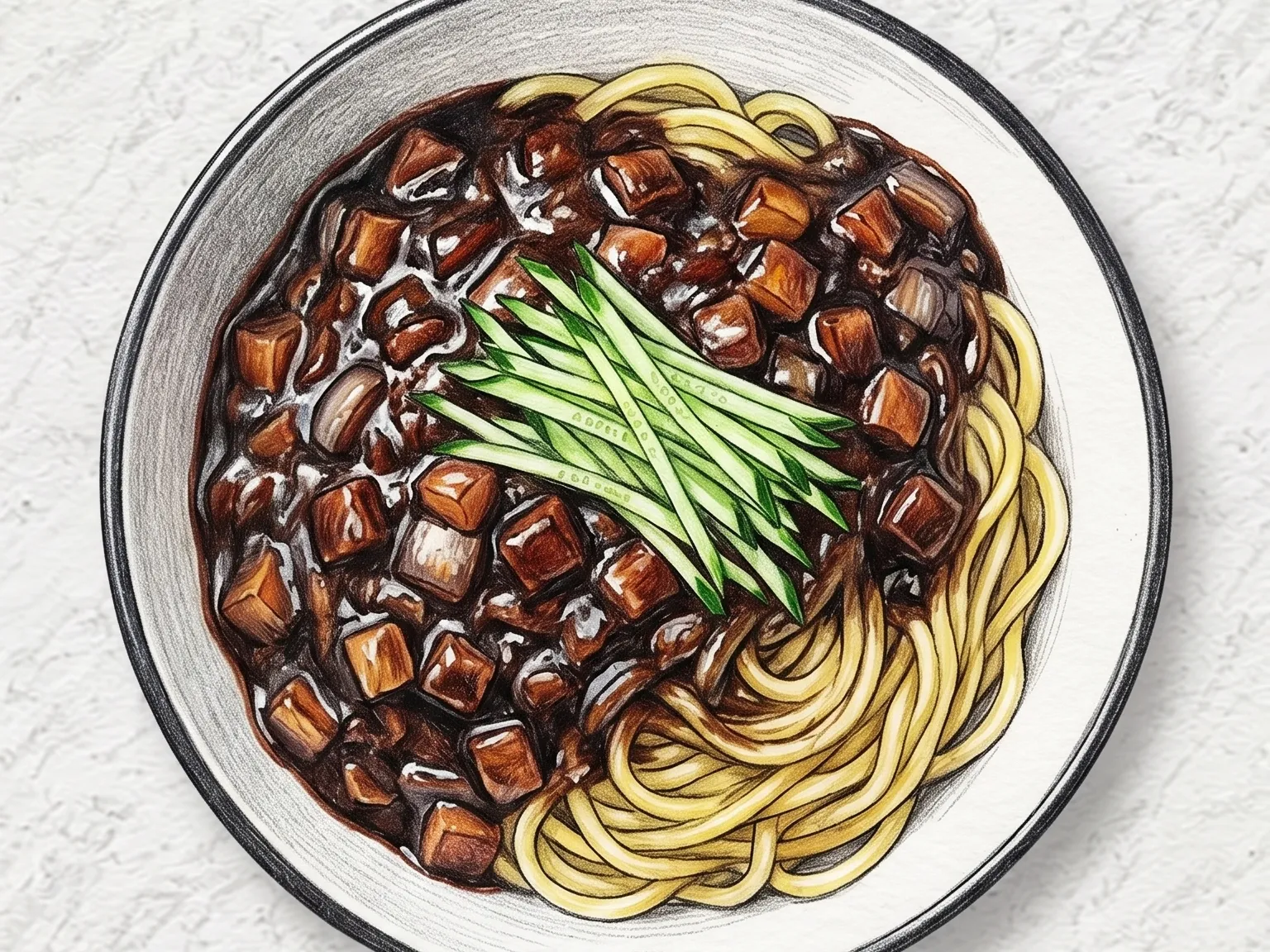
Gan Jjajangmyeon (Dry-Fried Black Bean Sauce Noodles)

Gan jjajangmyeon is a Korean-Chinese noodle dish where black bean paste is stir-fried in oil to develop a roasted, almost charred aroma, then combined with ground pork and onion over high heat. Unlike standard jjajangmyeon, no cornstarch slurry is added, so the sauce arrives on the noodles as a glossy, oil-carried stir-fry rather than a thick gravy. Prolonged cooking caramelizes the onion's sugars, producing a natural sweetness that offsets the salty fermented paste. When the sauce hits the fresh wheat noodles and everything is tossed together, the oily coating reaches every strand, filling the mouth with the dense, earthy flavor of charred black bean. Julienned cucumber on the side adds a crisp, cool relief.

🏠 Everyday🌙 Late Night
Prep 20minCook 15min2 servings
Zhajiangmian (Chinese Black Bean Paste Noodles with Ground Pork)
NoodlesMedium

Zhajiangmian (Chinese Black Bean Paste Noodles with Ground Pork)

Zhajiangmian is a Chinese noodle dish built on a thick sauce of ground pork and onion stir-fried with chunjang, a fermented black bean paste. The paste must be fried thoroughly in oil to draw out its roasted, savory character and eliminate the raw bitterness it carries before cooking. Adding soy sauce and sugar, then simmering on low heat for five minutes, concentrates the sauce into a glossy, dark coating. Fresh wheat noodles are boiled, briefly rinsed, and drained so the sauce clings without being diluted. Julienned cucumber served on top provides a crisp, cool contrast that balances the dense, salty depth of the bean paste.

🏠 Everyday🌙 Late Night
Prep 20minCook 20min2 servings
Korean-Chinese Seafood Gravy Noodles
NoodlesMedium

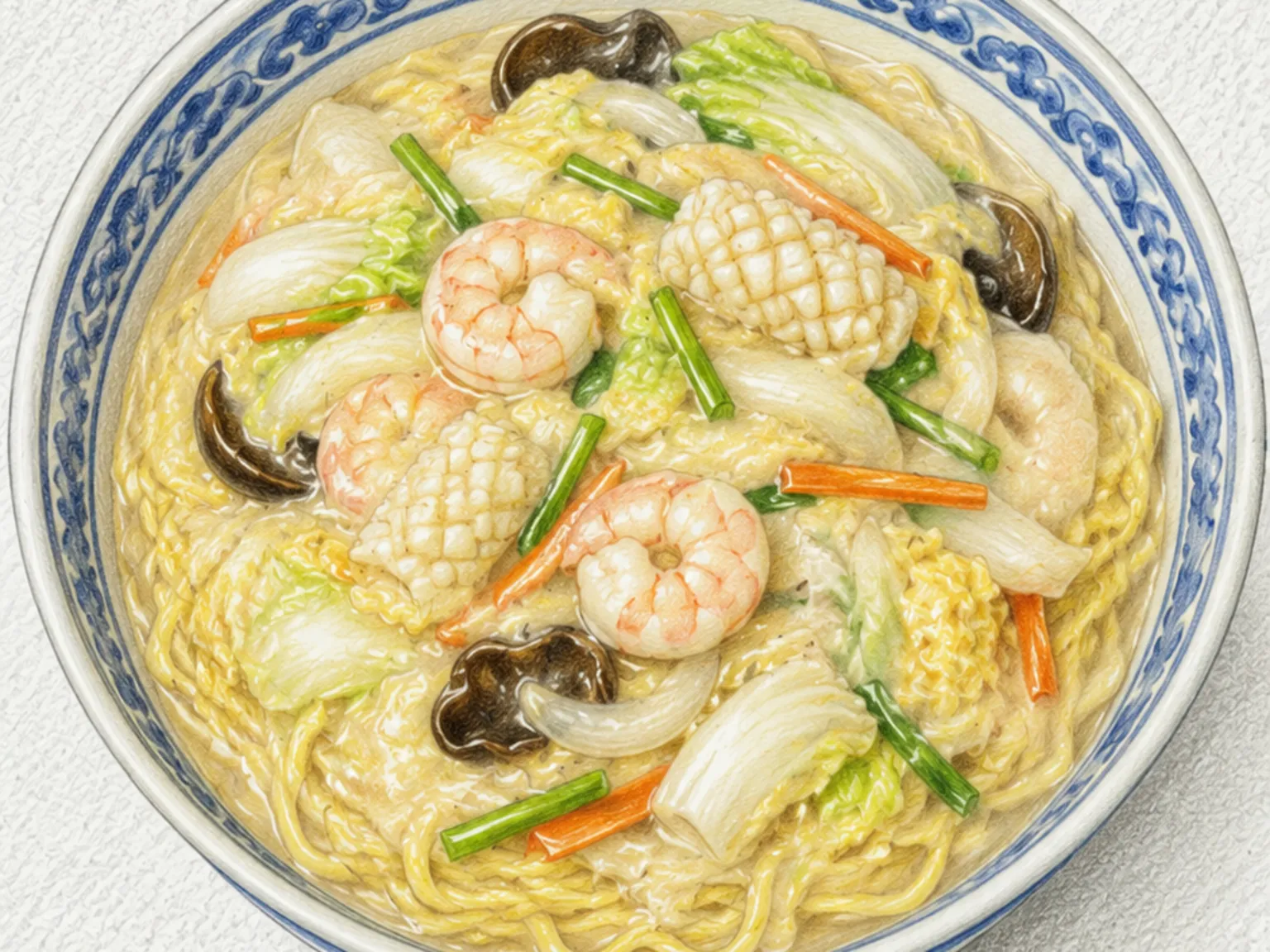
Korean-Chinese Seafood Gravy Noodles

Ulmyeon is a Korean-Chinese noodle dish in which fresh wheat noodles are topped with a thick, white starch-thickened gravy loaded with seafood and vegetables. Shrimp, squid, and other shellfish give the gravy a pronounced umami backbone. Beaten egg is swirled into the sauce toward the end, adding body and soft curds throughout. Unlike jjamppong, the dish carries little to no chili heat. Preparation takes about 40 minutes, and getting the starch slurry to the right consistency is the most important step.

🏠 Everyday🌙 Late Night
Prep 20minCook 20min2 servings
Korean Black Bean Noodles
Street foodMedium

Korean Black Bean Noodles

Bunsik-style jjajangmyeon begins by frying chunjang in oil to mellow its bitterness, then stir-frying ground pork with onion, zucchini, and potato before simmering in water and thickening with a starch slurry. The chunjang's deep salinity and the onion's natural sweetness form the sauce's backbone, while the potatoes partially break down and add body. The starch-thickened sauce coats the chewy wheat noodles in a dense layer so every strand carries a full hit of flavor. The noodles are rinsed briefly in cold water after boiling to maintain their springy texture.

🧒 Kid-Friendly🌙 Late Night
Prep 20minCook 20min2 servings
Beijing Zhajiangmian (Northern Chinese Fermented Bean Paste Noodles)
AsianMedium

Beijing Zhajiangmian (Northern Chinese Fermented Bean Paste Noodles)

Beijing zhajiangmian is the northern Chinese ancestor of Korean jajangmyeon, though the two have diverged significantly in flavor and presentation. The sauce is built from ground pork stir-fried with huangjiang, a fermented soybean paste darker and saltier than miso, until the fat separates and the paste turns glossy. Thick hand-pulled or machine-cut wheat noodles form the base, and an array of raw garnishes - julienned cucumber, radish sprouts, bean sprouts, and shredded scallion - are arranged neatly on top. The dish is meant to be tossed vigorously at the table so the sauce coats every strand. The contrast between the warm, intensely savory paste and the cool, crisp vegetables defines the eating experience. In summer, the noodles are often rinsed in cold water before serving.

🏠 Everyday🎉 Special Occasion
Prep 20minCook 25min4 servings
More Noodles →