Korean Seafood Hot Pot (Shrimp, Squid & Crab Spicy Pot)
Stews Medium

Korean Seafood Hot Pot (Shrimp, Squid & Crab Spicy Pot)

Quick answer

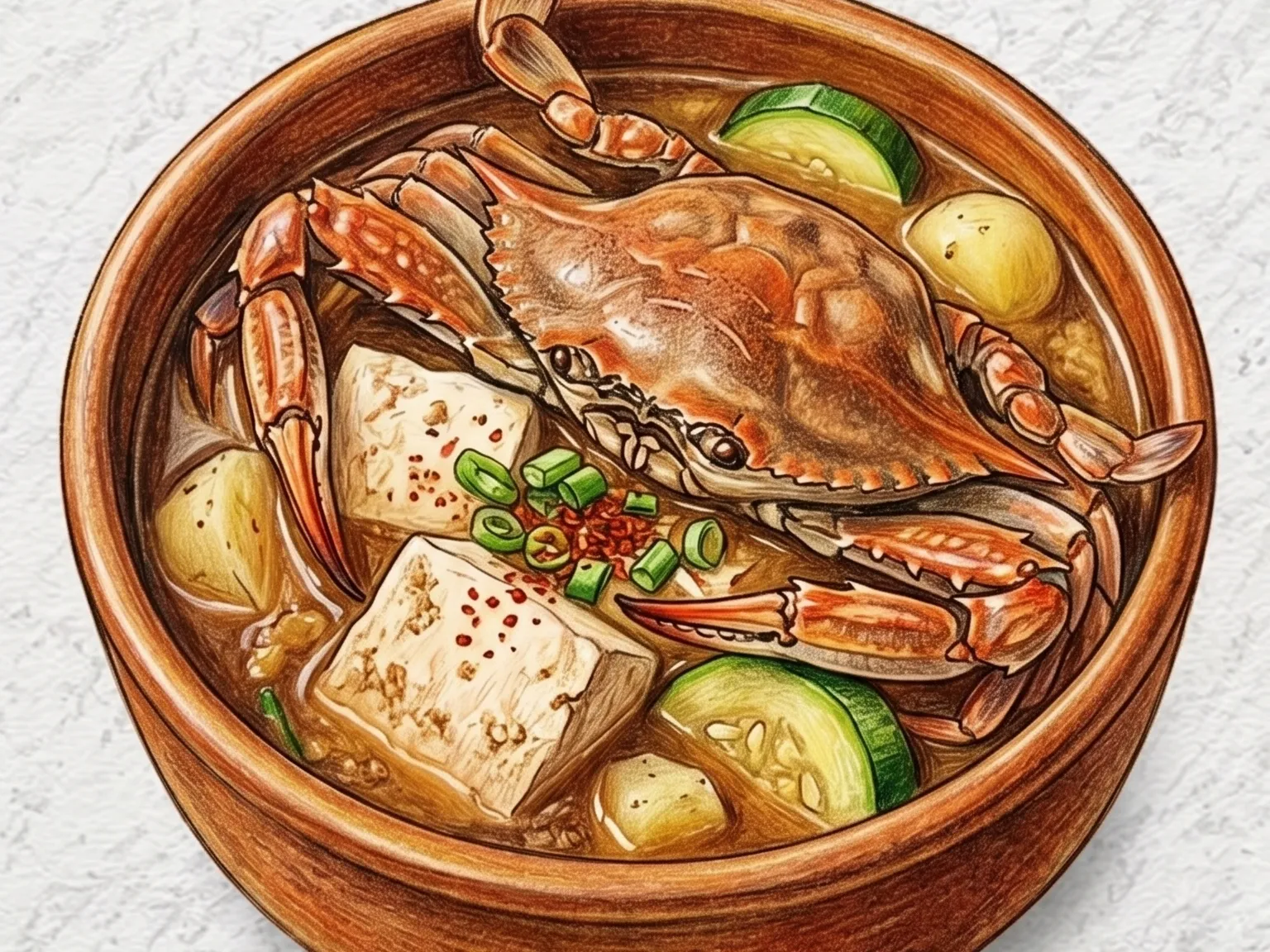
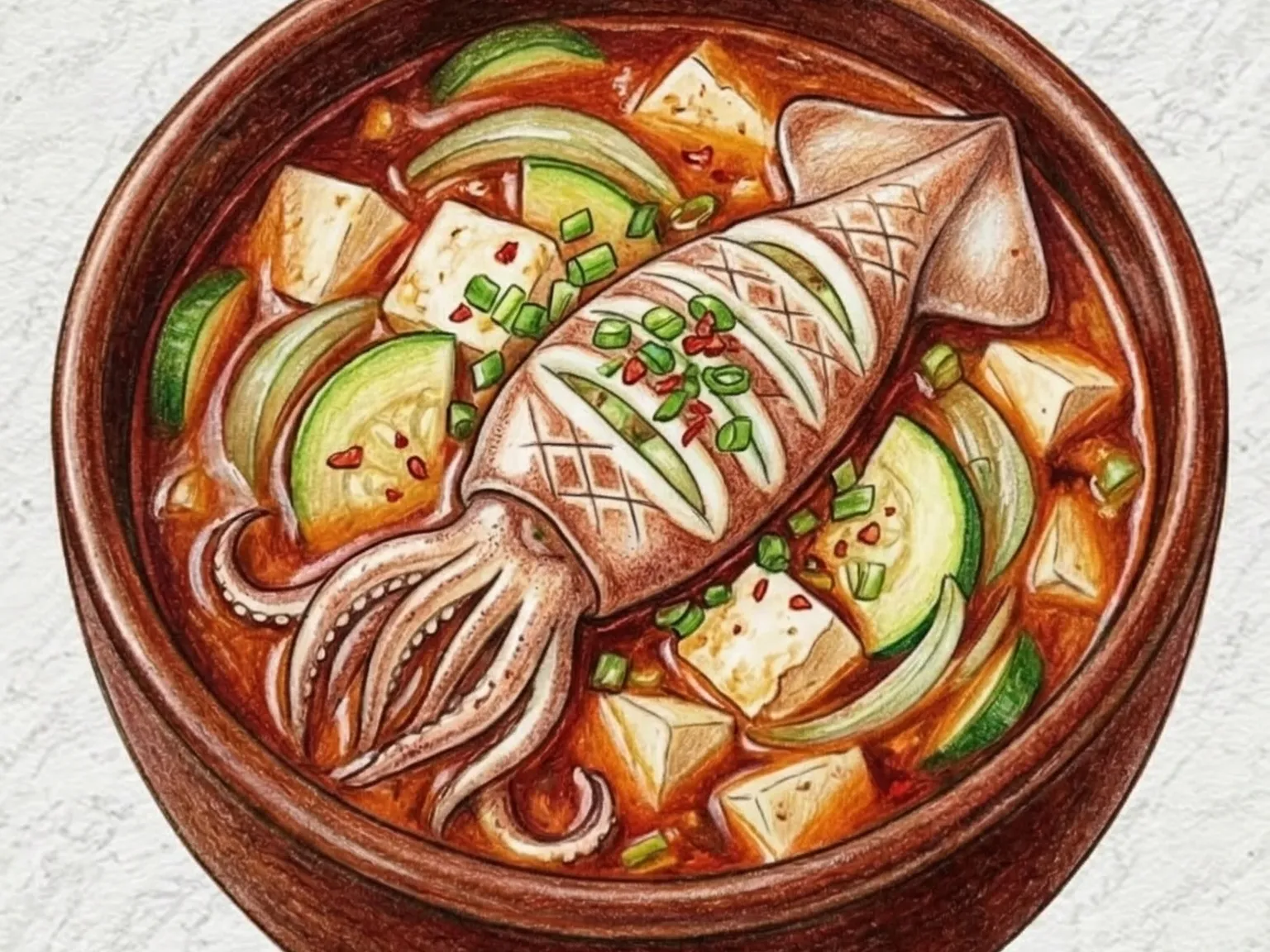
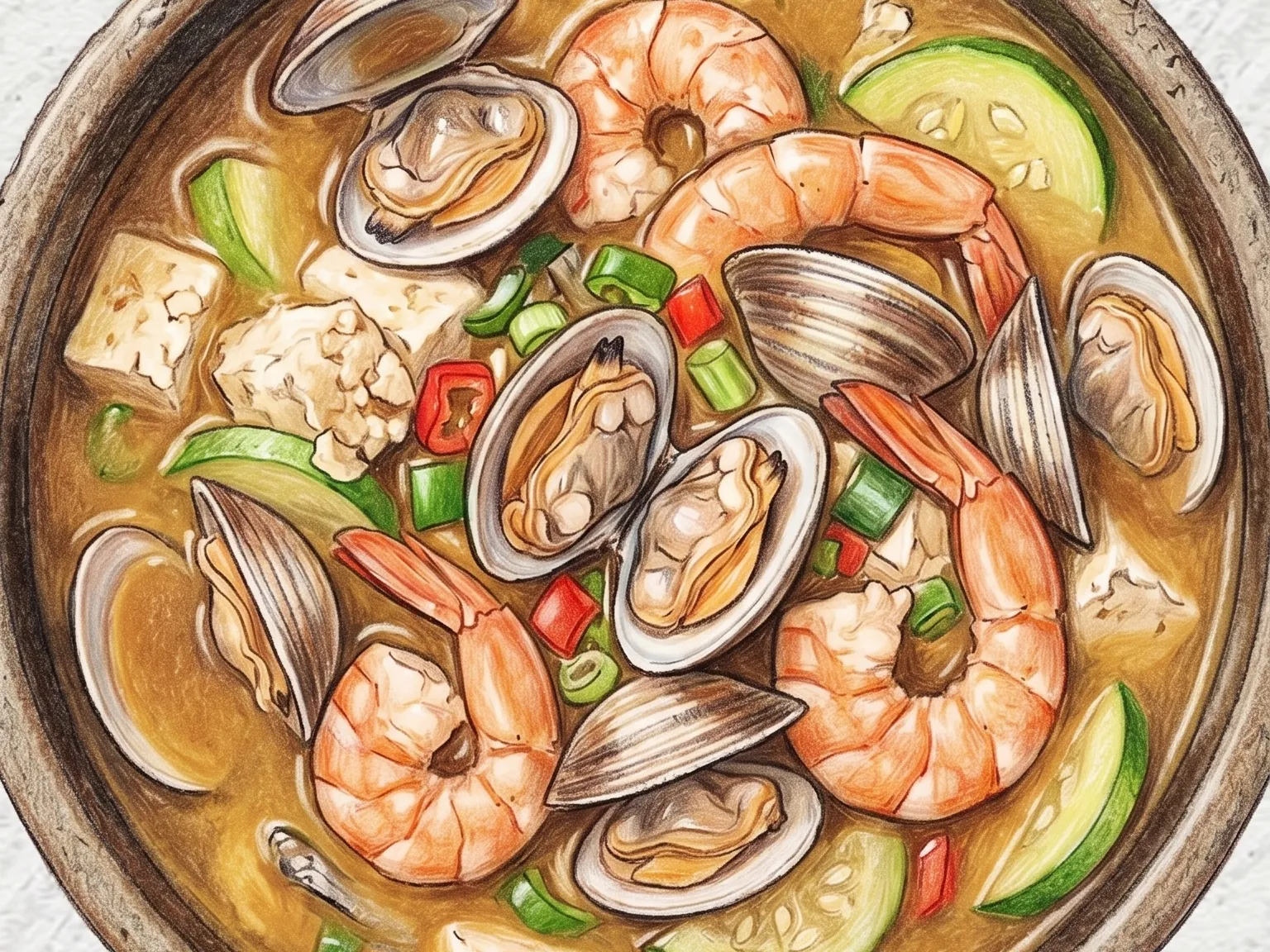
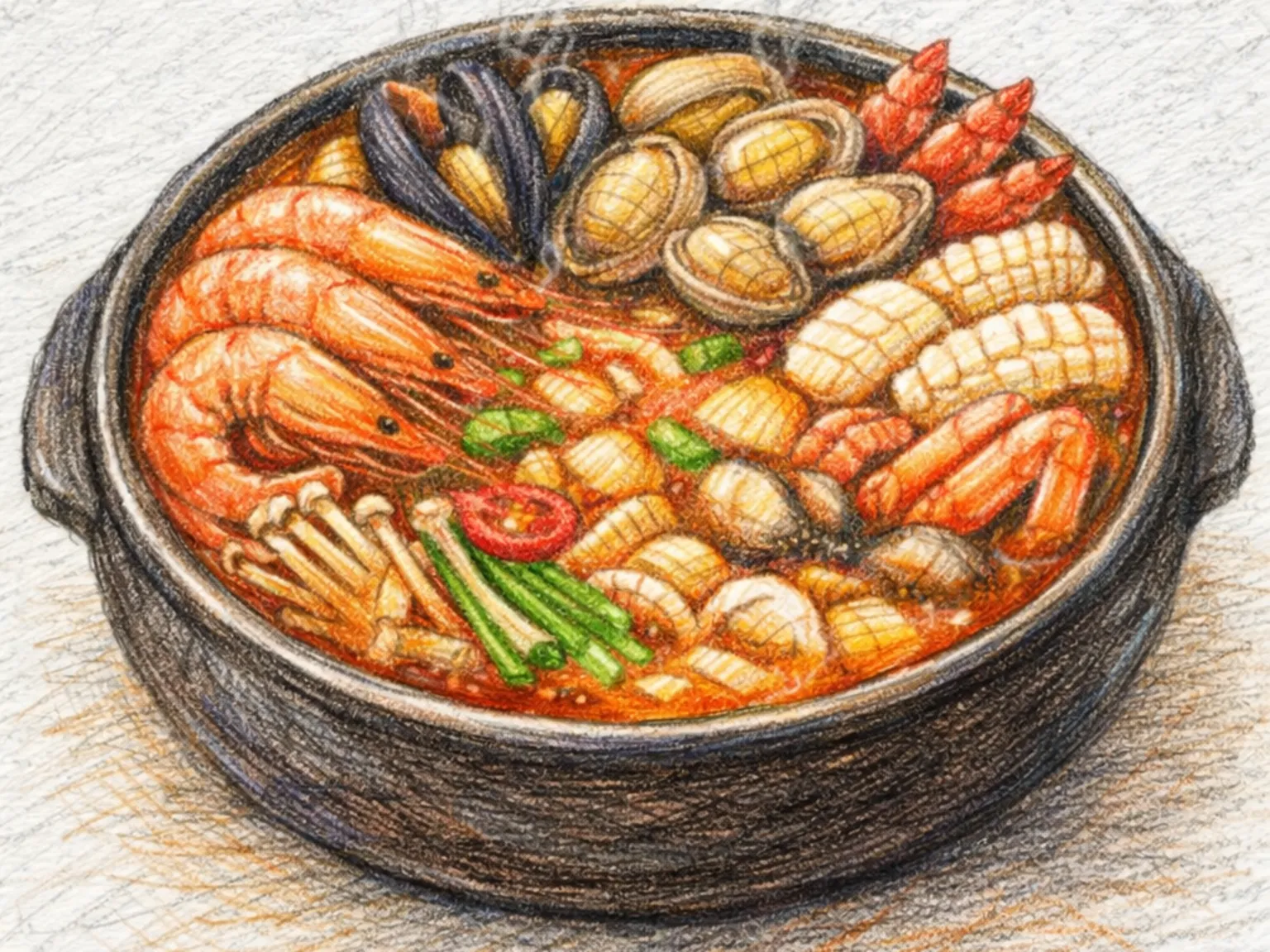
Haemul jeongol is a Korean seafood hot pot that brings together shrimp, Manila clams, squid, and blue crab in a spicy kelp-based broth seasoned with gochujang and gochugaru.

What makes this special

  • Haemul jeongol stacks four distinct types of seafood into a spicy hot pot, balancing fermented chili paste with aromatic red pepper flakes.
  • Four seafoods each contribute a distinct umami type to the shared broth
  • Gochujang provides fermented depth while gochugaru handles color and heat
Total time
40 min
Level
Medium
Servings
4 servings
Ingredients
10
Calories
280 kcal
Protein
32 g

Key ingredients

ShrimpManila clamsSquidBlue crabTofu

Core cooking flow

  1. 1 Prepare the blue crab and Manila clams so they can go straight into the pot.
  2. 2 Pour 800 ml kelp stock into a wide pot and bring it to a boil over medium heat.
  3. 3 When the seasoning is dissolved, add the whole blue crab and 200 g Manila clams first.

Haemul jeongol is a Korean seafood hot pot that brings together shrimp, Manila clams, squid, and blue crab in a spicy kelp-based broth seasoned with gochujang and gochugaru. The two chili seasonings serve different purposes: gochujang contributes fermented umami depth and body to the broth, while gochugaru adds clean heat and the vivid red color that makes the dish visually striking. Each type of seafood contributes something distinct to the pot. The clams release their natural briny-sweet liquor as they open, forming the backbone of the broth's flavor. The blue crab sweetens the stock progressively as it simmers, adding a richness that builds over time. The squid provides a chewy textural counterpoint to the softer elements, and the shrimp contribute a clean, delicate sweetness. Tofu and zucchini round out the pot with soft contrast between the firm seafood, and soup soy sauce is used for final seasoning rather than regular soy sauce to avoid darkening the broth. Because jeongol is served bubbling at the table and eaten while still cooking, the seafood should not be fully cooked before serving - shrimp and squid in particular should be added just as the broth comes to a boil and cooked only briefly, since prolonged heat makes them rubbery and dry. The wide vessel and communal style of eating, with everyone reaching into the same pot, is central to what makes haemul jeongol a gathering dish rather than a solo meal.

Prep 20min Cook 20min 4 servings

Instructions

Read the steps as a cooking flow: prep, heat, seasoning, doneness control, and finish.

6 steps
  1. 1
    Prep

    Prepare the blue crab and Manila clams so they can go straight into the pot.

    Drain the shrimp and squid well, then cut the 150 g tofu and 100 g zucchini into pieces that will sit partly submerged in the broth.

  2. 2
    Control

    Pour 800 ml kelp stock into a wide pot and bring it to a boil over medium heat.

    Once it starts bubbling, stir in 2 tablespoons gochujang, 1 tablespoon gochugaru, and 1 tablespoon soup soy sauce until no thick paste remains.

  3. 3
    Control

    When the seasoning is dissolved, add the whole blue crab and 200 g Manila clams first.

    Simmer over medium heat for about 4 minutes, just until the clams open and the crab begins to sweeten the broth without over-reducing it.

  4. 4
    Control

    Tuck the tofu and zucchini into the open spaces and spoon broth over them so they heat evenly.

    When the pot returns to a boil, add 150 g shrimp and 150 g squid, then cook briefly over high heat.

  5. 5
    Season

    As soon as the shrimp turn pink and the squid looks white and opaque, lower the heat to medium low.

    Check the seasoning within about 1 minute and stir only the broth gently, since prolonged boiling makes the seafood tough.

  6. 6
    Finish

    At the table, keep the hot pot gently bubbling over low heat rather than boiling hard.

    Eat the seafood first while tender, then serve the tofu and zucchini once they have absorbed broth, keeping the liquid clear until the end.

After the steps

Pick a recipe that fits this dish.

Continue with shared ingredients, meal pairings, or a similar method.

Recipes That Go Well With This

More Stews →

Based on shared ingredients and meal pairing

Korean Seafood Hot Pot Soup
Shared ingredient: shrimp Soups

Korean Seafood Hot Pot Soup

Haemul-tang is a Korean seafood hot pot that throws together crab, shrimp, clams, and squid in a fiery, brick-red broth. The liquid starts with gochugaru and plenty of garlic, building a spicy base that the seafood then amplifies with its own briny juices. Radish chunks soften as the pot bubbles, thickening the broth slightly and adding a cool sweetness behind the heat. Green onions and cheongyang peppers go in toward the end for a sharp, vegetal bite. The magic of haemul-tang lies in the convergence of flavors: crab shells release a sweet, crustacean stock; clams open to spill their liquor; shrimp and squid contribute distinct textures from snappy to chewy. The pot is brought to the table still at a rolling boil, and diners pick through the shells and tentacles while the broth continues to concentrate.

Korean Spicy Blue Crab Hot Pot
Shared ingredient: flower crab Stews

Korean Spicy Blue Crab Hot Pot

Maeun kkotge jeongol is a fiery blue crab hot pot made with two whole crabs broken down and simmered in a gochujang and gochugaru-laced broth. The crab shells and innards gradually release a deep, concentrated shellfish essence into the pot, which layers with the fermented chili paste to produce a broth that is bold and complex rather than simply hot. Daikon radish and tofu absorb the spicy liquid as they cook, becoming flavorful in their own right, while thick green onion stalks add fragrance near the end. This is a communal dish meant to be placed in the center of the table over a portable burner and shared as it simmers, with a little water added as the broth reduces to keep it going through the meal. Stirring the crab innards directly into the broth deepens the umami considerably.

Korean Lotus Root Shiitake Pot Rice
Serve together Rice

Korean Lotus Root Shiitake Pot Rice

Yeongeun-pyogo-sotbap is a Korean pot rice dish that combines short-grain rice with crisp lotus root and chewy shiitake mushrooms. The process begins by soaking the rice for thirty minutes, then draining it. Minced garlic, diced shiitake, and carrots are sautéed in perilla oil to release moisture. The rice and thinly sliced lotus root are added next, coating the grains in oil to ensure a glossy texture and nutty flavor. Water and soy sauce are poured in, and the pot is simmered on low heat for fourteen minutes. Resting the covered pot off the heat for ten minutes is the key step to settle the aroma and finalize the texture. Before serving, fresh scallions and toasted sesame seeds are scattered over the top and fluffed gently to prevent crushing the rice.

Korean Octopus Hot Pot (Spicy Gochujang Broth with Herbs)
Similar recipe Stews

Korean Octopus Hot Pot (Spicy Gochujang Broth with Herbs)

Nakji jeongol is a spicy Korean hot pot built around small octopus simmered in anchovy stock seasoned with gochujang and gochugaru, together with napa cabbage, water parsley, onion, and tofu. Anchovy stock works particularly well here because it has a clean, salty depth that amplifies rather than competes with the oceanic flavor of the octopus. The gochujang contributes a fermented sweetness to the broth while the gochugaru layer on top provides the sharp, direct heat, producing a multi-dimensional spicy broth that is more complex than either ingredient alone. Octopus is highly sensitive to overcooking. Cooked within two minutes, it stays springy and pleasantly chewy. Beyond that, the protein fibers contract and the texture becomes tough and rubbery. Water parsley loses its fresh herbal fragrance quickly under heat, so it is best added about one minute before serving to keep that clean, slightly grassy brightness intact. Cooking the hot pot at the table allows diners to add octopus in small batches at their own pace, which is the most reliable way to keep every piece at the ideal doneness.

Serve with this

Korean Seasoned Bellflower Root
Side dishes Medium

Korean Seasoned Bellflower Root

Doraji -- balloon flower root -- has been used in Korean cooking since the Goryeo dynasty, valued as both a medicinal herb and a staple namul ingredient. Unlike doraji-bokkeum, which stir-fries the root with gochujang and heat, this cold muchim preserves the characteristic firm, snappy crunch that makes doraji distinctive. The roots are shredded along the grain into thin strips, then vigorously rubbed with salt to draw out the saponins responsible for their sharp bitterness, and rinsed multiple times until the water runs clear. A seasoning of gochujang, vinegar, sugar, and sesame oil works into each fibrous strand, layering sweet, sour, and spicy notes over the residual earthiness of the root. This banchan appears on both Chuseok and Seollal holiday tables as one of the five-color namul, where the white of the doraji root represents the metal element in the five-phase system. Because the root holds its crunch well, this dish can be prepared ahead of time without losing texture, making it a practical choice for large gatherings.

🏠 Everyday 🎉 Special Occasion
Prep 30min Cook 5min 4 servings
Korean Bitter Herb Kimchi
Kimchi Hard

Korean Bitter Herb Kimchi

Sseumbagwi kimchi is a traditional spring fermented side dish made from sseumbagwi, a wild bitter herb that grows in Korea during early spring. The herb is soaked in cold water for at least twenty minutes to pull back its pronounced bitterness before being salted to soften the stalks. It is then dressed in a seasoning paste built from gochugaru, sand lance fish sauce, minced garlic, ginger, sweet rice paste, and plum syrup, mixed together with cut scallions. The rice paste adds body to the seasoning so it clings to the herb's thin stems and narrow leaves rather than sliding off. Plum syrup works on both the bitterness and the salt's edge at once, smoothing the overall profile without masking the herb's character. Sand lance fish sauce is preferred over anchovy sauce here because its gentler aroma does not compete with the plant's natural flavor. Five hours of room-temperature fermentation followed by refrigeration sets off lactic acid development, layering tangy depth over the bitter-green base. The flavor peaks around day three when bitterness, acidity, and umami reach the best balance. If the raw herb tastes too sharp, one additional soak in fresh cold water brings it within range before seasoning.

🎉 Special Occasion 🍱 Lunchbox
Prep 45min Cook 5min 4 servings
Korean Perilla Leaf Chicken Jeon
Pancakes Medium

Korean Perilla Leaf Chicken Jeon

Perilla Leaf Chicken Jeon is a savory Korean pan-fried pancake stuffed with ground chicken and tofu. The filling is made by combining lean ground chicken with pressed, crumbled tofu, green onions, garlic, salt, and pepper, kneaded together until cohesive. This mixture is spread in a thin layer onto the floured side of perilla leaves, which are then folded in half and pressed to seal. To cook, the folded leaves are dusted with flour, dipped in beaten egg, and pan-fried over medium-low heat to ensure the egg coating does not burn while the interior cooks through. The mild flavor and soft texture of the chicken and tofu filling offer a balanced contrast to the herbal, aromatic qualities of the perilla leaves. To preserve the juices, the finished jeon should rest briefly and be cut into bite-sized pieces just before serving.

🍺 Bar Snacks 🍱 Lunchbox
Prep 22min Cook 14min 2 servings

Similar recipes

Korean Beef and Octopus Hot Pot
Stews Hard

Korean Beef and Octopus Hot Pot

Bulnak jeongol is a hot pot made by simmering sliced beef chadolbaegi and fresh octopus together in an anchovy-kelp broth. The beef enriches the stock with a meaty depth while the fat renders out and emulsifies into the broth, and the octopus adds a firm, springy chew that holds up through the heat. Napa cabbage and water dropwort lighten the pot with fresh, slightly bitter vegetal notes, keeping the heavily flavored broth from becoming too rich. The seasoning stays restrained with soy sauce and garlic so the natural taste of each ingredient carries. Octopus should be added last so it does not toughen; the legs curling and turning a vivid red-orange is the sign that it is properly cooked. Cracking a raw egg into the simmering broth near the end adds a mild, creamy element that rounds out the intense savory notes.

🏠 Everyday 🎉 Special Occasion
Prep 30min Cook 20min 4 servings
Korean Octopus and Tofu Hot Pot
Stews Medium

Korean Octopus and Tofu Hot Pot

This Korean hot pot features fresh octopus and soft tofu cooked in a clear, savory anchovy broth. The preparation starts by simmering thinly sliced Korean radish in the broth for eight minutes to extract a natural sweetness and refreshing depth. After seasoning the base lightly with soup soy sauce and minced garlic, the sliced tofu and cleaned octopus are added to cook for five minutes. Precise timing is essential, as the octopus must only simmer until its legs curl and turn opaque to prevent the flesh from becoming tough. To finish, fresh water dropwort and green onion are placed on top and simmered for another three minutes. The water dropwort adds a bright herbal aroma that neutralizes any seafood odor while providing a crisp texture. This dish is served hot at the table, allowing diners to enjoy the tender octopus and clean broth together.

🎉 Special Occasion 🥗 Light & Healthy
Prep 25min Cook 18min 4 servings
Korean Seafood Fried Rice
Rice Medium

Korean Seafood Fried Rice

Mixed seafood including shrimp, squid, and mussel meat is stir-fried together on high heat until a smoky wok char develops. Day-old cold rice works best because its lower moisture content lets the grains separate cleanly in the pan, and seasoning with soy sauce and oyster sauce layers additional depth on top of the seafood's own brininess. Cracking the eggs into the pan first and immediately tossing the rice on top coats each grain in a thin shell of egg, yielding a lightly crisp exterior. Sesame oil is drizzled only after the heat is off so its fragrance stays intact.

🏠 Everyday 🍱 Lunchbox
Prep 15min Cook 10min 2 servings

Tips

Add seafood in stages based on cooking time to avoid toughening.

Nutrition (per serving)

Calories
280
kcal
Protein
32
g
Carbs
14
g
Fat
8
g