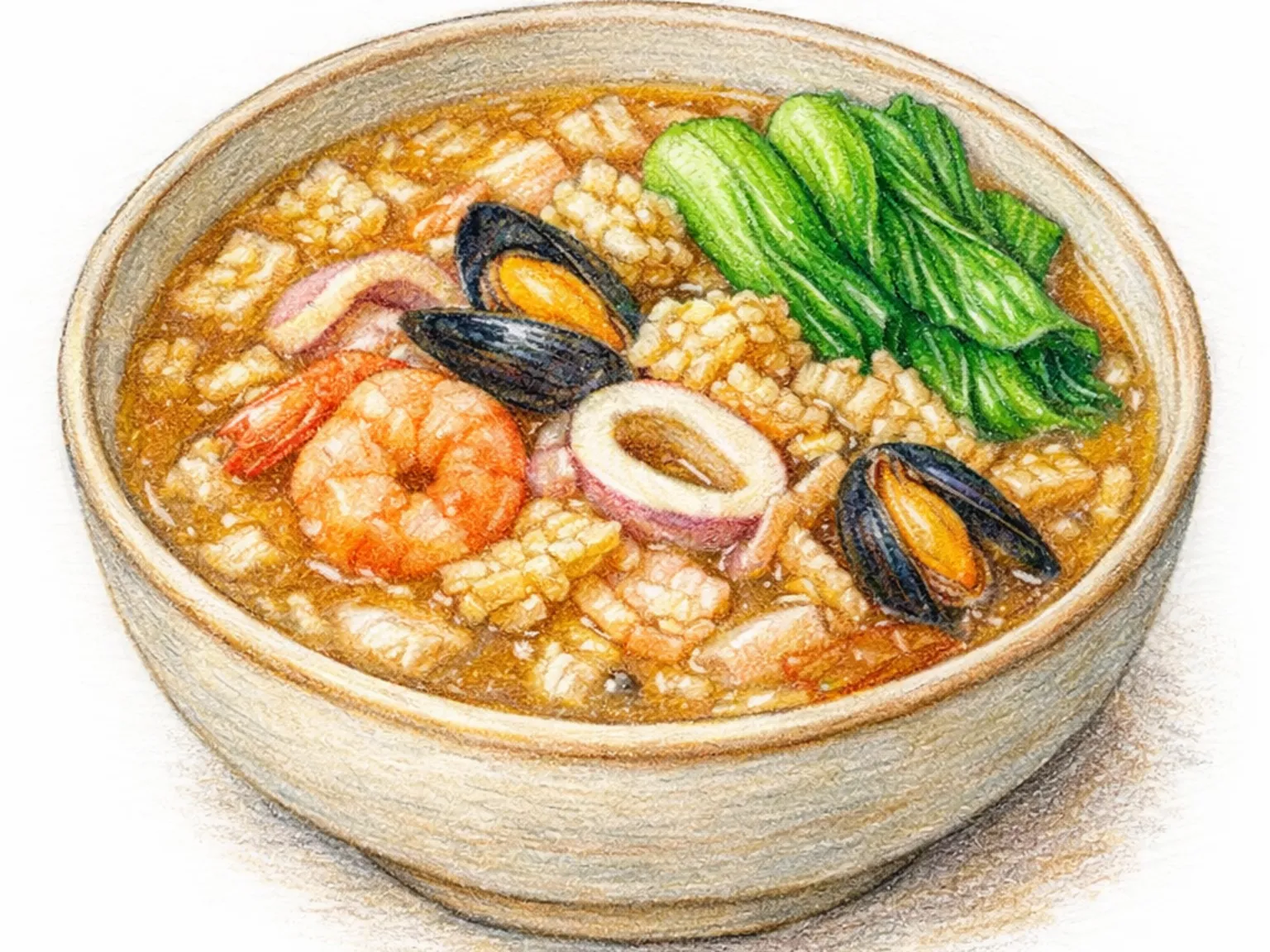
Korean Seafood Scorched Rice Soup
Haemul nurungji-tang is a Korean seafood soup built around scorched rice crust that transforms in texture as it sits in the hot broth. Shrimp, squid, and mussels are simmered together to create a concentrated seafood stock full of marine umami. The nurungji - dried, golden-brown sheets of rice that clung to the bottom of the pot - goes in last and immediately begins absorbing the liquid, turning from brittle and crunchy to chewy and slightly gummy within minutes. This evolving texture is the defining feature of the dish. Bok choy provides a crisp, green contrast to the soft seafood, and a touch of oyster sauce deepens the overall savoriness. Timing matters at the table: those who prefer the crunch should eat quickly, while waiting a few minutes rewards with a softer, porridge-like consistency. Either way, the combination of toasted rice flavor and seafood broth is deeply satisfying.
Adjust Servings
Instructions
- 1
Devein shrimp and cut squid into bite-size pieces.
- 2
Slice onion, quarter bok choy, and rinse mussels well.
- 3
Boil water, then add garlic, onion, and mussels; simmer 5 minutes.
- 4
Add shrimp and squid, season with oyster sauce, salt, and pepper, then cook 4 minutes.
- 5
Add bok choy and cook 1 minute to keep it vibrant.
- 6
Add scorched rice right before serving for both crisp and softened textures.
As an Amazon Associate, we may earn from qualifying purchases.
Tips
Nutrition (per serving)
More Recipes

Korean Seafood Hot Pot Soup
Haemul-tang is a Korean seafood hot pot that throws together crab, shrimp, clams, and squid in a fiery, brick-red broth. The liquid starts with gochugaru and plenty of garlic, building a spicy base that the seafood then amplifies with its own briny juices. Radish chunks soften as the pot bubbles, thickening the broth slightly and adding a cool sweetness behind the heat. Green onions and cheongyang peppers go in toward the end for a sharp, vegetal bite. The magic of haemul-tang lies in the convergence of flavors: crab shells release a sweet, crustacean stock; clams open to spill their liquor; shrimp and squid contribute distinct textures from snappy to chewy. The pot is brought to the table still at a rolling boil, and diners pick through the shells and tentacles while the broth continues to concentrate.

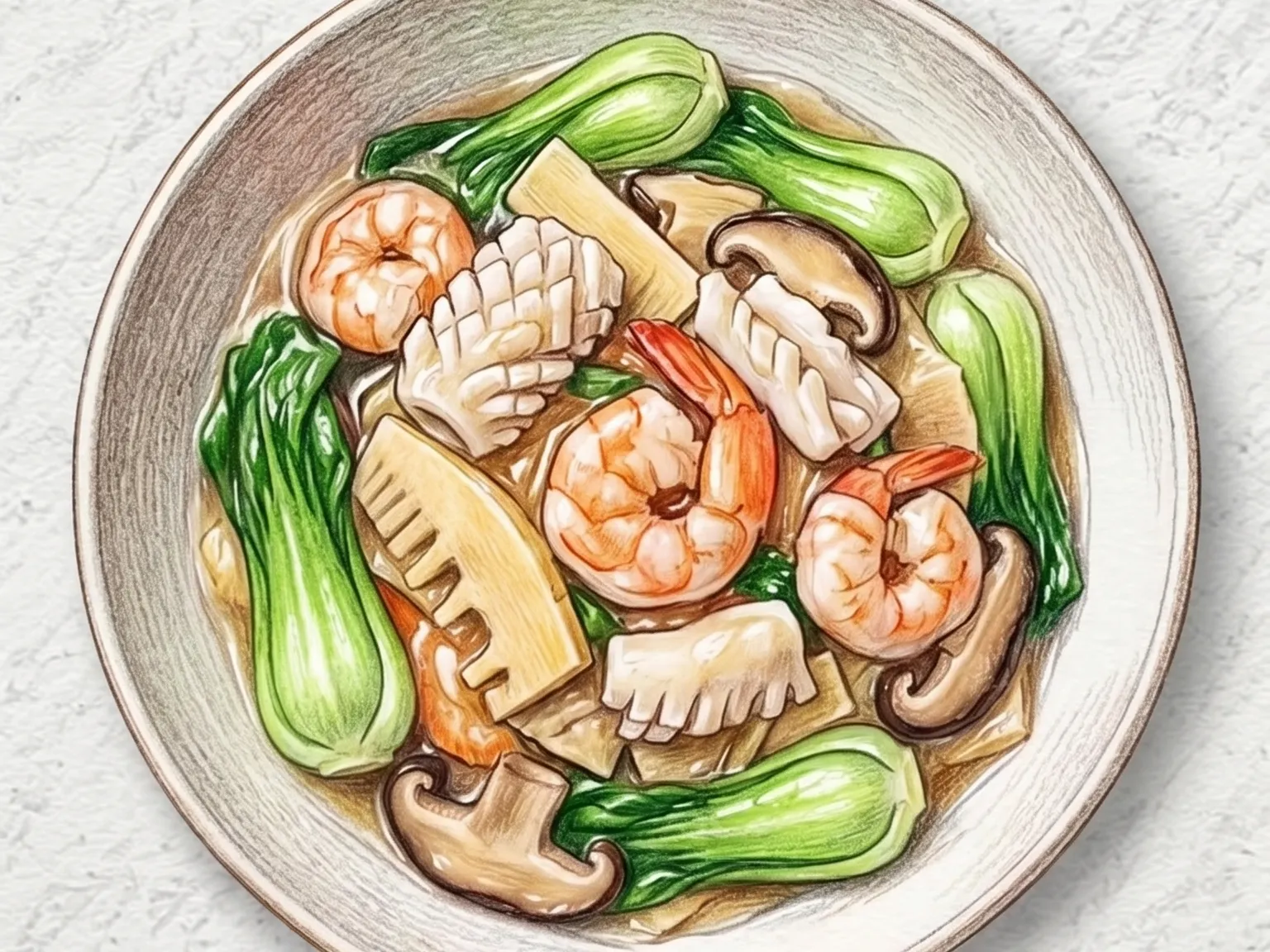
Korean Boiled Seafood Broth
Haemul suyuk-tang is a clear Korean seafood soup where clams, shrimp, and squid are simmered together in water with garlic and green onion. The beauty of this dish lies in its restraint - no chili paste, no doenjang, no heavy seasoning - just salt and the natural briny liquor that each type of shellfish and cephalopod contributes to the pot. The clams open and release their saline juice first, the shrimp turn pink and add a sweet undercurrent, and the squid firms up and provides a chewy textural element. Together, these three sources of marine umami produce a broth that tastes remarkably full despite its transparency. The visual presentation is appealing as well: the open clam shells, curled pink shrimp, and white squid rings make the bowl look abundant and inviting. This soup works well as a light meal on its own with rice, letting the pure ocean flavor take center stage without competition.

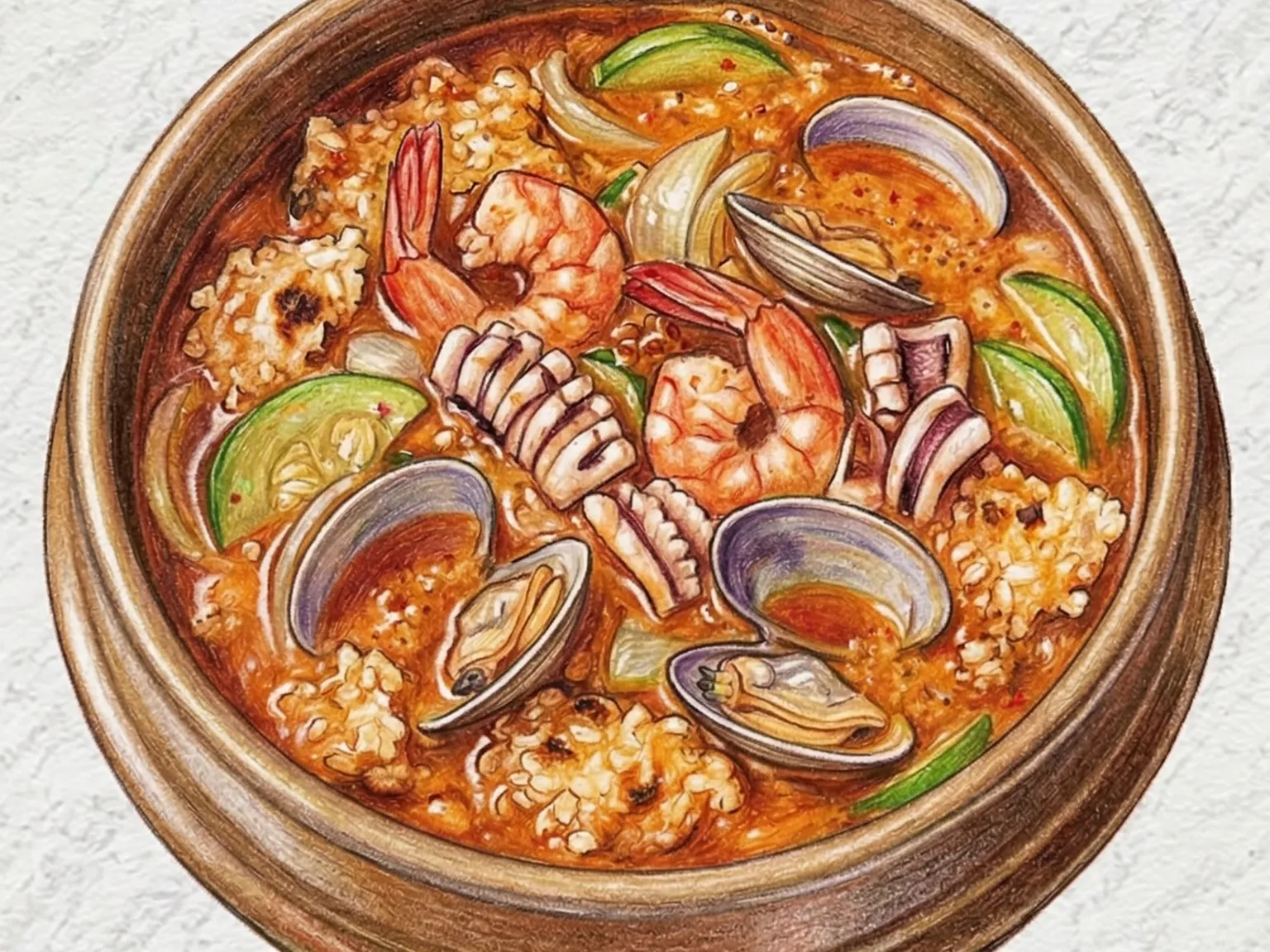
Korean Scorched Rice Seafood Stew
Nurungji haemul jjigae adds scorched rice crust to a seafood stew made with squid, shrimp, and clams in anchovy-kelp stock. As the nurungji softens in the bubbling broth, it thickens the liquid and contributes a toasty, nutty flavor. Zucchini and onion add sweetness, while gochugaru brings moderate heat. The combination of crunchy-then-chewy rice with briny seafood makes this a complete one-pot meal.

Korean Monkfish Soup (Spicy Southern Coastal Fish Broth)
Agwi-tang is the soup version of Korea's monkfish preparations, originating from the fishing villages along the southern coast where monkfish - called agwi or agu depending on dialect - is landed fresh. Unlike braised or stir-fried monkfish dishes, the tang form prioritizes a clear, brothy base built on anchovy stock. Radish simmers first for eight minutes, sweetening the liquid before the monkfish enters. The fish cooks gently at medium heat, its collagen dissolving into the broth and giving it body. Bean sprouts go in last, contributing a clean crunch that contrasts the soft fish flesh. A final addition of sliced green onion and a punch of gochugaru turns the broth a hazy red. This is hangover food in Korea's coastal towns - hot, spicy, and restorative, traditionally served steaming at dawn markets.

Korean Octopus Clear Soup
Yeonpo-tang is a clear Korean octopus soup that keeps seasoning to a minimum and lets the seafood speak for itself. The octopus is cleaned by rubbing with coarse salt, then cut into manageable pieces. Radish simmers in anchovy stock for ten minutes to build a sweet, clean base before the octopus and garlic go in for only three minutes of cooking, which is enough to cook the tentacles through without making them rubbery. Water dropwort is added right before serving, contributing a bright, herbal fragrance that contrasts with the briny depth of the broth.

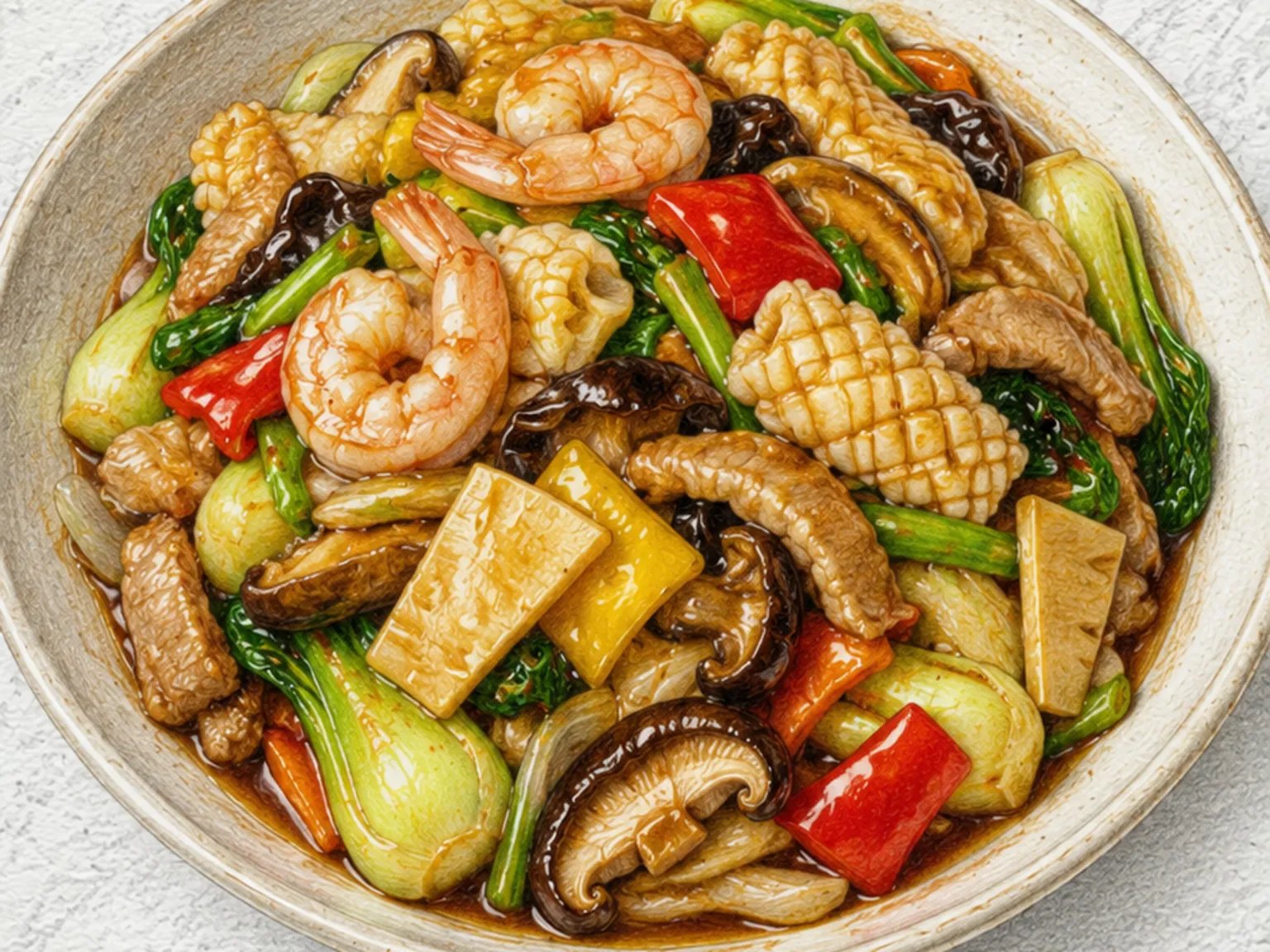
Korean Seafood Fried Rice
Mixed seafood including shrimp, squid, and mussel meat is stir-fried together on high heat until a smoky wok char develops. Day-old cold rice works best because its lower moisture content lets the grains separate cleanly in the pan, and seasoning with soy sauce and oyster sauce layers additional depth on top of the seafood's own brininess. Cracking the eggs into the pan first and immediately tossing the rice on top coats each grain in a thin shell of egg, yielding a lightly crisp exterior. Sesame oil is drizzled only after the heat is off so its fragrance stays intact.