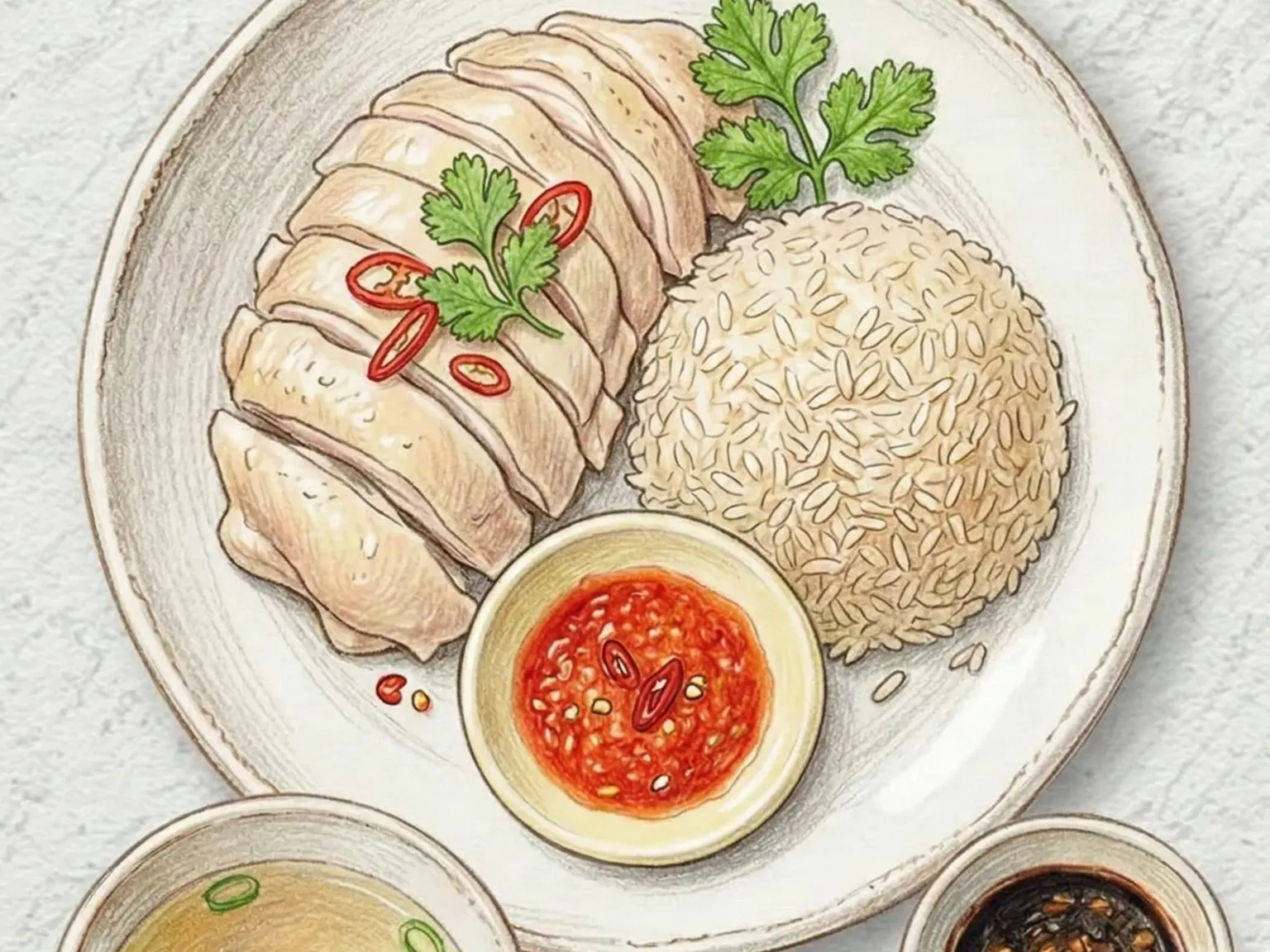
Hainanese Chicken Rice (Poached Chicken on Fragrant Rice)
Quick answer
- Total time
- 65 min
- Level
- Medium
- Servings
- 4 servings
- Ingredients
- 12
About this dish
One pot does double duty: the water that poaches the chicken thighs becomes the cooking liquid for the rice.
Read more
The heat stays low enough that only small bubbles rise at the edge, because a rolling boil splits and dries the meat.
Ingredients
Instructions
- 1
Do not rinse the 800 g chicken thighs.
Pat only the surface dry with paper towels, rub evenly with 1 teaspoon salt, and rest for 5 minutes.
- 2
Place the chicken, 20 g ginger, and 2 scallions in a pot, then add enough water to cover.
Bring it to a boil once, then lower the heat until only small bubbles rise around the edge.
- 3
Poach with the small bubbles maintained for about 25 minutes, then insert a food thermometer into the thickest part and confirm a 74 C internal temperature. If it is below 74 C, cook for 3 minutes more and check again.
- 4
Remove the chicken and cool it for 10 minutes so the juices settle before slicing.
Strain the broth through a fine sieve, measure exactly 2 cups for the 2 cups of rice, and add only enough water to make up any shortfall.
- 5
Rinse 2 cups jasmine rice until the water runs clear and drain well.
Heat 1 tablespoon cooking oil, saute 20 g garlic and the remaining 10 g ginger over medium heat for 1 minute, then stir the rice for 1 minute. Add 2 cups broth and the optional 1 tablespoon chicken fat, bring to a boil, cover, cook over low heat for 12 minutes, then turn off the heat and rest covered for 10 minutes.
- 6
Slice the cooled chicken against the grain into 0.5 cm pieces, and cut the seeded cucumber diagonally into 3 mm slices.
Spoon the rice into bowls, arrange the chicken and cucumber on top, and serve 2 tablespoons soy sauce and 4 tablespoons chili-ginger sauce on the side.
References checked
These references were consulted when this page was prepared or corrected. A source check does not mean the recipe was independently kitchen-tested.
- Smithsonian Asian Pacific American Center Hainanese Chicken Rice recipe
Smithsonian Asian Pacific American Center · Checked: 2026-09-04
- FoodSafety.gov Safe Minimum Internal Temperatures
FoodSafety.gov · Checked: 2026-09-04
- USDA FSIS Chicken from Farm to Table
USDA Food Safety and Inspection Service · Checked: 2026-09-04
Official cooking and safety guidance
Public-agency cooking and food safety guidance that applies to this recipe.
Official cooking and safety guidance
-
Storage and reheating
Refrigerate leftovers in shallow containers within 2 hours and use them within 3 to 4 days. Reheat the center to 74°C.
Source: USDA Food Safety and Inspection Service. Leftovers and Food Safety
Sources checked 2026-08-03
Use-up ingredient planner
Turn these ingredients into two more meals
The overlap excludes basic seasonings. Open the next recipe and your selected dishes will stay with you.
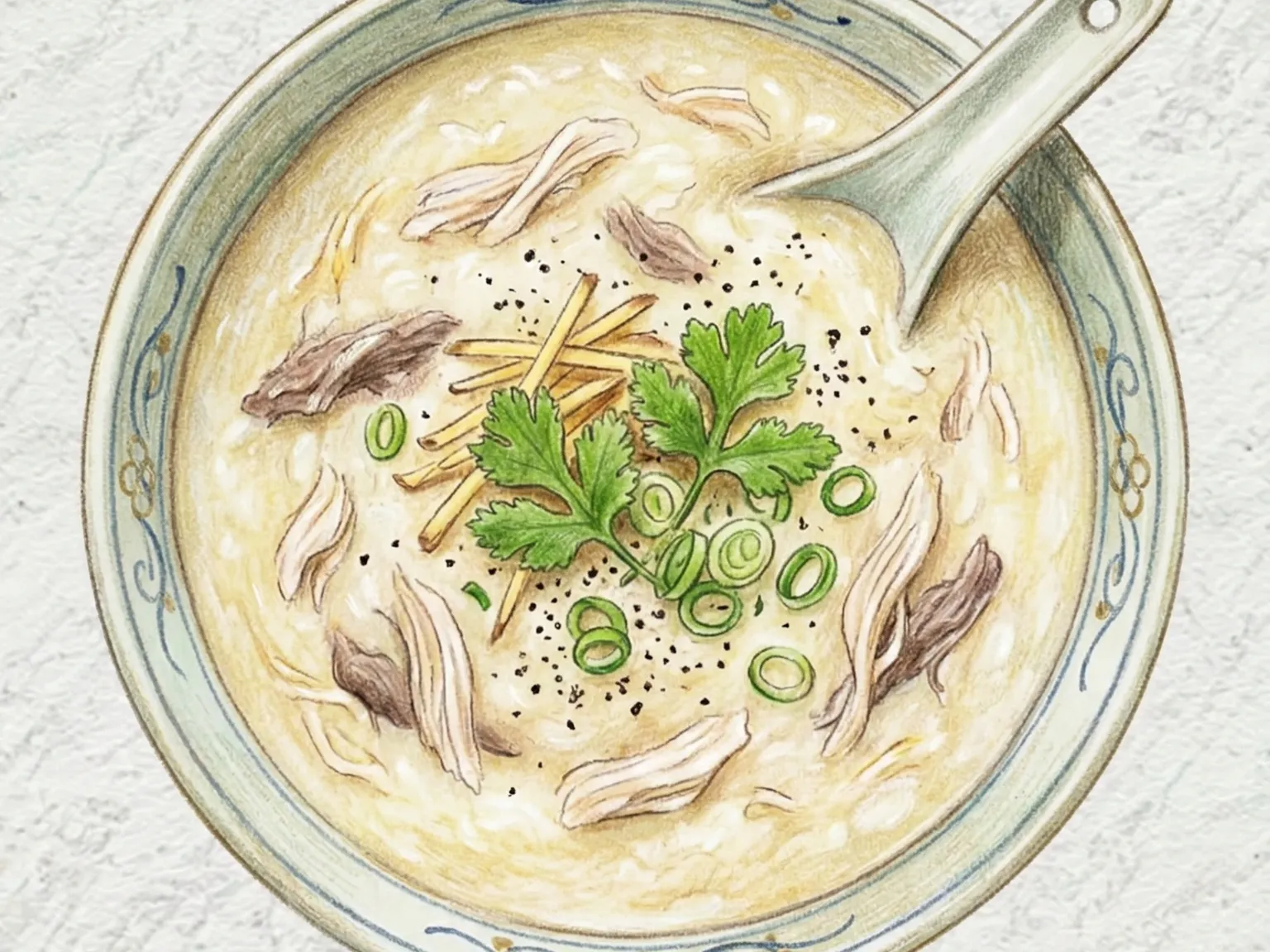
Chao Ga (Vietnamese Chicken Rice Porridge with Ginger)
chicken thigh, jasmine rice
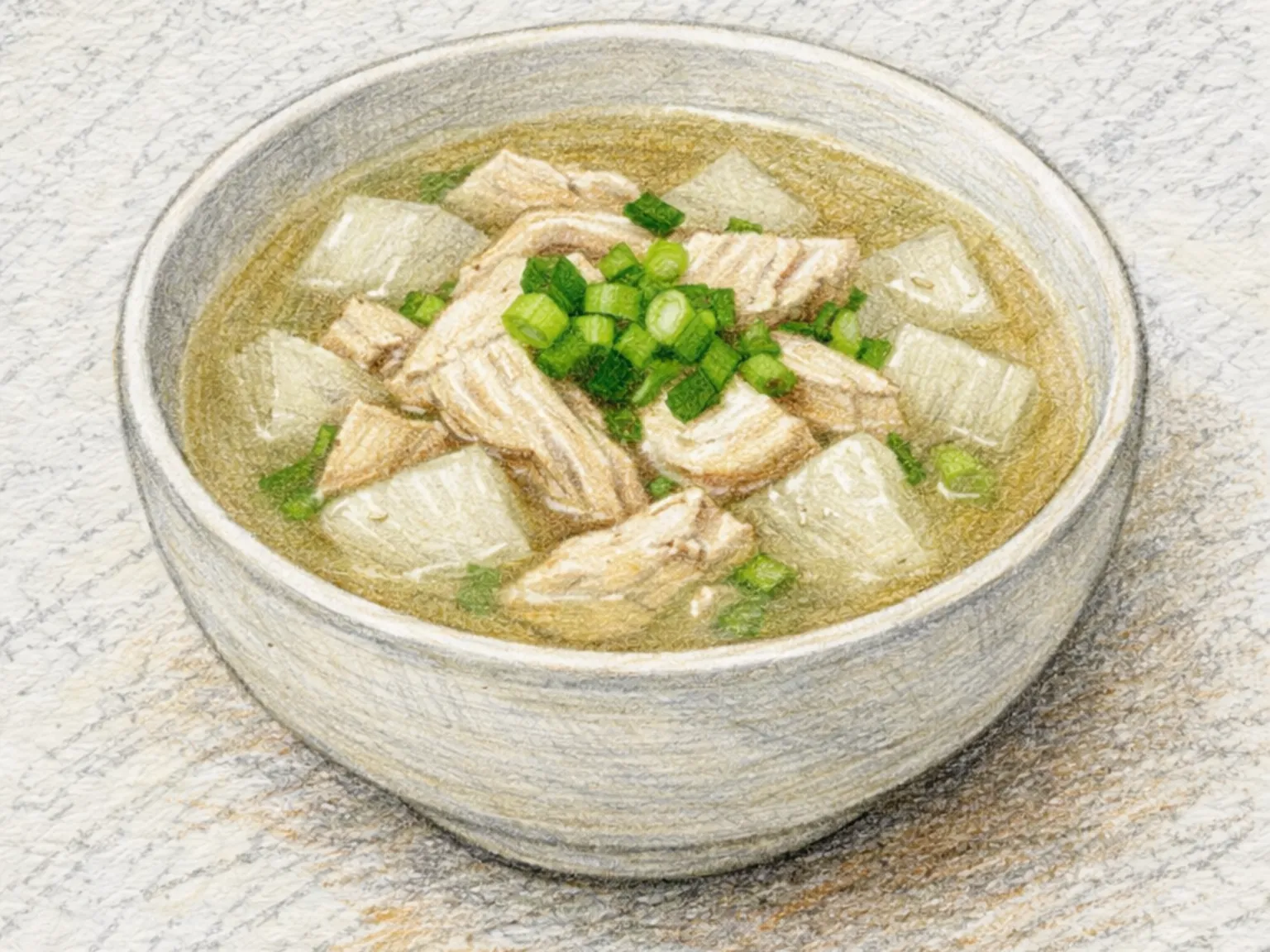
Korean Chicken Radish Soup
chicken thigh, ginger
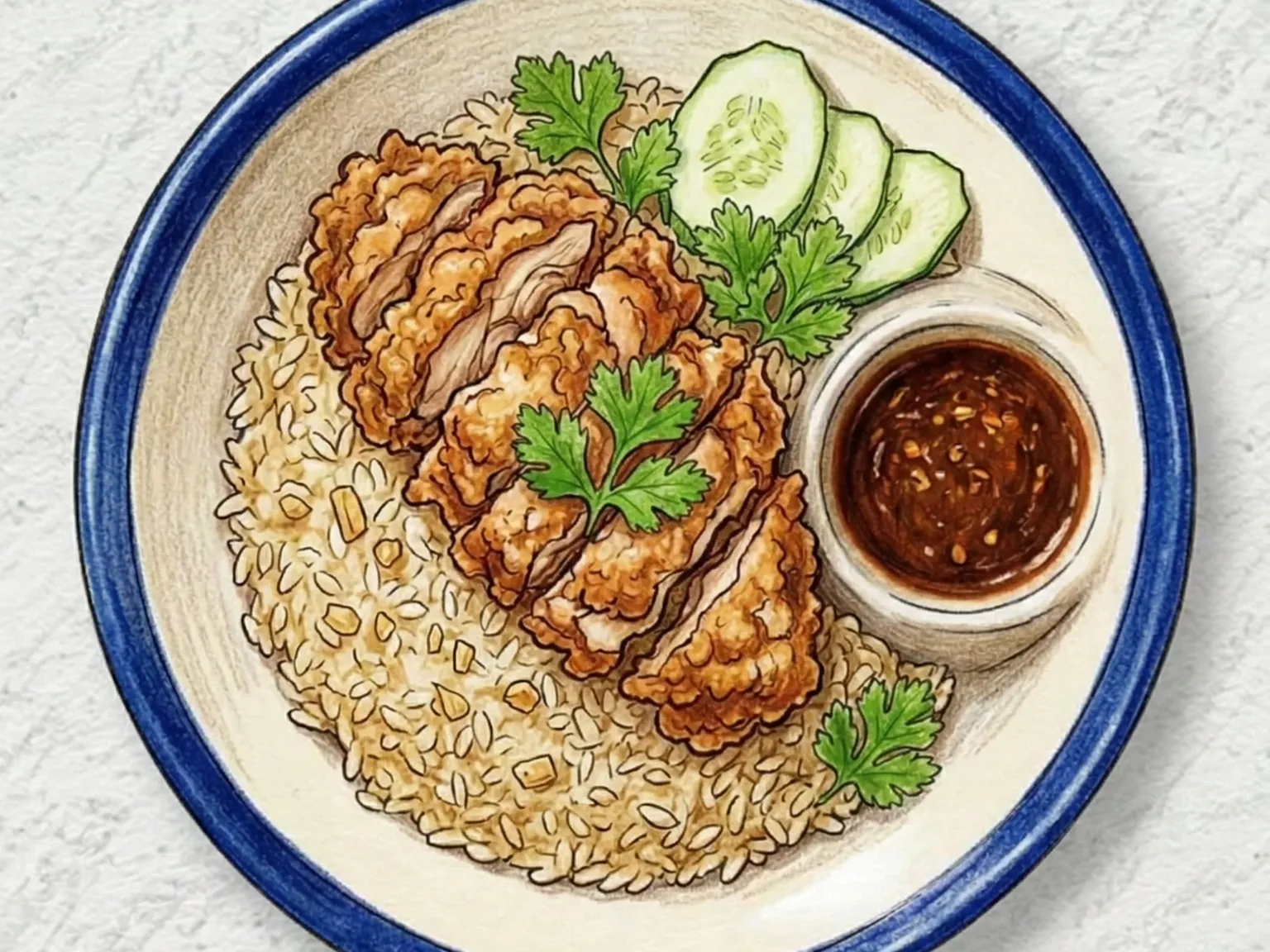
Khao Man Gai Tod (Thai Fried Chicken Rice Bowl)
chicken thigh, jasmine rice