Hainanese Curry Rice (Mixed Curry Gravy Platter)
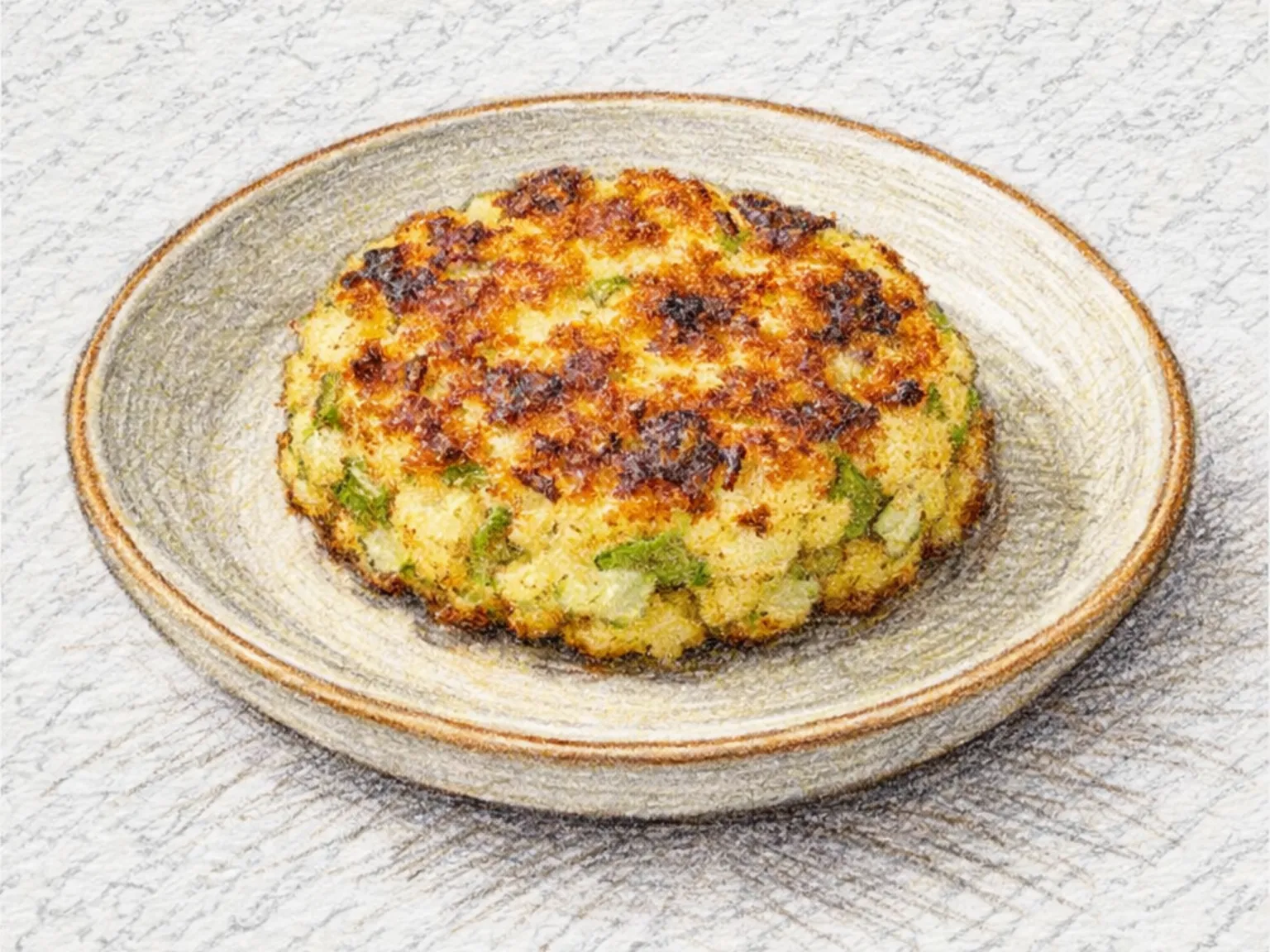
Hainanese curry rice is a Singaporean comfort plate that layers crispy pork cutlet, boiled potato, and blanched cabbage over steamed rice, then drenches everything in a mix of curry gravy and braised soy sauce. The curry begins by blooming curry powder in oil to release its fragrance, then simmering it with coconut milk and water until the sauce turns thick and carries a gentle coconut sweetness alongside the spice. What distinguishes this dish is the deliberate mixing of two different sauces on the plate, where the curry heat meets the salty-sweet depth of soy-based gravy. The pork cutlet is sliced only at the moment of serving to preserve its crunch against the wet sauces. Soft potato pieces and slightly firm cabbage provide textural variety between bites of crunchy cutlet and saucy rice.
Adjust Servings
Instructions
- 1
Boil potato and cabbage until tender.
- 2
Heat oil and bloom curry powder.
- 3
Add water, coconut milk, and soy sauce; simmer 8 minutes for curry sauce.
- 4
Cook pork cutlet until crisp and slice bite-size.
- 5
Plate rice, top with cutlet and vegetables, then spoon over generous curry sauce.
As an Amazon Associate, we may earn from qualifying purchases.
Tips
Nutrition (per serving)
More Recipes

Hainanese Chicken Rice (Poached Chicken on Fragrant Rice)
Hainanese chicken rice begins with bone-in chicken thighs poached at a gentle simmer with ginger and scallion, never at a rolling boil, so the meat stays silky rather than stringy. The poaching broth is then strained and used to cook jasmine rice that has been briefly sauteed with garlic and ginger, giving each grain a fragrant, lightly oily coating. Adding a spoonful of rendered chicken fat to the rice pot deepens the aroma considerably. The chicken is cooled, sliced against the grain, and served alongside fresh cucumber slices that provide a crisp counterpoint to the soft meat. Two condiments define the dish: a chili-ginger dipping sauce that brings heat and acidity, and a thick dark soy sauce for caramel-like sweetness. Despite using only fundamental ingredients, the technique of temperature-controlled poaching and broth-cooked rice elevates the dish into something distinctly precise.

Mee Siam (Singaporean Tangy Tamarind Shrimp Rice Vermicelli)
Mee siam is a Southeast Asian rice vermicelli dish popular in Singapore and Malaysia, defined by its tamarind-based sauce that walks a tightrope between sour, sweet, and spicy. Thin rice noodles are tossed with shrimp and bean sprouts in a rempah - a pounded spice paste of dried shrimp, shallots, and chili - then finished with tamarind water, sugar, and a squeeze of lime. The result is tangy and bright, with an underlying shrimp-forward depth. Despite its name referencing Siam, the dish is distinctly Malay-Singaporean rather than Thai. It appears most often at breakfast or as a light meal, served on banana leaf at hawker centers and home kitchens alike.

Katsu Curry
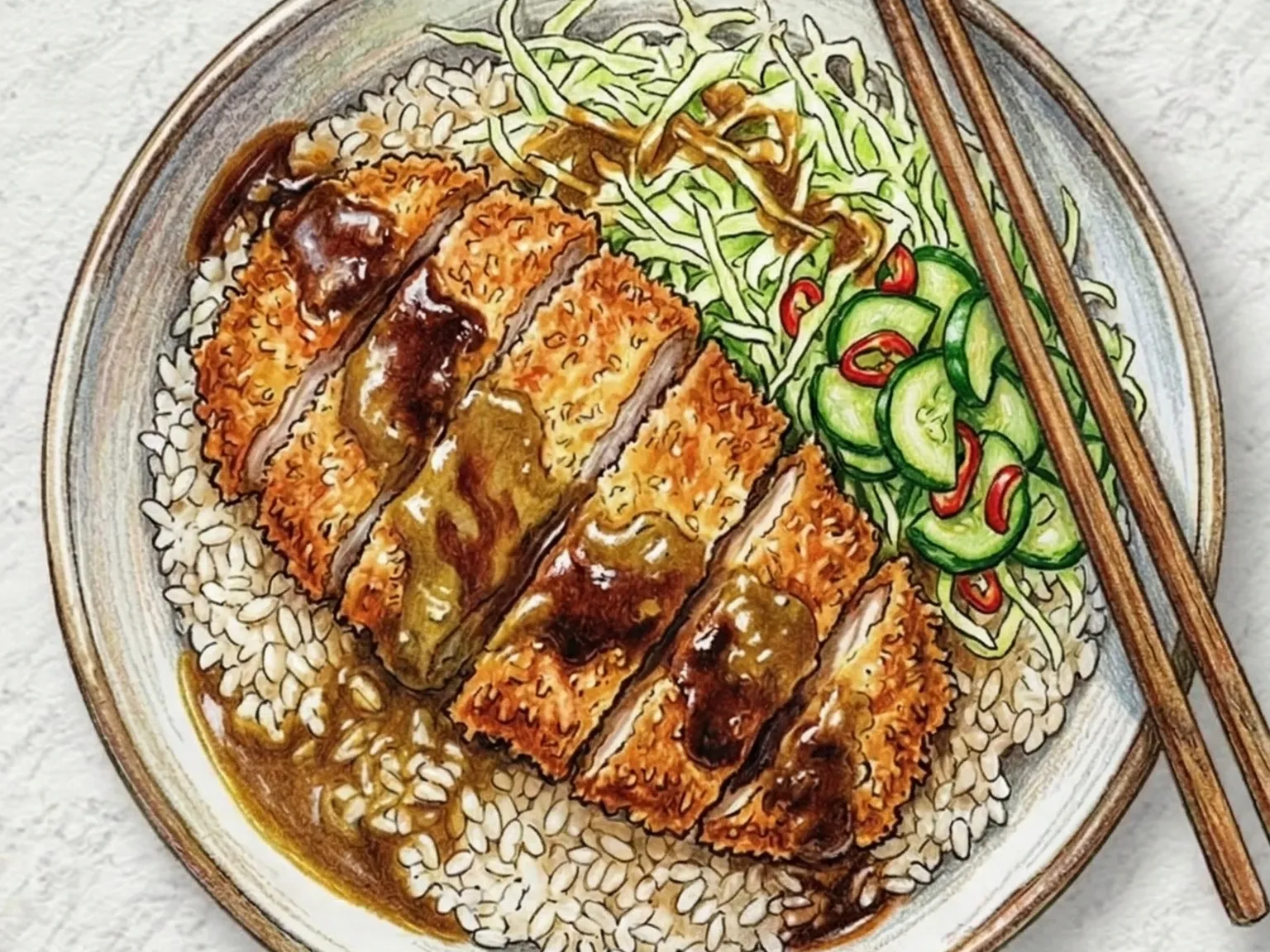
Katsu curry combines two Japanese comfort food staples on one plate: a thick, breaded pork cutlet and a smooth, glossy curry sauce over rice. The pork loin is seasoned with salt and pepper, then coated in flour, beaten egg, and panko breadcrumbs whose coarse, jagged flakes create a rougher surface that fries up crunchier than fine breadcrumbs. The cutlet deep-fries at 170 degrees Celsius for four to five minutes until deep golden, then rests for two minutes so the residual heat finishes cooking the center while the juices redistribute. The curry sauce is prepared separately by sauteing onion and carrot, simmering in water until soft, then dissolving the curry roux on low heat until thick. Resting the curry overnight intensifies its flavor as the vegetables break down further. When plated, the curry occupies one side and the sliced katsu the other, so the crust stays crisp until deliberately dipped into the sauce.

Fish Head Curry (Coconut Tamarind Curry)
Fish head curry was born in 1940s Singapore when M.J. Gomez, a Keralite immigrant, noticed his Chinese customers' fondness for fish heads and married it with a South Indian curry base - creating a dish that belongs to no single culture but has become Singapore's own. A whole snapper head, sometimes weighing over a kilogram, simmers in a thick gravy of coconut milk, tamarind, curry leaves, fennel seeds, and fish curry powder; the collagen from the head dissolves into the broth, giving it a sticky, lip-coating richness. The cheek meat and the gelatinous flesh around the eyes absorb the most curry and are the most prized portions - fought over equally by Indian, Malay, and Chinese diners at the table. Okra, eggplant, and tomato stew alongside, each vegetable interacting with the gravy differently: okra thickens, eggplant absorbs like a sponge, and tomato contributes a fruity acidity. The dish is traditionally served on a banana leaf with steamed rice at restaurants along Singapore's Little India, where the head arrives in a clay pot still bubbling from the kitchen.

Korean Pork Soup with Rice
Dwaeji gukbap is Busan's signature pork soup with rice, built on a broth that simmers pork shoulder in bone stock for over an hour until the liquid turns milky-white and deeply flavored. The pork is blanched first to remove impurities, then transferred to the main pot where it cooks low and slow until fork-tender. Sliced thinly against the grain, the meat is arranged over a bowl of rice and doused with the steaming broth, which carries the richness of rendered collagen and the depth of long-simmered bones. Green onion and garlic chives added on top provide freshness, while diners season to taste at the table with fermented shrimp paste or minced chili. The broth is hearty enough to serve as a full meal at any hour - breakfast hangover cure, midday refuel, or late-night comfort. In Busan, gukbap restaurants that have been ladling from the same stockpot for decades are a point of neighborhood pride.

Singapore Rice Noodles (Curry-Spiced Stir-Fried Vermicelli with Shrimp)
Singapore rice noodles are a Cantonese-style stir-fry of thin rice vermicelli tossed with curry powder, shrimp, and mixed vegetables over high heat. The curry powder is bloomed in hot oil at the edge of the wok to unlock its full aroma before being mixed into the noodles. Soy sauce adds seasoning depth, and bean sprouts go in during the last thirty seconds to keep their crunch. Soaking the vermicelli for only eight minutes prevents the noodles from breaking apart during stir-frying.