Charim

2686 Korean & World Recipes

2686+ Korean recipes, clean and organized. Ingredients to instructions, all at a glance.

Korean Heotgae Tea (Oriental Raisin Tree Hangover Herbal Brew)

Korean Heotgae Tea (Oriental Raisin Tree Hangover Herbal Brew)

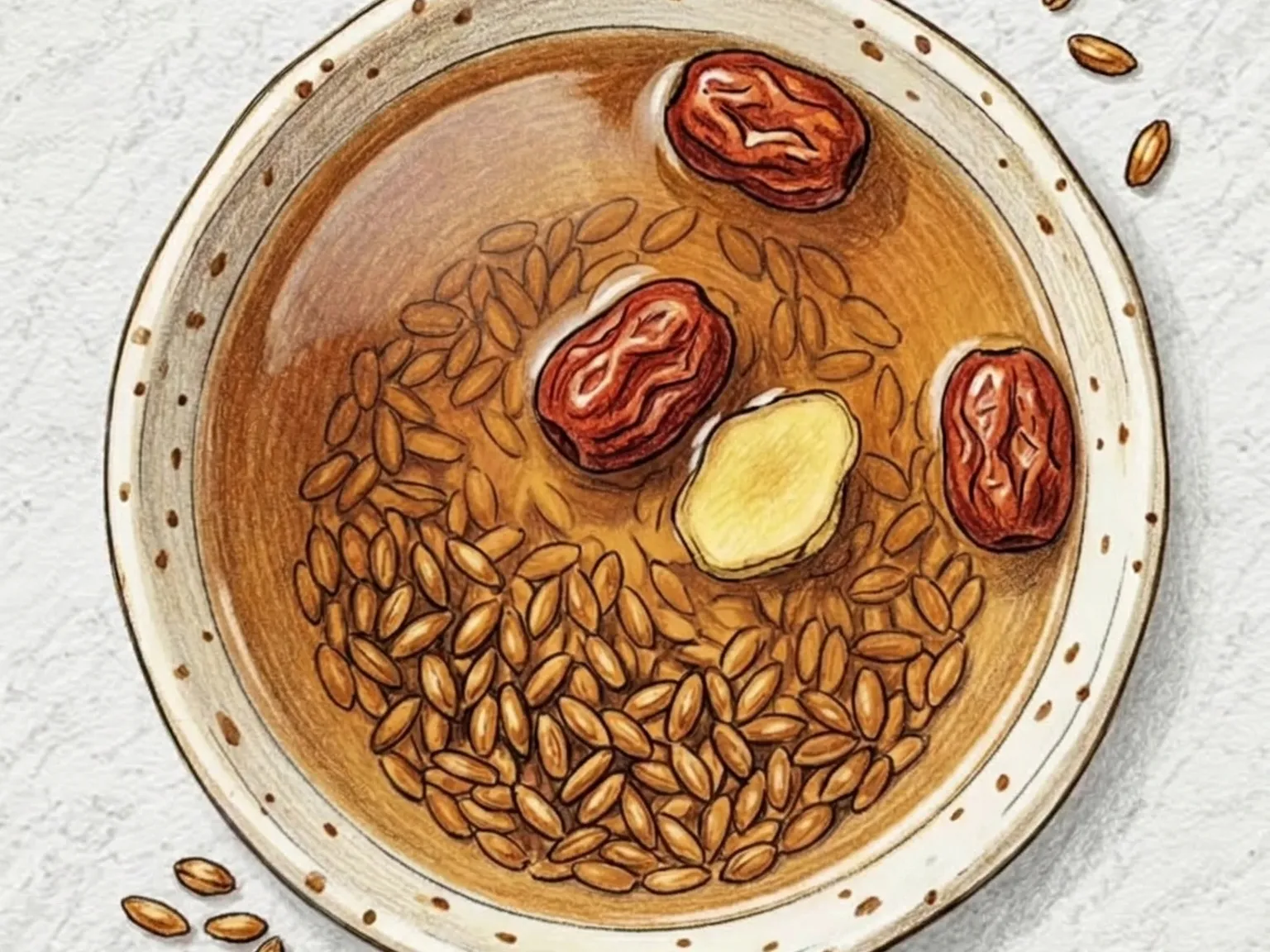
Heotgae-cha is a traditional Korean herbal tea made by simmering dried oriental raisin tree fruit with jujubes, ginger, and a cinnamon stick over low heat for thirty-five minutes. The dried heotgae fruit, small and knobby in appearance, releases a deep, earthy sweetness the longer it cooks. Ginger adds a sharp warmth, cinnamon contributes aromatic sweetness, and jujubes layer in a mellow fruit note, giving the tea a complex, multi-layered profile. Honey is stirred in at the end to adjust sweetness, and the tea has been traditionally consumed in Korea as a morning-after drink following alcohol.

Prep 5min Cook 35min 4 servings

Adjust Servings

2servings
servings

Instructions

  1. 1

    Rinse the dried heotgae fruit briefly under running water.

  2. 2

    Add water, heotgae fruit, jujube, sliced ginger, and cinnamon to a pot.

  3. 3

    Bring to a boil, then reduce to low heat and simmer for 25 minutes.

  4. 4

    Turn off the heat and steep for 5 more minutes.

  5. 5

    Strain the tea and dissolve honey to taste.

  6. 6

    Serve warm, or chill in the fridge for a cold version.

🛒Shop Ingredients on Amazon

As an Amazon Associate, we may earn from qualifying purchases.

Tips

Do not discard the first boil; it carries most of the aroma.
For iced tea, reduce honey by half for a cleaner finish.

Nutrition (per serving)

Calories
48
kcal
Protein
0
g
Carbs
12
g
Fat
0
g

More Recipes

Korean Ginseng Tea (Fresh Ginseng Jujube Herbal Brew)
DrinksMedium

Korean Ginseng Tea (Fresh Ginseng Jujube Herbal Brew)

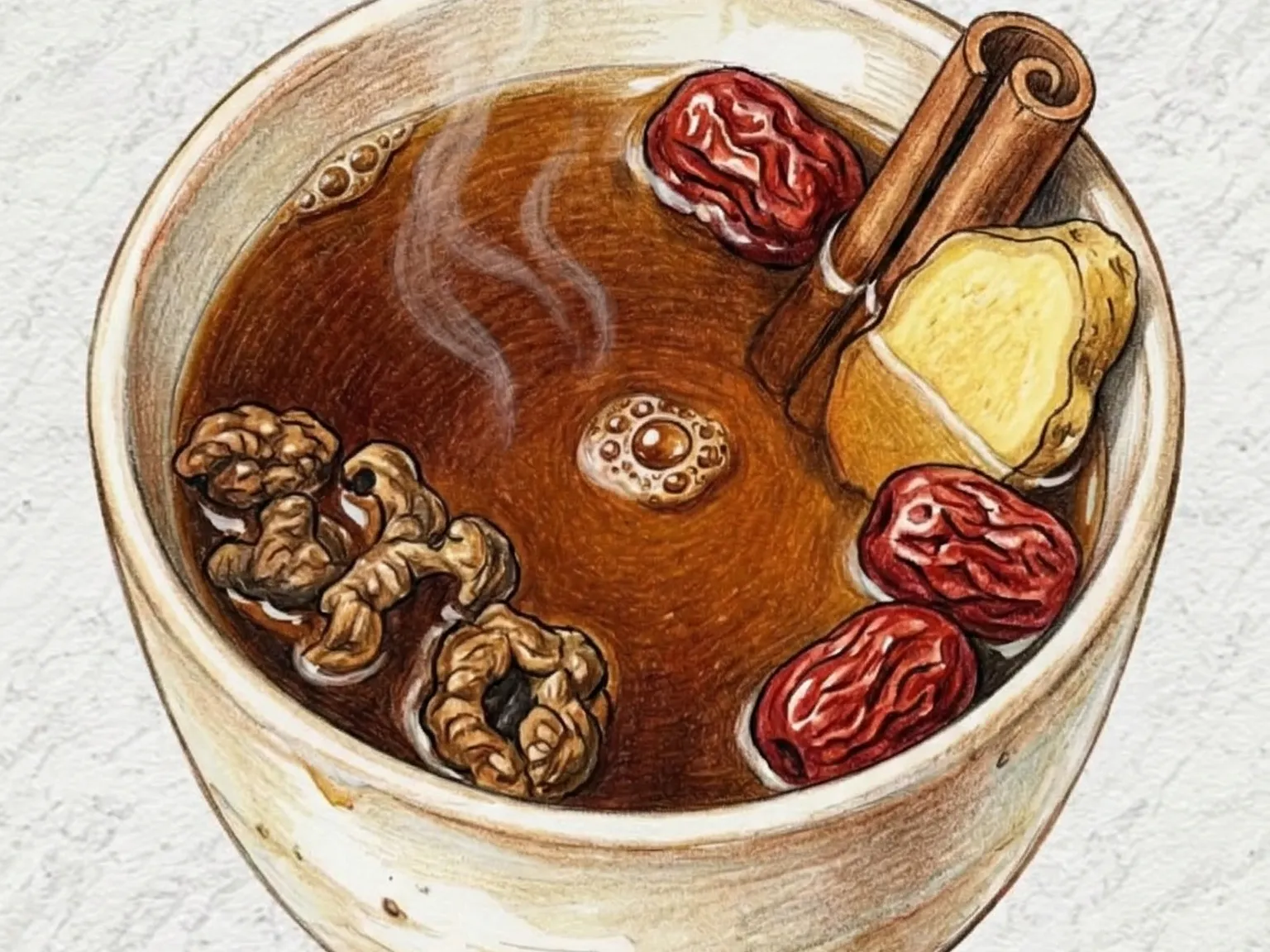
Insam-cha is a traditional Korean ginseng tea made by thinly slicing fresh ginseng (susam) and simmering it with jujubes and ginger over low heat for twenty minutes. Fresh ginseng is milder and less bitter than dried ginseng, but slicing it thin is essential for the active compounds to infuse efficiently, releasing the root's characteristic earthy, herbal aroma during cooking. Jujubes naturally soften the ginseng's bitterness, and ginger introduces a sharp warmth that gives the tea its backbone. Honey balances the flavor, and a few pine nuts floated on the surface add an oily richness that complements the herbal notes.

🍺 Bar Snacks
Prep 8minCook 20min2 servings
Korean Plum Blossom Tea (Floral Jujube Honey Brew)
DrinksEasy

Korean Plum Blossom Tea (Floral Jujube Honey Brew)

Maehwa-cha is a Korean floral tea brewed by briefly steeping dried plum blossoms in water that has been simmered with pitted jujubes. The blossoms release a delicate, almost transparent fragrance, while jujube and honey provide a soft, rounded sweetness underneath. A wisp of lemon zest at the very end sharpens the aroma without overpowering the flowers. Pine nuts floated on the surface add a faint nutty richness that gives each cup a more complex finish.

🍺 Bar Snacks Quick
Prep 5minCook 7min2 servings
Korean Ssanghwa Herbal Tea
DrinksHard

Korean Ssanghwa Herbal Tea

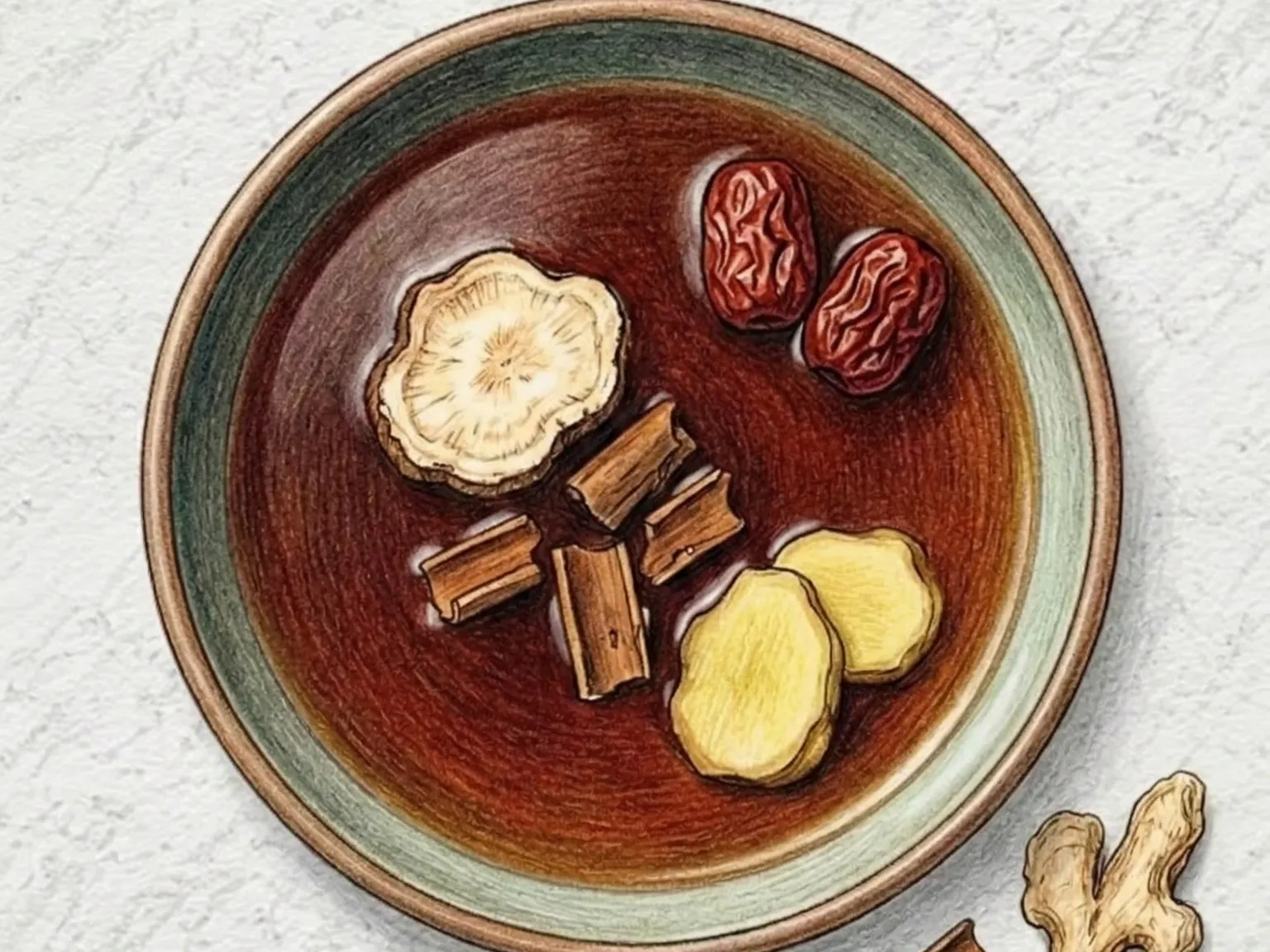
Ssanghwa-cha is a traditional Korean tonic tea made by slow-simmering astragalus root, angelica root, cinnamon, licorice, and jujube in water for over 50 minutes. The prolonged extraction draws out layered flavors from each herb, producing a brew that is simultaneously bitter, sweet, and warmly aromatic with cinnamon at its core. Honey is stirred in after straining to adjust sweetness, and the tea is served hot with a scattering of pine nuts that release their mild, oily fragrance on contact with the surface. The jujubes soften the sharper herbal edges while preserving the deep, lingering medicinal character of the drink.

🍺 Bar Snacks🎉 Special Occasion
Prep 10minCook 60min4 servings
Korean Kudzu Root Tea (Earthy Herbal Root Brew)
DrinksEasy

Korean Kudzu Root Tea (Earthy Herbal Root Brew)

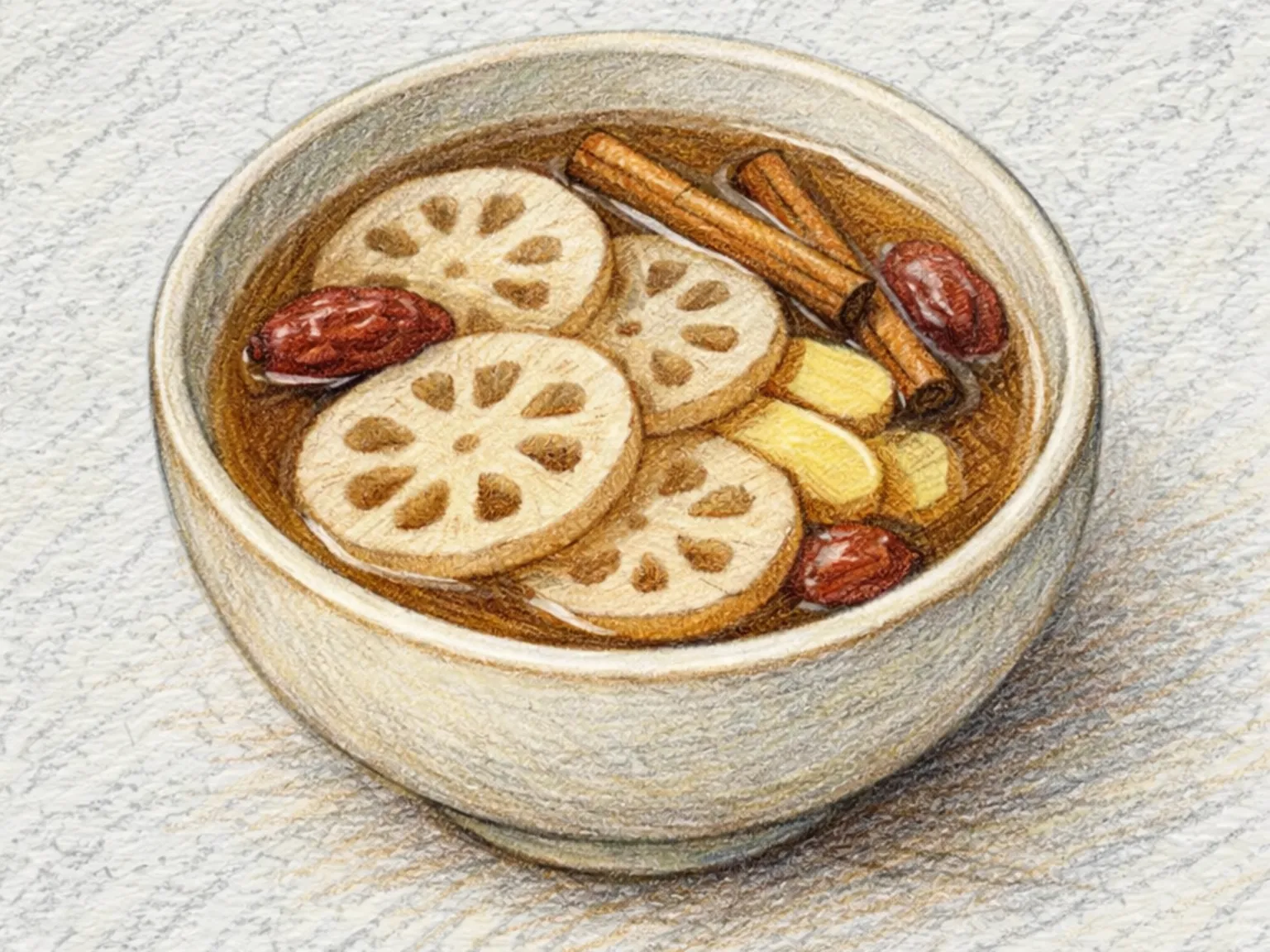
Chik-cha is a traditional Korean tea made by slowly simmering dried kudzu root with sliced ginger, scored jujubes, and a cinnamon stick for at least twenty-five minutes on low heat. The kudzu root releases an earthy, starchy depth that forms the tea's backbone, while ginger adds warm pungency and cinnamon contributes a sweet, woody spice layer. Honey is stirred in only after the heat is turned off to preserve its floral aroma, and the jujubes provide a subtle fruity sweetness that ties the flavors together.

🍺 Bar Snacks
Prep 10minCook 35min2 servings
Baesuk (Korean Poached Pear Punch)
DessertsEasy

Baesuk (Korean Poached Pear Punch)

Baesuk is a traditional Korean punch made by slowly simmering whole or large-cut Korean pear with ginger, whole black peppercorns, and dried jujubes. As the pear cooks over low heat, its juice gradually dissolves into the liquid, building a natural sweetness that forms the drink's backbone. Ginger contributes a warm, peppery sharpness that interlocks with the pear's sweetness, producing a flavor that is comforting yet clean. Whole peppercorns are used sparingly; they provide a subtle spice aroma in the background rather than actual heat. Jujubes add a faint reddish tint and a mild fruity undertone to the liquid. Honey is stirred in after the heat is turned off and the temperature has dropped slightly, preserving its fragrance; because the pear already contributes significant sweetness, the honey amount should start small and be adjusted by taste. Overnight refrigeration allows the ginger and pear flavors to meld more fully, rounding out the drink. Pine nuts floated on the surface before serving add a subtle oily richness to the finish of each sip.

🧒 Kid-Friendly
Prep 15minCook 35min4 servings
Haejangguk (Korean Pork Bone Hangover Soup)
SoupsMedium

Haejangguk (Korean Pork Bone Hangover Soup)

Haejangguk is Korea's iconic hangover soup, a thick and fiery bowl designed to restore the body after a night of drinking. The base is a long-simmered pork spine broth that delivers a deep, porky richness. Napa cabbage outer leaves, called ugeoji, are seasoned with doenjang and garlic and added to the broth, contributing a chewy, fibrous texture. Congealed ox blood, known as seonji, is a traditional addition that lends an iron-rich density and dark visual contrast. Gochugaru provides a persistent, forehead-sweating heat that Koreans believe helps flush out toxins and clear the head. The finished soup is served bubbling in a stone pot, and the first few spoonfuls tend to produce an involuntary sigh of relief. Dedicated haejangguk restaurants open before dawn to serve construction workers and late-night revelers, and the dish has been a fixture of Korean culinary tradition for centuries.

🏠 Everyday
Prep 20minCook 120min4 servings
More Drinks →