Charim

2686 Korean & World Recipes

2686+ Korean recipes, clean and organized. Ingredients to instructions, all at a glance.

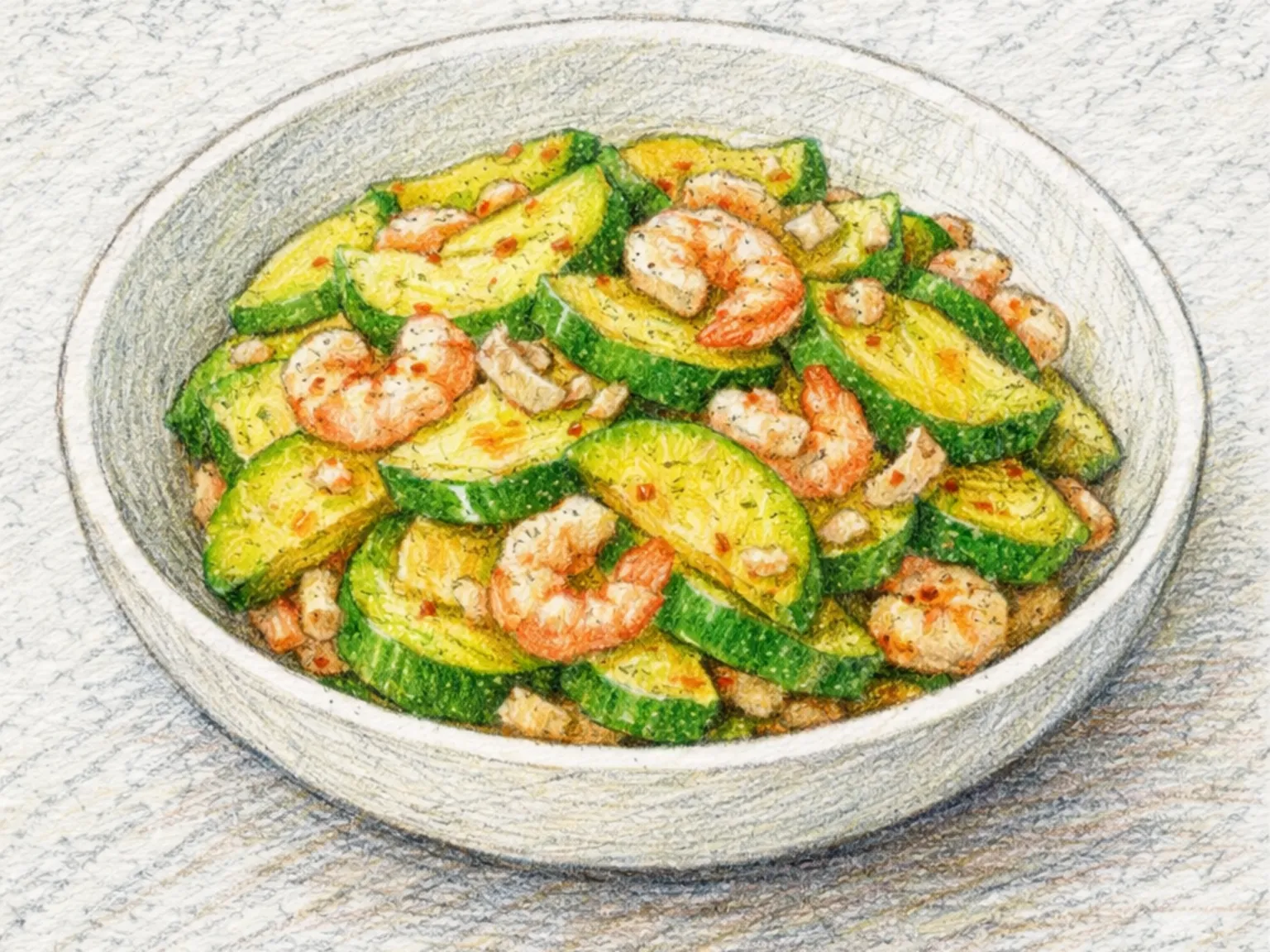
Korean Stir-fried Zucchini

Korean Stir-fried Zucchini

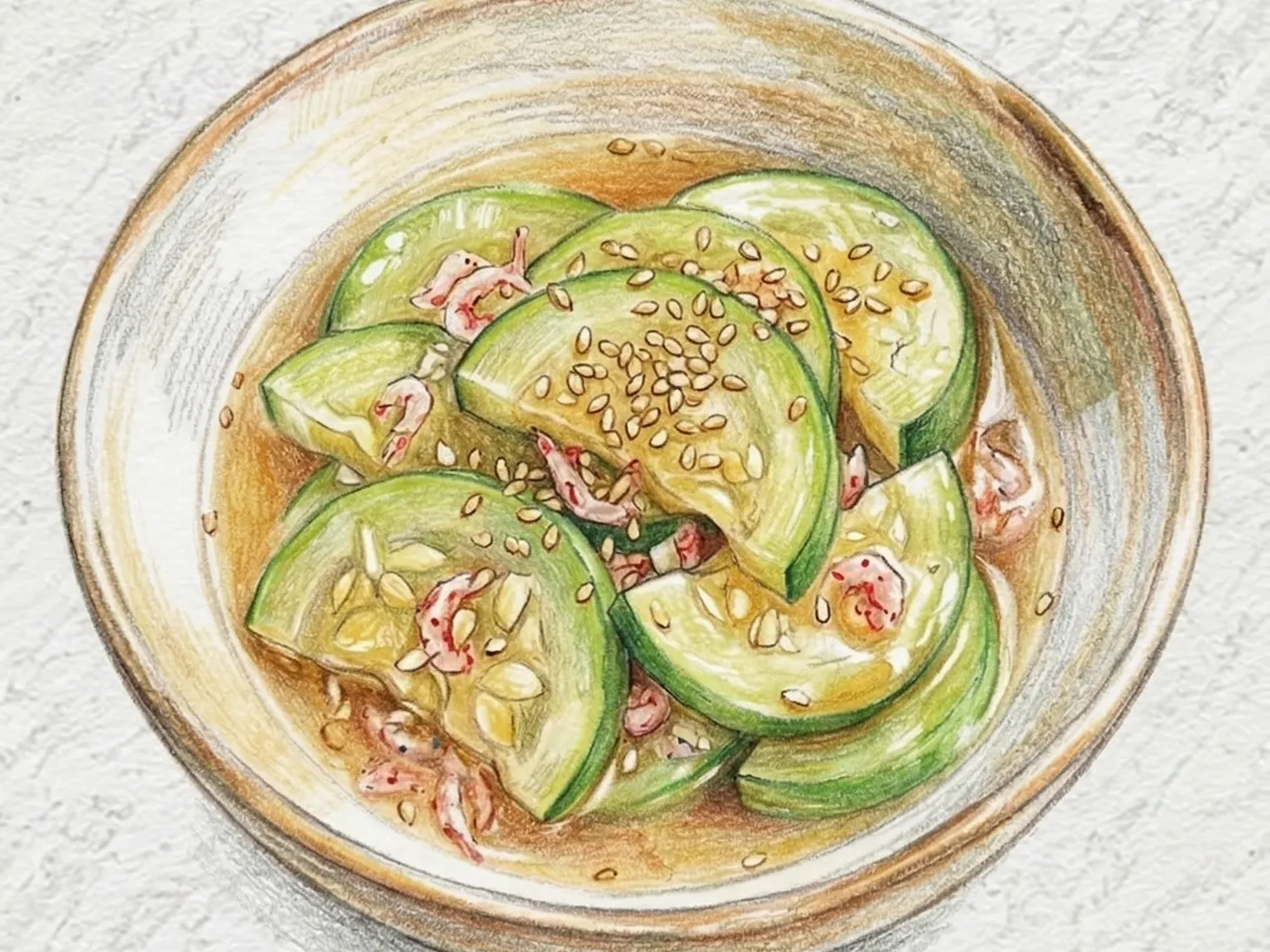
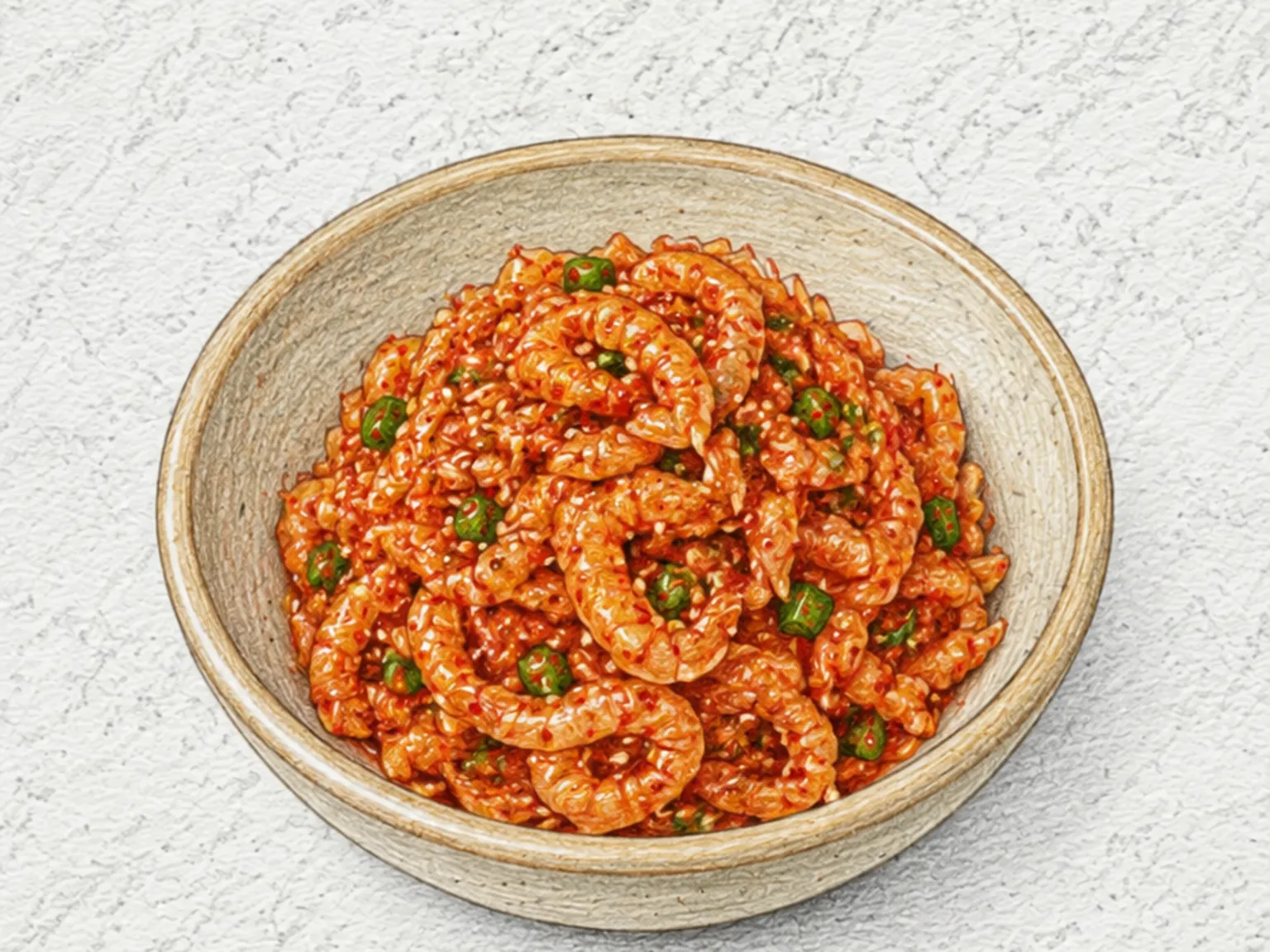
Hobak-bokkeum is one of the quickest banchan in the Korean home-cooking repertoire. Thinly sliced Korean zucchini (aehobak) is salted for five minutes to draw out moisture - skipping this step floods the pan and produces a steamed rather than stir-fried result. Seasoning with saeujeot (salted fermented shrimp) instead of plain salt introduces a deeper marine umami that plain sodium cannot replicate; the paste is salty enough that additional salt is rarely needed. High heat and brief cooking time allow the surface of each slice to lightly caramelize, building a nutty aroma while the interior stays tender. Finished with sliced green onion, sesame oil, and toasted sesame seeds, the dish is clean and simple. All you need is one zucchini and a few pantry staples.

Prep 5min Cook 8min 4 servings

Adjust Servings

2servings
servings

Instructions

  1. 1

    Cut 1 zucchini into 0.5cm thick half-moon slices.

  2. 2

    Sprinkle salt, rest 5 minutes, and squeeze out excess moisture.

  3. 3

    Heat oil and saute minced garlic until fragrant.

  4. 4

    Add zucchini, stir-fry 4-5 minutes on medium heat, season with salted shrimp.

  5. 5

    Finish with green onion, sesame oil, and sesame seeds.

🛒Shop Ingredients on Amazon

As an Amazon Associate, we may earn from qualifying purchases.

Tips

Zucchini releases water, so stir-fry quickly on high heat.
Seasoning with just salt instead of salted shrimp also works well.

Nutrition (per serving)

Calories
45
kcal
Protein
2
g
Carbs
5
g
Fat
3
g

More Recipes

Korean Stir-Fried Kimchi (Caramelized Aged Kimchi Banchan)
Side dishesEasy

Korean Stir-Fried Kimchi (Caramelized Aged Kimchi Banchan)

Kimchi-bokkeum is the default way Korean households use up kimchi that has fermented past its fresh prime. Stir-frying tempers the sharp lactic acidity that over-ripe kimchi develops - the heat transforms the sourness into something mellower, sweeter, and more rounded. Onion goes in first and cooks until translucent, laying a sweet foundation before the kimchi and garlic join. Medium heat is essential: it drives off moisture gradually, yielding a thick, concentrated sauce rather than a watery stew. A small addition of gochugaru brightens the color, and a pinch of sugar balances the fermented tang. One tablespoon of kimchi brine amplifies the umami from the lactobacillus culture itself. The finished banchan is versatile enough to eat straight over rice, fold into fried rice, or pile on top of ramyeon.

🏠 Everyday🍱 Lunchbox
Prep 8minCook 10min4 servings
Korean Zucchini Namul (Sesame-Dressed Bibimbap Topping)
Side dishesEasy

Korean Zucchini Namul (Sesame-Dressed Bibimbap Topping)

Hobak namul is julienned zucchini stir-fried with sesame oil and garlic - a foundational Korean namul that appears as one of the five-color toppings in bibimbap. Though it looks similar to hobak-bokkeum, the cut makes the difference: namul uses thin julienne strips rather than half-moons, so the strands integrate seamlessly with rice grains when mixed. Salting and thoroughly squeezing out moisture is essential; leftover water makes the pan soggy and turns bibimbap rice gummy. Seasoning stays minimal - salt and sesame oil - with garlic gently sauteed first to lay down an aromatic base without burning. Three minutes over medium heat is enough, and the cooked strands hold their shape well even after cooling, which makes this a reliable lunchbox option.

🏠 Everyday🍱 Lunchbox
Prep 10minCook 10min4 servings
Korean Stir-Fried Leafy Greens
Side dishesEasy

Korean Stir-Fried Leafy Greens

Baby bok choy stir-fried with garlic - five minutes from board to table. Removing all surface water before the greens hit the pan is essential; residual moisture turns stir-frying into steaming. Garlic sautés low for twenty seconds, then greens go in over high heat. Soup soy sauce and salt season without adding liquid, and sesame oil off-heat gives a glossy finish. This mild, clean-tasting side works alongside virtually any Korean main course.

🏠 Everyday🍱 Lunchbox
Prep 8minCook 5min2 servings
Korean Stir-Fried Eggplant Banchan
Side dishesEasy

Korean Stir-Fried Eggplant Banchan

Gaji bokkeum transforms eggplant - a vegetable Koreans have cultivated since the Goryeo period - into a quick, oil-glazed banchan where the cooking speed matters as much as the seasoning. The eggplant is sliced into half-moons, and the pan must be scorching hot before the pieces enter; any hesitation and the eggplant will steam rather than sear, turning it into a soggy mass. High heat with minimal oil produces lightly charred edges while the interior turns silky and almost custardy. Soy sauce, garlic, and sesame oil go in during the final thirty seconds, sizzling against the hot surface and coating each piece in a thin, caramelized layer. The dish has a concentrated, clean umami taste without the heaviness of a braised preparation. Korean home cooks make this as a weeknight banchan precisely because it takes under ten minutes from cutting board to table.

🏠 Everyday🍱 Lunchbox
Prep 10minCook 7min4 servings
Korean Pan-fried Zucchini Jeon
GrilledEasy

Korean Pan-fried Zucchini Jeon

Hobak-jeon is a Korean pan-fried zucchini pancake made by slicing Korean zucchini into even half-centimeter rounds, salting them for five minutes to draw out excess moisture, then dusting in flour, dipping in beaten egg, and frying over medium heat for two to three minutes per side. The salting step is essential-it removes water that would otherwise make the jeon soggy, and it simultaneously concentrates the zucchini's mild natural sweetness into a more pronounced flavor. The egg coating acts as a gentle heat buffer, keeping the interior soft and moist while the exterior develops a pale golden crust with a subtle nuttiness from the cooked egg. It is one of the most versatile banchan in Korean cooking, equally at home in a child's lunchbox, on an everyday dinner table alongside soup or stew, or stacked on a holiday platter.

🍺 Bar Snacks🏠 Everyday
Prep 10minCook 12min2 servings
Korean Busan-Style Stir-fried Fish Cake
Stir-fryEasy

Korean Busan-Style Stir-fried Fish Cake

Square fish cake sheets are blanched for twenty seconds to strip away residual processing oil, then stir-fried with julienned onion and carrot in a soy sauce and oligosaccharide glaze that defines the Busan approach to this classic side dish. Skipping the blanching step leaves a greasy, industrial aftertaste that no amount of seasoning can mask. The onion and carrot go into the pan first and cook for two minutes, long enough to release their natural sugars, which merge with the oligosaccharide syrup when it hits the heat and caramelizes into a thin, glossy coating on every strip of fish cake. High heat and a cook time under three minutes are essential; fish cake left on the stove too long loses moisture and turns rubbery. Minced garlic fried briefly in oil at the start provides an aromatic backbone, while diagonally sliced green onion added at the end brings a fresh bite. A final sprinkle of sesame seeds rounds out the flavor. The dish holds up well at room temperature, making it a reliable addition to lunchboxes.

🏠 Everyday🍱 Lunchbox
Prep 12minCook 10min4 servings
More Side dishes →