Charim

2686 Korean & World Recipes

2686+ Korean recipes, clean and organized. Ingredients to instructions, all at a glance.

Korean Zucchini Pancakes (Egg-Battered Pan-Fried Slices)

Korean Zucchini Pancakes (Egg-Battered Pan-Fried Slices)

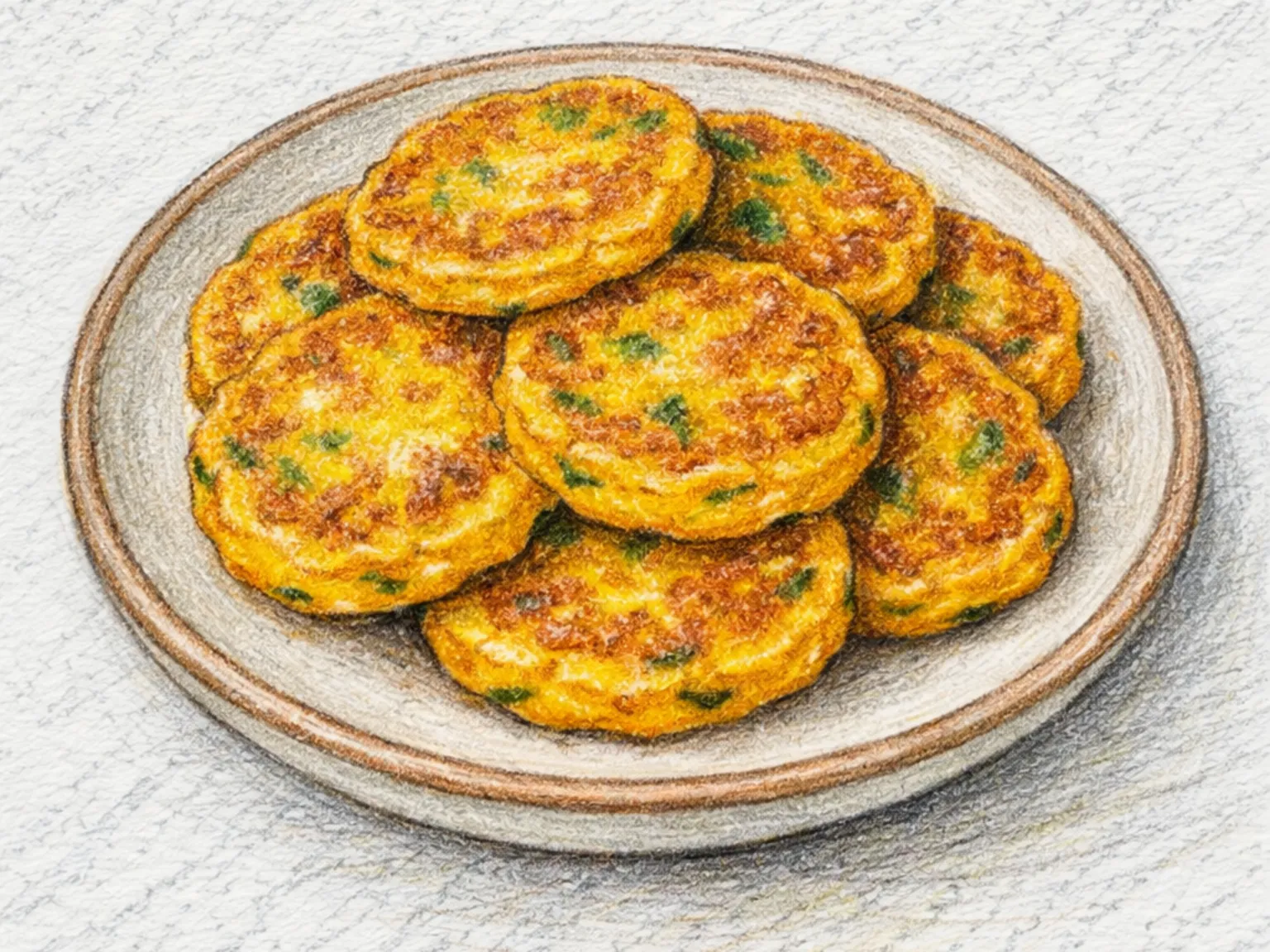
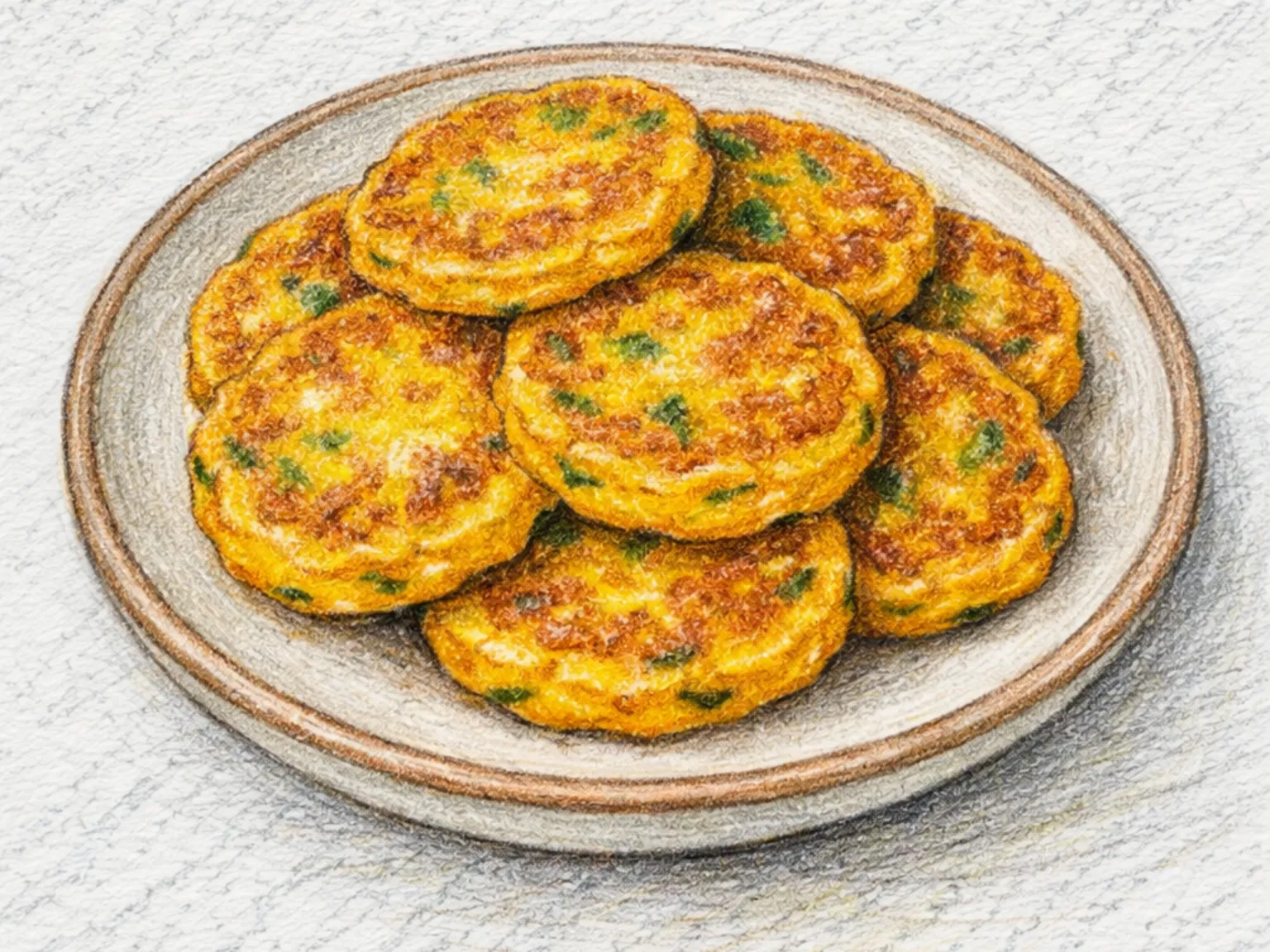
Hobak-jeon is a Korean pan-fried zucchini pancake made by dredging thin slices in flour then coating them in beaten egg before cooking in oil. The technique is the foundational jeon method used across Korean cuisine: a dry flour coat first to help the egg adhere, then the egg layer that fries into a golden, slightly spongy crust. Cutting the zucchini to an even 0.5 cm thickness matters for consistent cooking, and salting the slices briefly then patting them dry ensures the flour sticks uniformly. Low heat is important: a gentle pan allows the egg coating to set gradually and turn evenly golden while the zucchini inside softens and becomes almost creamy. High heat sets the egg too fast and leaves the interior undercooked. Dipped in cho-ganjang, a simple mix of soy sauce and vinegar, the acidity provides contrast to the oiliness of the fried coating. During Chuseok and Seollal, households prepare assorted stacks of jeon for the ritual offering table and subsequent family meal, and hobak-jeon is reliably present among them. With only zucchini, flour, eggs, and salt required, this is one of the most straightforward Korean recipes to attempt.

Prep 10min Cook 10min 2 servings
Recipes by ingredient → zucchini flour egg

Adjust Servings

2servings
servings

Instructions

  1. 1

    Slice zucchini 0.5 cm thick and sprinkle lightly with salt.

  2. 2

    Dredge each slice in flour then dip in beaten egg.

  3. 3

    Pan-fry in oil until golden on both sides.

🛒Shop Ingredients on Amazon

As an Amazon Associate, we may earn from qualifying purchases.

Tips

Briefly salting and patting dry the slices reduces moisture for a crispier result.

Nutrition (per serving)

Calories
120
kcal
Protein
5
g
Carbs
12
g
Fat
6
g

Goes Well With

Korean Cabbage Doenjang Stir-Fry
Stir-fryEasy

Korean Cabbage Doenjang Stir-Fry

Baechu doenjang bokkeum is a Korean home-style side dish where napa cabbage is stir-fried with doenjang (fermented soybean paste) in perilla oil. The cabbage goes into a hot pan first and is tossed until slightly wilted, then the doenjang is added and the heat lowered so the paste spreads evenly and coats every piece. Minced garlic goes in with the cabbage, its sharpness merging into the fermented depth of the doenjang as both cook together. The thicker stem sections go into the pan before the leaves to preserve their crunch, and the leafy parts follow later so they stay tender rather than limp. A final drizzle of perilla oil just before removing the pan from heat reinforces the nutty aroma, finished with a scatter of toasted sesame seeds. The seasoning is minimal, but the salty intensity of the doenjang and the natural sweetness of napa cabbage strike a balance that makes this side dish a reliable staple with steamed rice. No soup or stew is needed alongside it.

🏠 Everyday🍱 Lunchbox
Prep 5minCook 8min2 servings
Korean Boiled Seafood Broth
SoupsEasy

Korean Boiled Seafood Broth

Haemul suyuk-tang is a clear Korean seafood soup where clams, shrimp, and squid are simmered together in lightly seasoned water with garlic and green onion. The defining quality of this dish is its restraint: no gochujang, no doenjang, no complex spice paste, just salt and the natural briny liquor each ingredient contributes to the pot. The clams open first and release their saline juice into the water, establishing the initial salinity of the broth. As the shrimp cook they turn pink and contribute a sweet current beneath the salt. The squid firms and curls into rings, adding a chewy textural counterpoint to the soft clam meat and the tender shrimp. Each of these three seafoods produces a different form of marine umami, and together they layer into a broth that reads as remarkably full despite being completely transparent. There is no competition from fermented paste or chili, so the ocean flavor comes through cleanly and directly. The visual effect of the finished bowl is also appealing: open clam shells scattered through the pot, curved pink shrimp, and white squid rings give the bowl a sense of abundance without heaviness. The soup works well as a light meal alongside rice, and it is the dish to reach for when the goal is to taste the seafood itself without interference from heavier seasonings.

🏠 Everyday
Prep 15minCook 25min3 servings
Korean Perilla-Grilled Mushrooms
GrilledEasy

Korean Perilla-Grilled Mushrooms

Songhwa mushrooms have thick caps with high moisture content, so they stay succulent and chewy when grilled. Sliced into thick pieces and tossed with a simple mix of perilla oil, soy sauce, garlic, salt, and pepper, they cook for about three minutes per side on a hot pan. The perilla oil imparts a distinctly nutty, toasted aroma that differs from sesame. Ground perilla seed is sprinkled on just before the heat is turned off, releasing fragrance without scorching. Finished with chopped chives, this vegetarian dish works equally well as a rice side or a drinking snack.

🍺 Bar Snacks🏠 Everyday
Prep 10minCook 10min2 servings
Korean Steamed Soybean Sprouts
SteamedEasy

Korean Steamed Soybean Sprouts

Kongnamul-jjim is a traditional Korean side dish centered on steamed soy bean sprouts. The preparation involves layering fresh bean sprouts with a mixture of red chili flakes, soy sauce, and finely minced garlic before placing them in a pot. A critical aspect of the cooking process is keeping the lid tightly closed from the beginning until the sprouts are fully cooked. This sealed environment creates a build-up of steam that is essential for maintaining the natural crispness of the sprouts while ensuring that the savory and spicy seasoning permeates each individual strand. The resulting flavor profile features a sharp heat from the red pepper that complements the clean and refreshing qualities of the bean sprouts, resulting in a light and clear finish. To finish the dish, a generous drizzle of sesame oil and a handful of sliced scallions are added to provide a fragrant, toasted aroma and a layer of savory depth. Because the primary ingredients are inexpensive and the entire process from preparation to plating takes less than fifteen minutes, this dish serves as a dependable addition to any meal when the table requires an extra side dish on short notice. For a different aromatic profile, perilla oil can be substituted for sesame oil to introduce an earthy and more herbaceous scent. Individuals seeking a more intense level of spice can add sliced Cheongyang chilies during the cooking stage to elevate the heat.

🥗 Light & Healthy🏠 Everyday
Prep 10minCook 10min2 servings

More Recipes

Korean Eggplant Pancakes (Egg-Battered Pan-Fried Eggplant)
Side dishesEasy

Korean Eggplant Pancakes (Egg-Battered Pan-Fried Eggplant)

Gaji-jeon belongs to the Korean jeon tradition of vegetables dipped in egg wash and pan-fried in oil, a technique integral to ancestral rites and holiday tables. Eggplant is cut into rounds about 7mm thick, thin enough to cook all the way through but thick enough to keep a soft, yielding center. A light dusting of flour before the egg wash is necessary for the batter to adhere and stay intact in the pan. As the egg coating sets into a golden, lacy crust over the heat, the eggplant inside steams in its own moisture until it collapses into a custardy, almost dissolving texture. The appeal of this jeon lies entirely in the contrast between the crisp, faintly eggy exterior and the creamy interior that gives way with almost no resistance. Dipping each piece in a simple soy and vinegar sauce cuts through the richness of the egg crust and highlights the eggplant's subtle sweetness. Korean families commonly fry gaji-jeon alongside hobak-jeon and other vegetable jeon for Chuseok. It can be fried the day before and held at room temperature without the flavor deteriorating significantly.

🏠 Everyday🍱 Lunchbox
Prep 12minCook 10min2 servings
Korean Lotus Root Pancakes
Side dishesMedium

Korean Lotus Root Pancakes

Lotus root is sliced into rounds and coated in a light batter of buchim flour and egg before being pan-fried until golden on both sides. The root's characteristic perforations show through the thin batter, creating a lace-like appearance on each piece that makes this jeon visually distinctive. Biting through the crisp exterior reveals the lotus root's dual texture: an initial crunch from the starchy flesh followed by a slightly sticky chew that clings pleasantly to the teeth. Slicing to a thickness of five to six millimeters strikes the right balance between maintaining the crunch and ensuring the center cooks through. The egg-enriched batter adheres evenly to the root's smooth surface and sets immediately upon contact with hot oil, sealing in moisture. Minimal salt in the batter allows the lotus root's faint natural sweetness to emerge, and a dipping sauce of soy sauce and vinegar provides the acidity needed to cut through the fried exterior's richness. Commonly served during Korean holidays, this jeon is simple enough for everyday cooking as well.

🏠 Everyday🍱 Lunchbox
Prep 15minCook 12min4 servings
Korean Zucchini Namul (Sesame-Dressed Bibimbap Topping)
Side dishesEasy

Korean Zucchini Namul (Sesame-Dressed Bibimbap Topping)

Hobak namul is julienned zucchini stir-fried with sesame oil and garlic, a foundational Korean side dish that appears as one of the five-color toppings essential to bibimbap. Though it resembles hobak-bokkeum at a glance, the difference comes down to how the vegetable is cut: namul requires thin julienne strips rather than half-moons, which allows the strands to nestle between rice grains when the bowl is mixed rather than sitting on top in clumps. Salting the raw zucchini and squeezing out moisture thoroughly is the most important step in the process; any water left behind causes the vegetable to release steam in the pan and turn soggy, and will make the rice in a bibimbap bowl gummy. Seasoning is intentionally minimal, relying on salt and sesame oil alone, with garlic gently cooked first to build an aromatic base without burning. Three minutes over medium heat is all the cooking time needed, and the finished strands hold their shape without releasing additional liquid even after they cool, which makes this namul a reliable choice for packed lunches where texture must survive time away from the stove. Because it is stir-fried rather than dressed raw, it also stays dry at room temperature, making it a common fixture on ceremonial tables set for ancestral rites or holiday meals. The light green color of the cooked zucchini provides visual contrast on a plate.

🏠 Everyday🍱 Lunchbox
Prep 10minCook 10min4 servings
Korean Green Onion Salad (Doenjang-Dressed Grilled Meat Side)
Side dishesEasy

Korean Green Onion Salad (Doenjang-Dressed Grilled Meat Side)

Jjokpa-muchim dresses thin, tender Korean chives in doenjang and gochujang, functioning as a supporting banchan that almost invariably accompanies grilled samgyeopsal or pan-roasted fish. Jjokpa is milder and naturally sweeter than regular green onion, which is what makes it suitable for eating raw: the gentle sharpness cuts through the fat of grilled pork without overwhelming the palate. The fermented, earthy depth of doenjang and the spicy kick of gochujang layer over the chive's natural pungency, building complex flavor from three uncomplicated ingredients. The essential rule is to dress the chives immediately before serving, because the salt in both pastes begins drawing moisture from the jjokpa within minutes, collapsing the crisp snap that defines the dish. Cut to four-centimeter lengths and gently tumbled in the sauce, the preparation takes under five minutes. Spring jjokpa is the most tender and sweet of the year, making it the best season to make this banchan. A few drops of sesame oil folded in at the end add a toasty fragrance, and a pinch of minced garlic sharpens the overall aroma. Perilla oil can substitute for sesame oil and delivers a deeper, more distinctive nuttiness.

🏠 Everyday🍱 Lunchbox
Prep 10min2 servings
Korean Kimchi Pancake
GrilledEasy

Korean Kimchi Pancake

Kimchi-jeon is a Korean savory pancake made by chopping well-fermented kimchi into small pieces, mixing it into a batter of pancake flour, kimchi brine, and chili flakes, then frying the batter in oil until both sides turn golden and crisp. Using kimchi brine instead of plain water is the central technique: the lactic acid from fermentation adds a tangy depth to the flour base that water simply cannot provide. The batter consistency varies with how wet the kimchi is, so the target is a texture that runs slowly rather than puddles, which usually requires less liquid than might seem necessary. Neutral cooking oil or perilla oil suits the flavor profile better than olive oil, preserving the characteristic savory aroma of Korean pan-fried foods. Four minutes on the first side over medium-high heat followed by three minutes after flipping produces a crust that is genuinely crisp at the surface while the inside stays moist from the kimchi's own liquid. Pressing lightly with a spatula before flipping helps confirm that the underside has set firmly enough to hold its shape. A pancake that is too thin burns before it develops flavor, and one that is too thick leaves the interior underdone. Kimchi-jeon is at its best immediately off the pan, but a brief return to a dry skillet restores most of the crispness when reheating leftovers.

🍺 Bar Snacks
Prep 10minCook 12min2 servings
Korean Sweet Potato Pancakes
GrilledEasy

Korean Sweet Potato Pancakes

Goguma-jeon is a Korean sweet potato pancake made by julienning peeled sweet potatoes, folding them into a batter of pancake mix, water, salt, and a touch of sugar, then spreading the mixture thin in an oiled pan and frying both sides until golden. The sweet potato's starch gelatinizes in the heat and bonds with the batter to create lacy, crisp edges, while the center retains the tuber's natural moist sweetness. Keeping the pancake thin is non-negotiable-pressing the batter flat with the back of a spoon ensures even cooking and maximum crunch, because thick portions steam internally and turn soggy. Adding a teaspoon of sugar to the batter amplifies the sweet potato's subtle sweetness and encourages faster caramelization at the edges.

🍺 Bar Snacks🧒 Kid-Friendly
Prep 15minCook 12min2 servings
More Side dishes →