Walnut Cakes (Korean Bite-Sized Red Bean Walnut Pastries)
Quick answer
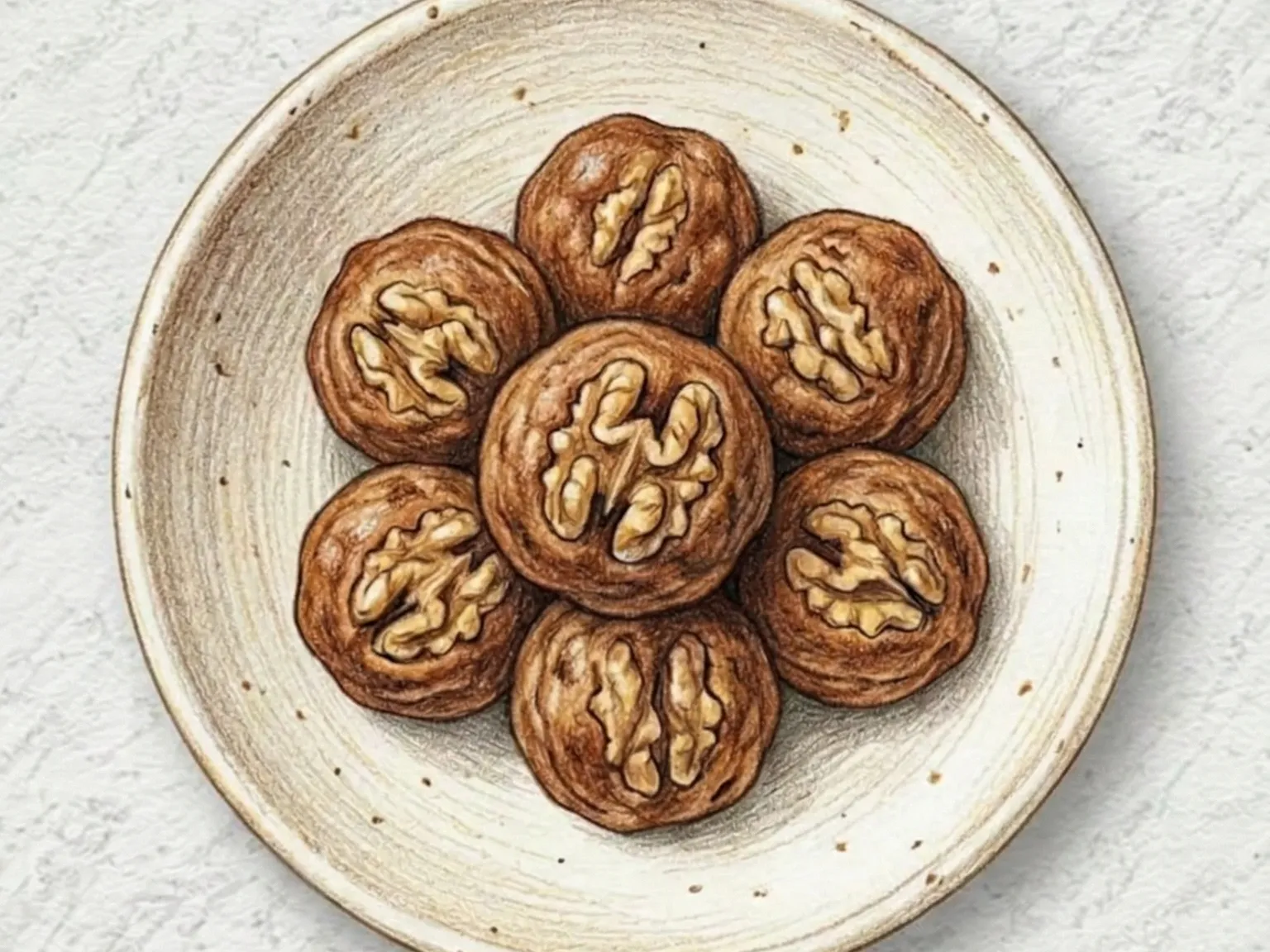
Hodu-gwaja are bite-sized Korean walnut cakes baked in a dedicated walnut-shaped cast iron mold, made from a batter of cake flour, baking powder, eggs, milk, and melted butter.
What makes this special
- Hodu-gwaja walnut cakes feature pre-toasted nuts and sweet red bean paste inside a light batter shell.
- Walnuts pre-toasted at 160°C for 5 minutes to fully develop nut aroma
- 10-minute batter rest relaxes gluten for fewer bubbles and a smoother surface
Key ingredients
Core cooking flow
- 1 Melt and cool 30g unsalted butter, and toast 16 walnut halves in a 160C oven...
- 2 Sift 180g cake flour and 5g baking powder together to combine evenly and aerate the mixture.
- 3 Combine 2 eggs and 35g sugar in a bowl and mix until the sugar dissolves, th...
Hodu-gwaja are bite-sized Korean walnut cakes baked in a dedicated walnut-shaped cast iron mold, made from a batter of cake flour, baking powder, eggs, milk, and melted butter. Each cavity is half-filled with batter, then topped with sweet red bean paste and a toasted walnut half, sealed with a second pour of batter, and cooked over medium-low heat for six to eight minutes per side. The result is a thin, lightly browned shell encasing a moist, soft interior. Toasting the walnut halves at 160 degrees Celsius for five minutes beforehand makes a noticeable difference: the finished cakes carry a deeper, more fragrant nut aroma compared to those made with untoasted walnuts. Resting the batter for ten minutes before using it relaxes the gluten, which reduces air pockets during pouring and produces a smoother exterior surface. The cake originated as a regional specialty of Cheonan in South Chungcheong Province and has since become one of the most recognized snacks sold at highway rest stops and traditional markets across the country.
Instructions
Read the steps as a cooking flow: prep, heat, seasoning, doneness control, and finish.
- 1Season
Melt and cool 30g unsalted butter, and toast 16 walnut halves in a 160C oven for 5 minutes until fragrant, then cool completely.
- 2Prep
Sift 180g cake flour and 5g baking powder together to combine evenly and aerate the mixture.
- 3Season
Combine 2 eggs and 35g sugar in a bowl and mix until the sugar dissolves, then add 160ml milk and the melted butter and stir until uniform.
- 4Prep
Add the sifted flour mixture and fold just until no dry flour remains, then rest the batter for 10 minutes to let the gluten relax.
- 5Control
Preheat the walnut cake mold over medium heat for 1 minute, fill each cavity halfway with batter, place one portion of the divided 180g red bean paste and one toasted walnut half, then cover with more batter.
- 6Control
Cook over medium-low heat, flipping regularly, for 6 to 8 minutes total until both sides are golden brown, then remove and cool for 1 minute before serving.
After the steps
Pick a recipe that fits this dish.
Continue with shared ingredients, meal pairings, or a similar method.
Recipes That Go Well With This
More Desserts →Based on shared ingredients and meal pairing
Red Bean Baked Doughnuts (Oven-Baked Doughnuts with Bean Paste)
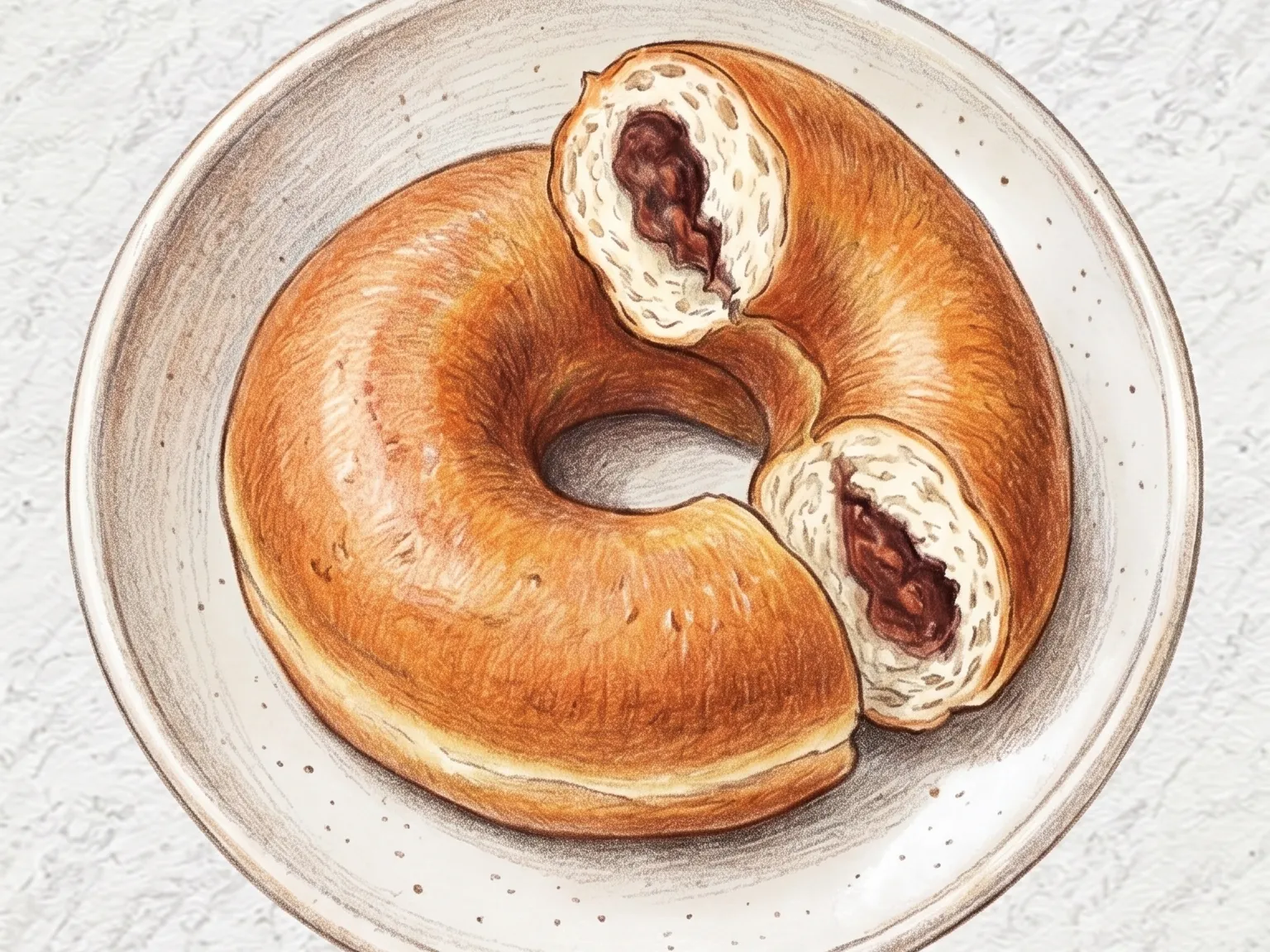
These baked doughnuts encase a core of sweetened red bean paste inside a soft, cake-like crumb, delivering the satisfaction of a filled doughnut without any frying. The batter is spooned halfway into a greased doughnut mould, a teaspoon of chilled red bean paste is placed on top, and more batter seals it in before baking. The result is a ring with a fluffy exterior and a hidden pocket of dense, earthy-sweet filling that reveals itself on the first bite. Because the recipe relies on cake flour and baking powder rather than yeast, the entire process from mixing to cooling takes under forty minutes. Minimal stirring is essential - overworking the batter activates too much gluten and turns the finished doughnut tough instead of tender. Keeping the bean paste cold before assembly prevents it from melting into the surrounding batter and losing its distinct layer. The absence of oil gives these doughnuts a remarkably clean finish, making them well suited as a light afternoon snack.
Red Bean Pastry (Korean Gyeongju Soft Bun with Anko)
Gyeongju-ppang is a baked Korean pastry made from a yeast-leavened dough enriched with milk and butter, wrapped generously around a core of sweet red bean paste. The dough is rolled thin, formed around the filling with the seam placed down, and baked at 180 degrees Celsius until the top domes up smooth and the surface takes on a pale golden color. Because the filling-to-dough ratio is deliberately high, the dominant flavor in each bite is the dense, sweet red bean, with the thin enriched shell contributing a quiet dairy aroma. The pastry traces its lineage to hwangnam-ppang, originating in the Hwangnam district of Gyeongju, and has become one of the city's defining food souvenirs. It stays moist after cooling, which makes it practical both as a packaged gift and as an everyday snack eaten at room temperature.
Chewy Potato Bread
This recipe creates potato-shaped bread rolls filled with a sweet and savory mashed potato filling enclosed in a chewy dough. The filling is made by mashing hot boiled potatoes with sugar, salt, and mayonnaise. For the dough, tapioca starch and glutinous rice flour are kneaded with egg, melted butter, and corn syrup, which ensures the bread retains its signature chewy texture even after cooling. Each portion of dough is flattened to wrap the potato filling, then shaped by hand to mimic the irregular form of a real potato. Rolling the shaped dough in roasted soybean powder or black sesame powder replicates the color and texture of dirty potato skin. Indentations are poked with a chopstick to resemble potato eyes before baking at 170 degrees Celsius for twenty minutes. The result is a crisp exterior with a moist filling.
Mugwort Red Bean Muffin (Korean Herbal Sweet Bean Muffin)
This muffin combines mugwort powder and cooked sweet red beans in a soft, fluffy batter that bridges Korean traditional flavors with Western baking technique. Mugwort contributes a distinctive herbal fragrance - faintly bitter, grassy, and deeply aromatic - that permeates the entire crumb and gives it a muted green hue. The red beans, folded in whole, add pockets of grainy sweetness that burst with each bite. Cake flour and baking powder keep the rise gentle and the texture light, while melted butter adds moisture without heaviness. The combination of mugwort and red bean is deeply familiar from Korean rice cakes, but baking it as a muffin introduces a crisp top and a pillowy interior that the steamed rice cake format cannot offer. Mixing the batter in no more than ten to twelve strokes prevents toughness - visible streaks of flour are acceptable and even preferred over a smooth, overworked batter. The beans should be folded in last with a gentle spatula motion to preserve their shape. These muffins pair naturally with grain-based lattes, where the roasted notes in the drink echo the earthy quality of the mugwort.
Serve with this
Korean Kkul Tarae Honey Threads
Kkul tarae is a traditional Korean confection made by boiling rice syrup, corn syrup, and sugar to between 115 and 125 degrees Celsius, cooling the candy ring, then repeatedly stretching and folding it with dustings of glutinous rice flour until thousands of hair-thin strands form. The finished thread bundle is filled with roasted peanut, almond, and black sesame powders mixed together, rolled up, and cut into bite-sized pieces. Temperature control during candy cooking is critical: below 115 degrees the syrup stays too pliable to hold shape, above 125 it hardens before you can work it. Each stretch-and-fold cycle doubles the strand count and makes the bundle progressively lighter and more cloud-like, so the final texture in the mouth is a slow, silky dissolve rather than a chew. High humidity causes the delicate strands to stick to one another, making rapid work in a dry environment essential. Near Gyeongbokgung Palace and other tourist areas in Seoul, vendors often demonstrate the stretching process live as part of the sale.
Dongdongju (Korean Unfiltered Fermented Rice Wine)
Dongdongju is a traditional Korean unfiltered rice wine made by steaming short-grain and sweet rice together, then fermenting the cooked grain with nuruk starter and a small amount of dry yeast for seven days. Unlike makgeolli, it passes through a coarse sieve only once, leaving rice grains floating on the surface -- a trait that gives the drink its name and provides a distinctly chewy grain texture with each sip. Stirring the mash twice daily ensures the nuruk breaks down the starches evenly throughout fermentation, and keeping the temperature low after day three prevents the batch from over-fermenting. A pinch of salt added at the finish tempers residual sweetness without flattening the fermented grain character. Home-brewed dongdongju tends to carry a more pronounced rice fragrance and a heavier body than commercial makgeolli, and its flavor shifts noticeably day by day as fermentation continues.
Buffalo Wings
Buffalo wings coat chicken wings in baking powder and roast them at high heat for forty-five minutes, producing a crisp skin without deep-frying. The baking powder raises the skin's pH to accelerate the Maillard reaction and drives out moisture faster, yielding a crunch that rivals the fryer. Straight from the oven, the wings are tossed in a sauce of melted butter and hot sauce - the butter tempers the vinegar-based heat into something that coats the tongue rather than burning it, and a touch of white vinegar at the end sharpens the finish. Blue cheese dipping sauce and celery sticks served alongside provide a cooling, creamy contrast and a crisp palate cleanser between bites.
Similar recipes
Mocha Red Bean Crumble Cake
Cocoa powder and instant coffee are folded into the batter together, producing a deep mocha character where the bitterness of coffee amplifies the chocolate's intensity rather than competing with it. Sweetened red bean paste - left in small, discernible pieces - is scattered through the crumb, providing pockets of earthy sweetness that interrupt the mocha richness with each bite. A buttery crumble topping bakes to a golden, crunchy cap that contrasts sharply with the moist cake below. The balance of red bean to batter matters: too much and the cake becomes dense and stodgy, too little and the Korean accent disappears. Resting the cake overnight allows the coffee and red bean flavors to meld into a more unified profile, making the second-day slice arguably better than the first.
Korean Chrysanthemum Bean Cakes
Gukhwa-ppang is a Korean winter street pastry baked in a chrysanthemum flower-shaped cast-iron mold, filled with sweet red bean paste at the center. The batter of flour, baking powder, sugar, milk, egg, and melted butter is stirred together with minimal mixing to keep gluten development low, then poured to fill only one-third of the mold before a spoonful of bean paste is placed in the middle and covered with more batter, ensuring the filling sits centered in the finished pastry. Cooking over medium-low heat for three to four minutes on each side produces a golden crust with sharply defined flower-petal ridges pressed into the surface, while the bean paste inside stays soft and flows when the pastry is broken apart. It is often grouped with bungeoppang as a sibling street food, but the dough ratio is heavier and the shell is noticeably thicker, giving it a stronger bread-forward flavor and a slightly smaller proportion of filling to outer crust. The pastry is best eaten immediately after cooking, while the exterior is still crisp and the paste still hot. In recent years vendors have begun filling gukhwa-ppang with cream, chocolate, and sweet potato paste as alternatives to the traditional red bean filling.
Pan-Fried Sweet Rice Cake
Bukkumi is a traditional Korean pan-fried rice cake made from glutinous rice flour dough filled with sweet red bean paste seasoned with cinnamon and sugar. Using hot water to form the dough partially gelatinizes the starch, creating a pliable skin that stretches without cracking - though the dough must stay covered with a damp cloth throughout assembly to prevent the surface from drying out. Folding the dough into half-moon shapes seals in a cinnamon-laced bean paste filling that lifts the dense sweetness of the red bean with a warm spice note. Pan-frying on low heat builds a golden crust on each side while keeping the filling warm and molten at the center. A light drizzle of honey or a pinch of sugar right after frying adds a final layer of sweetness.