Korean Sweet Pancake (Chewy Yeast Dough with Brown Sugar Cinnamon Filling)
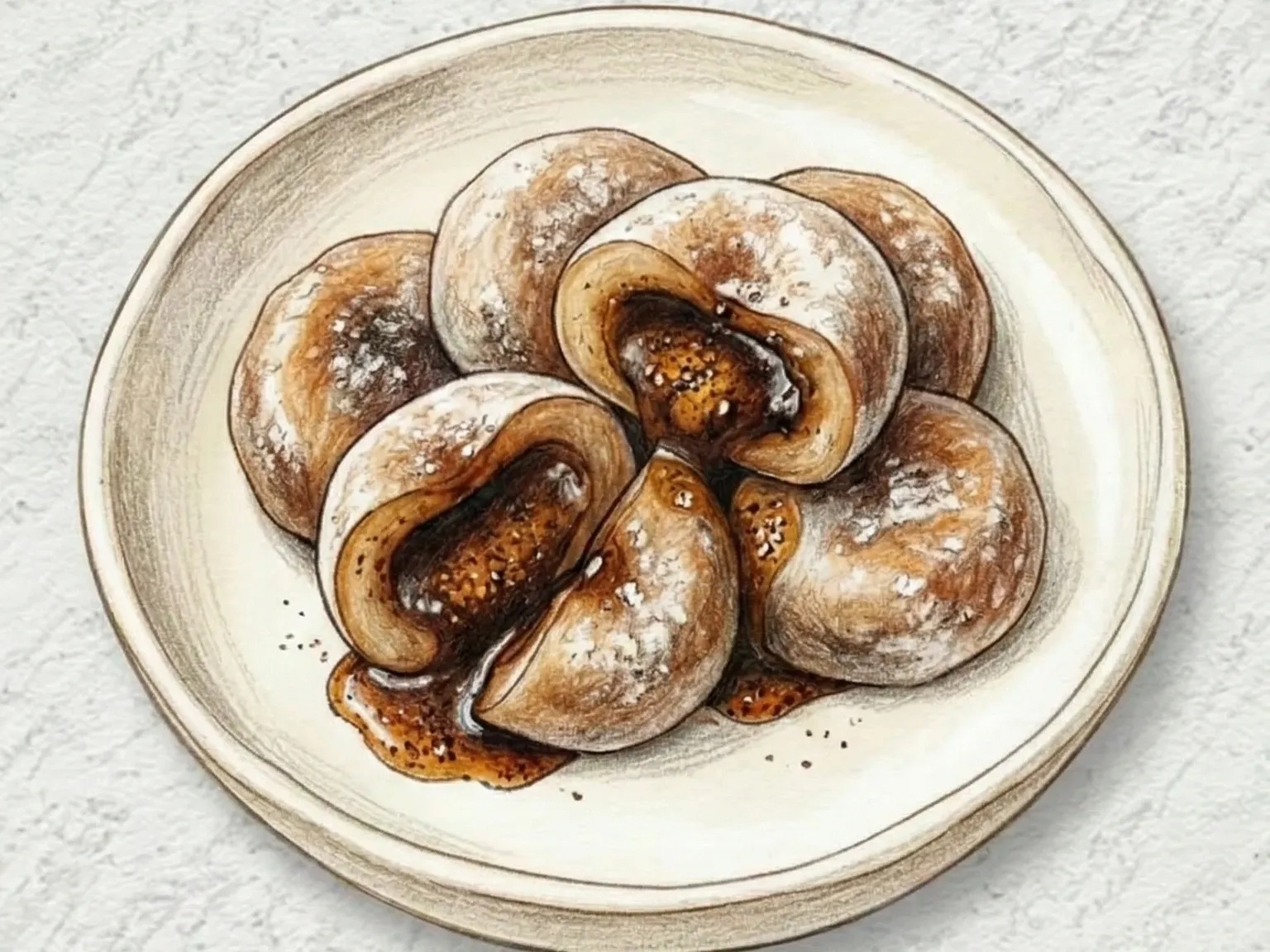
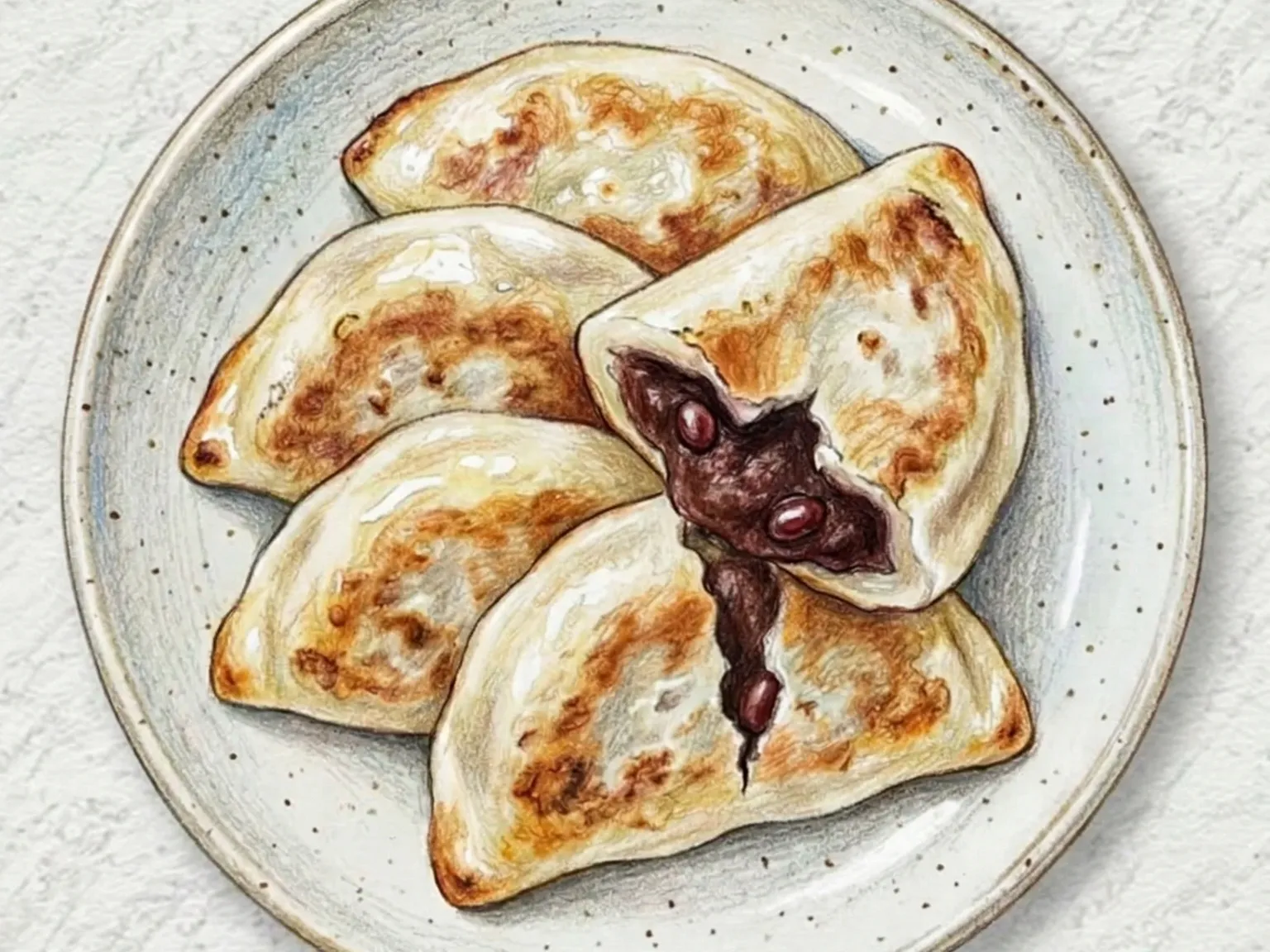
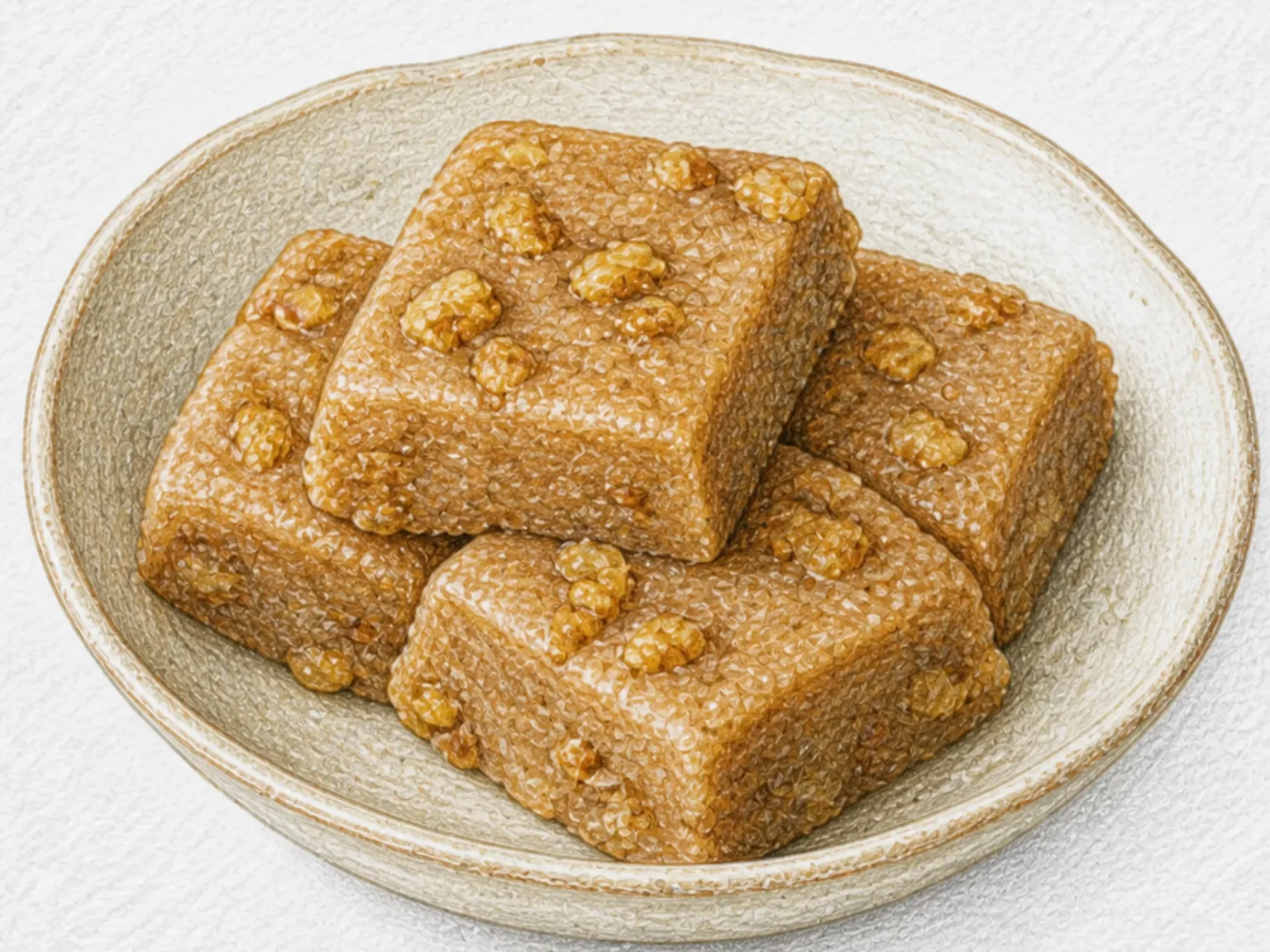
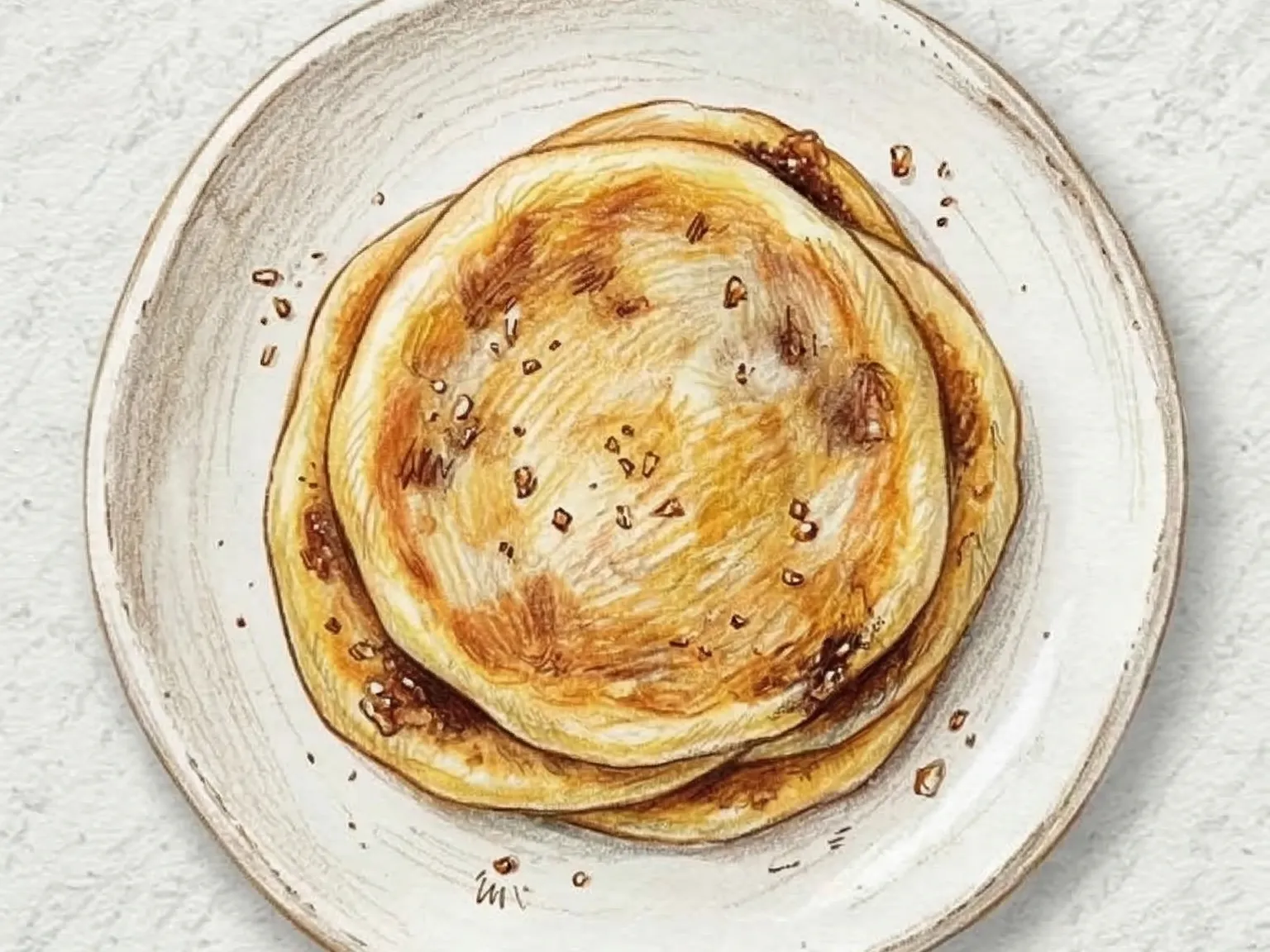
Hotteok is a pan-fried Korean pancake made from yeast-risen dough of wheat flour blended with glutinous rice flour, stuffed with a filling of brown sugar, cinnamon, and chopped peanuts. The glutinous rice flour gives the dough a distinctly chewy bite compared to plain wheat, and the brown sugar filling melts into hot syrup during cooking. Pressing the ball flat with a spatula caramelizes the surface to a golden crust while the cinnamon-scented liquid pools inside. A common variation called ssiat hotteok adds sunflower seeds and other mixed seeds to the filling.
Adjust Servings
Instructions
- 1
Mix flour, glutinous rice flour, yeast, sugar, salt, and warm water to form dough.
- 2
Cover dough and let rise in a warm place for 40 minutes.
- 3
Mix brown sugar, cinnamon, and chopped peanuts for the filling.
- 4
Divide dough into 8 pieces, stuff with filling, and shape into balls.
- 5
Oil a pan and cook hotteok on medium-low heat.
- 6
Press flat with a spatula and cook both sides until golden brown.
As an Amazon Associate, we may earn from qualifying purchases.
Tips
Nutrition (per serving)
Variations
Honey Hotteok
Pan-fried Korean sweet pancakes filled with honey and brown sugar. The filling melts into a hot, sweet syrup that flows out with each bite.
More Recipes

Ssiat Hotteok (Korean Sweet Seed Pancake)
Korea's favorite street snack with crispy dough and a molten brown sugar filling loaded with sunflower and pumpkin seeds, cinnamon warmth in every bite. The dough is proofed until doubled in size, divided into eight portions, filled, and sealed tightly by pinching the seams shut to prevent the molten sugar from leaking during cooking. Frying slowly on low heat develops a thin, crisp crust on the outside while the brown sugar inside melts into a sticky syrup that carries the warmth of the cinnamon and the crunch of the seeds. Using warm milk to activate the yeast lends the dough a subtle dairy richness that distinguishes it from versions made with water alone.

Korean Roasted Sweet Potato
Gun-goguma is a Korean roasted sweet potato, baked whole with skin on at 200 degrees Celsius for 35 to 40 minutes until the sugars caramelize inside. Slow roasting converts the potato's starch into maltose, concentrating sweetness and creating a sticky, honey-like layer just beneath the skin. Using Korean pumpkin sweet potatoes (hobak-goguma) yields a moister, sweeter result, and resting the potatoes at room temperature for a day or two before baking can further boost sugar content. The potato is sweet enough on its own, though butter, honey, or cinnamon can add another layer of flavor.

Korean Chocolate Custard Bungeoppang
Choco-custard bungeoppang is a dessert variation of Korean fish-shaped bread, made with cocoa powder in the batter and filled with chocolate custard cream. The cocoa gives the shell a deeper brown color than the traditional version and releases a bitter chocolate aroma as it bakes. The warm custard filling flows out like cream when bitten into, delivering a rich chocolate sweetness. The mold must be fully preheated for a crisp shell, and the filling is portioned sparingly in the center to prevent leaking from the seams.

Fish-shaped Red Bean Pastry
Pat bungeoppang is a Korean fish-shaped pastry filled with sweet red bean paste, baked in a cast-iron mold from a batter of cake flour, baking powder, milk, egg, and melted butter. Resting the batter for ten minutes relaxes the gluten so it rises into an even, fluffy crumb, and fully preheating the mold ensures the fish-scale pattern stamps sharply onto the surface. Placing the red bean paste in a long, centered strip guarantees filling in every cross-section; off-center placement leaves hollow, bread-only bites that throw off the balance. Cooking two to three minutes per side produces a crisp, golden shell that gives way to a soft interior with hot bean paste running through the middle.

Korean Roasted Chestnuts
Gunbam is Korean roasted chestnuts, prepared by scoring an X on each shell and roasting at 210 degrees Celsius for 20 to 25 minutes until the shells split open. During roasting, the chestnut's starch converts to sugar, producing a gently sweet and nutty flavor with a crumbly, floury texture when eaten warm. Soaking in salted water beforehand cleans the chestnuts and adds a subtle seasoning, and wrapping the freshly roasted batch in a dry towel for five minutes loosens the inner skin through residual steam. A light toss in butter and sugar while still hot adds a glossy sheen and extra sweetness.

Korean Honey Bread Balls (Fried Yeast Dough Balls Glazed with Honey and Peanut)
Yeast-leavened flour dough is shaped into small balls, deep-fried at 170 degrees Celsius, then brushed with warm honey and rolled in chopped peanuts. The fermentation gives the interior a soft, bread-like crumb, while the exterior fries into a thin, firm shell rather than a fluffy batter coating. Substituting rice syrup for honey tones down the sweetness and pushes the flavor closer to the traditional Korean confection.