Charim

2686 Korean & World Recipes

2686+ Korean recipes, clean and organized. Ingredients to instructions, all at a glance.

Braised Dried Pollock (Hwangtae-po Jorim)

Braised Dried Pollock (Hwangtae-po Jorim)

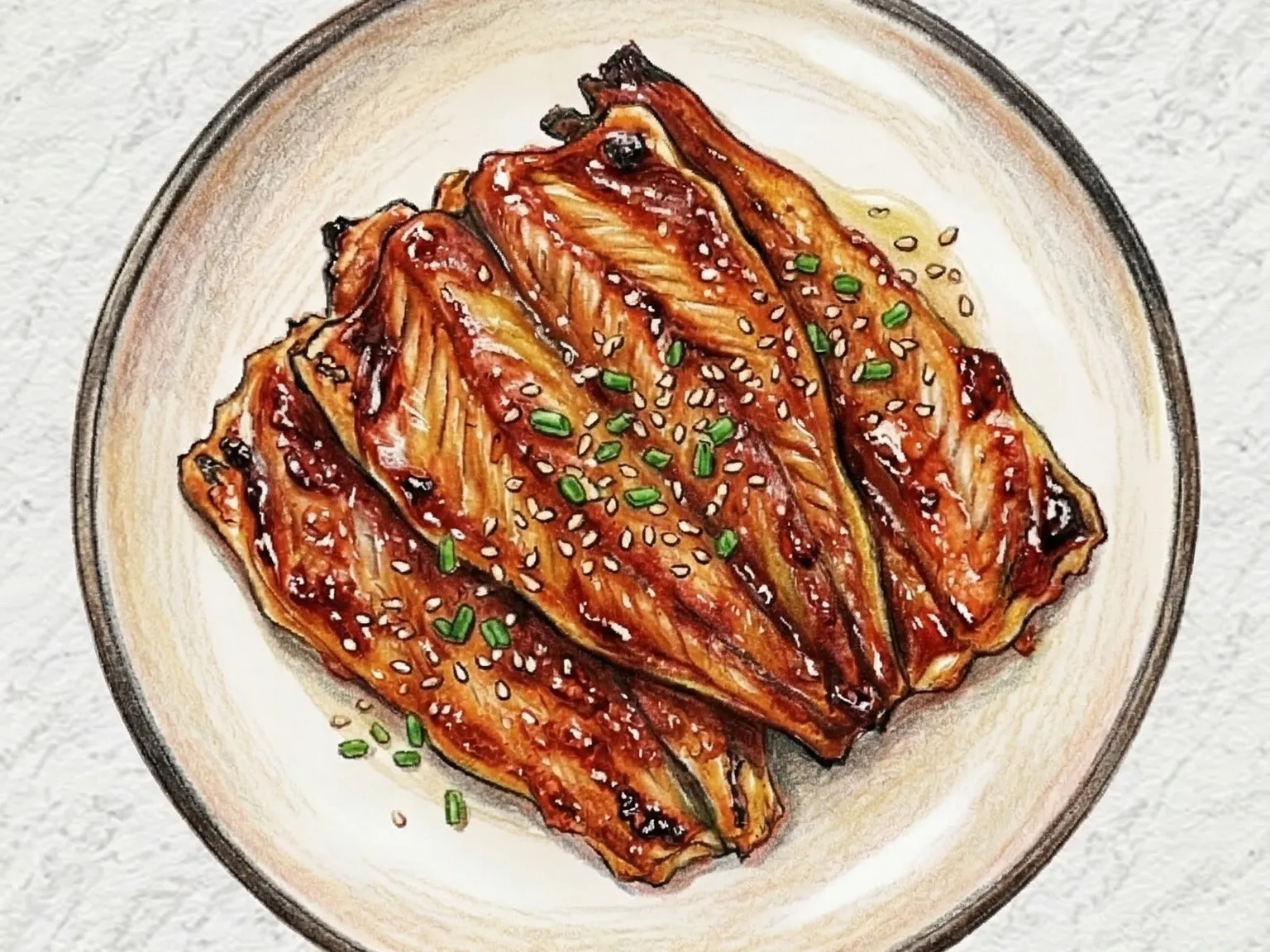
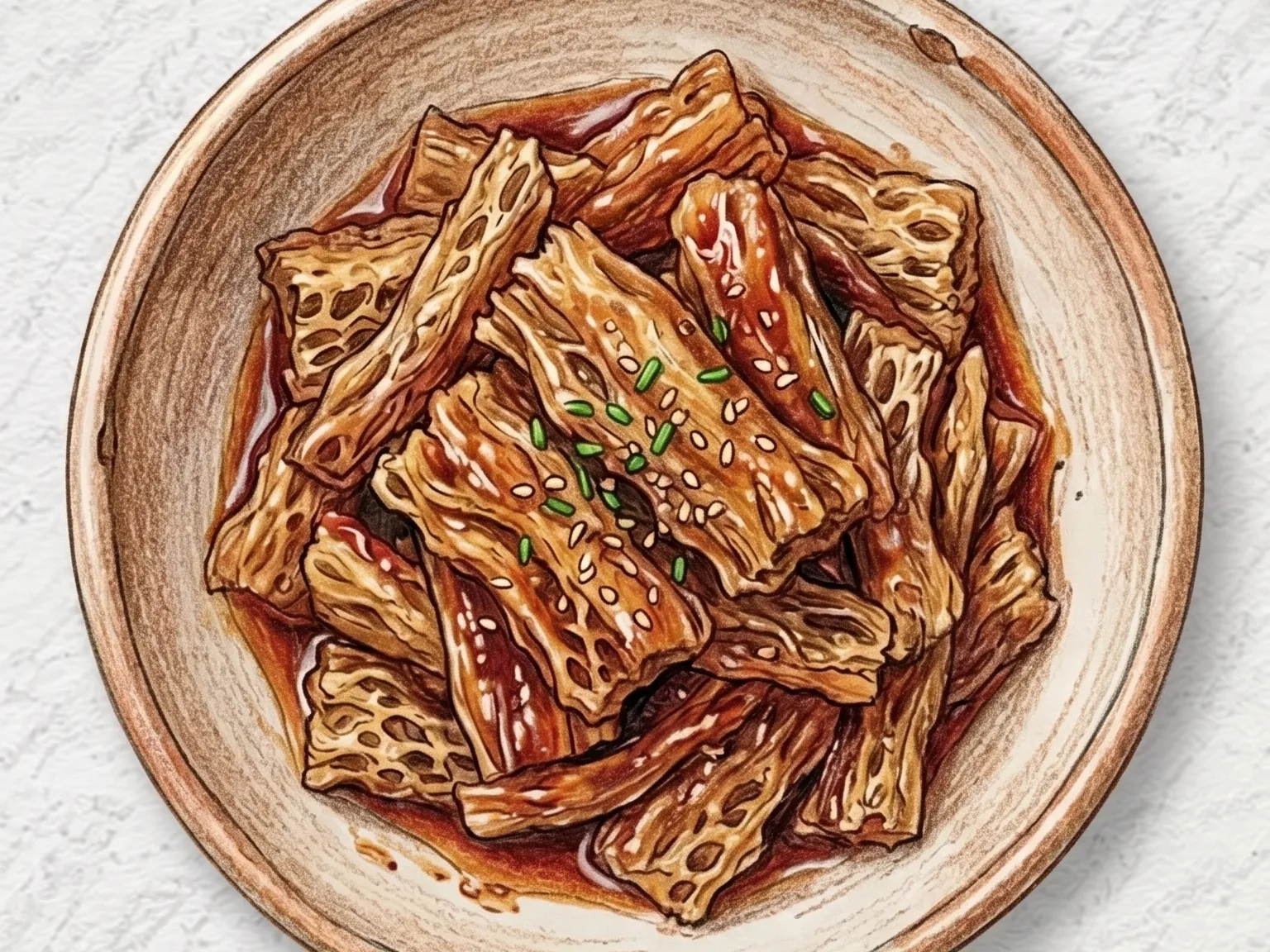
Chewy, glossy pollock strips coated in a sweet-spicy gochujang-soy glaze - the ultimate Korean meal-prep side dish that keeps for over a week. Hwangtae is made by hanging whole pollock on outdoor racks in the Gangwon-do mountains, where repeated freezing and thawing through winter creates a sponge-like texture that soaks up every drop of sauce. Rehydrating for no more than three minutes preserves the signature chew; soaking longer turns it mushy. The oligosaccharide syrup reduces into a glossy coat, and sesame oil must be added off heat to retain its fragrance.

Prep 10min Cook 12min 4 servings

Adjust Servings

2servings
servings

Instructions

  1. 1

    Cut pollack strips and lightly mist with water; rest for 3 minutes.

  2. 2

    Mix soy sauce, gochujang, syrup, cooking wine, garlic, and water for sauce.

  3. 3

    Heat the sauce in a pan over medium heat until it starts bubbling.

  4. 4

    Add pollack strips and stir quickly while braising for 3-4 minutes.

  5. 5

    When the sauce coats the strips, add sesame oil and seeds, then turn off heat.

  6. 6

    Cool fully, then store in an airtight container and serve as banchan.

🛒Shop Ingredients on Amazon

As an Amazon Associate, we may earn from qualifying purchases.

Tips

Do not soak too long; just lightly moisten to keep a chewy texture.
Add sesame oil off heat for a cleaner aroma.

Nutrition (per serving)

Calories
165
kcal
Protein
17
g
Carbs
11
g
Fat
4
g

More Recipes

Korean Braised Semi-Dried Pollock
Side dishesMedium

Korean Braised Semi-Dried Pollock

Kodari-jorim braises semi-dried pollock with radish in a gochujang-soy glaze, occupying a middle ground between fresh fish stew and fully dried fish preparations. Kodari is whole pollock gutted and hung in pairs along the East Sea coast, air-dried for two to three weeks - halted before full dehydration so the flesh retains enough moisture to stay supple after cooking, unlike the spongy texture of fully dried hwangtae. Layering radish on the bottom of the pot serves a structural purpose: it prevents the fish from sitting directly on the heat source and scorching. A sauce of soy, gochujang, gochugaru, sugar, and garlic is poured over and brought to a boil, then reduced to medium heat for about thirty minutes, spooning the liquid over the fish periodically. Overnight refrigeration lets the seasoning penetrate evenly and deepens the flavor. The leftover sauce is potent enough to repurpose as a bibimbap dressing.

🏠 Everyday🍱 Lunchbox
Prep 25minCook 35min4 servings
Korean Soy-Braised Fish Cake
Side dishesEasy

Korean Soy-Braised Fish Cake

Eomuk-jorim - soy-braised fish cake - is among the most reliable banchan in the Korean refrigerator, keeping for up to a week while improving in flavor each day as the soy glaze penetrates deeper. Korean eomuk is a pressed fish paste distinct from Japanese kamaboko, with a chewier, denser bite. The fish cake is cut into triangles or rectangles and simmered in a mixture of soy sauce, rice syrup, garlic, and water. As the liquid reduces by half over ten minutes, the remaining sauce thickens into a sticky, sweet-salty glaze clinging to each piece. Adding a sliced cheongyang chili near the end introduces a subtle heat that lifts the otherwise one-dimensional sweetness. This banchan has been a fixture of Korean school cafeterias, packed lunches, and corner-store side dishes for decades - a workhorse side dish that costs almost nothing to prepare.

🏠 Everyday🍱 Lunchbox
Prep 8minCook 12min4 servings
Korean Busan-Style Soy Fish Cake Stir-Fry
Side dishesEasy

Korean Busan-Style Soy Fish Cake Stir-Fry

Busan - Korea's largest port city - is synonymous with eomuk, pressed fish cake sold at Gukje-sijang market. This version stir-fries sliced fish cake with onion and cheongyang chili in soy sauce, sugar, and cooking wine. Onion cooks first to release its sugars before the fish cake absorbs the glaze. Cheongyang chili adds sharp, lingering heat distinguishing this from milder Seoul versions. Cools well and holds up for hours in lunchboxes.

🏠 Everyday🍱 Lunchbox
Prep 10minCook 12min4 servings
Korean Sweet Spicy Pollock Floss Stir-fry
Side dishesEasy

Korean Sweet Spicy Pollock Floss Stir-fry

Myeongyeopchae-bokkeum stir-fries finely shredded dried pollock floss in gochujang and oligosaccharide syrup until each strand is moist and evenly coated. Myeongyeopchae is thinner and softer than hwangtaechae (dried pollock strips), arriving in a cotton-like clump that must be gently loosened by hand before cooking. A thirty-second dry toast in the pan removes residual moisture and releases a toasted fish aroma, then gochujang, gochugaru, syrup, soy sauce, and garlic go in over low heat for a quick coating. The fine fibers absorb the sauce rapidly, turning pliant and moist - but cooking beyond two minutes toughens them, so speed is essential. The finished banchan sits in a middle ground between the chewier hwangtaechae-muchim and the more intensely flavored jinmichae-bokkeum, offering a gentler dried-fish experience. Its mild sweet-spicy flavor is approachable enough for children, and the dry-ish finish means the seasoning stays put in a lunchbox without bleeding into adjacent banchan.

🏠 Everyday🧒 Kid-Friendly
Prep 5minCook 7min4 servings
Korean Soy-Braised Black Beans
SteamedMedium

Korean Soy-Braised Black Beans

Kongjaban is a traditional Korean side dish of black soybeans slowly braised in soy sauce, sugar, and corn syrup over low heat. The beans gradually absorb the seasoning, developing a glossy black sheen on the outside while the inside turns chewy with a concentrated nuttiness. Soy sauce and sugar create a sweet-salty balance that makes this banchan quietly addictive, and a final touch of sesame oil adds aroma. Stored in the refrigerator, kongjaban keeps for over two weeks, which is why it remains one of the most commonly prepared staple side dishes in Korean households.

🏠 Everyday🎉 Special Occasion
Prep 480minCook 35min4 servings
Korean Gochujang Fish Cake Stir-fry
Stir-fryEasy

Korean Gochujang Fish Cake Stir-fry

Gochujang eomuk bokkeum stir-fries chewy fish cake sheets in a punchy sauce of gochujang, soy sauce, oligosaccharide syrup, and minced garlic. Blanching the fish cakes briefly beforehand removes excess grease, producing a cleaner-tasting dish where the spicy-sweet glaze clings evenly to each piece. Onion lends natural sweetness, while diagonally sliced green onion adds a fresh finishing aroma. Sesame oil and sesame seeds round out the flavors with a nutty layer. It is one of Korea's most popular everyday banchan, reliable enough for both daily meals and lunchbox packing.

🏠 Everyday🍱 Lunchbox
Prep 12minCook 10min2 servings
More Side dishes →