Korean Roasted Brown Rice Tea
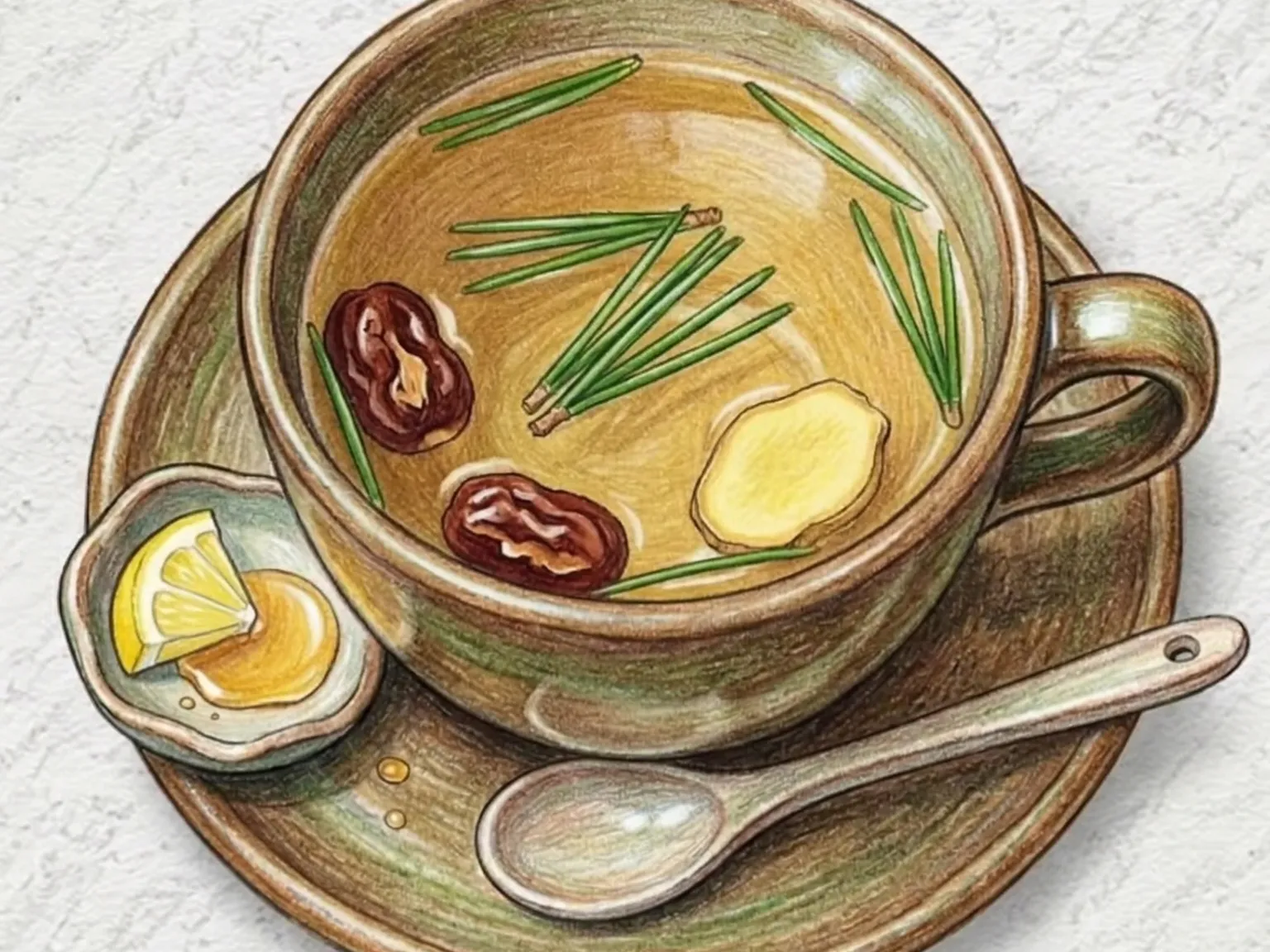
Hyeonmi-cha is made by dry-roasting brown rice over medium heat until the grains turn golden and undergo the Maillard reaction, which intensifies their toasty, nutty aroma. The roasted rice is then steeped in water for about twenty minutes, yielding a clear amber liquid with a clean grain flavor. A slice of ginger and a few jujubes added during steeping contribute warm spice and gentle sweetness that layer over the base roasted note. Honey and a pinch of salt sharpen the overall flavor, and the tea is naturally caffeine-free, making it suitable for drinking at any hour.
Adjust Servings
Instructions
- 1
Dry-roast unwashed brown rice over low heat for about 8 minutes until nutty.
- 2
Add water, roasted rice, sliced ginger, and jujubes to a pot.
- 3
Bring to a boil, then simmer on low heat for 12 minutes.
- 4
Strain the tea to remove solids.
- 5
Stir in honey and a tiny pinch of salt to round out flavor.
- 6
Serve warm or chill and serve over ice.
As an Amazon Associate, we may earn from qualifying purchases.
Tips
Nutrition (per serving)
More Recipes

Korean Roasted Buckwheat Tea
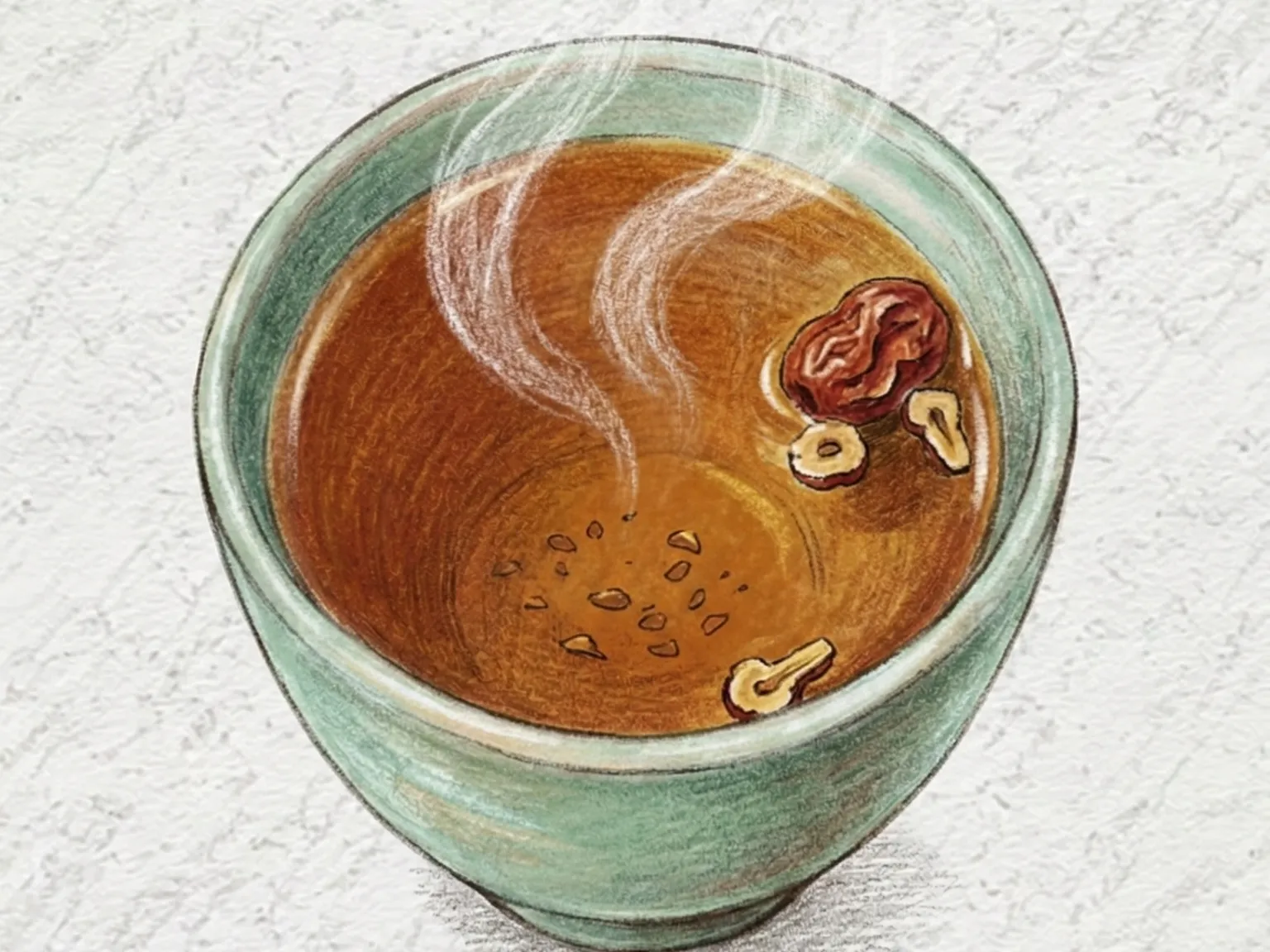
Memil-cha is a Korean roasted buckwheat tea brewed by simmering toasted buckwheat groats in water on low heat for about ten minutes. The roasting brings out a deep, toasty grain aroma that fills each cup with earthy warmth. Jujube and a thin strip of lemon peel contribute gentle sweetness and a faint citrus lift during the steep. Being naturally caffeine-free, it works equally well served hot in winter or chilled over ice in summer.

Korean Roasted Barley Tea
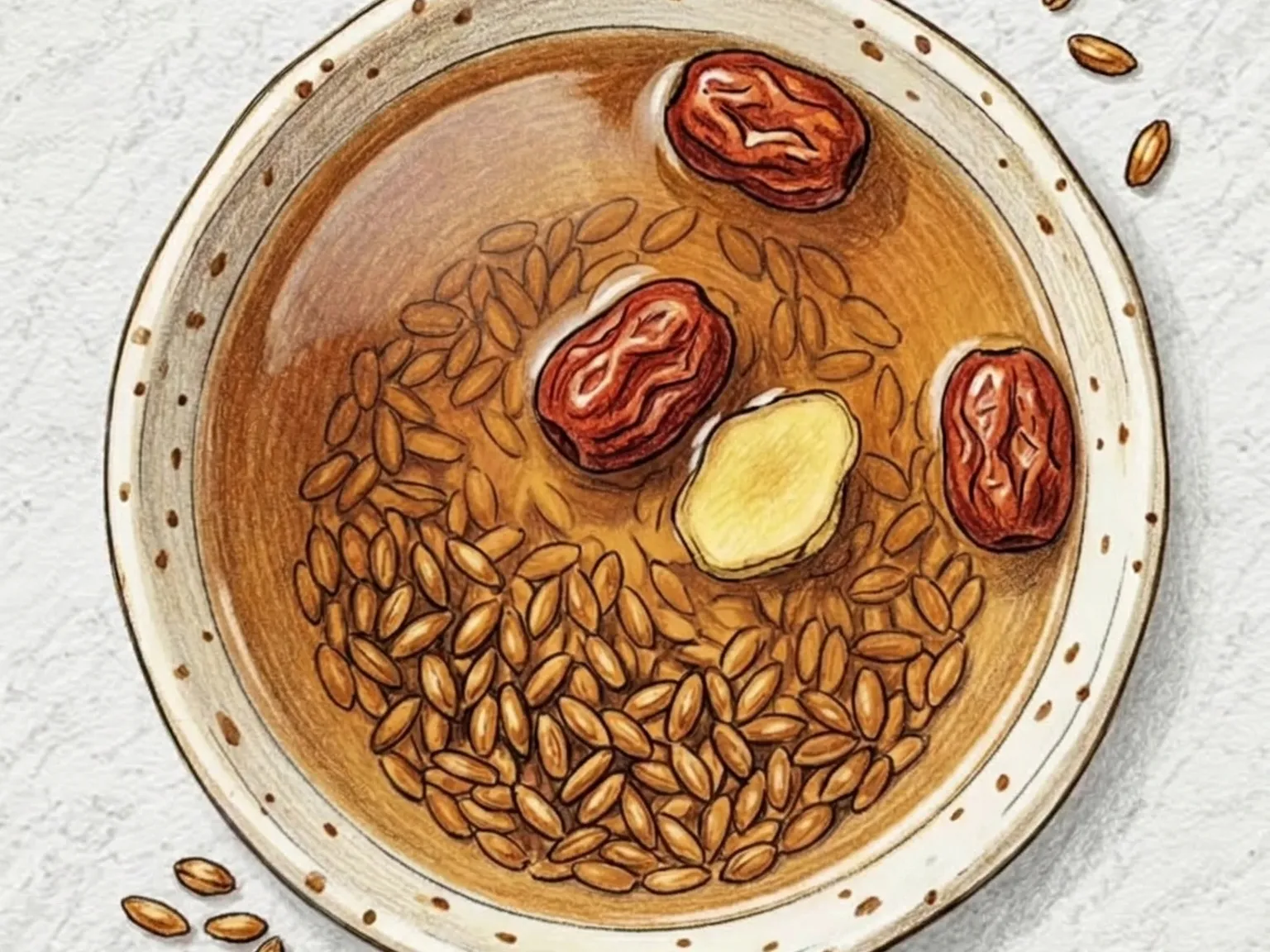
Korea's everyday caffeine-free staple with a toasty, nutty flavor that tastes great hot or iced, made in one pot in twenty minutes. Roasted barley simmers with corn silk and halved jujubes over medium-low heat for fifteen minutes, then steeps for an additional five minutes off the heat. The roasted barley provides the dominant toasty, grain-forward flavor, while corn silk lends a gentle natural sweetness and jujubes add a faint fruity undertone. A pinch of salt rounds out the taste, and the tea works equally well served warm or chilled over ice as a caffeine-free daily beverage.

Korean Chrysanthemum Tea (Floral Jujube Goji Berry Brew)
Gukhwa-cha is a traditional Korean flower tea brewed from dried chrysanthemum buds steeped in water at 80 to 85 degrees Celsius for three to four minutes, which draws out the gentle floral fragrance without turning bitter. Jujubes and goji berries are added to the pot: the jujubes contribute a mild natural sweetness while the goji berries bring a faintly tart, herbal note that rounds out the chrysanthemum's aroma. A spoonful of honey and a squeeze of lemon juice are stirred in at the end to brighten the finish. The resulting tea is pale golden, lightly sweet, and carries a lingering floral scent that makes it a common after-meal drink in Korea.

Korean Roasted Cassia Seed Tea
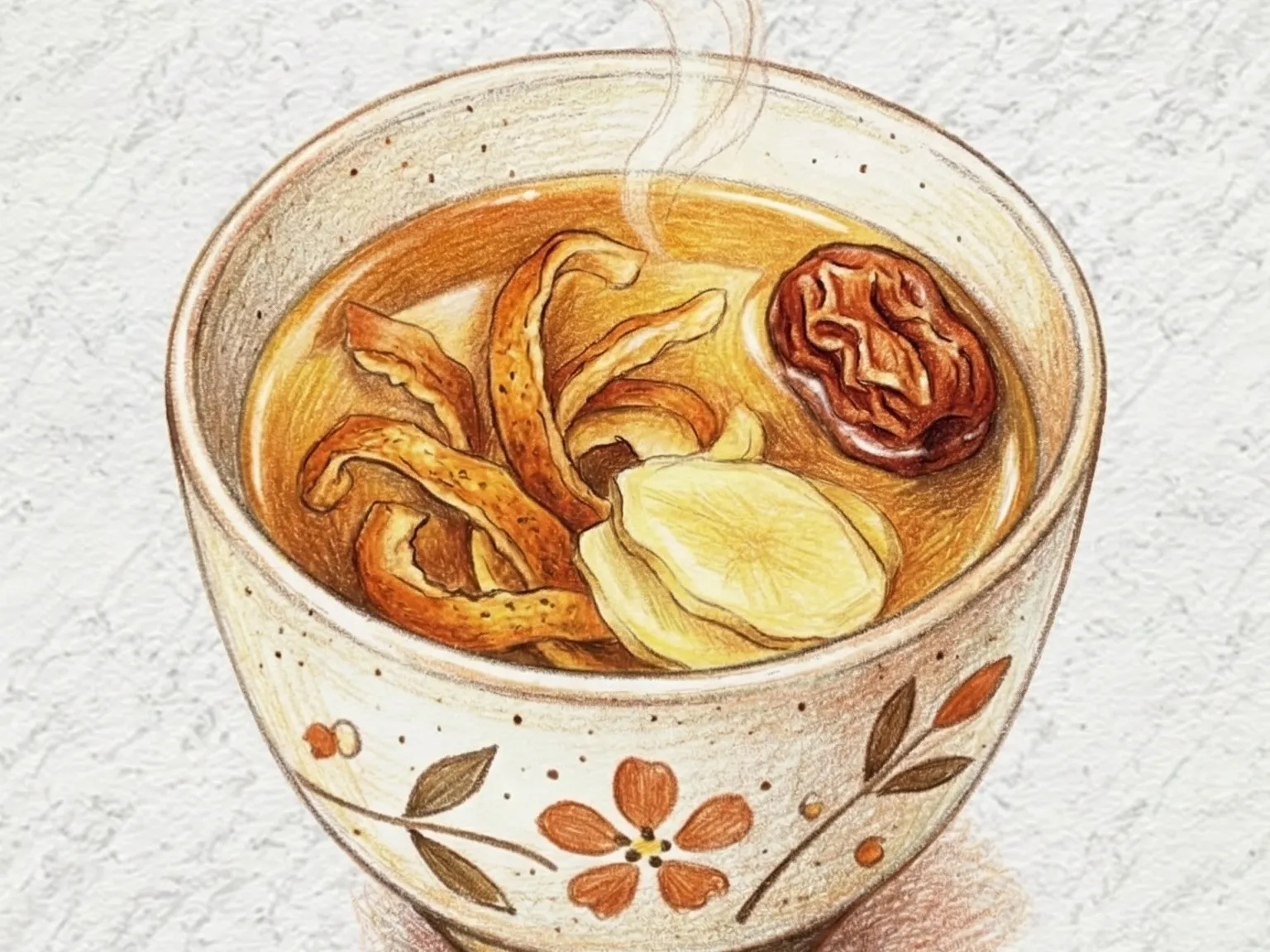
Gyeolmyeongja-cha is brewed from cassia seeds that are first dry-roasted over medium heat until they turn a deep amber and release a toasty, nutty fragrance. The roasted seeds are then simmered in water for about twenty minutes, producing a rich brown liquor with a robust grain-like flavor. Sliced ginger is added during simmering for a warming, peppery layer, and jujubes mellow the overall taste with subtle fruit sweetness. Honey adjusts the sweetness to preference, and thin lemon slices floated on top add a clean citrus finish that balances the earthy depth.

Korean Tomato Egg Fried Rice
Eggs are scrambled first and set aside, then tomatoes are stir-fried in the same pan until their juices burst and coat the wok. Day-old or freshly cooked rice goes in next, tossed at high heat so the grains absorb the tomato's sweet-tart moisture while staying individually distinct. The scrambled egg is folded back in at the end, distributing soft, fluffy curds throughout the fried rice. Rooted in the Chinese classic of tomato and egg, this version turns those familiar flavors into a satisfying one-bowl fried rice.

Black Rice Black Sesame Muffins
Black rice black sesame muffins layer two of Korean baking's most distinctive flavors into a single pastry. Black rice flour and cake flour form the dry base, with roasted black sesame seeds adding concentrated nuttiness and tiny bursts of crunch throughout the crumb. Plain yogurt and milk provide moisture and a faint tang that balances the sweetness, while grapeseed oil keeps the fat content light. During baking, the heat coaxes out the oils in the sesame seeds, intensifying their roasted aroma. The finished muffin is a deep purple-gray with a moist interior that stays soft. The flavor is layered: the earthy depth of black rice arrives first, followed by the bold sesame finish.