Korean Grilled Atka Mackerel
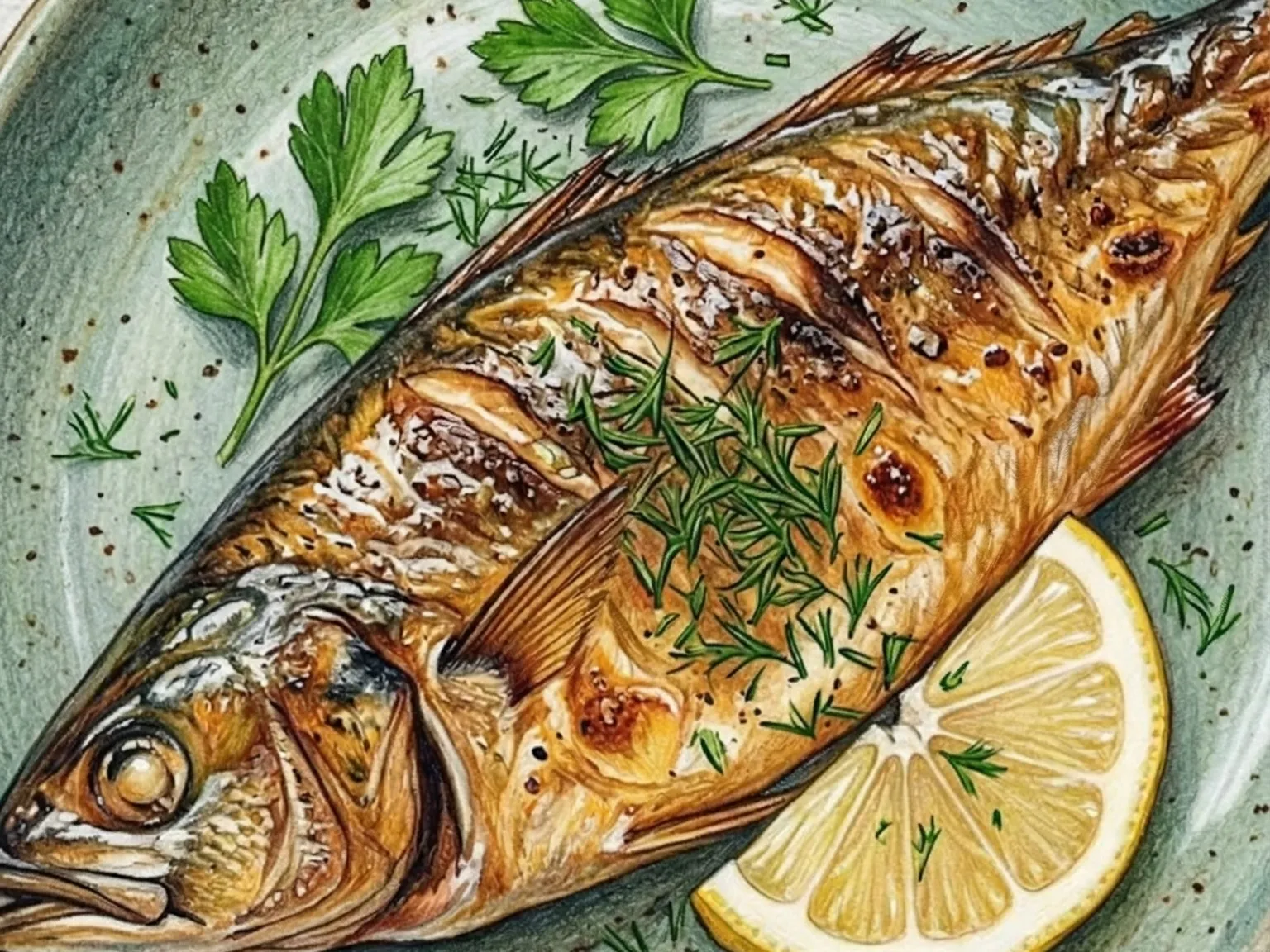
Atka mackerel is seasoned with salt and pepper, wiped with diluted vinegar to tame fishiness, then pan-grilled until golden on both sides. The naturally high fat content renders during cooking, basting the flesh from within and producing a rich flavor without any added sauce. Thicker portions benefit from a brief lid-covered steam, and lemon wedges on the side provide a bright contrast.
Adjust Servings
Instructions
- 1
Wipe fish with diluted vinegar to reduce odor.
- 2
Season with salt and pepper and rest 10 minutes.
- 3
Preheat a pan with oil over medium heat.
- 4
Grill each side for 5–6 minutes.
- 5
Serve hot with lemon wedges.
As an Amazon Associate, we may earn from qualifying purchases.
Tips
Nutrition (per serving)
More Recipes

Korean Grilled Pacific Saury
Kkongchi-gui is a Korean salt-grilled Pacific saury that relies on the fish's abundant natural oil for flavor. Saury, an oily blue-backed fish at its peak in autumn, renders its own fat when grilled, creating a crisp, golden skin without additional oil. Gutting the fish and salting it for ten minutes draws out surface moisture and tames any strong fishy scent before it hits the pan. Each side cooks for four to five minutes over medium-high heat until the skin blisters and the flesh near the spine turns opaque. Grated daikon mixed with a splash of soy sauce and a wedge of lemon served alongside cut through the richness cleanly.

Korean Grilled Mackerel (Crispy Skin Salt-Grilled Blue Fish)
Godeungeo-gui is Korea's quintessential grilled mackerel, prepared by salting the fish for ten minutes to draw out moisture and reduce fishiness, patting the surface completely dry, then pan-frying or grilling. Cooking skin-side down first for five to six minutes renders the abundant subcutaneous fat and crisps the skin into a crackling shell, while flipping and cooking the flesh side for four to five more minutes keeps the interior moist and flaky. Mackerel's high omega-3 fat content transforms under heat into a deeply savory, naturally rich flavor that needs no marinade or seasoning beyond salt. A side of freshly grated daikon radish mixed with soy sauce provides a sharp, peppery contrast that cleanses the palate between bites of the oily fish.

Korean Spicy Marinated Mackerel Grill
Godeungeo yangnyeom-gui is a Korean spicy marinated mackerel where fish pieces are coated in a paste of gochujang, soy sauce, sugar, garlic, ginger juice, and sesame oil, rested for thirty minutes, then grilled over medium heat with careful turning. The mackerel's own fat melts during cooking and accelerates the caramelization of the marinade, forming a glossy, deep-red crust on the skin. Ginger juice plays a dual role-it neutralizes the fish's raw smell and introduces a subtle freshness beneath the fermented kick of the gochujang. Because the high fat content causes flare-ups easily, maintaining steady medium heat and turning patiently is essential to achieve a charred glaze without burning.

Korean Salted Mackerel Grill
Gan-godeungeo-gui is grilled pre-salted mackerel, one of the most common side dishes on a Korean home table. The mackerel comes already salt-cured from the market, so it needs no additional seasoning and goes straight onto the heat-the salt has drawn out moisture and firmed the flesh, making it easier to handle and less likely to crumble than fresh mackerel. Starting skin-side down over medium heat for seven minutes renders the fat and turns the skin paper-crisp, then flipping for just four more minutes cooks the flesh through without overdrying. A wedge of lemon and a pile of shredded daikon served alongside add brightness and a palate-cleansing sharpness to the oily fish.

Korean Braised Mackerel in Spicy Sauce
Godeungeo-jorim is one of the most frequently cooked fish banchan in Korean homes, pairing mackerel's assertive flavor with a spicy braising sauce that demands steamed rice. Mackerel is cut into steaks and salted for ten minutes to draw out fishy odors, then arranged over thick radish slices that line the pot bottom. The radish serves dual duty: preventing the fish from sticking and releasing its natural sweetness into the braising liquid. A sauce of gochugaru, gochujang, soy sauce, garlic, ginger, and sugar is spooned over and the pot simmers covered for twenty minutes, during which the seasoning penetrates the flesh while the radish absorbs enough sauce to rival the fish itself. Green onion added in the final minutes lifts the heavy spice with a fresh sharpness.

Korean Grilled Dried Pollack
Hwangtae-po-gui is a grilled dried pollack snack prepared by brushing seasoning paste onto semi-dried hwangtae fillets and cooking them over medium-low heat. Hwangtae is pollack that has been freeze-dried repeatedly through winter cycles, a process that puffs up the flesh and gives it a softer grain and chewier texture than ordinary dried fish. A paste of gochujang, soy sauce, and oligosaccharide syrup is spread on both sides and grilled slowly so the sugars caramelize into a glossy, sticky coating. Minced garlic, sesame oil, and sesame seeds add roasted richness, and each torn piece delivers alternating salty and sweet notes.