Glutinous Rice Cake with Soybean Powder
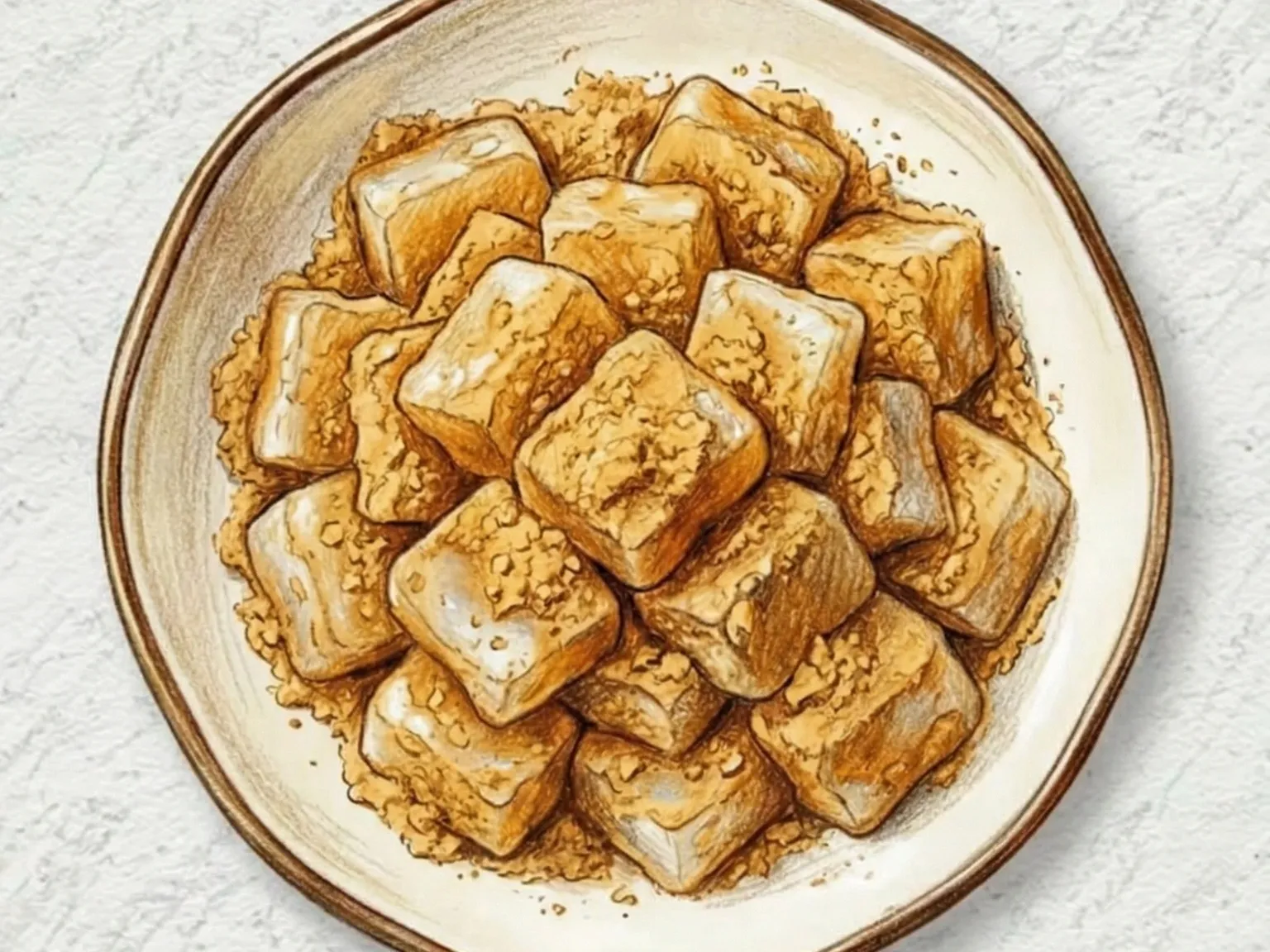
Injeolmi is a Korean glutinous rice cake made by kneading rice flour dough with hot water, steaming it for fifteen minutes, then pounding or beating it vigorously for at least five minutes to develop maximum elasticity. The pounding step is critical: insufficient working produces a weak dough that cracks, while thorough pounding yields the signature stretchy, chewy pull. The finished dough is stretched out, cut into bite-sized pieces, and rolled in a mixture of roasted soybean powder and sugar, which coats each piece in a fragrant, toasted-bean aroma. Applying a thin layer of sesame oil to hands and knife prevents sticking during cutting, and the soybean powder coating is best applied right before serving to keep it dry and powdery.
Adjust Servings
Instructions
- 1
Mix rice flour and salt, then add hot water gradually to form a dough.
- 2
Spread dough in a steamer and steam for 15 minutes over high steam.
- 3
Pound or beat the steamed dough for at least 5 minutes until stretchy.
- 4
Mix soybean powder with sugar and spread evenly on a tray.
- 5
Stretch the dough, cut into bite-size pieces, and coat with soybean powder.
- 6
Lightly oil your knife and hands with sesame oil to prevent sticking.
As an Amazon Associate, we may earn from qualifying purchases.
Tips
Nutrition (per serving)
More Recipes

Glutinous Rice Cake Balls
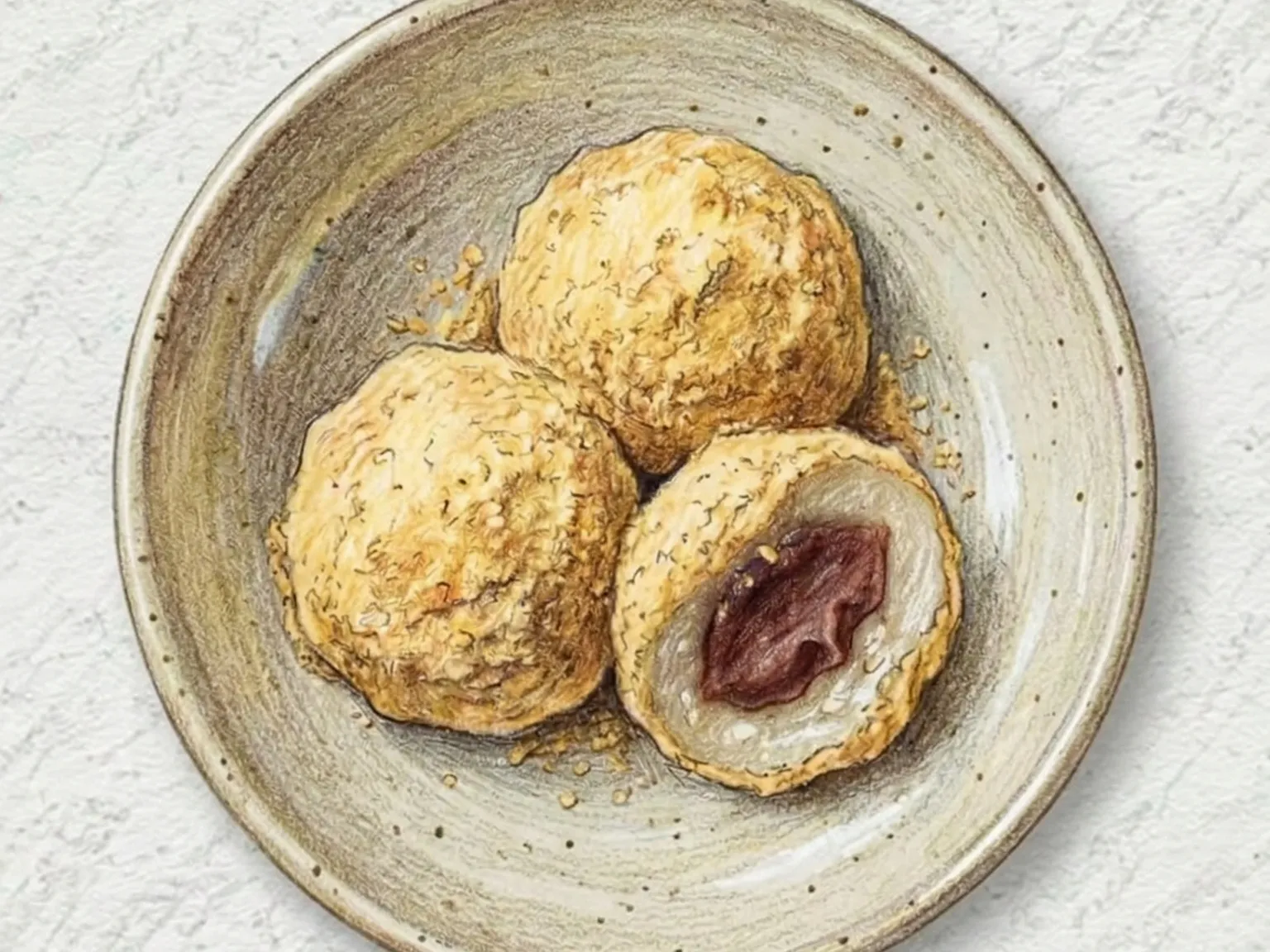
Chapssal-danja are Korean glutinous rice cake balls filled with sweet red bean paste, boiled until they float, and rolled in a mixture of roasted soybean powder and sugar. The dough is flattened, wrapped around the filling, and sealed tightly into a sphere so the paste stays contained during boiling, with an extra minute of cooking after the balls surface to ensure the center is fully set. A very thin brush of honey applied immediately after draining acts as an adhesive for the soybean powder coating and adds a delicate floral sweetness to the exterior. Sifting the soybean powder before rolling produces a fine, even layer that gives each ball a powdery, melt-on-the-tongue finish over the chewy rice cake underneath.

Honey-Filled Rice Cakes (Steamed Glutinous Rice with Brown Sugar Syrup)
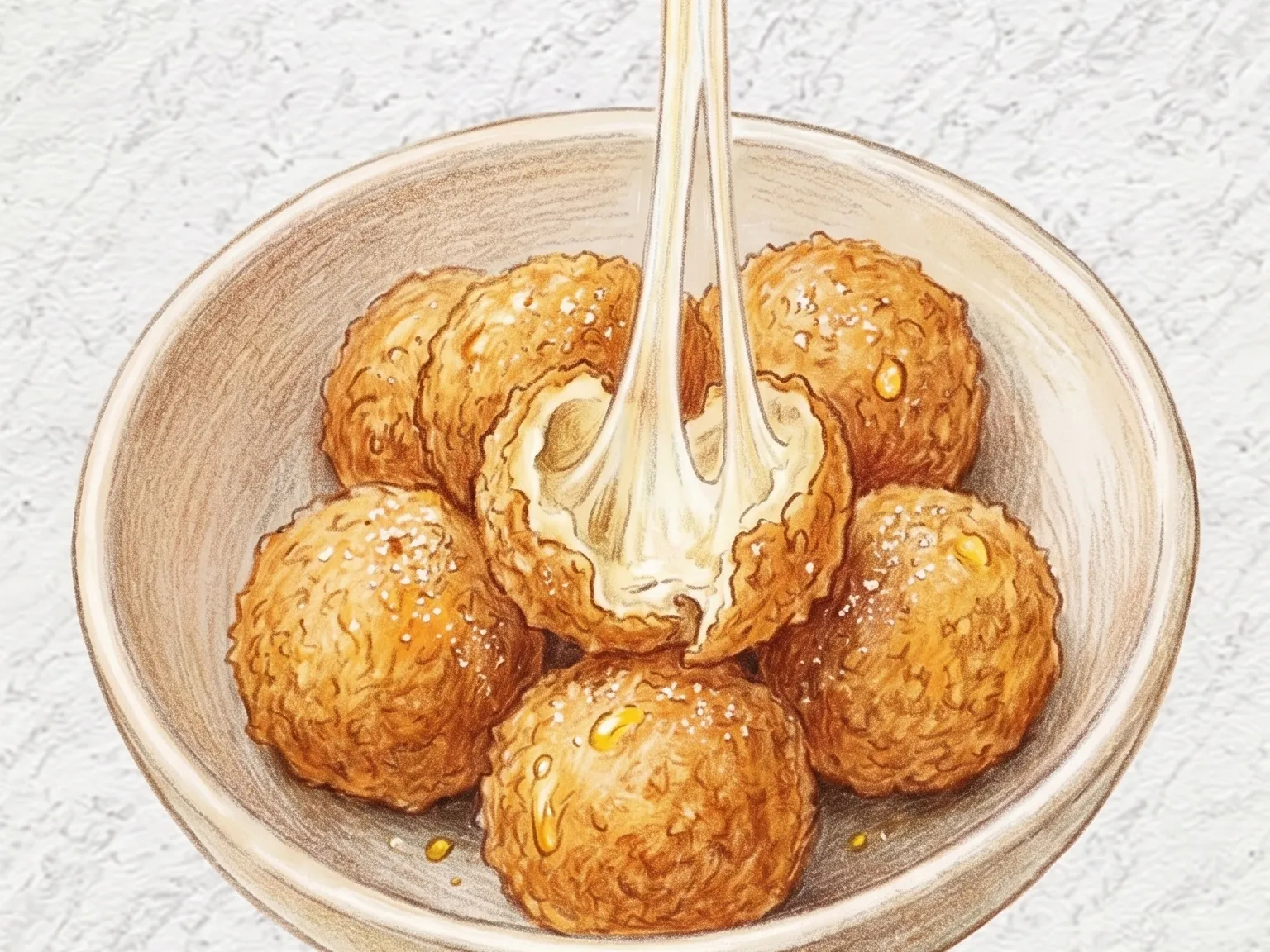
Kkultteok are bite-sized Korean rice cakes made by kneading glutinous rice flour with hot water, wrapping each 20-gram portion around a filling of dark brown sugar, ground cinnamon, and chopped walnuts, then steaming for eight to ten minutes. After steaming, a light brush of sesame oil gives the surface a sheen and prevents the pieces from sticking, and a final coating of roasted soybean powder adds a powdery, nutty layer. Biting through the chewy shell releases a pool of melted brown sugar syrup laced with cinnamon warmth, while the walnut fragments provide a contrasting crunch. The most critical step is pinching the dough seam tightly closed so the liquid filling does not leak out during steaming.

Steamed White Rice Cake (Soft Crumbly Korean Traditional Rice Dessert)
Baekseolgi is a traditional Korean steamed rice cake made from non-glutinous rice flour mixed with sugar and salt, then sifted and steamed. The sifting step, repeated two to three times, determines the final texture: thorough sifting incorporates air into the flour so the cake steams into a soft, crumbly structure that breaks apart in fine layers. Skipping or rushing this step produces a dense, coarse cake that lacks the defining quality of good baekseolgi. Moisture content requires precision as well; the flour should clump when squeezed but crumble when lightly pressed. Steaming over high heat for twenty to twenty-five minutes cooks the cake through, and a cloth under the lid prevents condensation droplets from falling onto the surface and creating wet patches. Dried jujube slices and pumpkin seeds placed on top before steaming add color contrast to the pure white surface. The sugar content is modest, allowing the clean, mild flavor of rice to lead, and the cake is best eaten warm since it firms up as it cools.

Pan-Fried Sweet Rice Cake
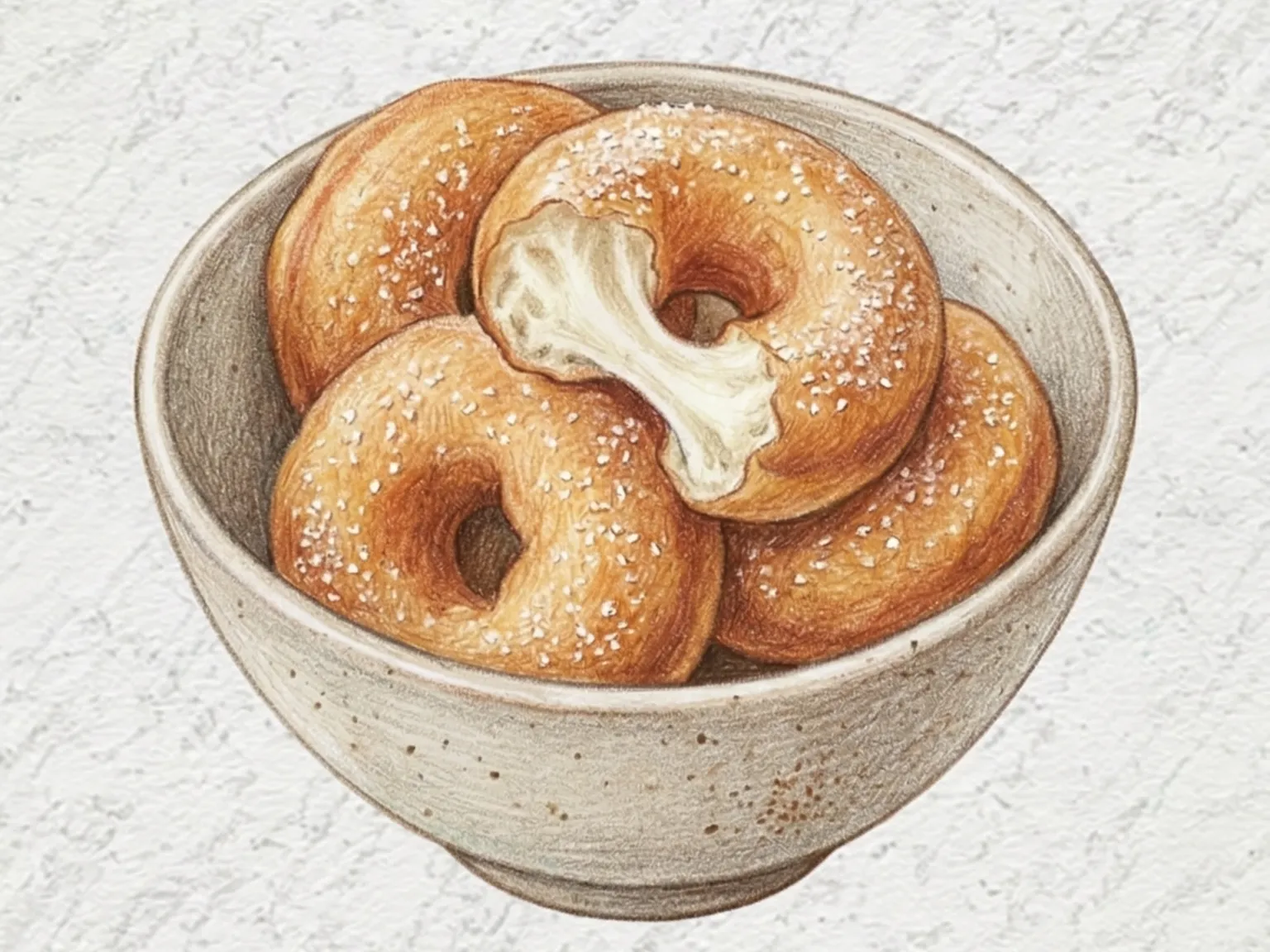
Bukkumi is a traditional Korean pan-fried rice cake made from glutinous rice flour dough filled with sweet red bean paste seasoned with cinnamon and sugar. Using hot water to form the dough partially gelatinizes the starch, creating a pliable skin that stretches without cracking, though it must stay covered with a damp cloth during assembly to prevent surface drying. Folding the dough into half-moon shapes around the cinnamon-laced bean paste adds a warm spice note that lifts the dense sweetness of the red bean. Pan-frying on low heat builds a golden crust on each side while keeping the filling warm and molten inside.

Gyeongdan (Chewy Rice Balls with Sweet Coating)
Gyeongdan are Korean glutinous rice balls shaped by hand into small spheres, boiled until they float, then rolled in various coatings. The dough is made by kneading glutinous rice flour with hot water, which partially gelatinizes the starch for a chewy, elastic texture. After boiling, the balls are rinsed in cold water so the coatings adhere evenly. Traditional coatings include roasted soybean powder, ground black sesame, and sweetened red bean crumbles. Some versions are filled with red bean paste before shaping. Gyeongdan appear on ceremonial tables during holidays and as everyday snacks, with multiple coating colors arranged together for a colorful presentation.

Injeolmi Mochi Brownies (Chewy Rice Flour Cocoa Bars)
Glutinous rice flour replaces wheat flour in these brownies, producing a chewy, mochi-like texture coated in roasted soybean powder for an injeolmi twist. The cocoa and brown sugar create a deep chocolate flavor while the rice flour gives the crumb an elastic, stretchy quality that regular brownies lack entirely. After baking, a generous coating of toasted soybean powder adds the signature nutty aroma of injeolmi rice cakes. The combination of chocolate and roasted soybean may sound unusual, but the flavors share a common toasty warmth that binds them together naturally. Eaten cold from the refrigerator, the chew becomes firmer and more pronounced. At room temperature, the brownie softens and stretches, offering a completely different mouthfeel from the same recipe.