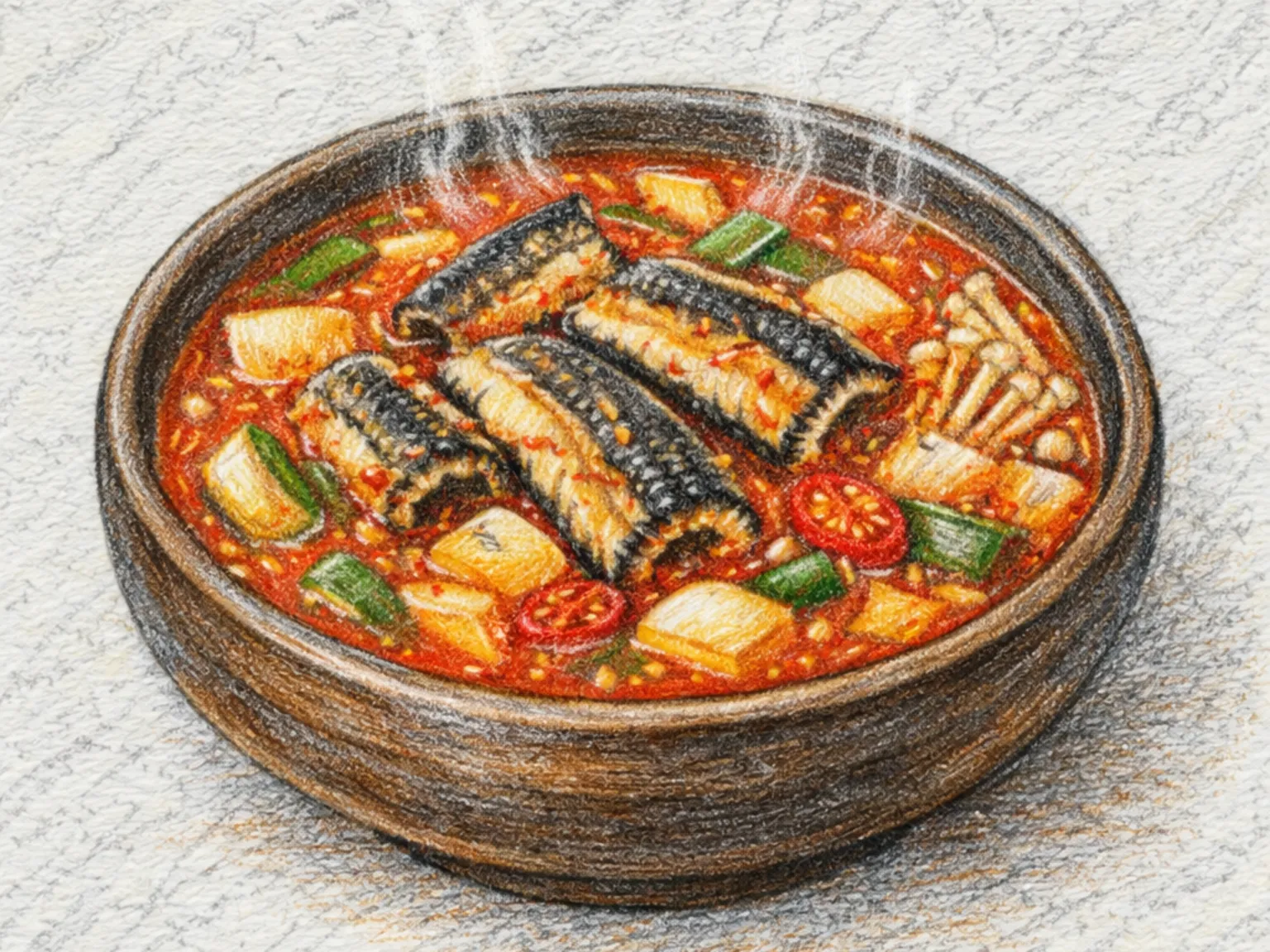
Korean Eel Stew (Freshwater Eel in Spicy Perilla Broth)
Quick answer
- Total time
- 40 min
- Level
- Medium
- Servings
- 2 servings
- Ingredients
- 5
About this dish
Freshwater eel is cut into 3 to 4 cm pieces, bones and all, and simmered in a gochujang broth.
Read more
With the bones still in, the liquid comes out rich, and ground perilla seed stirred in just before the heat goes off thickens it. In Korea it turns up on the table around boknal, the hottest days of summer.
Ingredients
Instructions
- 1
Rinse 300 g freshwater eel under cold running water, rubbing gently to remove the slippery coating.
Drain well, then cut it into even 3 to 4 cm pieces with the bones left in for a deeper broth.
- 2
Put 500 ml water and 2 tablespoons gochujang in a pot, then whisk or stir until the paste is fully loosened.
Add 1 tablespoon gochugaru before heating so the seasoning disperses evenly.
- 3
Bring the broth to a strong boil over high heat, then scrape the bottom once to prevent the chili paste from sticking.
Add the eel pieces and leave them undisturbed for 1 minute so they firm up.
- 4
Lower the heat to medium and simmer for 10 to 15 minutes.
Skim off foam as it appears, and check that the eel turns firm while the broth becomes slightly thicker from the bones and collagen.
- 5
Mix by gently shaking the pot instead of stirring hard, using a spoon only when needed so the eel does not break apart.
If the broth tastes too salty or concentrated, add a small splash of water.
- 6
Just before turning off the heat, add 2 tablespoons ground perilla seeds and stir lightly until no dry clumps remain.
Taste while the nutty aroma is still fresh, and serve hot.
Official cooking and safety guidance
Public-agency cooking and food safety guidance that applies to this recipe.
Official cooking and safety guidance
-
Safe temperature
Check that the thickest part of the fish reaches 63°C. Without a thermometer, the flesh should no longer look translucent and should separate easily with a fork.
-
Storage and reheating
Refrigerate leftovers in shallow containers within 2 hours and use them within 3 to 4 days. Reheat the center to 74°C.
Source: USDA Food Safety and Inspection Service. Leftovers and Food Safety
Sources checked 2026-08-03
Use-up ingredient planner
Turn these ingredients into two more meals
The overlap excludes basic seasonings. Open the next recipe and your selected dishes will stay with you.
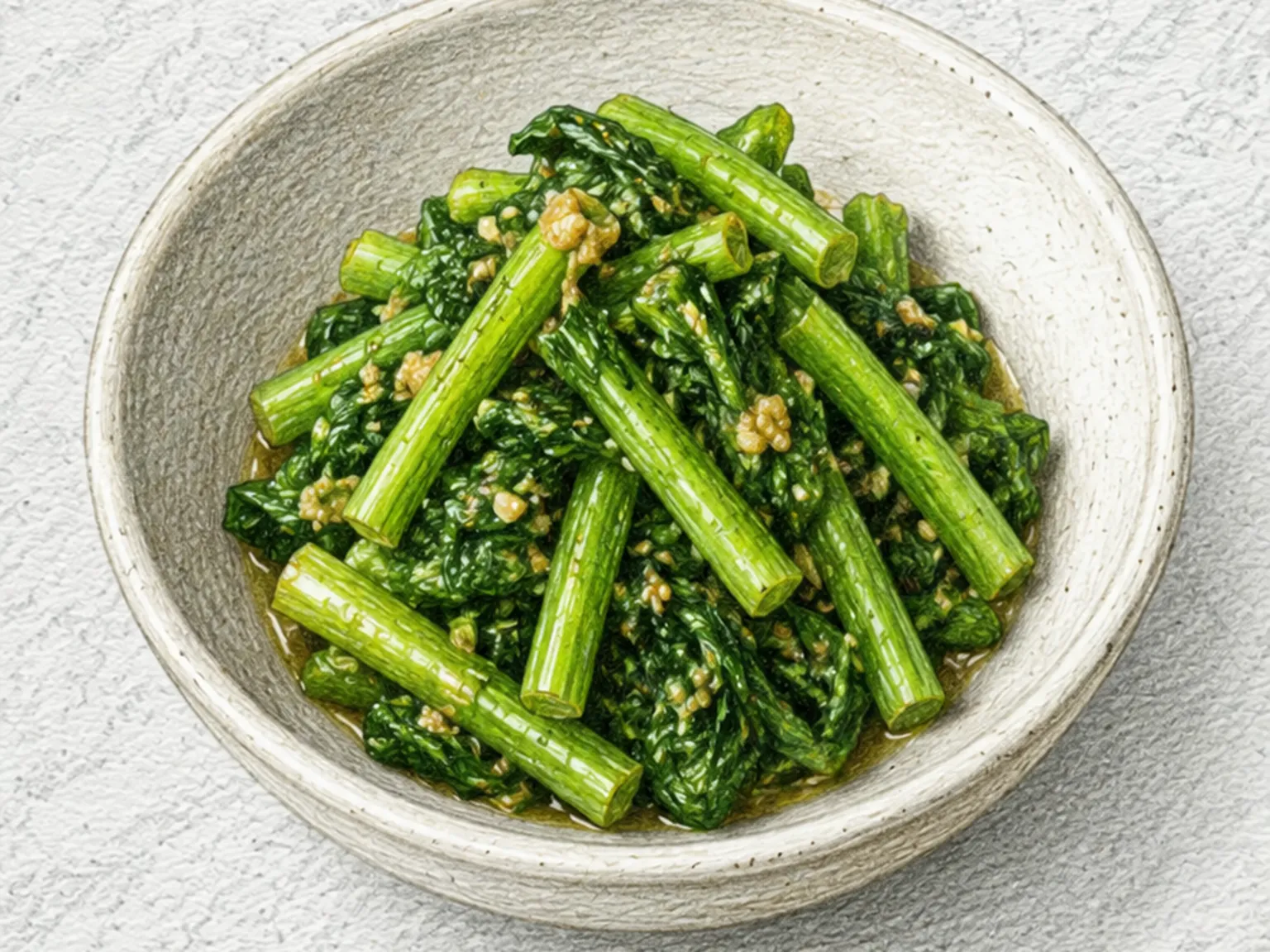
Korean Seasoned Radish Greens
Ground perilla seeds
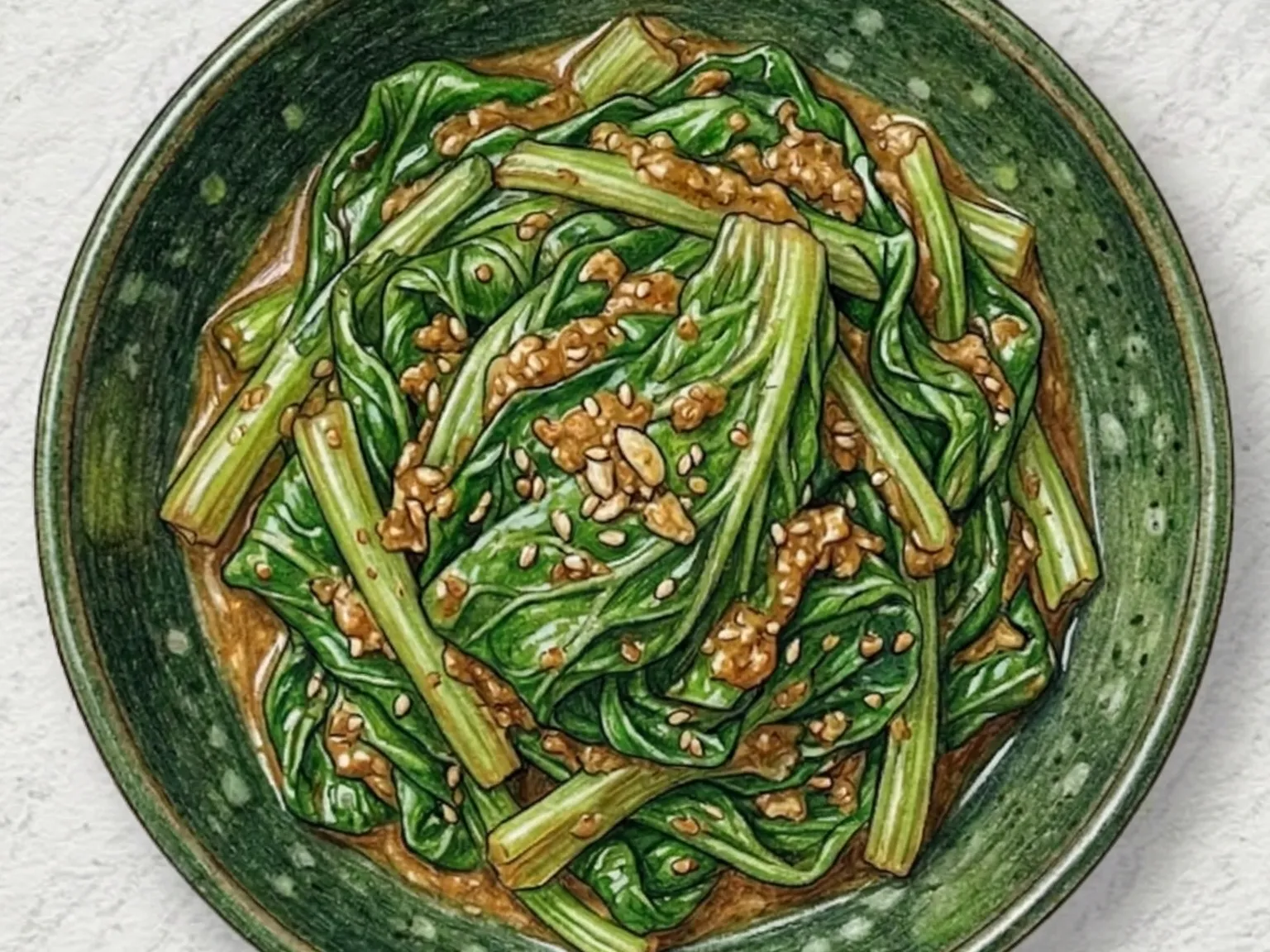
Korean Seasoned Swiss Chard Namul
Ground perilla seeds
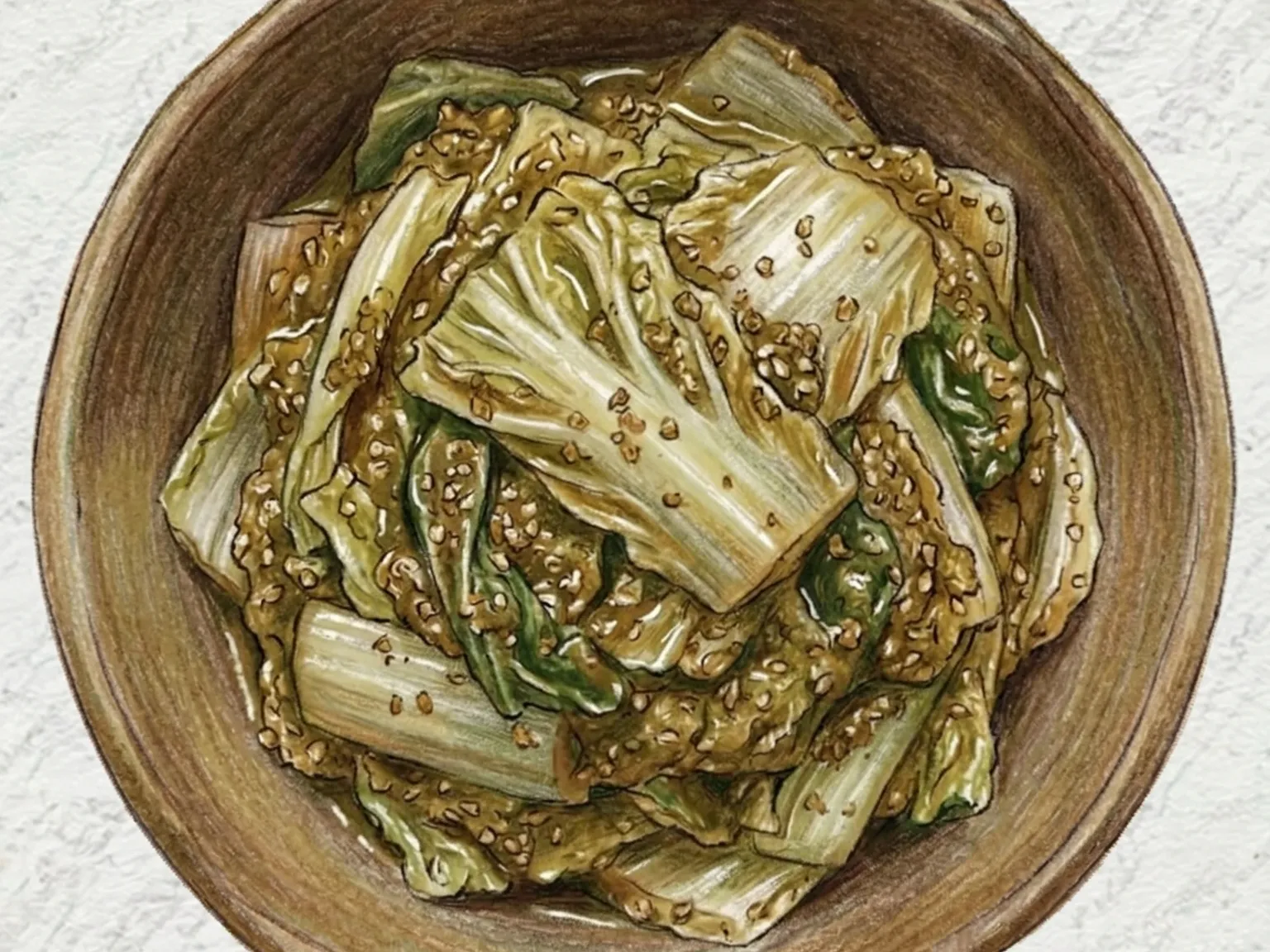
Baechu Namul Muchim
Ground perilla seeds