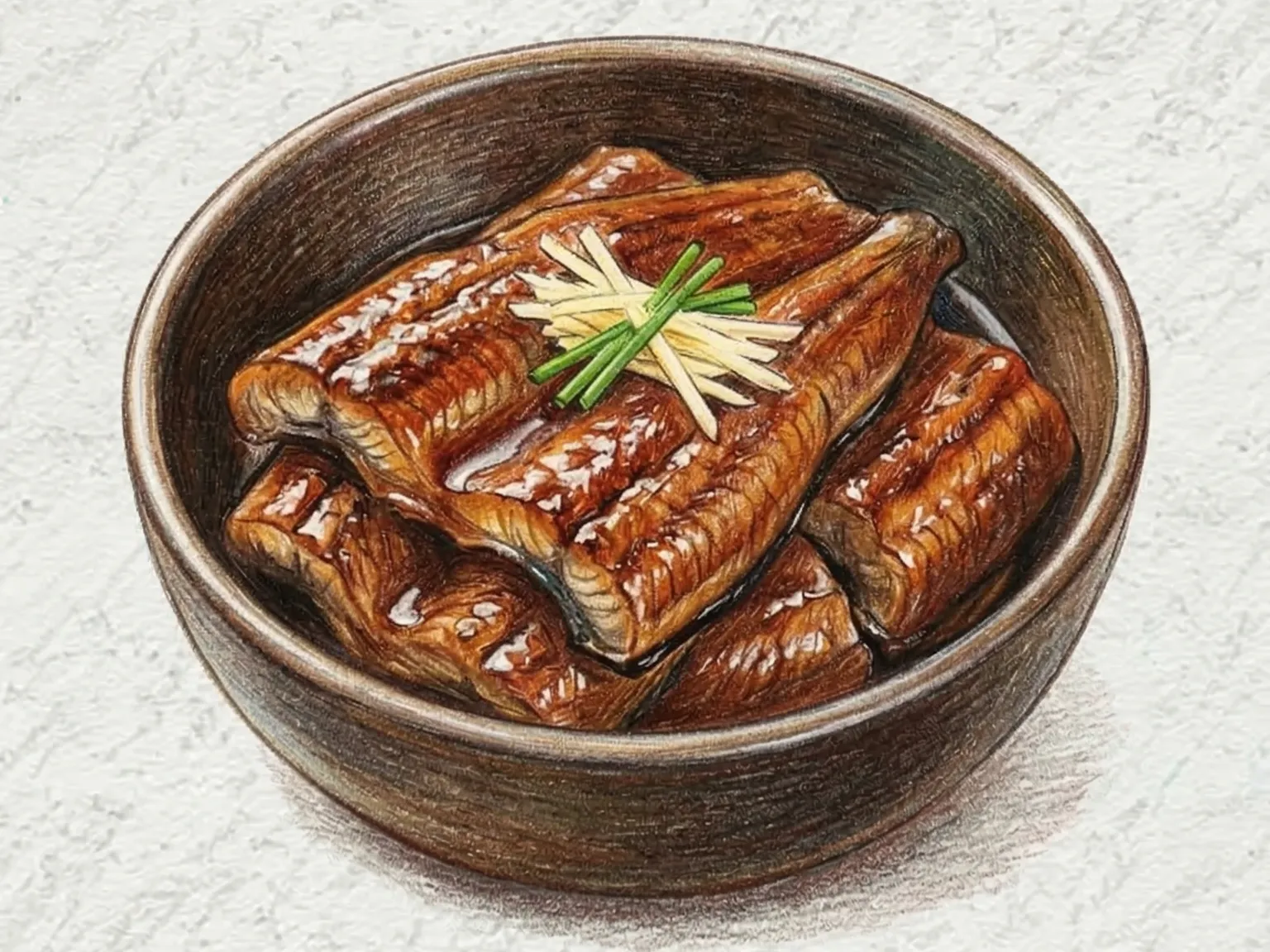
Korean Steamed Eel (Soy Ginger Glazed Two-Stage)
Quick answer
- Total time
- 42 min
- Level
- Medium
- Servings
- 2 servings
- Ingredients
- 8
About this dish
The eel is steamed once with a splash of rice wine, and only after the flesh has turned white and given up some of its fat is the soy glaze brushed on for a second round.
Read more
Brushed onto flesh that has lost some of its fat, the glaze settles in and sets glossy. In Korea it is a common dish for the bok days at the height of summer.
Ingredients
Instructions
- 1
Cut 500 g cleaned eel into 6 cm pieces and sprinkle evenly with 1 tbsp rice wine.
Let it stand for 10 minutes so the aroma softens and the flesh firms before steaming.
- 2
Mix 2 tbsp soy sauce, 1 tbsp sugar, 1 tsp minced garlic, and 1 tsp ginger juice in a small bowl.
Stir until the sugar dissolves completely, since undissolved grains can make the glaze uneven.
- 3
Pour 200 ml water into the steamer and bring it to a steady boil.
When plenty of steam rises, arrange the eel in one layer and steam over medium heat for about 7 minutes.
- 4
When the flesh turns opaque and a little fat has rendered, lightly remove surface moisture from the eel.
This helps the soy ginger glaze cling instead of sliding off during the second steam.
- 5
Brush the glaze evenly over the eel and scatter 40 g green onion on top.
Cover again and steam over medium heat for about 5 minutes, until the onion softens and the surface looks glossy.
- 6
Turn off the heat when a chopstick slides easily into the thickest part and the glaze still looks moist.
Serve immediately while hot, spooning any remaining sauce over the pieces.
Official cooking and safety guidance
Public-agency cooking and food safety guidance that applies to this recipe.
Official cooking and safety guidance
-
Safe temperature
Check that the thickest part of the fish reaches 63°C. Without a thermometer, the flesh should no longer look translucent and should separate easily with a fork.
-
Storage and reheating
Refrigerate leftovers in shallow containers within 2 hours and use them within 3 to 4 days. Reheat the center to 74°C.
Source: USDA Food Safety and Inspection Service. Leftovers and Food Safety
Sources checked 2026-07-22
Use-up ingredient planner
Turn these ingredients into two more meals
The overlap excludes basic seasonings. Open the next recipe and your selected dishes will stay with you.
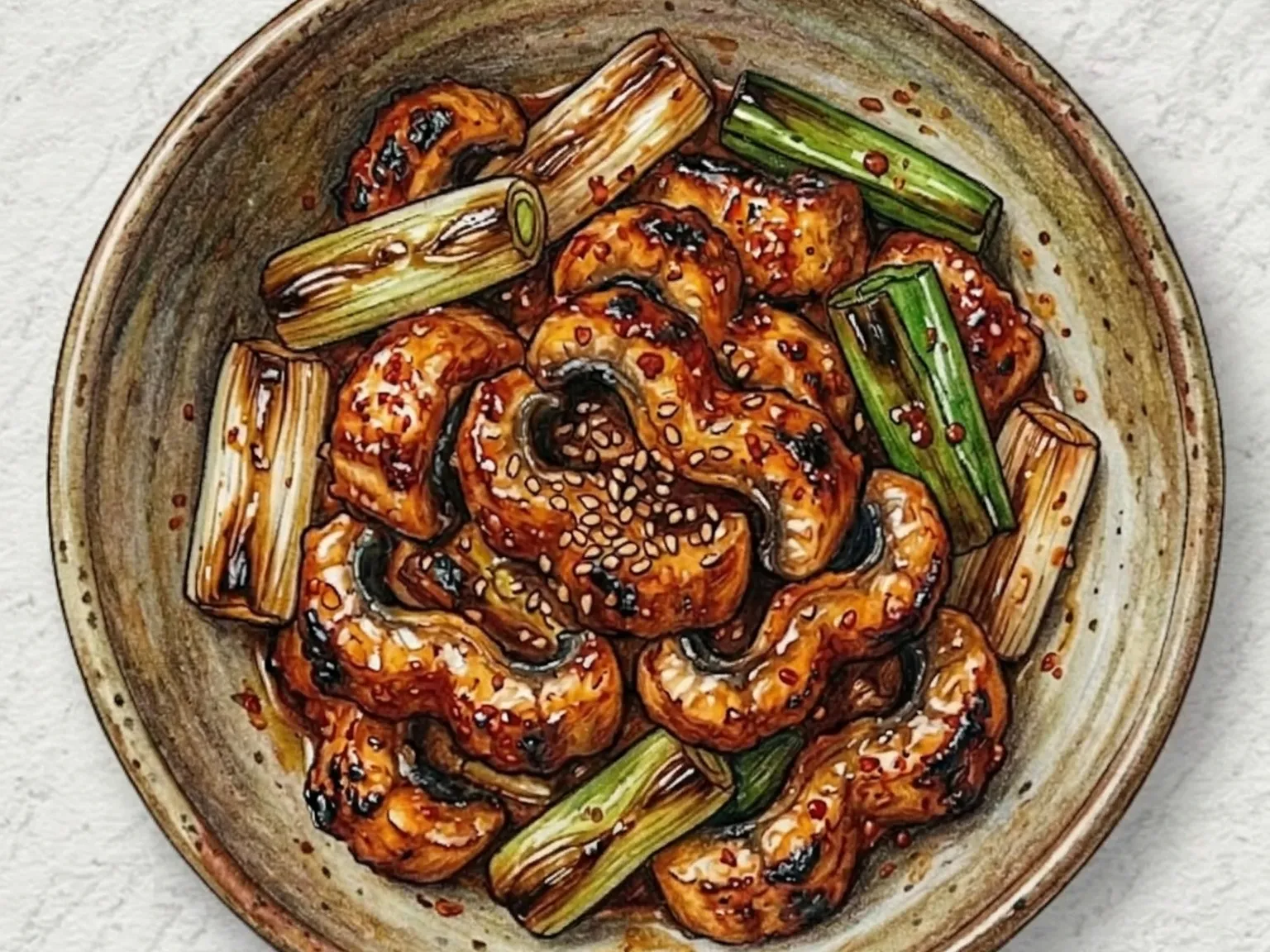
Korean Spicy Grilled Hagfish
ginger juice, green onion
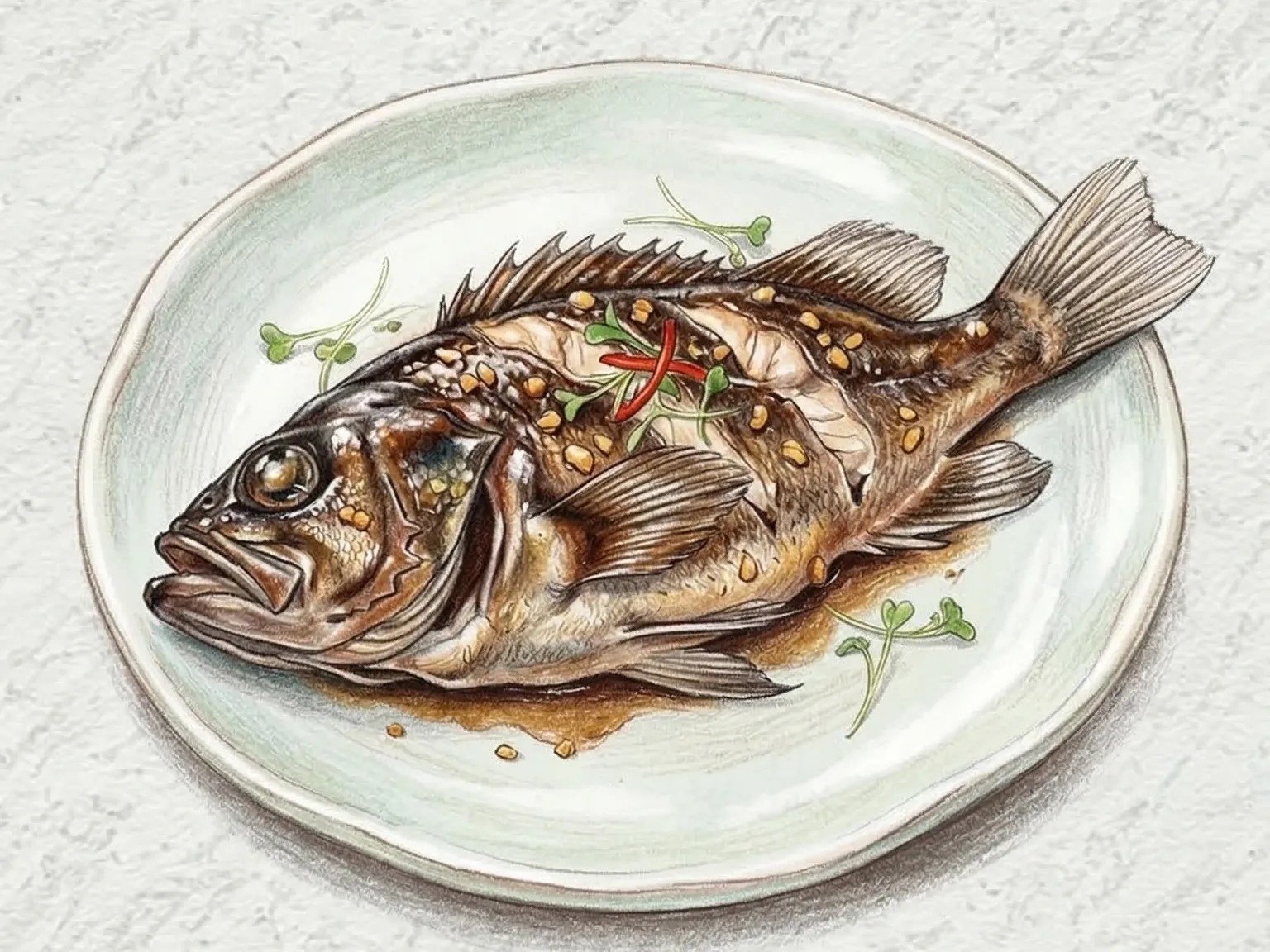
Korean Bollak Ganjang Gui (Soy-Glazed Rockfish Grill)
ginger juice, green onion
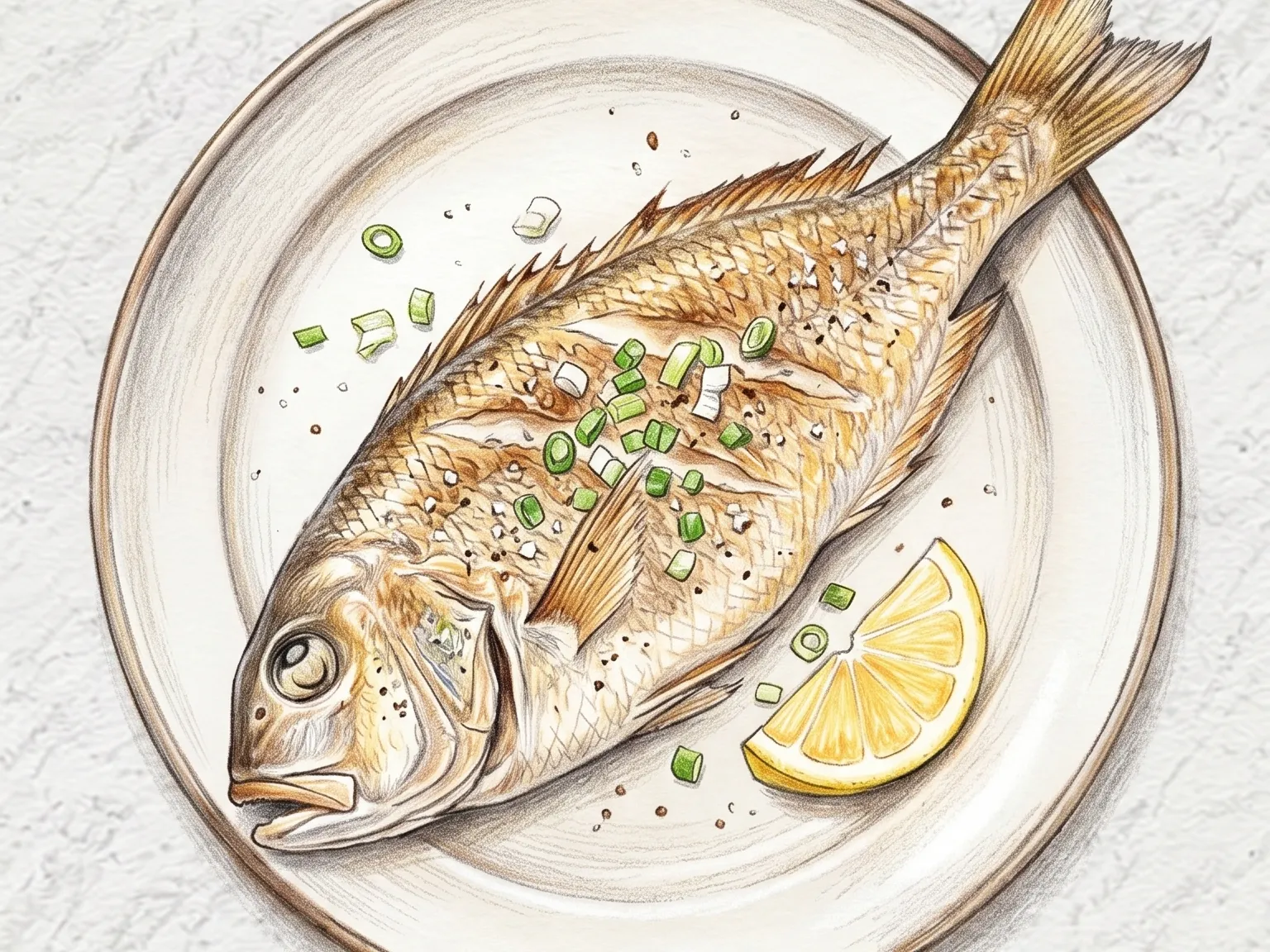
Korean Okdom Sogeum Gui (Salt-Grilled Tilefish)
ginger juice, green onion