Japaguri (Two-Pack Instant Noodle Mashup)

Japaguri (Two-Pack Instant Noodle Mashup)

Quick answer

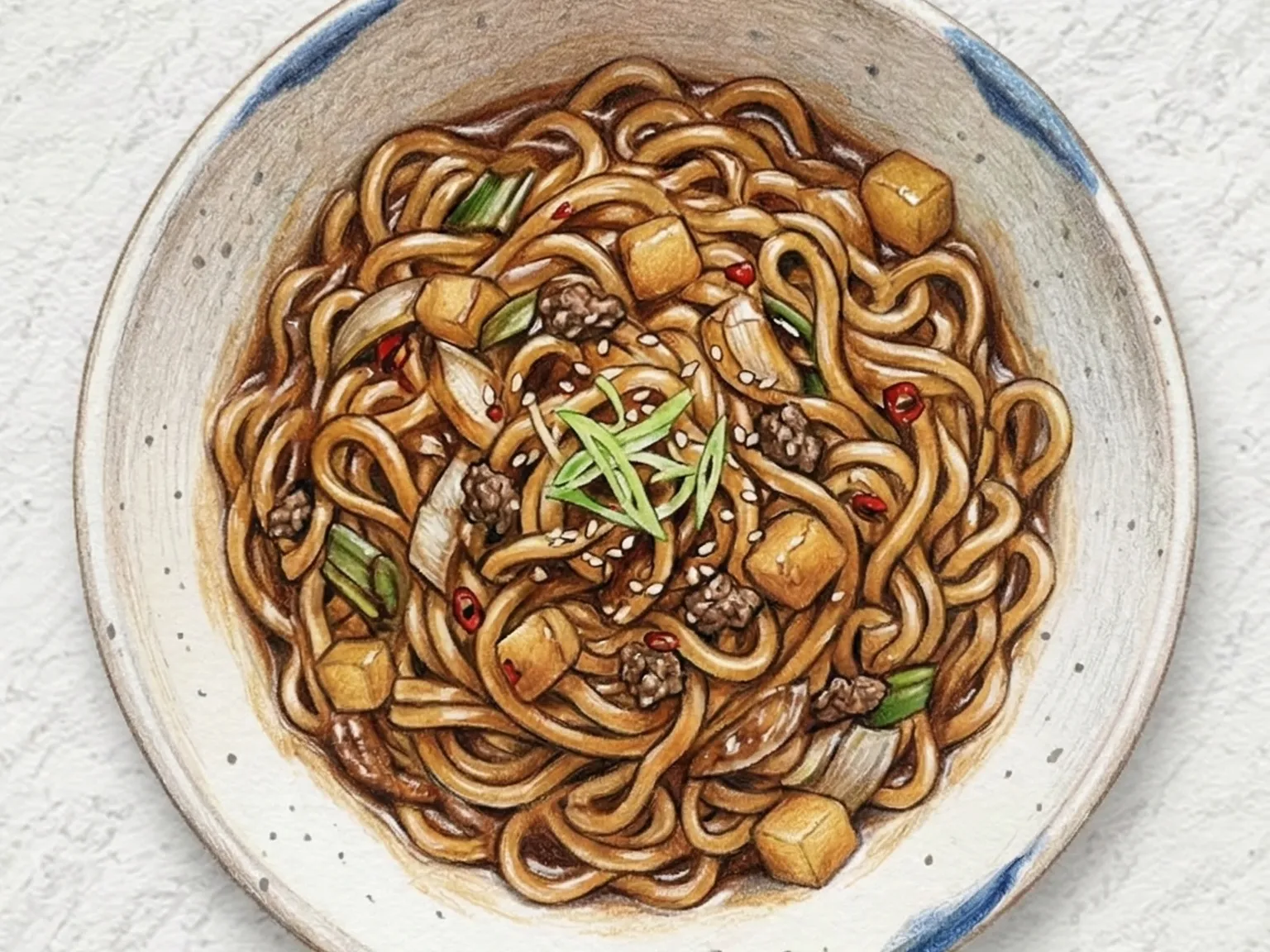
Japaguri - also known internationally as ram-don - is a Korean instant noodle mashup that cooks two different packets together in one pot: a black bean sauce variety and...

What makes this special

  • Japaguri combines nutty black bean depth with the sharp heat of spicy ramen seasoning.
  • Jajang seasoning's nutty-sweet depth blends with spicy ramen powder's sharpness
  • Less water than directed lets noodles absorb both sauce packets into a thick coating
Total time
15 min
Level
Easy
Servings
2 servings
Ingredients
8
Calories
560 kcal
Protein
12 g

Key ingredients

black bean instant noodlesspicy instant noodleswateroniongreen onion

Core cooking flow

  1. 1 Cut 80g of onion into 1cm cubes and finely slice 40g of green onion.
  2. 2 Add 1 tbsp of cooking oil to the pot and heat over medium flame.
  3. 3 Pour in 700ml of water and bring to a rolling boil.

Japaguri - also known internationally as ram-don - is a Korean instant noodle mashup that cooks two different packets together in one pot: a black bean sauce variety and a spicy variety. The roasted-bean sweetness of the jjajang seasoning collides directly with the sharp chili heat of the spicy packet, producing a layered flavor that neither product can achieve on its own. Onion and green onion are sauteed in oil first so their natural sugars caramelize slightly and establish a savory-sweet base before the water and noodles go in. Using noticeably less water than either packet recommends is important because both seasoning powders need to be fully absorbed and the finished sauce should cling thickly to every strand. After a film introduced it to international audiences, the dish became shorthand for Korean instant noodle culture and has remained a genuinely popular preparation. Adding premium thinly sliced beef, such as Korean hanwoo, elevates it from a pantry meal to a full dinner.

Prep 5min Cook 10min 2 servings

Instructions

Read the steps as a cooking flow: prep, heat, seasoning, doneness control, and finish.

6 steps
  1. 1
    Season

    Cut 80g of onion into 1cm cubes and finely slice 40g of green onion.

    Keeping the pieces uniform in size ensures they cook evenly and release their natural sugars effectively during the sauteing process.

  2. 2
    Heat

    Add 1 tbsp of cooking oil to the pot and heat over medium flame.

    Saute the prepared onion and green onion for about 2 minutes until the edges turn light golden brown and release an aromatic scent.

  3. 3
    Heat

    Pour in 700ml of water and bring to a rolling boil.

    Add both blocks of noodles and all vegetable flakes from the packets, stirring occasionally with chopsticks to ensure the noodles are fully submerged and cooking evenly.

  4. 4
    Heat

    When the noodles are about 80 percent cooked and still slightly firm, carefully drain the water.

    Leave exactly 120ml (about 15 to 20 spoonfuls) in the pot to maintain the moisture needed for mixing the powder.

  5. 5
    Season

    Add the entire jjajang powder packet, half of the spicy powder packet, and 0.5 tsp of sugar.

    Increase the heat to high and stir-fry rapidly for 1 minute until the noodles are deeply colored and the sauce thickens.

  6. 6
    Finish

    Once the sauce has reduced to a glossy, thick glaze that clings to every noodle strand, turn off the heat immediately.

    Transfer to a bowl and garnish with 1 tsp of sesame seeds for a nutty finish.

After the steps

Pick a recipe that fits this dish.

Continue with shared ingredients, meal pairings, or a similar method.

Recipes That Go Well With This

More Noodles →

Based on shared ingredients and meal pairing

Korean Cheese Ramen (Cheesy Spicy Noodles)
Shared ingredient: green onion Noodles

Korean Cheese Ramen (Cheesy Spicy Noodles)

Sliced cheese melted into spicy Korean ramen produces a creamy, stretchy result in under ten minutes. Added at the final simmer, the cheese melts slowly across the boiling broth and forms a pale, savory film. The dairy fat wraps around the gochugaru heat, softening the spice without eliminating it, while the salt in the cheese draws out more depth from the seasoning packet. Lifting noodles through the molten layer coats each strand in a sticky, rich film. Drinking the broth straight reveals alternating waves of chili heat and mild creaminess. A raw egg cracked into the pot or a handful of sliced rice cakes makes the bowl more substantial and filling. Among home-style ramen variations in Korea, this is one of the most consistently popular.

Korean Instant Ramen (Spicy Chewy Noodles in Five Minutes)
Shared ingredient: green onion Noodles

Korean Instant Ramen (Spicy Chewy Noodles in Five Minutes)

Ramyeon is Korea's iconic instant noodle dish, ready in under five minutes by boiling chewy wheat noodles with seasoning packets in water. Common additions include egg, scallion, kimchi, sliced rice cakes, and cheese, each customizing the bowl to personal taste. Cooking the noodles one minute less than the package suggests lets residual heat finish them at the right chewiness. Using slightly less water than directed concentrates the broth into a more intense flavor. It can be served as a noodle dish, with simple accompaniments chosen to match the sauce, broth, or topping.

Korean Stir-fried Dried Shrimp
Serve together Side dishes

Korean Stir-fried Dried Shrimp

Geon-saeu-bokkeum transforms a handful of dried shrimp, a Korean pantry staple, into a quick, crunchy banchan that earns its reputation as a rice thief. The shrimp are dry-toasted in a pan first to drive off residual moisture, intensifying their briny aroma and building the foundation for a crisp final texture. Soy sauce, rice syrup or oligosaccharide, and garlic are added and reduced over low heat until the shrimp are wrapped in a thin, glossy sweet-salty glaze. The timing matters: the moment the syrup bubbles once, the heat must drop immediately, because leaving it even slightly too long hardens the coating into a tooth-testing shell rather than a pliable lacquer. A finish of sesame oil and whole sesame seeds adds a nutty warmth that rounds out this compact side dish. Finely sliced Cheongyang chili mixed in during the last minute produces a spicier variation, and a small handful of almonds or peanuts stirred in enriches the chew. The finished banchan keeps well in a sealed container at room temperature for several days, making it as practical as it is flavorful.

Korean Kimchi Tofu Nabe Udon
Similar recipe Noodles

Korean Kimchi Tofu Nabe Udon

Kimchi tofu nabe udon is a Japanese-Korean hybrid hot pot noodle dish built on an anchovy-kelp stock base. Well-fermented kimchi is sauteed in sesame oil for at least two minutes to tame its sharp raw acidity, then the stock goes in along with Korean red chili flakes and soup soy sauce to form the broth. Thick slabs of firm tofu and sliced shiitake mushrooms simmer for four minutes, absorbing the spicy, savory liquid throughout, before thick udon noodles are added for a final two to three minutes. The udon's substantial mass soaks up the surrounding broth, so every bite carries the full flavor of the pot. Because kimchi saltiness varies by brand and age, soy sauce should be added in small amounts at the end rather than all at once. Pressing the tofu dry with a paper towel before it goes in keeps the broth from turning murky. Shredded green onion on top adds fragrance, and leftover broth with added rice makes a satisfying congee-style finish.

Serve with this

Korean Dried Radish Greens Pancake
Pancakes Easy

Korean Dried Radish Greens Pancake

Boiled dried radish greens are combined with doenjang and pan-fried into a dense, rustic jeon with deep fermented character. The fibrous texture of the radish greens gives the pancake a satisfying chew, and the soybean paste saturates the batter so thoroughly that no dipping sauce is necessary. Buckwheat flour adds an earthy coarseness that suits the greens well. Cheongyang chili provides a spicy accent throughout. Minced garlic benefits from a brief saute in oil before being mixed into the batter-the raw edge cooks off and the garlic's savory depth integrates fully into the finished pancake. Cooking over low heat lets the inside set without burning the outside, producing a crisp surface and a tender, flavorful center.

🍺 Bar Snacks ⚡ Quick
Prep 18min Cook 10min 2 servings
Korean Wild Chive Kimchi (Spring Quick Gochugaru)
Kimchi Easy

Korean Wild Chive Kimchi (Spring Quick Gochugaru)

Dallae kimchi is a quick spring kimchi made by salting wild chives for just eight minutes to barely soften them, then dressing them in gochugaru, sand lance fish sauce, plum extract, and Korean pear juice. The bulb-end roots carry the most concentrated aroma, so they should not be trimmed too short, and the seasoning should be applied starting from the roots so the flavor penetrates evenly along the entire stalk. Pear juice adds natural sweetness and a little moisture that softens the heat from the chili, while sand lance fish sauce provides a lighter, more delicate umami than standard anchovy sauce. This kimchi smells fresh and bright immediately after preparation, but one day in the refrigerator allows a mild fermented depth to develop that rounds out the flavors considerably. Wild chives are best purchased between early March and mid-April, when the roots are fat and the aroma is fully developed. Salting beyond eight minutes causes the grassy fragrance to dissipate rapidly, so timing matters. The finished kimchi pairs naturally with namul side dishes and fresh vegetable salads at a spring table.

🏠 Everyday 🍱 Lunchbox
Prep 20min Cook 5min 4 servings
Napa Cabbage Pear Black Sesame Salad
Salads Easy

Napa Cabbage Pear Black Sesame Salad

Napa cabbage is shredded fine for maximum crunch, and Korean pear is cut to matching width so its clear sweetness merges seamlessly with the cabbage's mild crispness. Julienned carrot adds color throughout, while toasted black sesame seeds release a deep nuttiness with each bite. The dressing blends plain yogurt with rice vinegar and honey, staying creamy yet light enough to let the raw ingredients come through without being masked. Salt is kept minimal so the natural sweetness of pear and cabbage leads, making this salad a strong choice as a palate cleanser after a rich or oily main course. Scattering the black sesame seeds just before serving prevents them from absorbing moisture and ensures they retain their satisfying crunch against the soft, juicy pear and crisp cabbage.

🥗 Light & Healthy ⚡ Quick
Prep 15min 2 servings

Similar recipes

Korean Yeolmu Bibim Guksu
Noodles Easy

Korean Yeolmu Bibim Guksu

Yeolmu bibim guksu is a Korean mixed noodle dish built around young radish kimchi (yeolmu kimchi). The kimchi provides a crunchy texture and a fermented tanginess that anchors the bowl. Thin somyeon noodles are rinsed in cold water, then tossed with gochugaru or gochujang dressing, sesame oil, and sesame seeds. The heat level stays moderate, letting the kimchi's sourness come through. Total preparation is about 23 minutes, and the recipe requires no cooking beyond boiling the noodles. The main ingredients are Somyeon noodles, Yeolmu kimchi, Gochujang, and Vinegar, and the recipe depends on careful handling of noodle cooking time and sauce thickness.

🏠 Everyday 🌙 Late Night
Prep 15min Cook 8min 2 servings
Korean Gochujang Bibim Udon Cup (Spicy Mixed Udon Cup)
Street food Easy

Korean Gochujang Bibim Udon Cup (Spicy Mixed Udon Cup)

Gochujang bibim udon cup is a cold-tossed udon noodle dish served in a cup, dressed with a sauce built from gochujang, soy sauce, oligosaccharide syrup, vinegar, and sesame oil. The fermented heat of gochujang meets the acidity of vinegar to create a bright, tangy-spicy flavor profile that avoids sharpness, and the viscous syrup gives the sauce enough body to cling evenly to the thick udon strands. Raw julienned cabbage and carrot are folded in without cooking, adding a snappy crunch that contrasts the soft noodles. Cooling the noodles completely before tossing is a key step that prevents the sauce from clumping and ensures even distribution throughout the cup. The handheld cup format suits street food settings, and additional toppings such as a soft-boiled egg or seasoned seaweed can elevate it into a fuller meal.

🌙 Late Night ⚡ Quick
Prep 12min Cook 8min 2 servings
Korean Black Bean Noodles
Street food Medium

Korean Black Bean Noodles

Bunsik-style jjajangmyeon starts with frying chunjang in oil long enough to mellow its raw bitterness and remove any off notes before adding any other ingredients. Ground pork, onion, zucchini, and potato go in together and are stir-fried until fragrant, then water is added and the mixture simmers until the potato softens. A starch slurry is stirred in gradually to bring the sauce to the right consistency. The chunjang's deep salinity and the slowly cooked onion's natural sweetness form the backbone of the sauce, while the potato partially breaks down during simmering and lends body without any additional thickeners. The starch-finished sauce clings heavily to the chewy wheat noodles so every strand carries a dense, rounded hit of flavor. Rinsing the noodles briefly in cold water right after boiling tightens their texture and keeps them from going soft when mixed.

🧒 Kid-Friendly 🌙 Late Night
Prep 20min Cook 20min 2 servings

Tips

Control heat by adjusting how much spicy ramen powder you use.
Don't leave too much liquid, or the flavor will be diluted.

Nutrition (per serving)

Calories
560
kcal
Protein
12
g
Carbs
78
g
Fat
22
g