Charim

2686 Korean & World Recipes

2686+ Korean recipes, clean and organized. Ingredients to instructions, all at a glance.

Japanese Cotton Cheesecake
Baking Medium

Japanese Cotton Cheesecake

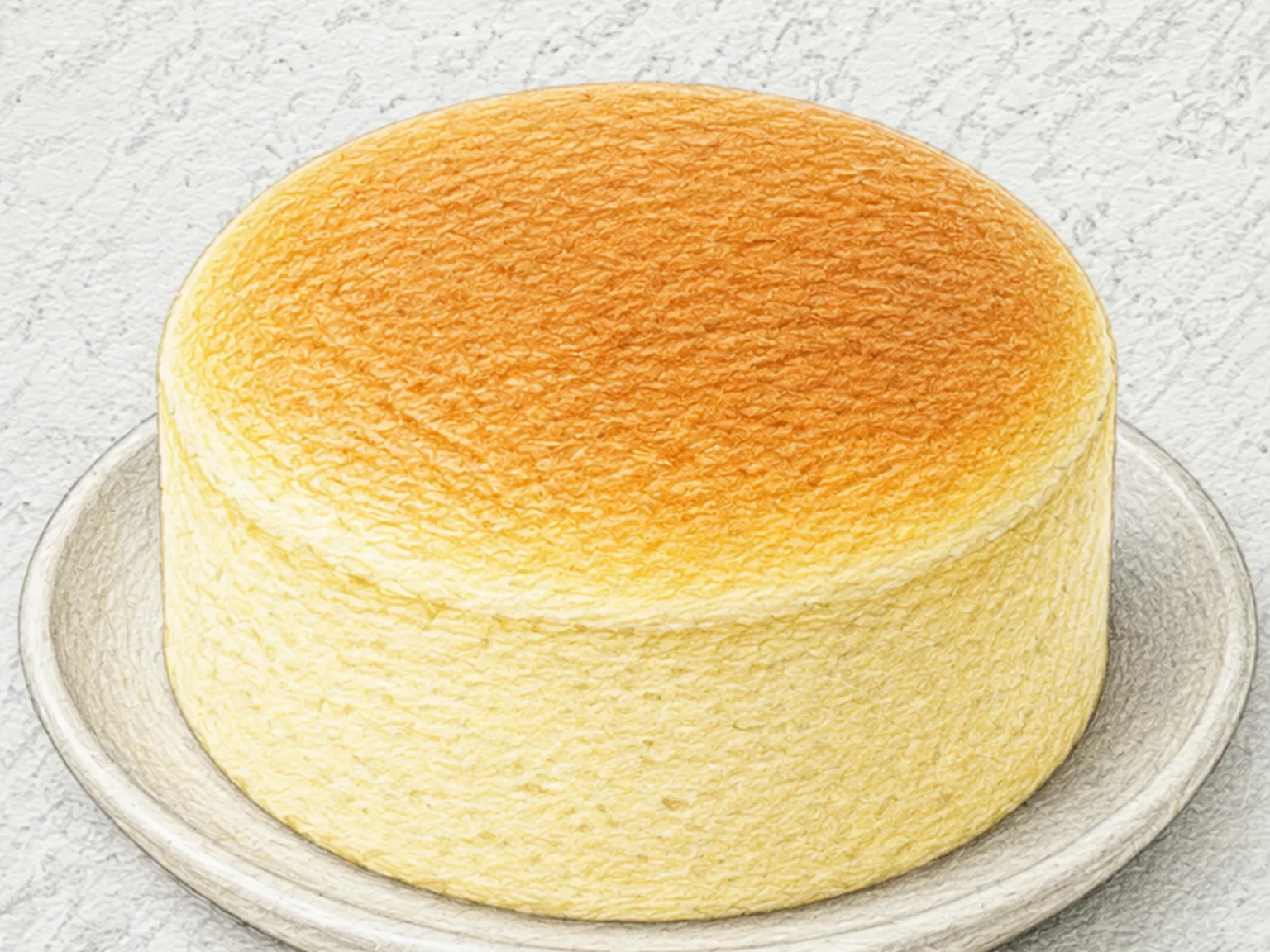
Japanese cotton cheesecake trades the dense richness of a New York-style cheesecake for an ethereal, cloud-like texture that barely registers on the palate before dissolving. Cream cheese is melted and combined with egg yolks and milk, then a stiff meringue is carefully folded in, inflating the batter with air. Baking in a water bath at low temperature allows the cake to rise evenly and set gently, producing a lightly golden top and an interior that wobbles when nudged. Each bite collapses on the tongue with almost no resistance, releasing a mild tang from the cream cheese and a soft eggy warmth. Overnight refrigeration deepens the cheese flavor and adds moisture to the crumb. Because very little flour goes into the batter, the texture stays silky rather than cakey, and the cake needs no topping to feel complete.

Prep 35min Cook 55min 6 servings

Adjust Servings

2servings
servings

Instructions

  1. 1

    Melt cream cheese, milk, and butter over a bain-marie until smooth.

  2. 2

    Mix in egg yolks, then sift in flour and whisk until lump-free.

  3. 3

    Whip egg whites with lemon juice and sugar to soft-medium peaks.

  4. 4

    Fold meringue into batter in three additions, pour into pan, and tap to remove large bubbles.

  5. 5

    Bake in a water bath at 150C until set, then cool gradually before unmolding.

🛒Shop Ingredients on Amazon

As an Amazon Associate, we may earn from qualifying purchases.

Tips

Do not over-whip meringue; stop at soft-medium peaks to prevent separation.
Avoid opening the oven frequently to prevent collapse.

Nutrition (per serving)

Calories
310
kcal
Protein
9
g
Carbs
24
g
Fat
19
g

More Recipes

Matcha White Chocolate Brownies
BakingMedium

Matcha White Chocolate Brownies

White chocolate melted with butter forms the base of this brownie, and matcha powder folded in at the end gives it a vivid green color and a distinctly bitter tea note. The cocoa butter in the white chocolate is responsible for the dense, fudgy chew that sets these brownies apart from cakey versions, while the matcha's astringency offsets the sweetness so that neither flavor dominates. White chocolate chips added to the batter do not fully melt during baking; they hold their shape partially, creating pockets of concentrated sweetness that punctuate the more restrained matcha base. Baking at 175 degrees Celsius for 22 to 25 minutes, pulling the pan when the center still wobbles slightly, is the key to achieving the chewy interior; the residual heat finishes the set as the brownies cool. Overbaking dries them into crumbly squares and mutes the matcha color. Sifting the matcha powder thoroughly before adding it eliminates the dry clumps that would otherwise appear as bitter spots. Once cooled completely, the brownies cut into clean-edged squares with a glossy top.

🧒 Kid-Friendly
Prep 15minCook 25min4 servings
Castella Cake (Japanese Honey Egg Sponge Cake)
BakingMedium

Castella Cake (Japanese Honey Egg Sponge Cake)

Castella is a sponge cake that traveled from Portugal to Japan in the sixteenth century and evolved into something distinctly Japanese. The batter relies on extended whisking of whole eggs to incorporate air - no baking powder is used - and honey and millet jelly keep the crumb moist days after baking. Flour is kept to a minimum, yielding a fine, even texture that springs back slowly when pressed. A hallmark of a well-made castella is the thin, slightly sticky caramelized layer on the bottom, formed by sugar settling and browning during baking. This dense base contrasts with the airy body above. The cake is baked in a rectangular mold lined with parchment and typically sold in long, brick-shaped loaves. It tastes better the day after baking, once the moisture has distributed evenly and the honey flavor has deepened. Green tea is its traditional companion, the bitterness of the tea drawing out the cake's subtle sweetness.

🧒 Kid-Friendly
Prep 20minCook 45min4 servings
Matcha Roll Cake (Green Tea Chiffon Sponge with Cream)
BakingMedium

Matcha Roll Cake (Green Tea Chiffon Sponge with Cream)

A Japanese-style roll cake built on a matcha chiffon sponge and filled with softly whipped cream. Sifting matcha powder into the egg yolk batter distributes the vivid green color evenly, while a stiff meringue folded in three additions preserves the air bubbles that give the sheet its light, springy structure. Baking at 180 degrees Celsius for 12 to 15 minutes, just until the surface springs back to the touch, keeps the sponge pliable enough to roll without cracking. After inverting and cooling, cream whipped to about 80 percent stiffness is spread across the sheet, thinner at the edges and thicker down the center so the finished cross-section shows a uniform spiral. Rolling tightly in plastic wrap and refrigerating for at least two hours sets the shape and allows the matcha flavor to meld with the cream. Slicing with a hot, damp knife produces clean edges. The matcha's gentle bitterness lingers after the cream's sweetness fades, leaving a layered aftertaste that distinguishes this roll from vanilla or chocolate versions.

🎉 Special Occasion🧒 Kid-Friendly
Prep 25minCook 15min8 servings
Mitarashi Dango (Grilled Rice Dumplings in Sweet Soy Glaze)
BakingEasy

Mitarashi Dango (Grilled Rice Dumplings in Sweet Soy Glaze)

Glutinous rice flour is kneaded with water, shaped into small balls, boiled until they float, then skewered and grilled until the surface develops charred spots and a light crust. The contrast between the toasty exterior and the dense, springy interior is the defining texture of mitarashi dango. A thick glaze made from soy sauce, sugar, mirin, and starch is spooned over the hot skewers, coating each ball in a glossy, sweet-savory film. The sauce should be viscous enough to cling but fluid enough to drip slowly - too thin and the flavor washes off, too thick and it overwhelms the delicate chew of the rice. Eaten warm, the dango is at its most pliable and the glaze at its most aromatic, with the soy caramel scent rising visibly in the steam. Street vendors across Japan sell these at temple fairs and festivals, but they are simple enough to replicate at home in under thirty minutes.

🧒 Kid-Friendly
Prep 20minCook 10min4 servings
Japanese Korokke (Crispy Panko Potato and Beef Croquette)
AsianMedium

Japanese Korokke (Crispy Panko Potato and Beef Croquette)

Korokke is a Japanese potato croquette that traces its roots to the French croquette but has evolved into something distinctly its own. Potatoes are boiled until completely soft, mashed while still hot, then mixed with sauteed onion and seasoned ground beef. The mixture is shaped into flat ovals, coated in flour, dipped in beaten egg, and rolled in panko breadcrumbs before frying at around 170 degrees Celsius. The panko crust turns an even golden brown and stays audibly crunchy, while the interior remains fluffy and starchy. A drizzle of Worcestershire or tonkatsu sauce is the standard condiment. In Japan, korokke are a staple of butcher shops and prepared-food counters, where they are fried to order and eaten on the spot or taken home still warm. Cream korokke filled with bechamel and crab, curry-flavored korokke, and pumpkin korokke are among the popular variations.

🧒 Kid-Friendly🍱 Lunchbox
Prep 25minCook 20min4 servings
Hakodate Shio Ramen (Hokkaido Clear Salt-Seasoned Chicken Ramen)
AsianMedium

Hakodate Shio Ramen (Hokkaido Clear Salt-Seasoned Chicken Ramen)

Hakodate shio ramen is the oldest style of ramen in Hokkaido, originating from the port city of Hakodate in the south of the island. The broth is built from chicken and pork bones simmered at a gentle, never rolling, boil so the liquid stays clear and golden rather than turning cloudy. Seasoning comes from salt alone - no miso, no soy sauce - which places the burden of flavor entirely on the quality of the stock. Medium-wavy noodles are the standard choice, their curls catching just enough broth in each bite. Toppings are kept minimal: a slice or two of chashu pork, strips of menma bamboo shoots, and chopped scallion. The appeal of shio ramen lies in its transparency, both visual and gustatory - there is nowhere for imperfections to hide, and every sip delivers a clean, uncluttered umami.

🎉 Special Occasion
Prep 15minCook 90min2 servings
More Baking →