Charim

2686 Korean & World Recipes

2686+ Korean recipes, clean and organized. Ingredients to instructions, all at a glance.

Korean Pine Nut Cold Noodles
Noodles Medium

Korean Pine Nut Cold Noodles

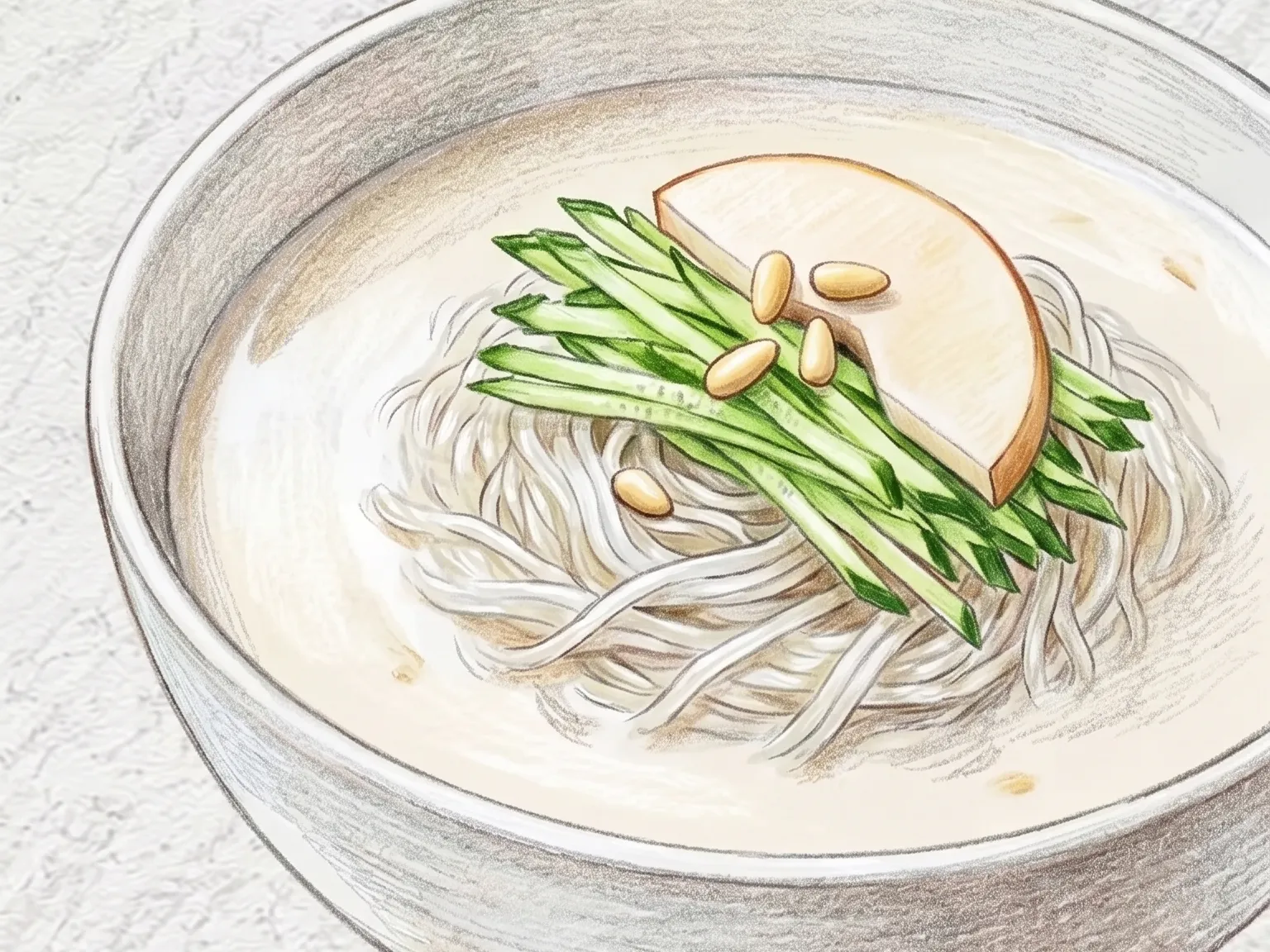
Jat naengmyeon serves cold noodles in a milky-white broth made by blending pine nuts finely with cold water. The fat naturally present in the pine nuts emulsifies with the water to create a creamy, dairy-free liquid that carries a rich, deep nuttiness and a gentle, clean sweetness. Shredded cucumber adds a crisp, refreshing bite that lightens the dense broth, and a slice of Korean pear introduces a fruity sweetness that broadens the flavor without competing with the pine nut base. The seasoning is nothing more than salt, which preserves the delicate character of the pine nuts without masking them. Soaking the pine nuts in cold water for thirty minutes before blending produces a smoother consistency and a brighter, more opaque white color in the finished broth.

Prep 20min Cook 5min 2 servings
Recipes by ingredient → cucumber

Adjust Servings

2servings
servings

Instructions

  1. 1

    Blend pine nuts with 500ml water, strain through a sieve.

  2. 2

    Chill the pine nut broth in the refrigerator.

  3. 3

    Cook noodles, place in bowl, pour pine nut broth, top with cucumber and pear.

🛒Shop Ingredients on Amazon

As an Amazon Associate, we may earn from qualifying purchases.

Tips

Add a tablespoon of honey to enhance the sweetness of the pine nut broth.

Nutrition (per serving)

Calories
480
kcal
Protein
16
g
Carbs
52
g
Fat
24
g

Goes Well With

Korean Seaweed Salad (Tangy Chili-Vinegar Dressed Miyeok)
Side dishesEasy

Korean Seaweed Salad (Tangy Chili-Vinegar Dressed Miyeok)

Miyeok-muchim consists of rehydrated seaweed seasoned with either a vinegared chili paste called cho-gochujang or a vinegared soy sauce known as cho-ganjang. In Korean culinary traditions, this preparation represents one of the most frequent methods for consuming seaweed outside of the traditional soup typically served on birthdays. To prepare the foundation of the dish, approximately thirty grams of dried miyeok requires a twenty-minute immersion in water. During this period, the volume of the seaweed expands by eight to ten times its original size, which results in a quantity sufficient for two individual portions. A frequent error made by individuals unfamiliar with this ingredient involves using an excessive amount of the dried seaweed because the dramatic scale of its expansion is often underestimated. Following the soaking stage, the seaweed undergoes a brief blanching process in boiling water. This technique intensifies the color of the miyeok into a vivid green while simultaneously reducing the strong marine odor associated with the raw plant. Immediately after blanching, a thorough rinse in cold water is required to lock in the specific texture of the seaweed, which is characterized as being both slippery and bouncy. For the dressing, the spicy cho-gochujang variation combines fermented chili paste with vinegar and sugar to create a profile that is sweet, sour, and spicy. This combination serves to temper the inherent saltiness found in the seaweed. Many versions of the dish include thinly julienned cucumber to provide a crisp textural contrast to the silkiness of the miyeok. Alternatively, the cho-ganjang dressing offers a more subtle flavor for individuals preferring a clean taste without the heat of chili. From a nutritional standpoint, a single portion contains roughly fifty kilocalories and is recognized as a significant source of dietary fiber and iodine. These attributes make the dish a consistent feature in Korean home cooking focused on health and nutrition. The salad is typically kept in the refrigerator and served chilled, making it particularly refreshing during the summer months when people often experience a decrease in their appetite.

🏠 Everyday🍱 Lunchbox
Prep 20min2 servings
Korean Mung Bean Sprout Bindaetteok
PancakesHard

Korean Mung Bean Sprout Bindaetteok

Soaked mung beans are ground into a thick, dense batter and combined with mung bean sprouts, ground pork, and kimchi to make a traditional bindaetteok. The mung bean base delivers a hearty, nutty flavor that nothing else quite replicates; the sprouts thread through the batter and lighten the texture with their crunch. Fermented kimchi introduces a tangy sourness that cuts through the pork fat, and the pork's rendered juices bind the whole pancake into something substantial enough to serve as a full meal. Pressing the pancake flat and frying slowly in a generous amount of oil builds a thick, crackling crust - the stage where most of the flavor development happens.

🎉 Special Occasion
Prep 40minCook 20min4 servings
Korean Salted Yellow Croaker Jeotgal
KimchiHard

Korean Salted Yellow Croaker Jeotgal

Jogi jeotgal is a Korean salted and fermented yellow croaker made by gutting the fish, layering it in coarse sea salt for an initial multi-day cure in the refrigerator, then folding in gochugaru, garlic, ginger, and rice wine for a second stage of aging. Over the extended fermentation, fish protein breaks down into a concentrated savory depth that bears no resemblance to the raw ingredient, while the sea salt continuously draws out moisture and causes the flesh to contract and firm. Gochugaru and ginger suppress the fermentation smell and add a mild heat and aromatic warmth, while rice wine smooths out the sharp, rough edges that develop early in the process. The finished jeotgal is used in small amounts, placed over rice or added to kimchi jjigae as a flavor amplifier, a condiment that delivers significant depth from a very small quantity.

🎉 Special Occasion🍱 Lunchbox
Prep 35min4 servings
Yu Sheng Prosperity Salad
SaladsHard

Yu Sheng Prosperity Salad

Yu sheng prosperity salad arranges thinly sliced sashimi-grade salmon and finely julienned daikon, carrot, and cucumber in a ring on a large platter, dressed with plum sauce, lemon juice, and sesame oil, then tossed vigorously just before eating. The salmon must be sashimi-grade for food safety, and patting it dry before slicing thin allows the sweet-tart plum sauce to cling more effectively to the fish surface. Cutting all vegetables as finely as possible maximizes the surface area in contact with the dressing, ensuring every chopstick-full carries the full spectrum of flavors. Keeping the prepared vegetables chilled maintains the freshness of the raw fish once assembled. Sesame seeds sprinkled on top add a nutty aroma that layers over the fruity plum sauce, completing the festive character of the dish.

🥗 Light & Healthy🎉 Special Occasion
Prep 30min4 servings

More Recipes

Korean Raw Fish Cold Noodles
NoodlesMedium

Korean Raw Fish Cold Noodles

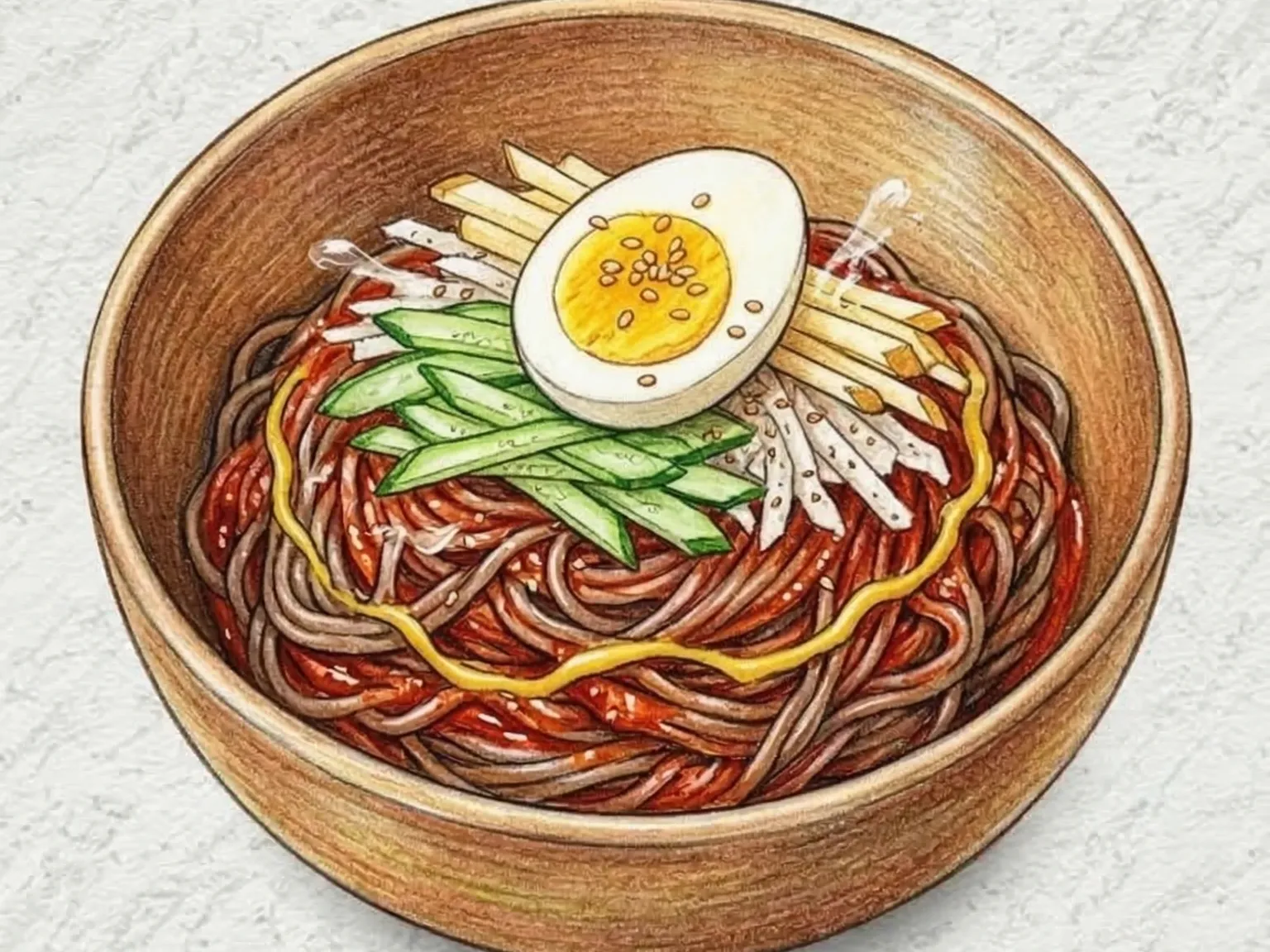
Hoe naengmyeon places slices of fresh white fish sashimi over chewy cold buckwheat noodles and brings everything together with a spicy-sweet sauce. The gochujang-based dressing is built with generous amounts of vinegar and sugar, so the heat arrives alongside a sharp tang that complements the mild, springy texture of the fish rather than overpowering it. The fish should be sliced thin and evenly so that it distributes throughout the noodles when mixed. Shredded cucumber and radish contribute a cool crunch that contrasts with the silky sashimi and the dense chewiness of the noodles beneath. A halved soft-boiled egg and a scattering of sesame seeds finish the bowl. The dish is meant to be mixed vigorously so that every strand of noodle, piece of fish, and strip of vegetable is coated in the vivid red sauce, though eating it piece by piece before mixing lets you taste each component separately. The dish traces its roots to the cold noodle culture of the Sokcho and Hamhung regions in Gangwon Province and is now a popular summer specialty at naengmyeon restaurants and raw fish eateries across the country.

🍺 Bar Snacks🎉 Special Occasion
Prep 20minCook 5min2 servings
Korean Clear Noodle Soup (Anchovy Broth Somyeon)
NoodlesEasy

Korean Clear Noodle Soup (Anchovy Broth Somyeon)

Mul guksu is a Korean noodle soup where thin somyeon noodles sit in a clear anchovy-kelp broth, served warm or chilled as a refreshing summer meal. The broth is made by simmering dried anchovies with heads and innards removed, along with kelp, green onion, and garlic, for about fifteen minutes over medium heat. Briefly dry-toasting the anchovies in a pan before boiling reduces any fishiness and adds a subtle nuttiness to the base. Seasoning with salt and chilling the broth before serving heightens the clean, cooling quality that makes this soup appealing in hot weather. Somyeon noodles are boiled and rinsed several times in cold water to strip away surface starch, which keeps the strands translucent, separate, and satisfyingly bouncy rather than clumped and gluey. The chilled broth poured over the rinsed noodles stays clear and light, not clouded by starch. Dried seaweed flakes and sesame seeds add a briny nuttiness, sliced green onion provides a sharp aromatic contrast against the mild broth, and a drizzle of sesame oil rounds everything off. This soup is equally good served warm with a hot broth or cold with an iced one, and works as a light lunch that satisfies without weighing down.

🏠 Everyday
Prep 10minCook 20min2 servings
Korean Tteokbokki Noodles
NoodlesEasy

Korean Tteokbokki Noodles

Tteok-bokkeum-myeon stir-fries udon noodles and cylindrical rice cakes together in a gochujang-based sauce that is both spicy and slightly sweet. The two main components offer contrasting textures - stretchy rice cakes and springy noodles - coated in the same thick, red sauce. Fish cake and boiled eggs are common additions. The dish takes about 25 minutes from start to plate, with most of the work being chopping ingredients and stirring everything in a single pan. It is a staple of Korean street-food culture.

🏠 Everyday🌙 Late Night
Prep 10minCook 15min2 servings
Korean Pork Noodle Soup (Jeju Milky Pork Bone Broth Noodles)
NoodlesMedium

Korean Pork Noodle Soup (Jeju Milky Pork Bone Broth Noodles)

Gogi-guksu is a noodle soup from Jeju Island built on a long-simmered pork bone broth. Hours of boiling coax the collagen and marrow from the bones, turning the liquid milky-white and giving it a rich, full-bodied character that carries deep pork flavor in every spoonful. Green onion and garlic added to the pot during cooking suppress the gamey edge of the bones while rounding the flavor into something cleaner and more balanced. A single spoonful of doenjang stirred in before serving introduces fermented soybean depth that elevates the broth well beyond a simple bone stock. Thin somyeon noodles are cooked separately and rinsed under cold water after draining to wash off excess starch, which keeps them springy and distinct when submerged in the hot broth rather than turning soft and clumpy. In Jeju, sliced pork bossam is traditionally placed on top of the noodles before serving, and the combination of tender boiled pork and the opaque, warming broth makes this one of the most comforting bowls in the island's food tradition.

🎉 Special Occasion
Prep 20minCook 90min2 servings
Bibim Dangmyeon (Spicy Glass Noodles)
Street foodEasy

Bibim Dangmyeon (Spicy Glass Noodles)

Bibim dangmyeon is a Korean bunsik dish of boiled sweet potato starch noodles tossed together with vegetables in a dressing of gochujang, vinegar, and sugar. The noodles are cooked in boiling water until just tender, then drained and rinsed thoroughly in cold water. The cold rinse is the step that determines the final texture of the entire dish. Skipping it leaves the noodles hot and continuing to soften in their own residual heat, and they eventually stick together in a clump. Running cold water over them immediately halts the cooking, sets the starch, and produces the transparent, chewy, springy texture that defines a well-made dangmyeon. Julienned cucumber and carrot add crunch and visual contrast in the bowl. A pan-fried egg sliced into thin strips and placed on top contributes a mild, rich note and completes the visual presentation. The dressing is a balance of three distinct flavor elements: the heat and fermented depth of gochujang, the acidity of vinegar, and the sweetness of sugar. All three need to coat every strand of noodle evenly, which requires thorough tossing rather than a light fold. Sesame oil added at the end prevents the noodles from sticking together as they sit while also contributing a warm, nutty finish. Because the noodles continue absorbing the dressing over time, the dish is best eaten immediately after preparation when the texture is at its most distinct. The dressing can be made in advance and refrigerated, and garlic chives or perilla leaves can substitute for the cucumber and carrot. Adding thinly sliced bulgogi or a soft-boiled egg provides protein without disrupting the overall balance of the dish.

🌙 Late Night Quick
Prep 15minCook 5min2 servings
Korean Tofu Stew (Spicy Kimchi & Firm Tofu Pot)
StewsEasy

Korean Tofu Stew (Spicy Kimchi & Firm Tofu Pot)

Dubu jjigae is a spicy Korean stew built on firm tofu and fermented kimchi simmered together in anchovy stock. Gochugaru goes into the broth first to establish a vivid red, peppery base; from that point, the kimchi releases its fermented tang with each additional minute over heat, steadily deepening the broth. Green onion adds fragrance, and the tofu absorbs the surrounding liquid the longer it cooks. With only five or so main ingredients, this is an efficient dish - the fermented kimchi handles the complexity, producing layered acidity and depth that reads far richer than the short ingredient list would suggest.

🏠 Everyday
Prep 10minCook 15min2 servings
More Noodles →