Korean Grilled Gizzard Shad
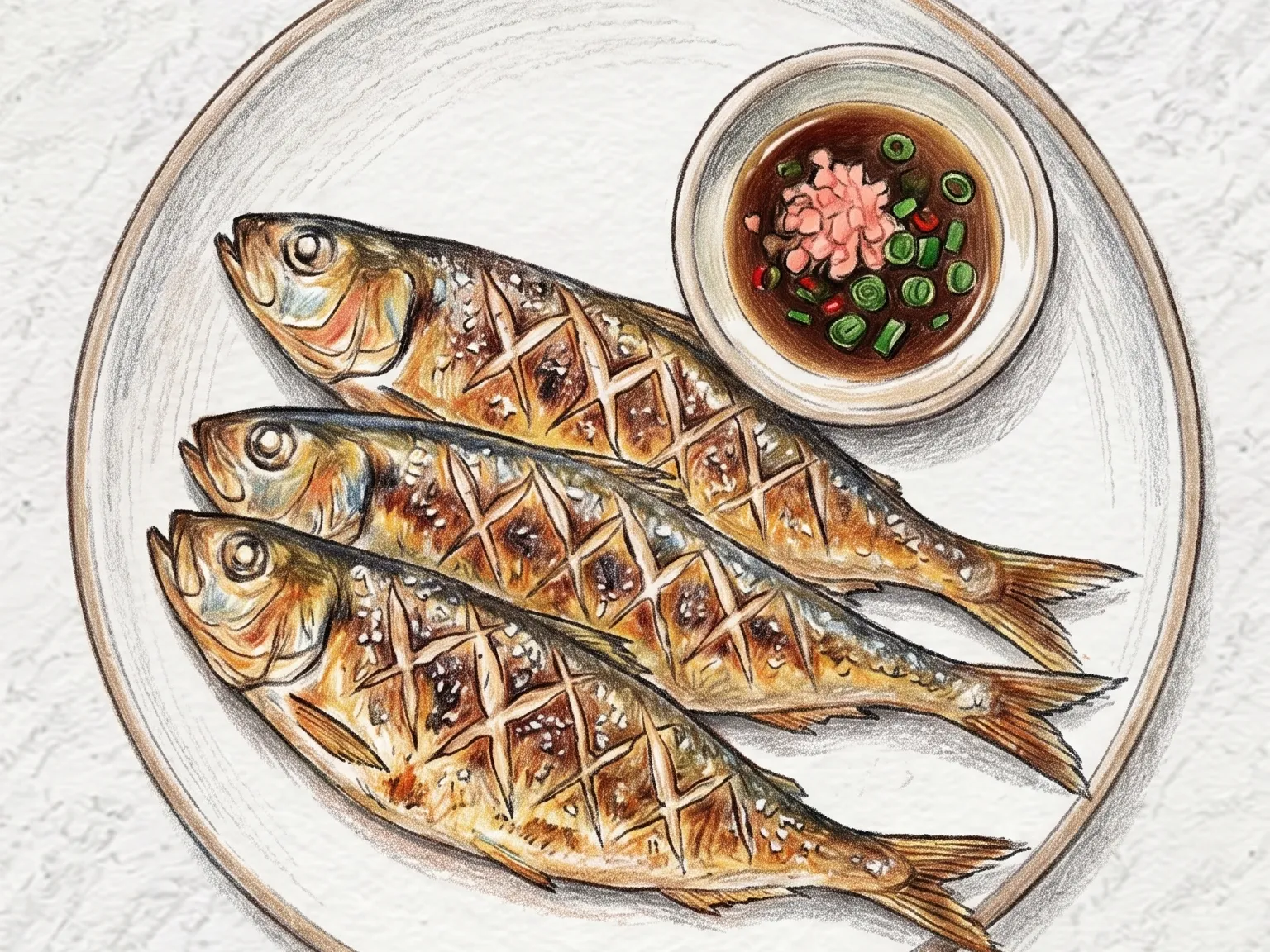
Gizzard shad, prized in autumn, is scored on both sides, seasoned with coarse salt, and rested for ten minutes before grilling. The salt draws out surface moisture, reducing fishiness and producing a crisp skin when it hits the hot pan. A ginger soy dipping sauce made from minced ginger, soy sauce, vinegar, and sliced green chili accompanies the fish, balancing its oily richness with sharp acidity.
Adjust Servings
Instructions
- 1
Scale and gut the gizzard shad, rinse well under running water, and pat completely dry.
- 2
Score both sides lightly, season evenly with coarse salt, and let rest for 10 minutes.
- 3
Finely mince the ginger, slice the chili, and mix with soy sauce and vinegar to make a ginger soy dip.
- 4
Brush a hot pan or grill lightly with oil, then cook the fish over medium-high heat for 4-5 minutes per side.
- 5
When the skin is crisp and the flesh is cooked through, remove and rest for 1 minute.
- 6
Serve with lemon wedges and enjoy immediately with the ginger soy dipping sauce.
As an Amazon Associate, we may earn from qualifying purchases.
Tips
Nutrition (per serving)
More Recipes

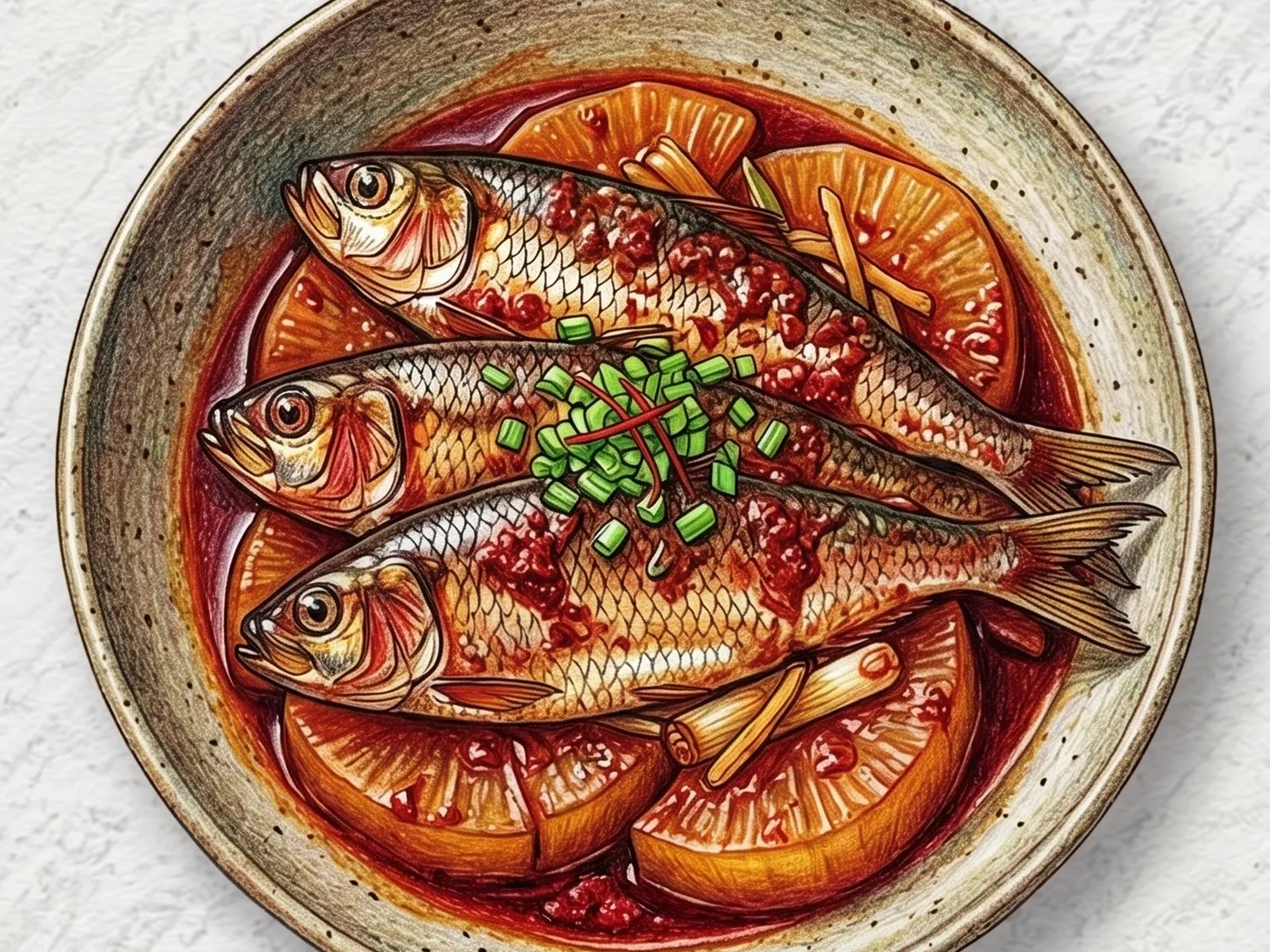
Korean Braised Gizzard Shad
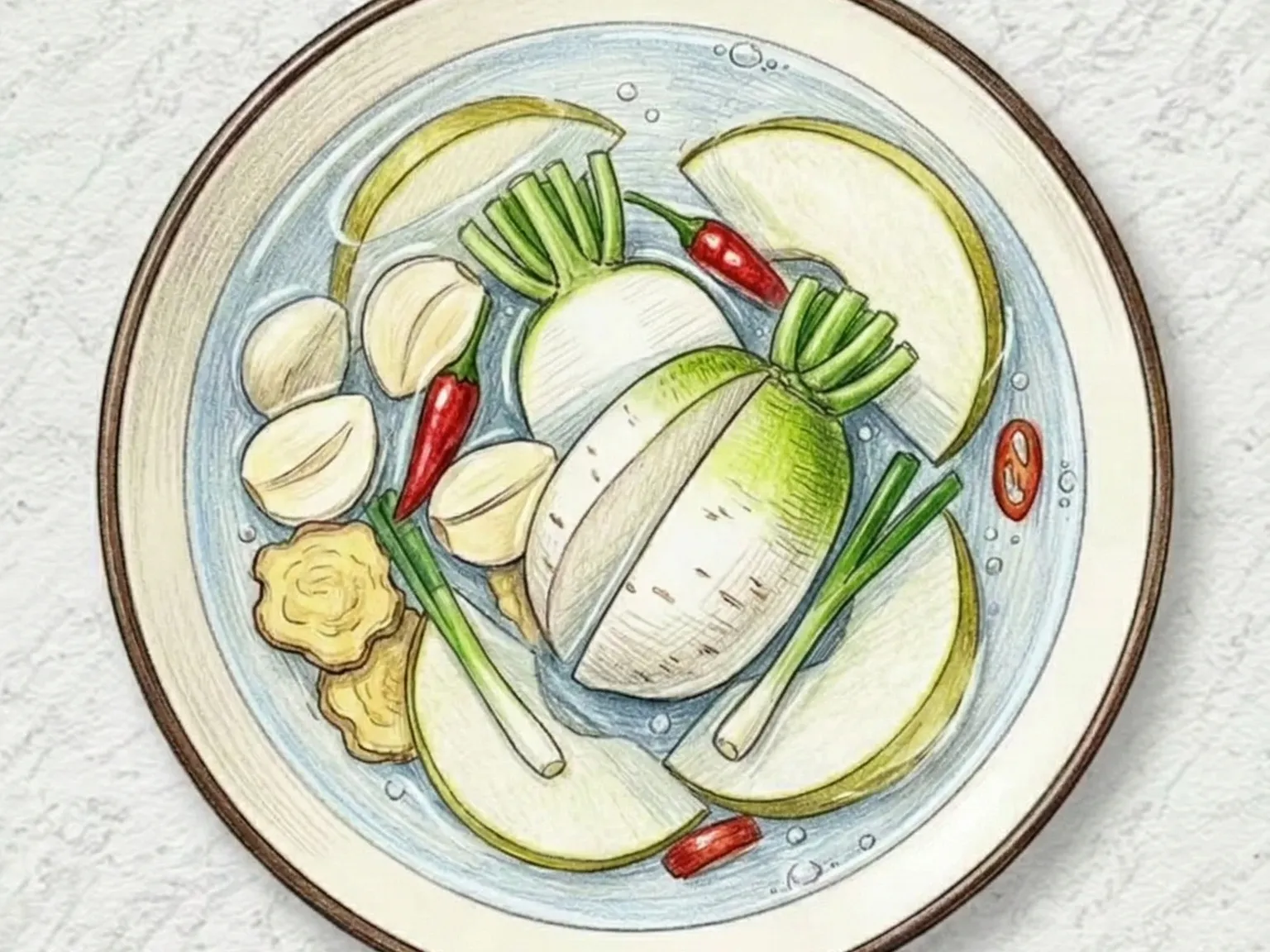
Jeoneo-jjim is braised gizzard shad with Korean radish in a spicy soy sauce and gochugaru seasoning, a dish best enjoyed in autumn when the fish is at its fattiest. Radish slices are layered on the bottom of the pot to act as both a bed and a flavor sponge, absorbing the braising liquid and turning sweet as they cook. The gizzard shad's naturally oily flesh pairs well with the bold chili and garlic seasoning, while ginger keeps the flavor profile clean. Green onion is added in the final minutes for fragrance, and the remaining sauce is traditionally spooned over rice.

Korean Spicy Grilled Gizzard Shad
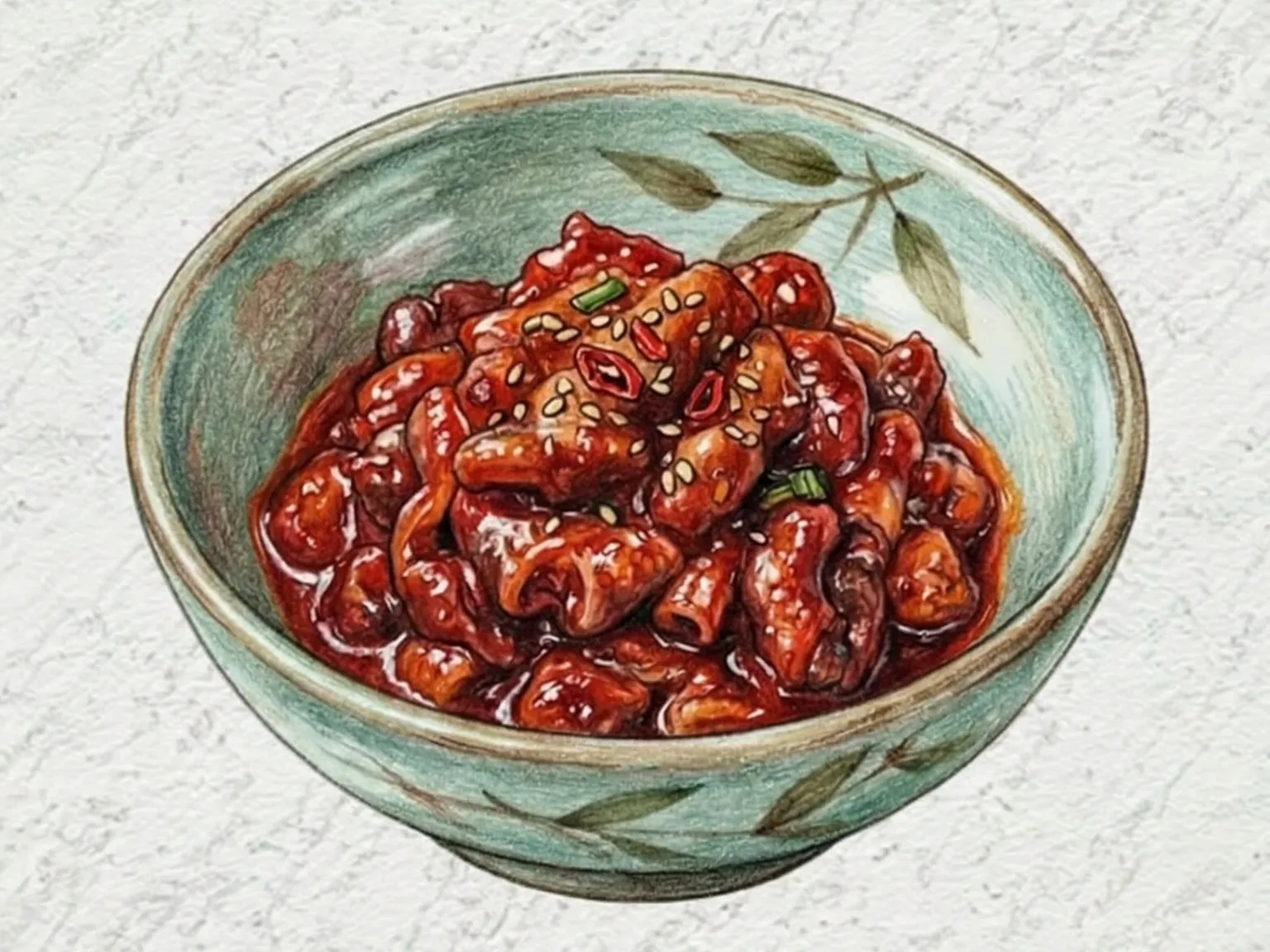
Baendaengi yangnyeom gui is a Korean grilled fish dish where scored gizzard shad are coated in a gochujang-based glaze and cooked until caramelized. Scoring the fish serves a dual purpose: it allows the seasoning to penetrate into the flesh and breaks the fine pin bones so they become less noticeable when eating. The sauce mixes gochujang, soy sauce, oligosaccharide syrup, gochugaru, and ginger juice, the latter neutralizing any fishy smell while adding a warm, sharp note. Because the sugar content in the glaze is high, medium heat must be maintained throughout; high heat chars the coating before the fish cooks through, while medium heat allows three to four minutes per side for even browning. The oligosaccharide caramelizes under heat into a glossy, amber coating that makes the finished fish visually appealing. A scattering of toasted sesame seeds adds a nutty fragrance as a final touch. The small size of gizzard shad means they are eaten bones and all, and the intense spicy-sweet glaze makes them equally suited as a rice side dish or a drinking accompaniment.

Korean Grilled Beltfish (Galchi-gui)
Golden, crispy-skinned, and melt-in-your-mouth tender - galchi-gui is Jeju Island's signature grilled fish, loved across Korea for its rich, buttery flavor. Silver-skinned beltfish steaks are salted and pan-fried until golden on both sides. The high fat content means the flesh self-bastes as it cooks, crisping the skin without added oil and keeping the interior moist long after it leaves the heat. Cutting each steak about three centimeters thick ensures even cooking: thinner pieces dry out quickly, while thicker ones burn on the outside before the center is done. A squeeze of lemon at the table cuts through the richness of the oily fish with clean acidity.

Korean Grilled Yellowtail
Bangeo-gui is a Korean salt-grilled yellowtail dish that relies on the fish's own winter fat for flavor rather than elaborate seasoning. Yellowtail caught in the cold months develops a thick fat layer under its skin, so coarse salt alone is enough to bring out its natural richness. Patting the surface bone-dry before grilling is essential: moisture interferes with the crisping of the skin, which should be pressed against a medium-heat pan for six to seven minutes until it turns brittle and golden. Grated fresh daikon and a squeeze of lemon are served alongside to cut through the oiliness with sharp, clean acidity.

Korean Euneo Sogeum-gui (Salt-Grilled Sweetfish)
Euneo-sogeum-gui is a salt-grilled freshwater sweetfish dish where whole fish, intestines intact, are seasoned only with coarse salt and cooked over charcoal or a wire grill. Sweetfish carries a distinctive fresh, cucumber-like aroma-known in Japan as the 'fragrant fish'-that heavy seasoning would mask, so salt alone is the right choice. The intestines contain a mix of bitterness and umami, and eating the whole fish including the organs is traditional; grilling slowly over medium heat while rotating ensures the skin crisps evenly without drying out the flesh inside. A squeeze of lemon at the table rounds out the experience, its acidity tempering the slight bitterness of the organs.

Korean Salt-Grilled Shrimp
Saeu-sogeum-gui is a Korean salt-bed grilled shrimp prepared by spreading coarse salt in a heavy pan, laying whole shell-on shrimp over it, and covering with a lid to cook. The thick layer of heated salt acts as an indirect heat source that traps moisture inside the shells, so the shrimp flesh steams from within and retains its natural sweetness. After four minutes covered, the shrimp are flipped for three more minutes, then finished with a light coat of melted butter that adds richness on top of the salt's seasoning. Black pepper, chopped parsley, and a wedge of lemon complete the dish, proving that minimal ingredients and a simple technique can concentrate shrimp flavor more effectively than elaborate sauces.