Korean Spicy Pork Rice Cup
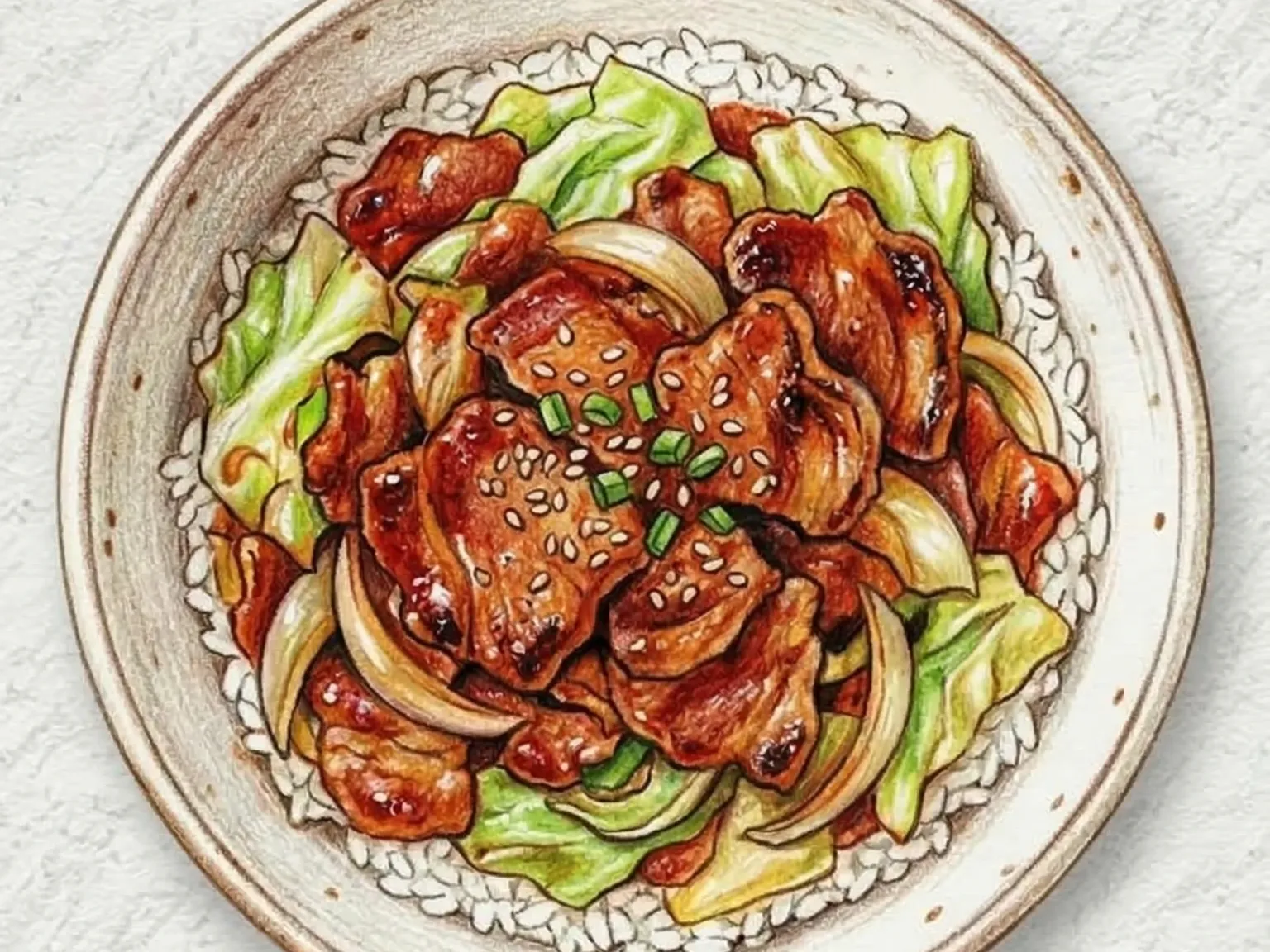
Jeyuk cupbap is a Korean street-style rice cup topped with pork shoulder stir-fried in a sauce of gochujang, soy sauce, sugar, and garlic, along with onion and cabbage. The gochujang-sugar combination creates a spicy-sweet glaze on the pork, which picks up smoky notes from high-heat cooking. Cabbage is added late to keep its crunch, and the onion's natural sweetness offsets the chili heat. Slightly cooled rice is used in the cup to prevent the dish from turning soggy.
Adjust Servings
Instructions
- 1
Slice pork into bite-size pieces and shred cabbage and onion.
- 2
Mix gochujang, soy sauce, sugar, and garlic for the pork sauce.
- 3
Heat oil and stir-fry pork first until the surface is cooked.
- 4
Add onion and cabbage, stir-fry 2 minutes, then add sauce and coat evenly.
- 5
Cook 3–4 more minutes over medium heat to reduce excess moisture.
- 6
Fill cups with rice and top with spicy pork stir-fry to serve.
As an Amazon Associate, we may earn from qualifying purchases.
Tips
Nutrition (per serving)
More Recipes

Tuna Mayo Rice Bowl (Chamchi Mayo Cupbap) — Easy Korean Bunsik Recipe
Creamy tuna and mayo over hot rice in just 18 minutes - Korea's favorite grab-and-go bunsik cup meal. Drain the canned tuna well to keep the rice from going soggy, stir-fry onion and scallion until sweet, then fold in mayo off the heat for a silky finish. A shower of crushed seaweed on top adds oceanic crunch. Mix everything together so the savory tuna-mayo sauce coats every grain.

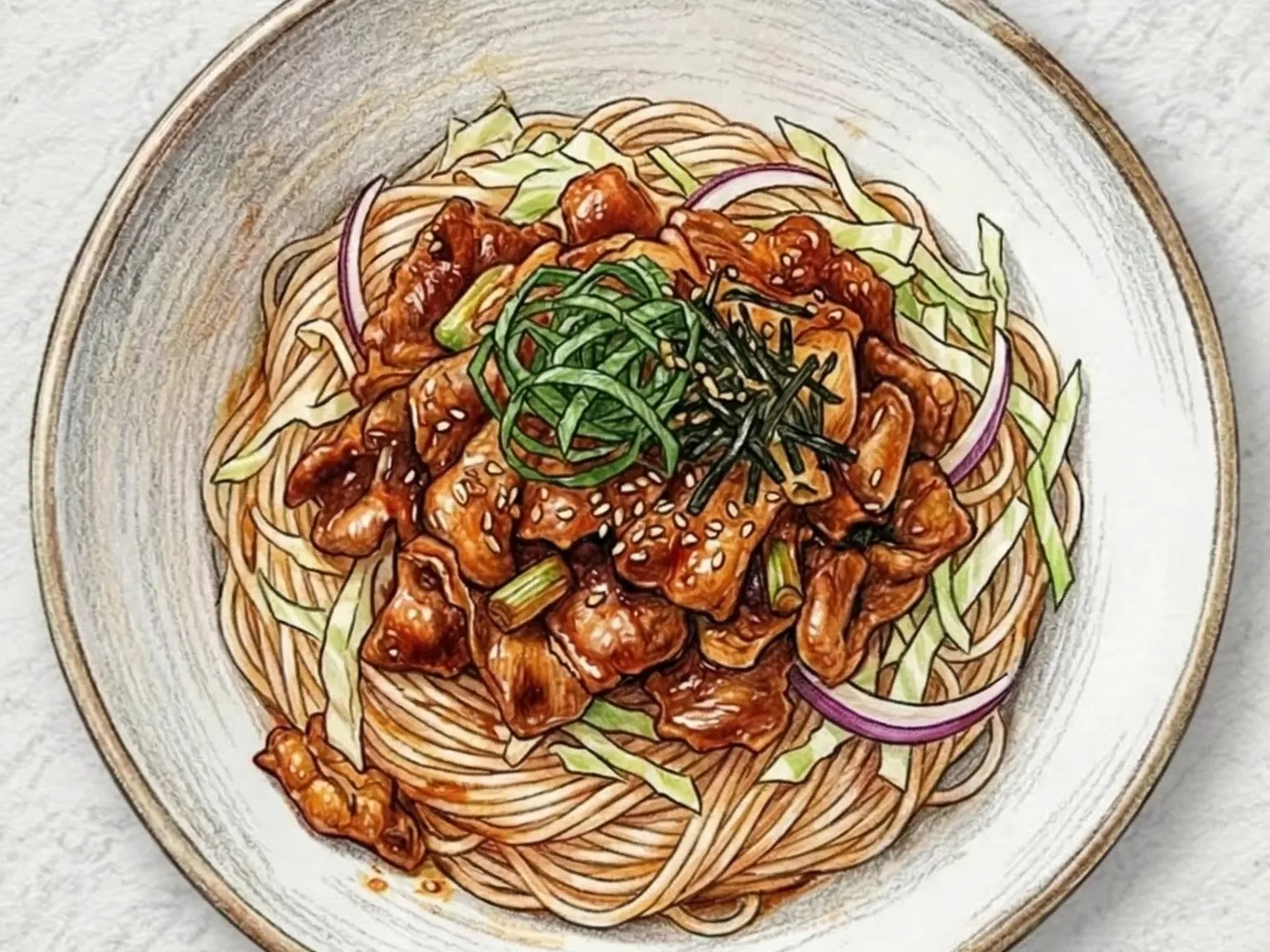
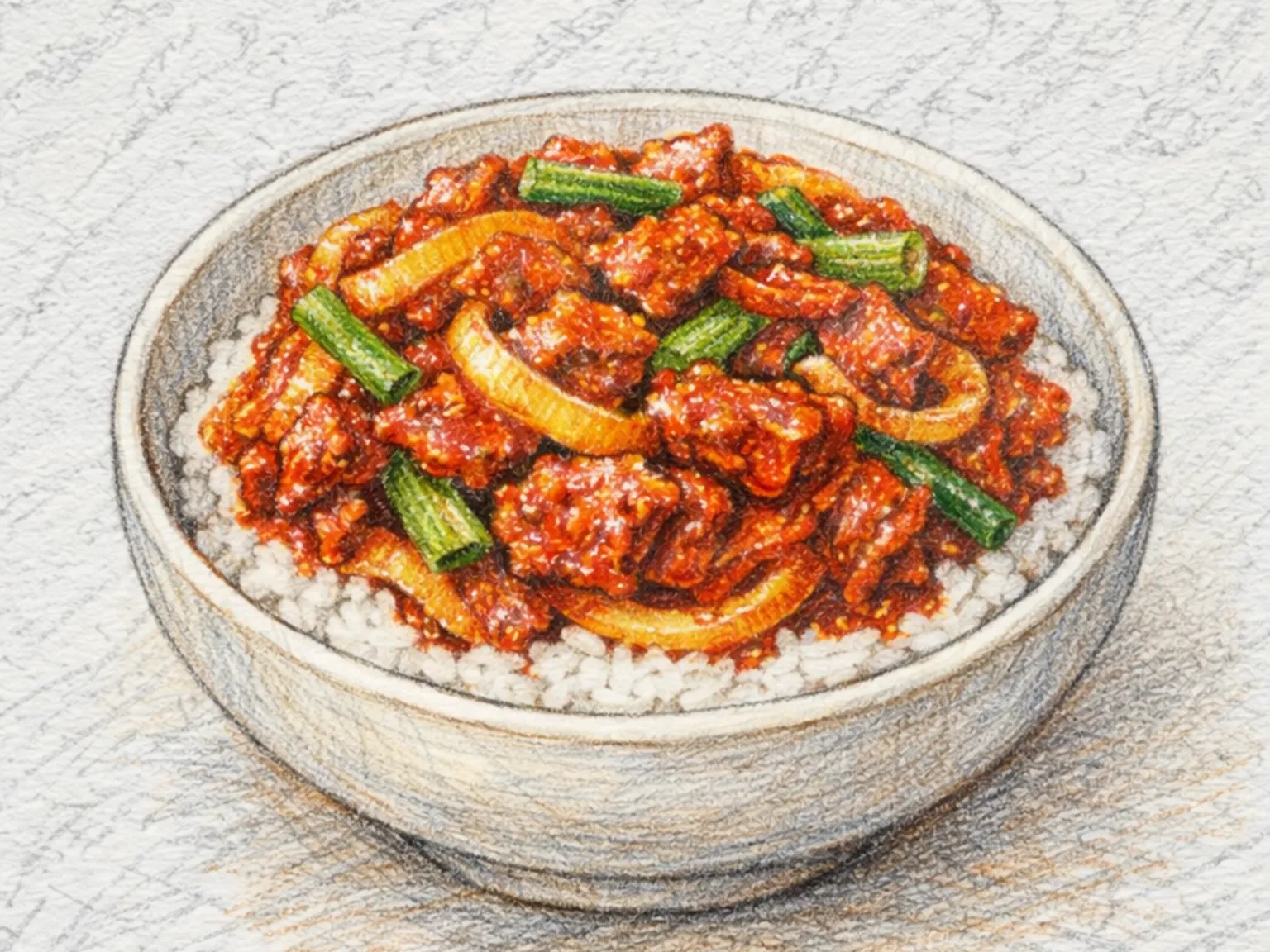
Korean Spicy Pork Rice Bowl
Pork shoulder is sliced into strips, marinated in gochujang, chili flakes, soy sauce, garlic, and sugar for ten minutes, then stir-fried over high heat until the edges caramelize. Onion goes in first to build sweetness, and green onion added at the end brings a sharp, fresh bite that cuts through the spicy-sweet glaze. A final drizzle of sesame oil rounds out the aroma. Served over steamed rice, the bold sauce coats every grain, making this a satisfying single-bowl meal that comes together in under thirty minutes.

Korean Bunsik Kimchi Bokkeumbap (Kimchi Fried Rice)
Bunsik-style kimchi fried rice starts by making scallion oil from green onions, then stir-frying well-fermented kimchi to drive off moisture before seasoning with gochujang and soy sauce and tossing in day-old rice. The scallion oil lays a nutty base across the rice, and the aged kimchi's sharp acidity layers with the gochujang's heat to build depth. Cold leftover rice fries without turning mushy, keeping individual grains distinct, and the dish is topped with seaweed flakes and a runny fried egg. A small amount of sugar can be added if the kimchi's sourness is overpowering.

Korean Maekom Mayo Yubu Pocket (Spicy Mayo Tofu Pockets)
Spicy mayo yubu pockets are seasoned tofu pouches stuffed with rice, canned tuna, chopped pickled radish, and cucumber, all bound together with a gochujang-mayonnaise sauce. The tuna is drained before mixing, and the combination of mayonnaise and gochujang creates a creamy base with a building heat. Diced pickled radish and cucumber add crunch between each spoonful of rice. Sesame oil and seeds in the rice provide a nutty foundation that tempers the spice, while the sweet-salty braised tofu pocket wraps everything in a cohesive layer of flavor.

Korean Spicy Rice Cakes (Gochujang Braised Chewy Tteok with Fish Cake)
Tteokbokki is Korea's signature street-food dish, made by simmering cylindrical rice cakes and flat fish cake in a sauce of gochujang, gochugaru, sugar, and soy sauce. As the broth reduces, starch from the rice cakes thickens the liquid into a glossy, clinging glaze that coats every piece. The fish cake absorbs the surrounding spice while contributing its own subtle seafood depth to the pot. A scattering of green onion added at the last moment introduces a bright, herbal note that cuts through the sweet heat.

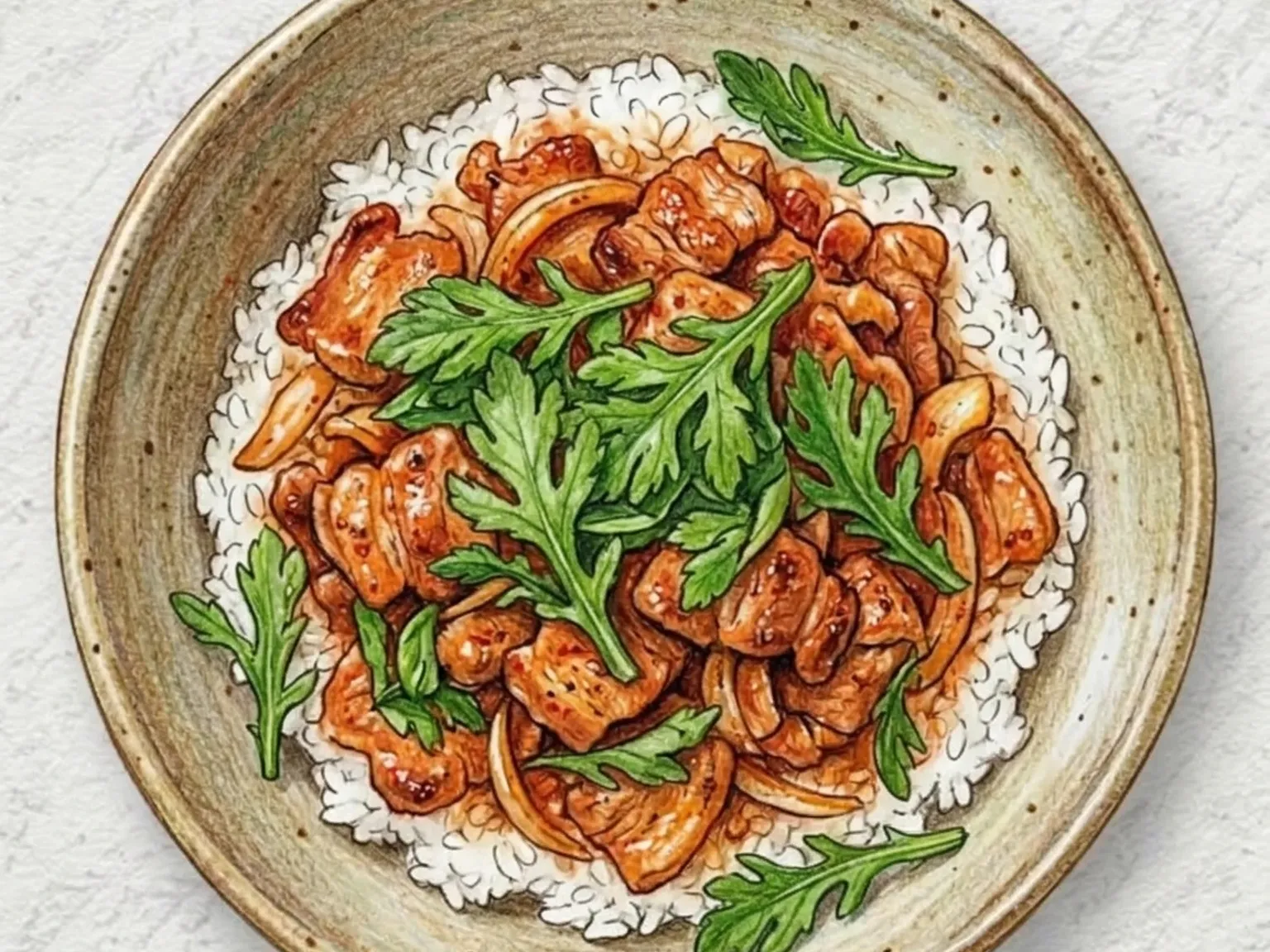
Korean Bulgogi Deopbap (Pork Rice Bowl)
Spicy-sweet pork bulgogi piled over rice with aromatic crown daisy greens - a one-bowl Korean dinner ready in 30 minutes. Gochujang-marinated pork shoulder is stir-fried with onion over high heat and finished with a handful of crown daisy greens. The marinade layers gochujang, chili flakes, soy sauce, sugar, and garlic into a sauce that is simultaneously spicy, sweet, and deeply savory. Pork shoulder renders enough fat during cooking to carry the sauce into the rice below, creating a rich base. Crown daisy goes in during the final thirty seconds - just long enough to wilt slightly and release its herbal, almost chrysanthemum-like fragrance, which cuts through the heaviness of the pork and sauce with a green, aromatic brightness. The timing of the ssukgat addition is critical: too early and it turns limp and bitter, too late and the aroma stays locked inside the leaves. The finished bowl needs no accompaniment to feel complete.