Charim

2686 Korean & World Recipes

2686+ Korean recipes, clean and organized. Ingredients to instructions, all at a glance.

Korean Butter Soy Stir-fried Dried Squid

Korean Butter Soy Stir-fried Dried Squid

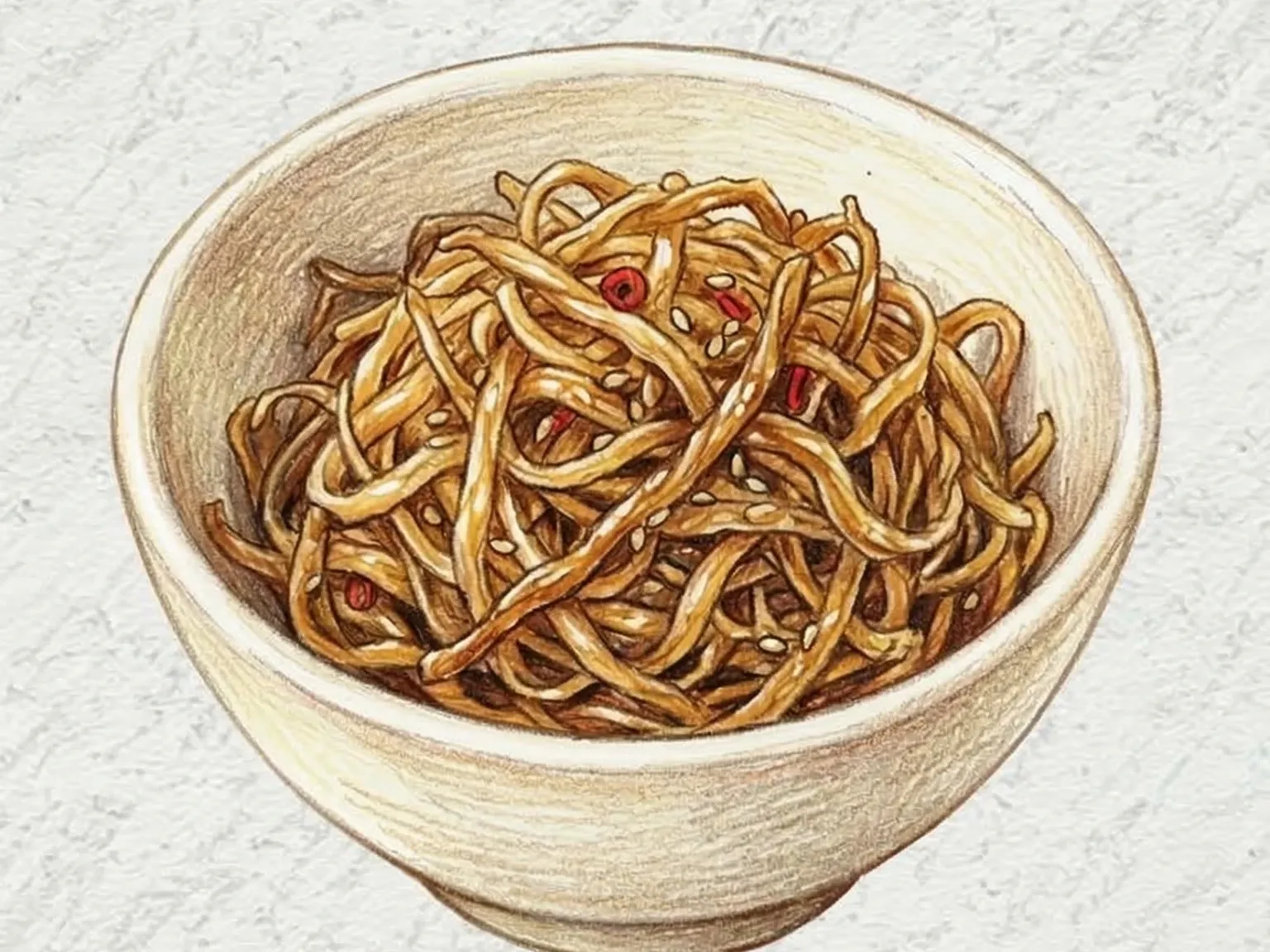
Butter-soy jinmichae-bokkeum stir-fries dried shredded squid (jinmichae) in melted butter with soy sauce and oligosaccharide syrup, producing a side dish that is rich, salty-sweet, and distinctly different from the gochujang-dressed version. The butter's milk fat coats each strand, giving a smoother mouthfeel than oil-based preparations. Garlic goes into the melted butter first - just twenty seconds - followed by the soy-syrup mixture to build the glaze base, then the squid strands are added and tossed for no more than two to three minutes. Overcooking on high heat causes the squid proteins to contract and toughen, so quick handling is essential. Half a tablespoon of gochugaru adds gentle warmth and color without masking the butter flavor. This banchan is popular in children's lunchboxes and doubles as a snack alongside beer.

Prep 10minCook 8min4 servings

Adjust Servings

2servings
servings

Instructions

  1. 1

    Cut squid strands if too long; moisten with 1 tbsp water if very dry.

  2. 2

    Melt butter in a pan and sauté garlic for 20 seconds.

  3. 3

    Add soy sauce, syrup, and gochugaru, mixing on low heat.

  4. 4

    Add squid and stir quickly for 2–3 minutes to coat.

  5. 5

    Turn off heat and finish with sesame oil and sesame seeds.

🛒Shop Ingredients on Amazon

As an Amazon Associate, we may earn from qualifying purchases.

Tips

Avoid high heat and long cooking to prevent toughness.
Add 1/2 tsp hot chili powder for extra heat.

Nutrition (per serving)

Calories
214
kcal
Protein
21
g
Carbs
10
g
Fat
10
g

More Recipes

Korean Spicy Gochujang Dried Squid Stir-Fry
Side dishesEasy

Korean Spicy Gochujang Dried Squid Stir-Fry

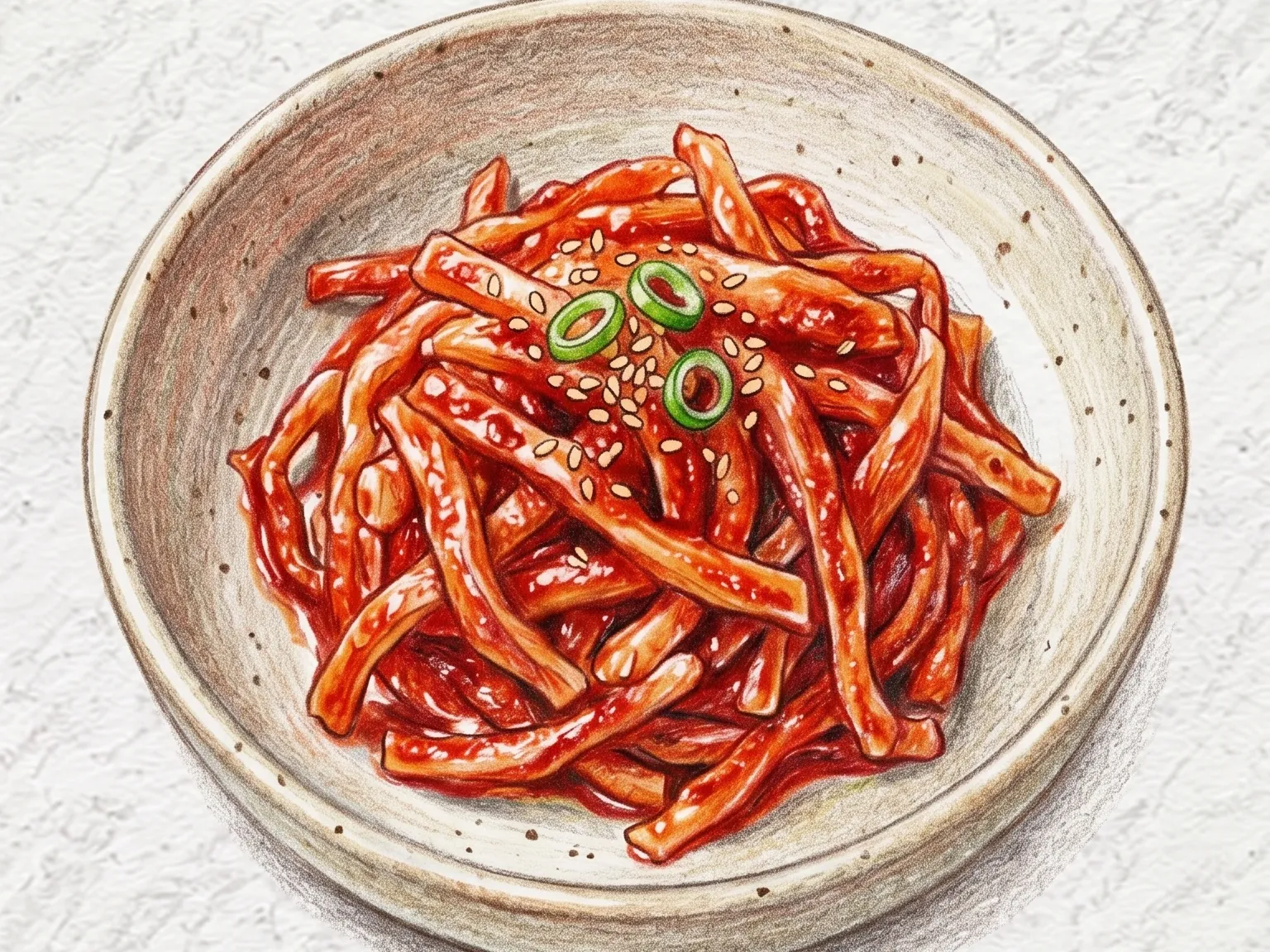
Jinmichae - shredded dried squid - is a Korean pantry staple prized for its chewy texture and umami that intensifies the longer you chew. This preparation coats the strands in a gochujang glaze, making it one of the most widely kept banchan in Korean refrigerators. Briefly soaking the dried squid in water before squeezing softens the tough fibers and opens them to absorb the sauce. The sauce - gochujang, gochugaru, rice syrup, soy sauce, and garlic - is stir-fried first over low heat to mellow the raw chili edge, then the squid is tossed through quickly. Sesame oil and seeds finish the dish off heat, producing a sweet-spicy coated snack that keeps well for days.

🏠 Everyday🍱 Lunchbox
Prep 8minCook 7min4 servings
Korean Spicy Stir-Fried Fish Cake
Side dishesEasy

Korean Spicy Stir-Fried Fish Cake

Square fish cake sheets are cut into bite-size pieces and stir-fried in a gochujang-based glaze that balances heat with sweetness. Blanching the fish cake briefly before cooking removes excess oil and opens the surface so the sauce adheres more evenly. Over high heat, the edges of each piece caramelize lightly, adding a subtle smoky note that deepens the overall flavor. The sauce combines gochujang, soy sauce, and oligodang, a Korean corn syrup that gives the glaze its glossy finish and tempers the chili paste's sharpness. Onion slices soften quickly in the pan, releasing moisture that deglazes the base and contributes their own natural sweetness to the sauce. Green onion added at the very end keeps its fresh bite, providing an aromatic counterpoint to the rich coating. Sesame seeds scattered on top round out the dish with a nutty finish. Because the glaze intensifies rather than deteriorates when cooled, this banchan holds up well in packed lunches.

🏠 Everyday🍱 Lunchbox
Prep 8minCook 10min4 servings
Korean Sweet Spicy Stir-fried Filefish Jerky
Stir-fryEasy

Korean Sweet Spicy Stir-fried Filefish Jerky

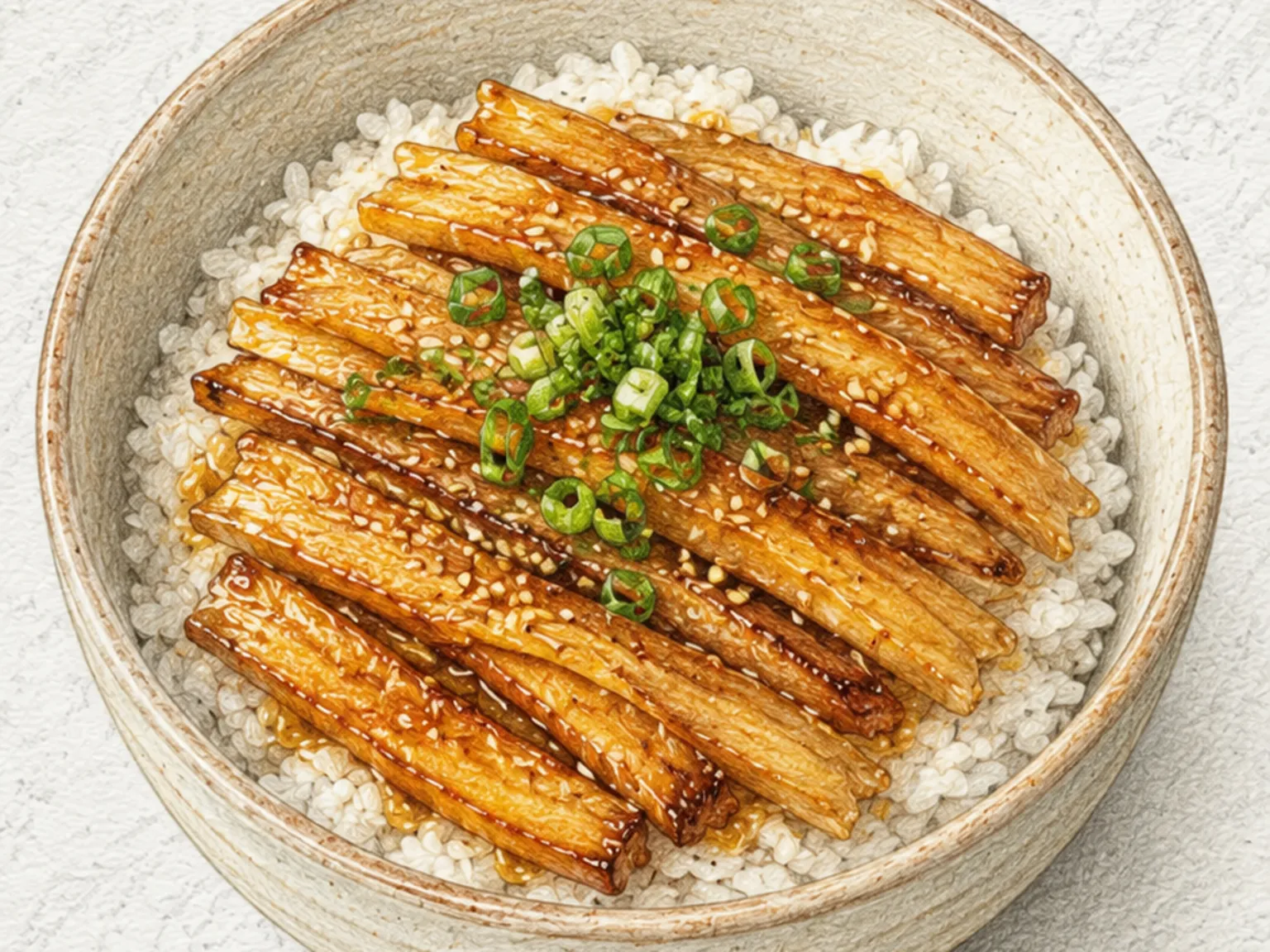
Jjipo-bokkeum is a Korean side dish made from flat dried filefish jerky cut into pieces, lightly pan-fried, then coated in a sweet-spicy glaze of gochujang, oligosaccharide syrup, and soy sauce. Each chew releases the jerky's concentrated salty umami, softened by the syrupy glaze that gives the surface a glossy sheen. The dish stores well at room temperature for days without losing flavor. It is a versatile banchan that works as a rice side, an afternoon snack, or a drinking companion.

🏠 Everyday🍱 Lunchbox
Prep 8minCook 7min4 servings
Korean Stir-Fried Eggplant Banchan
Side dishesEasy

Korean Stir-Fried Eggplant Banchan

Gaji bokkeum transforms eggplant - a vegetable Koreans have cultivated since the Goryeo period - into a quick, oil-glazed banchan where the cooking speed matters as much as the seasoning. The eggplant is sliced into half-moons, and the pan must be scorching hot before the pieces enter; any hesitation and the eggplant will steam rather than sear, turning it into a soggy mass. High heat with minimal oil produces lightly charred edges while the interior turns silky and almost custardy. Soy sauce, garlic, and sesame oil go in during the final thirty seconds, sizzling against the hot surface and coating each piece in a thin, caramelized layer. The dish has a concentrated, clean umami taste without the heaviness of a braised preparation. Korean home cooks make this as a weeknight banchan precisely because it takes under ten minutes from cutting board to table.

🏠 Everyday🍱 Lunchbox
Prep 10minCook 7min4 servings
Korean Stir-Fried Kimchi (Caramelized Aged Kimchi Banchan)
Side dishesEasy

Korean Stir-Fried Kimchi (Caramelized Aged Kimchi Banchan)

Kimchi-bokkeum is the default way Korean households use up kimchi that has fermented past its fresh prime. Stir-frying tempers the sharp lactic acidity that over-ripe kimchi develops - the heat transforms the sourness into something mellower, sweeter, and more rounded. Onion goes in first and cooks until translucent, laying a sweet foundation before the kimchi and garlic join. Medium heat is essential: it drives off moisture gradually, yielding a thick, concentrated sauce rather than a watery stew. A small addition of gochugaru brightens the color, and a pinch of sugar balances the fermented tang. One tablespoon of kimchi brine amplifies the umami from the lactobacillus culture itself. The finished banchan is versatile enough to eat straight over rice, fold into fried rice, or pile on top of ramyeon.

🏠 Everyday🍱 Lunchbox
Prep 8minCook 10min4 servings
Korean Stir-Fried Shrimp (Garlic Butter Soy Glazed Shrimp)
Stir-fryEasy

Korean Stir-Fried Shrimp (Garlic Butter Soy Glazed Shrimp)

Saeu-bokkeum is a Korean shrimp stir-fry cooked in melted butter with garlic, then seasoned with soy sauce, sugar, and black pepper. The shrimp are peeled and deveined, patted dry, and cooked only until they turn pink -- a matter of minutes. Butter and garlic form the aromatic base, while soy sauce and a small amount of sugar build a savory-sweet glaze that coats each shrimp without a separate sauce. Green onion scattered on top adds a fresh bite to finish.

🏠 Everyday🌙 Late Night
Prep 10minCook 8min2 servings
More Side dishes