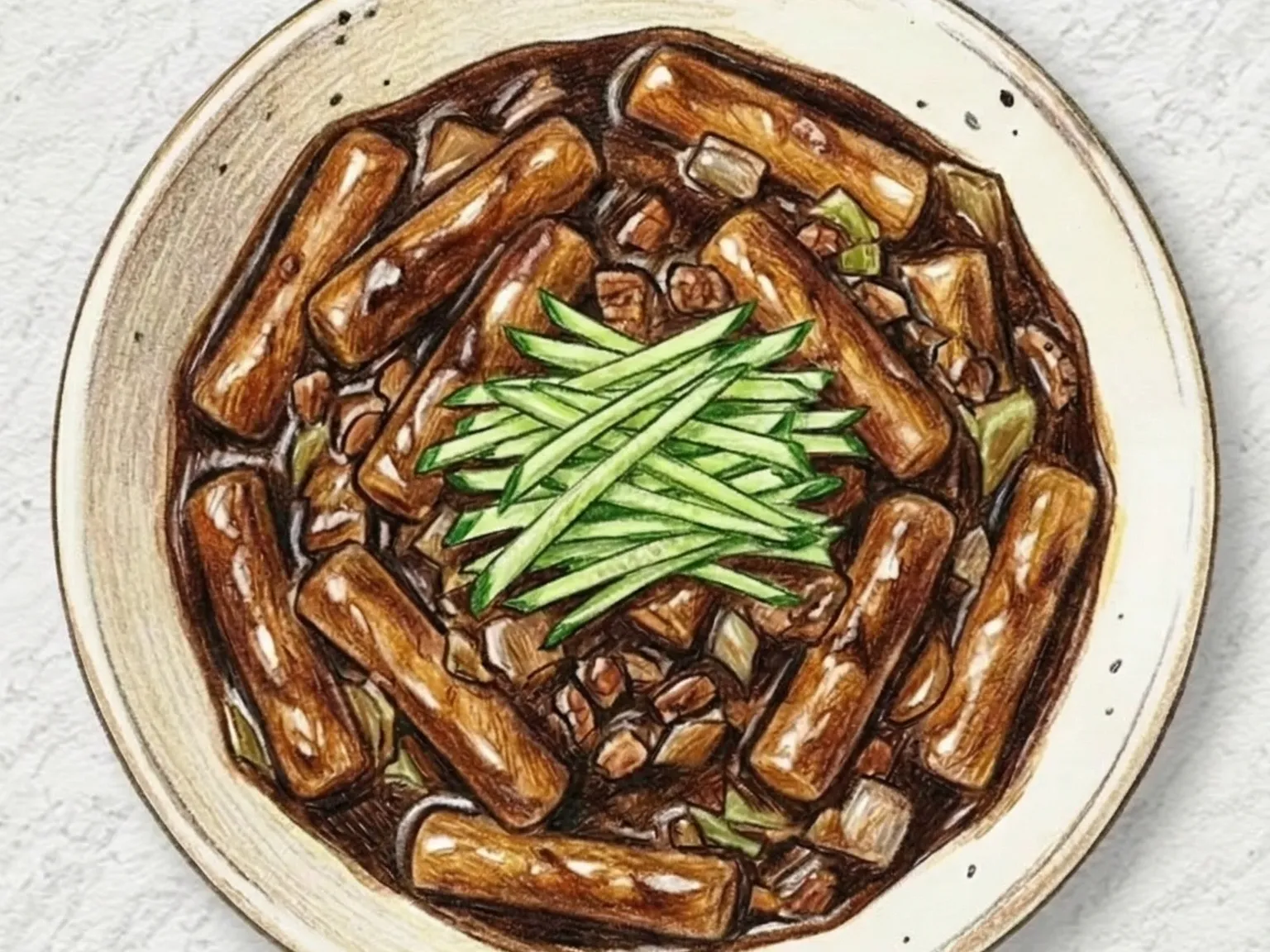
Korean Jjajang Tteokbokki
Blanch 300 g rice cake sticks for only 1 minute, because they keep cooking in the sauce. Once the pork and vegetables are cooked, add 40 g chunjang and 1 tbsp sugar and fry over medium-low heat for about 2 minutes, scraping the pan so the paste does not burn, then dissolve it in 200 ml water. Simmer the rice cakes 5 to 6 minutes, stirring often, until the sauce coats them thickly and stirring leaves a brief path.
Quick answer
- Total time
- 25 min
- Level
- Easy
- Servings
- 2 servings
- Ingredients
- 8
About this dish
Think of the black sauce on jjajangmyeon noodles, clinging to rice cakes instead.
Read more
Chunjang, the black bean paste, is fried first in the fat left by ground pork, onion, and cabbage, which takes away its raw, chalky edge. There is no gochujang, so nothing here is spicy. A pile of cucumber matchsticks on top adds crunch against the thick sauce.
Ingredients
Instructions
- 1
Separate 300 g rice cake sticks, then blanch them in boiling water for 1 minute to soften the surface.
Drain well and avoid overcooking, because the rice cakes will continue cooking later in the sauce.
- 2
Cut 100 g onion and 80 g cabbage into bite-size pieces before heating the pan.
Warm 1 tablespoon cooking oil over medium heat so the pork browns gently without scorching the black bean paste later.
- 3
Add 100 g ground pork and stir-fry over medium heat for 2-3 minutes, breaking it up as it cooks.
When the pink color disappears and a little fat renders, add the onion and cabbage.
- 4
When the vegetables look slightly translucent, add 40 g chunjang and 1 tablespoon sugar.
Lower the heat to medium-low and stir-fry for about 2 minutes, scraping the pan so the paste fries but does not burn.
- 5
Pour in 200 ml water and scrape the bottom to dissolve the fried chunjang into the liquid.
Once it boils, add the rice cakes and simmer over medium-low heat for 5-6 minutes, stirring often.
- 6
Turn off the heat when the sauce coats the rice cakes thickly and a path briefly appears as you stir.
Serve right away, and add julienned cucumber on top if desired for a cool crunch.
Use-up ingredient planner
Turn these ingredients into two more meals
The overlap excludes basic seasonings. Open the next recipe and your selected dishes will stay with you.
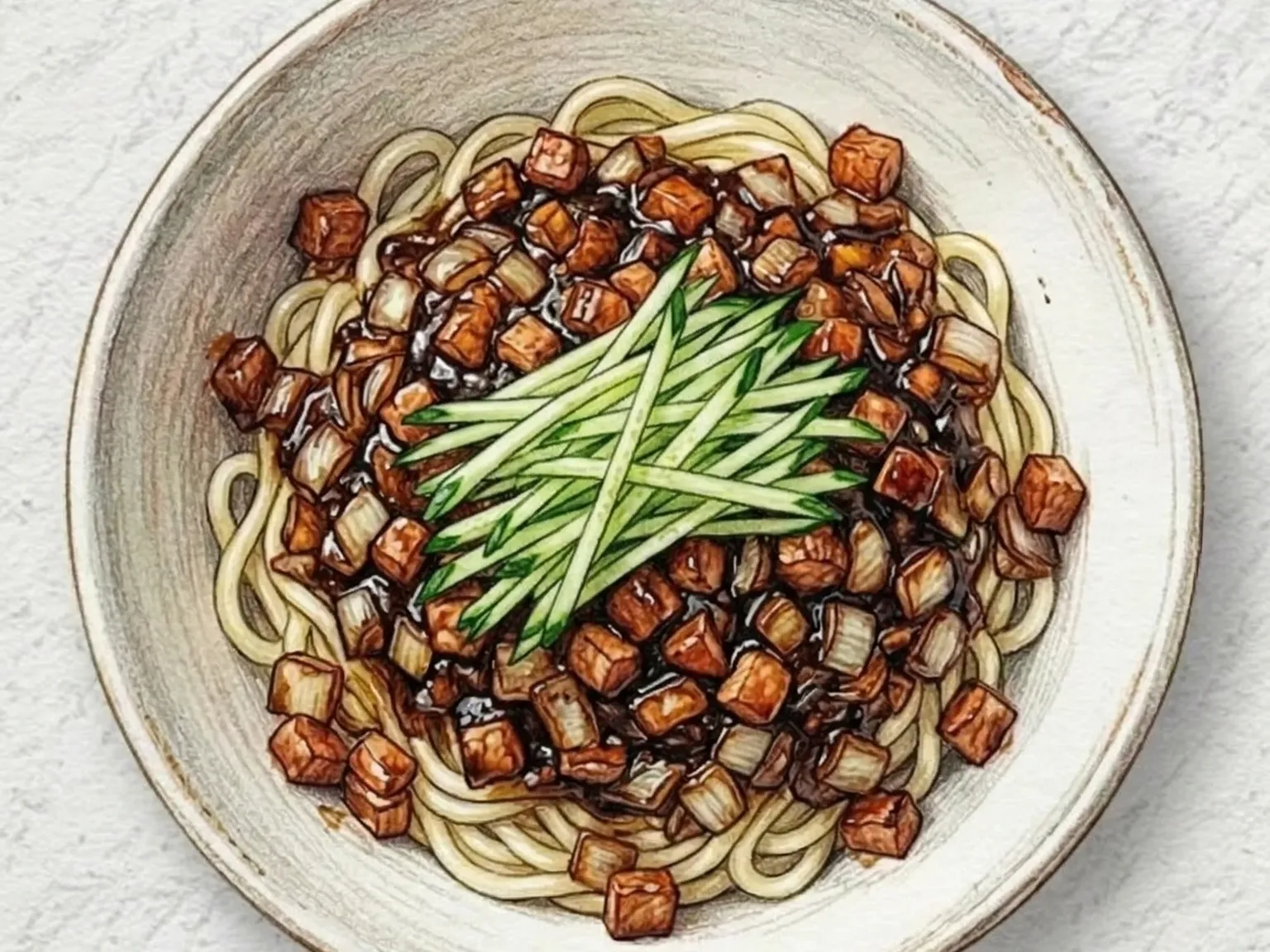
Gan Jjajangmyeon (Dry-Fried Black Bean Sauce Noodles)
Black bean paste (chunjang), Onion
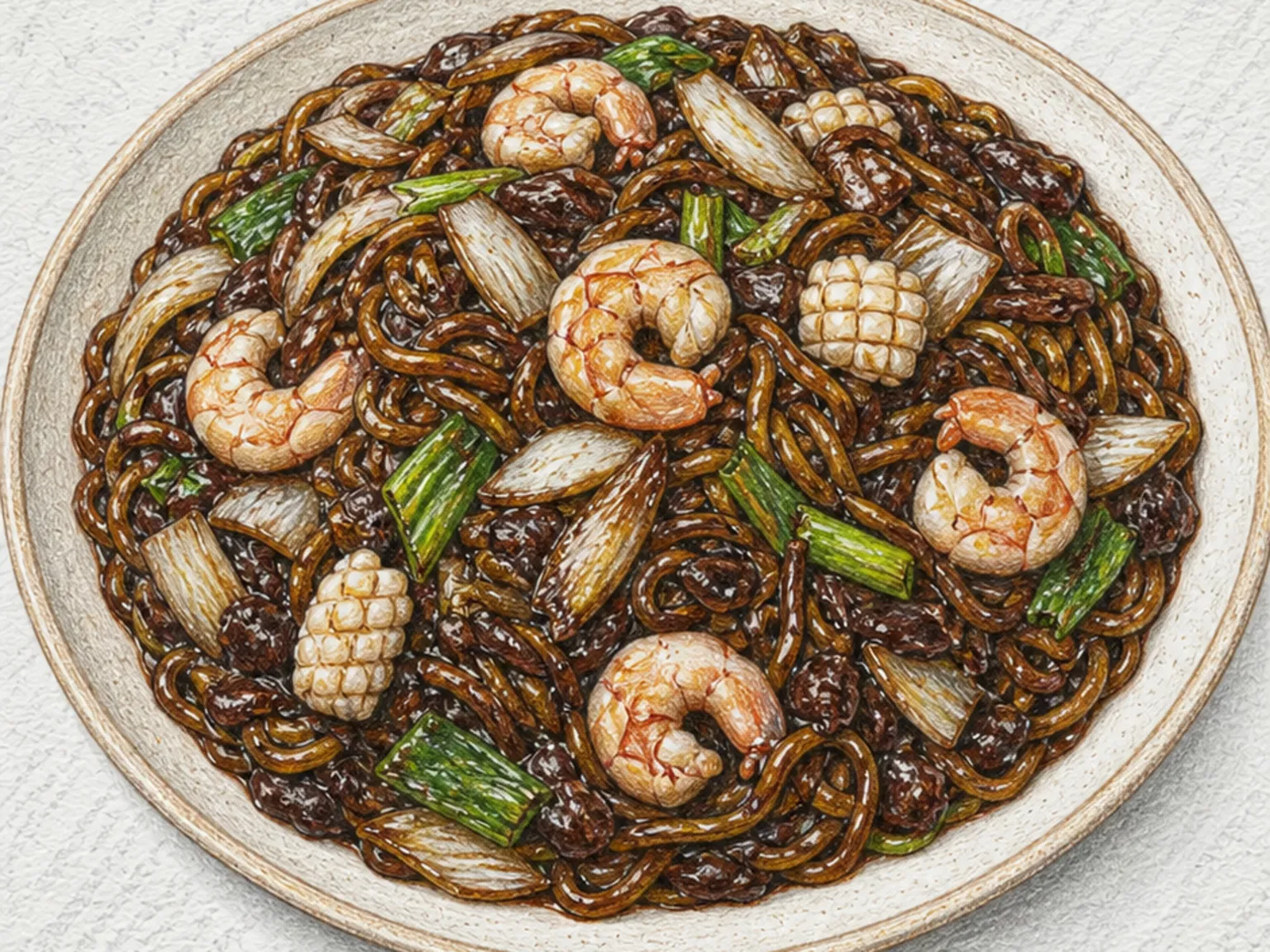
Platter Jjajang Noodles
Black bean paste (chunjang), Onion
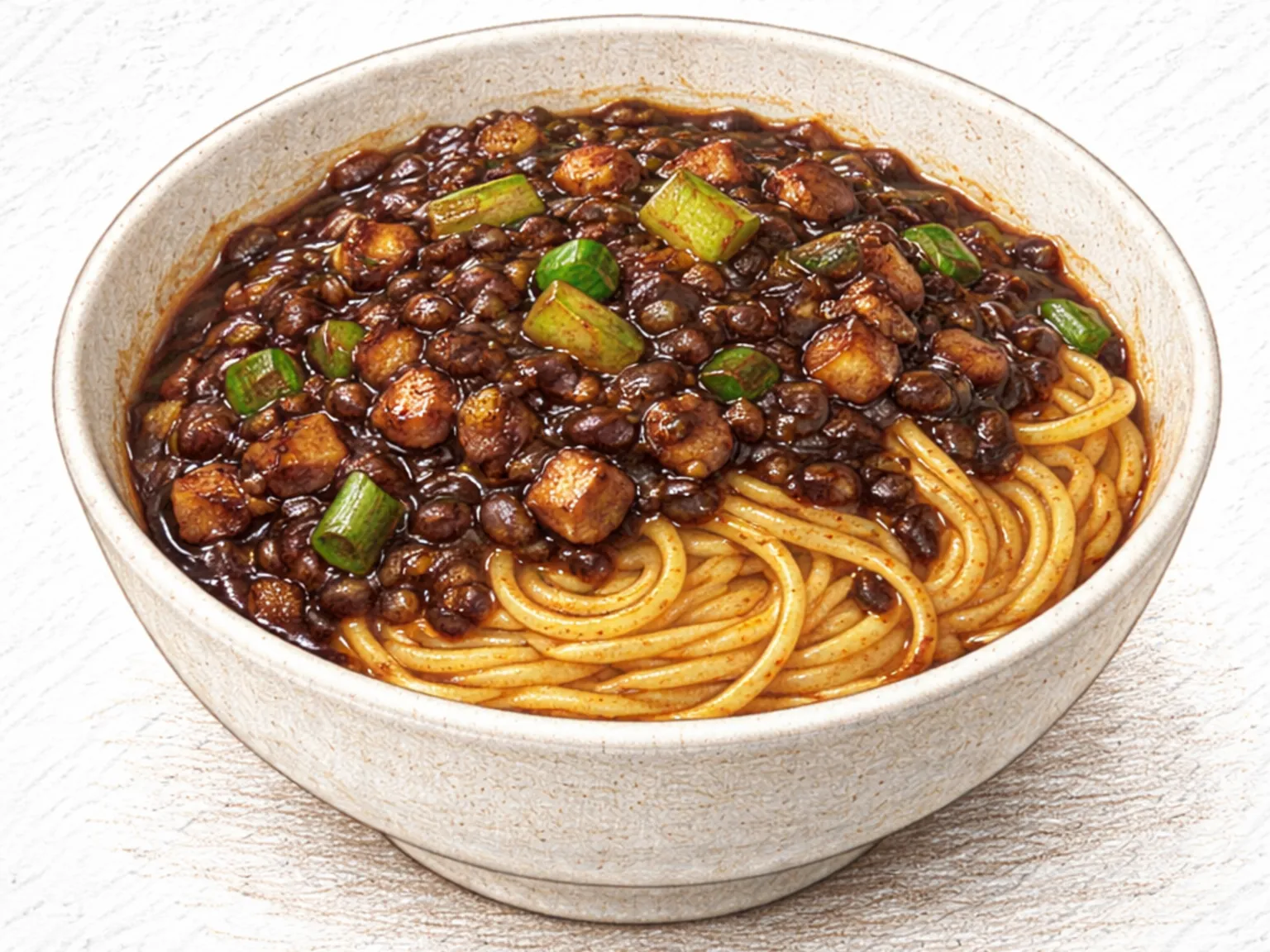
Bunsik-Style Korean Black Bean Noodles
Black bean paste (chunjang), Onion